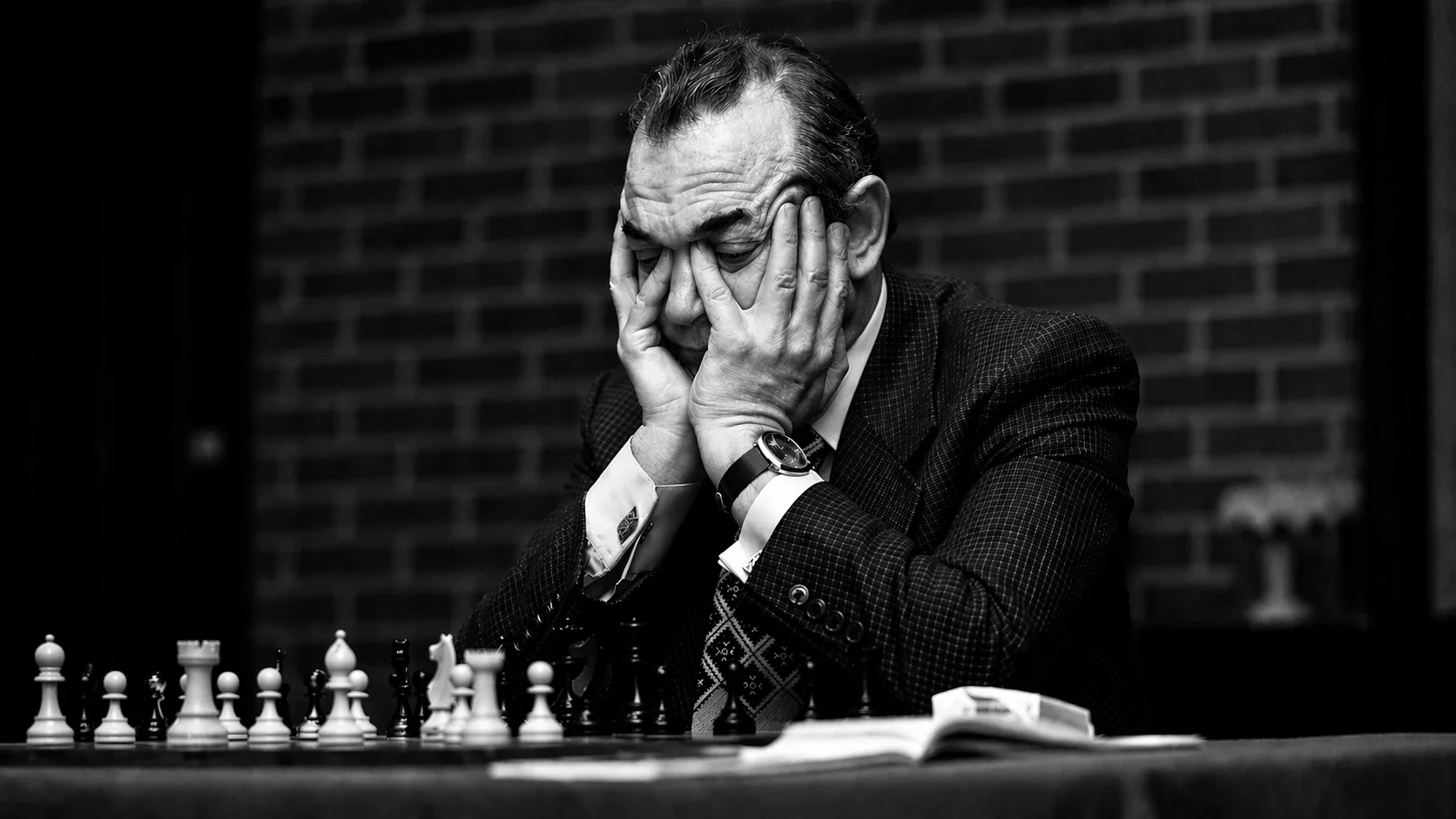
How the Early Soviet State Turned Chess Into a Tool
A look inside the origins of Soviet chess culture. These articles trace how early USSR institutions and political leaders transformed chess into a tool for education, discipline, and national development, setting the foundation for decades of dominance in world chess.
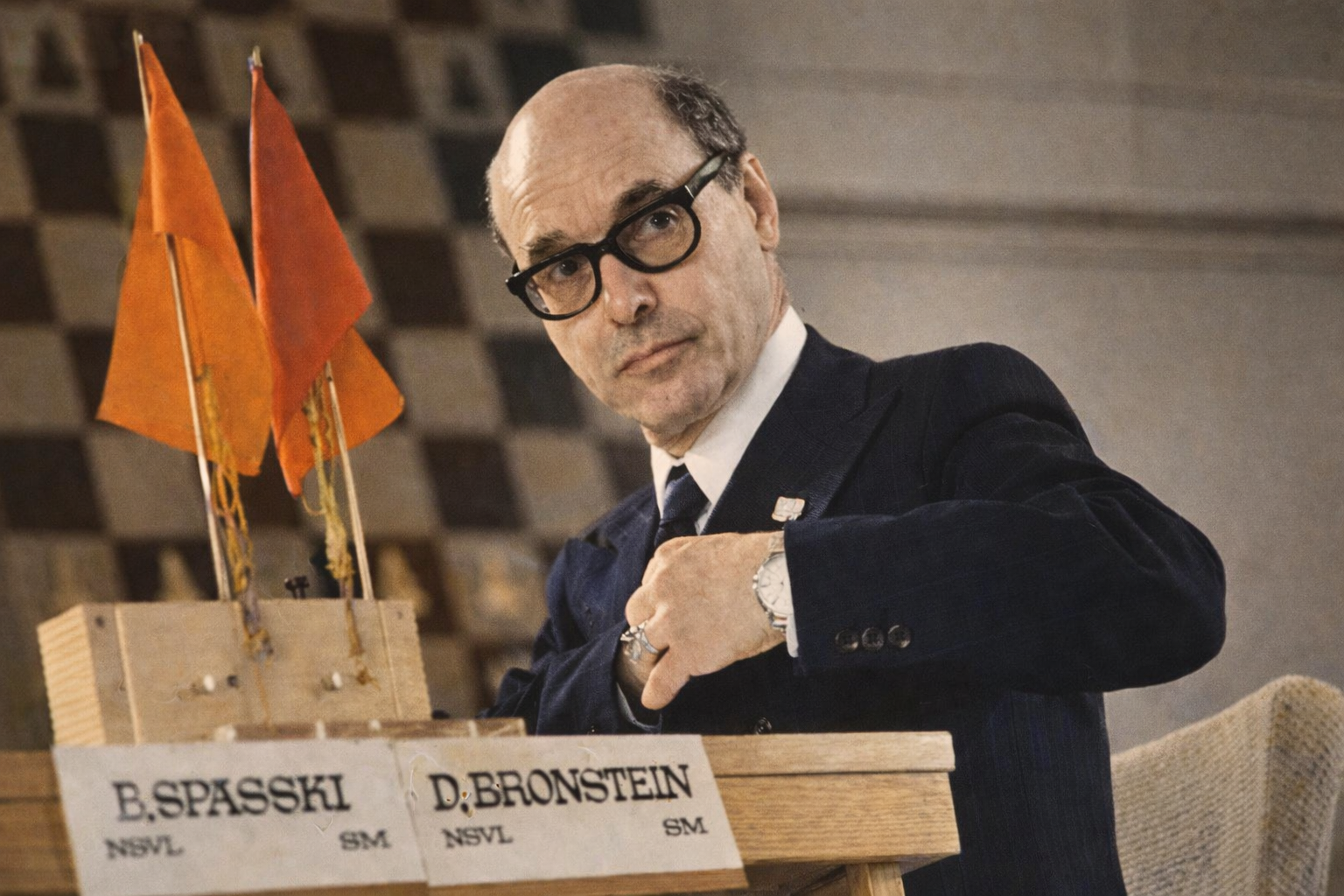
David Bronstein (Девід Бронштейн)
David Bronstein was born on 19 February 1924 in Belaya Tserkov and grew up in Kyiv, where he learned chess at six and trained under master Konstantinopolsky. His early life was shaped by Stalin’s purges—his father spent seven years in the Gulag—which instilled resilience and independence. After World War II, Bronstein quickly became one of the Soviet Union’s brightest masters; he won the 1948 and 1949 USSR Championships and, after triumphing in the 1950 Candidates, challenged Mikhail Botvinnik for the world crown in a dramatic 1951 match that ended in a 12–12 tie. Famous for his creative, tactical style, he turned the once-doubted King’s Indian Defence into a feared weapon and introduced ideas such as the Bronstein–Larsen line in the Caro–Kann. His theoretical contributions extended to endgames and time-control rules: the “Bronstein delay” remains a standard feature of digital clocks. Alongside his innovations, Bronstein authored influential books—including Zurich 1953, The Sorcerer’s Apprentice and Bronstein on the King’s Indian—which convey his love of imaginative chess. A principled figure who sometimes defied Soviet authorities, he is remembered as perhaps the greatest player never to hold the world championship, yet his legacy endures through his games, writings, and the creative freedom he championed.
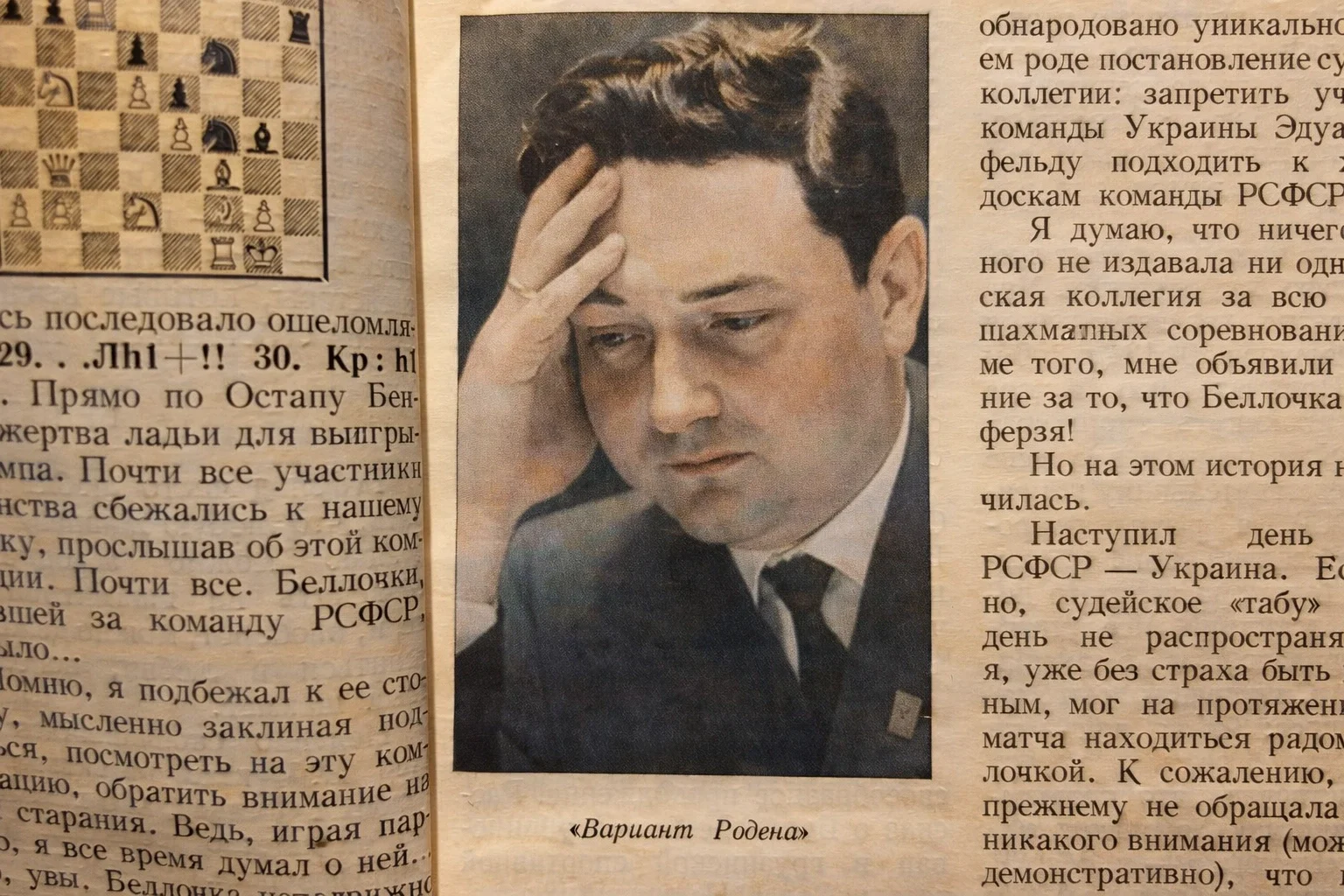
Eduard Gufeld (Едуард Гуфельд)
Eduard Gufeld is remembered here not only for his sharp King’s Indian attacks but also for his work as a coach, journalist, and ambassador of chess. The piece recounts his famous game against Bagirov, his love for the Dragon, and his mission to popularize chess as art.
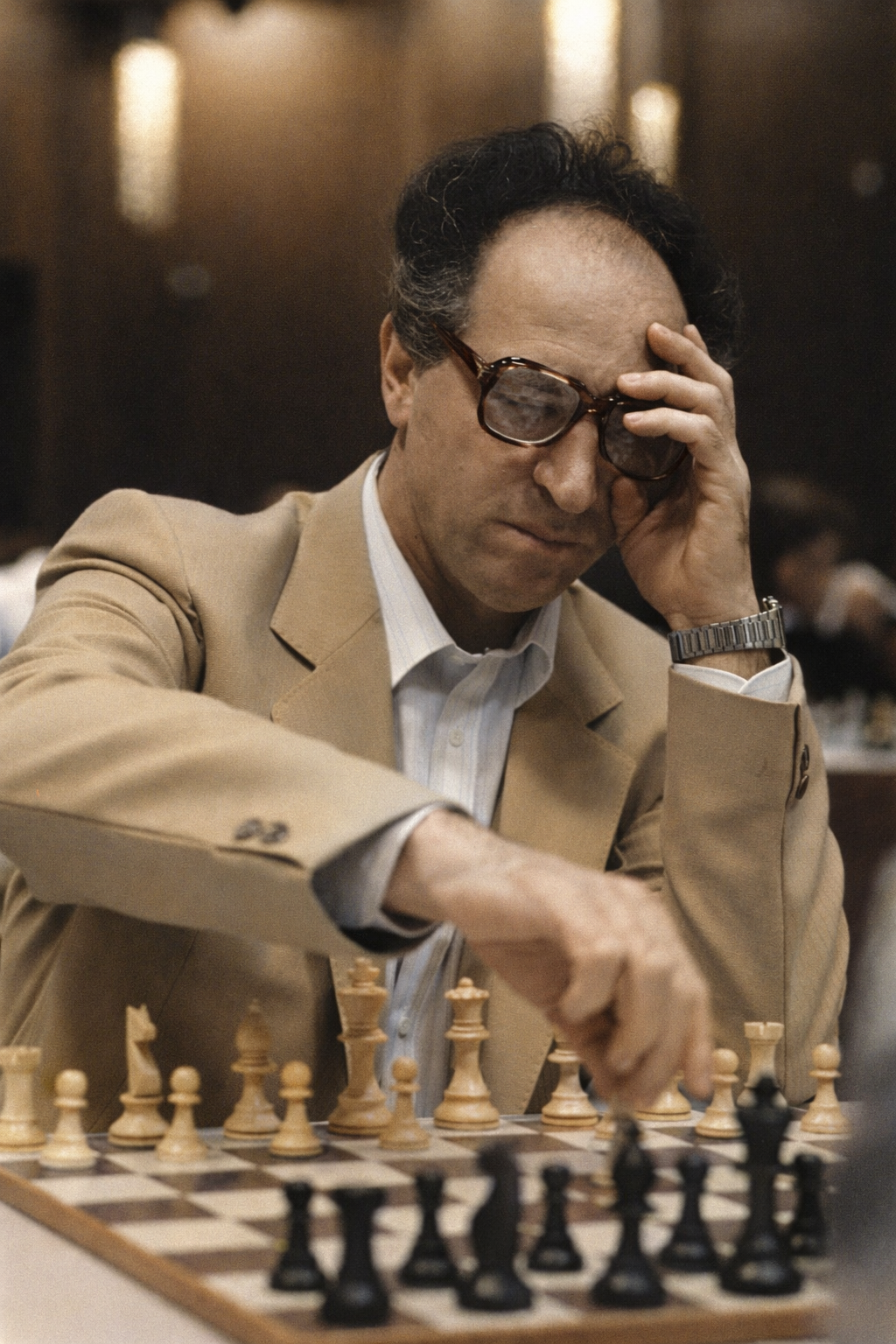
Lev Polugaevsky (Леў Палугаеўскі)
This piece profiles Lev Polugaevsky as a player who married engineer‑like preparation with ferocious over‑the‑board play. It reviews his repeated appearances in world championship cycles and his lasting impact through the Polugaevsky Variation of the Najdorf.
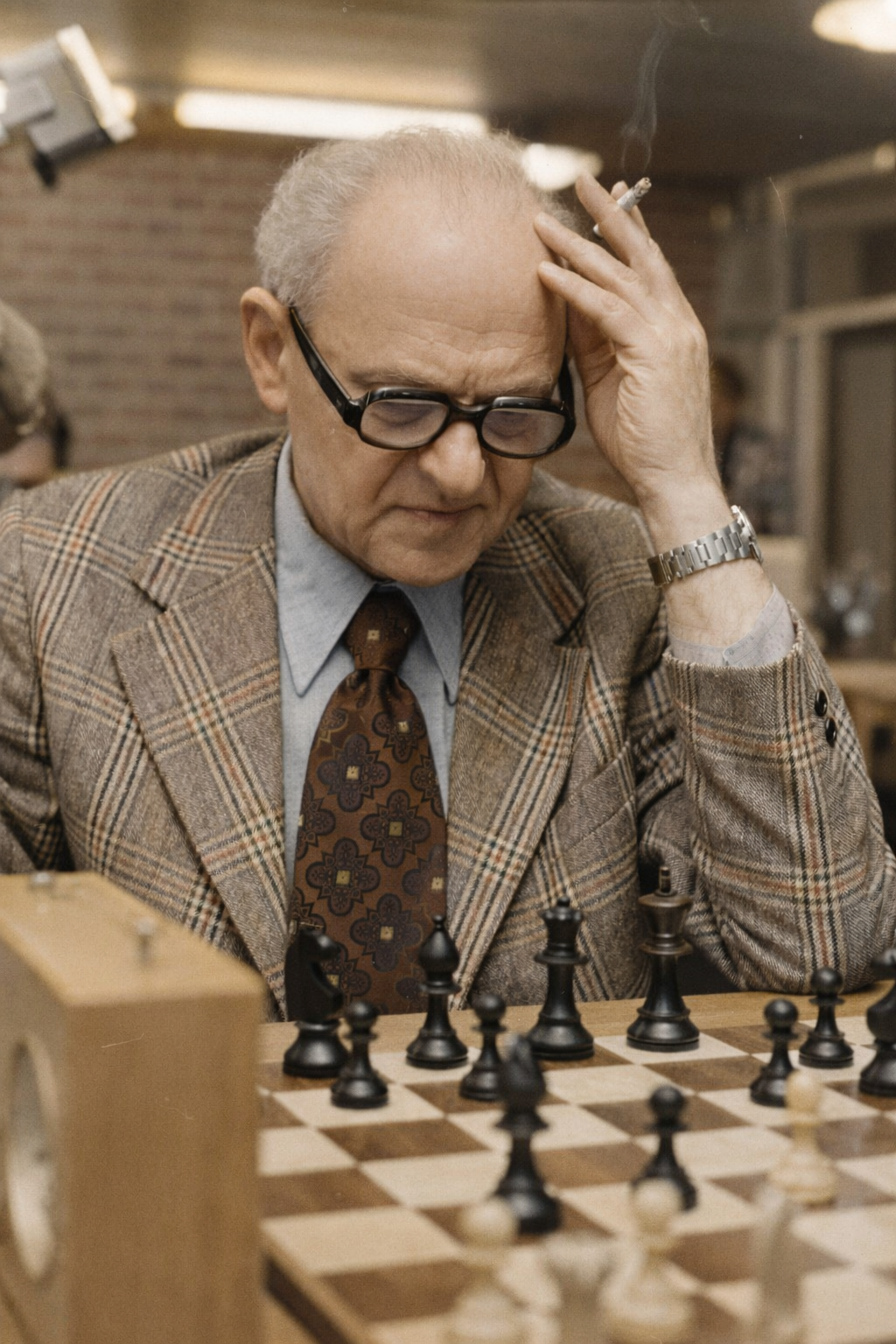
Semyon Furman and the Making of a World Champion
Semyon Furman’s career illustrates how a modest master became a key architect of world champions. This piece charts his own playing achievements and his crucial role as a mentor to Karpov, emphasizing his original analyses and his dedication to the Soviet team.
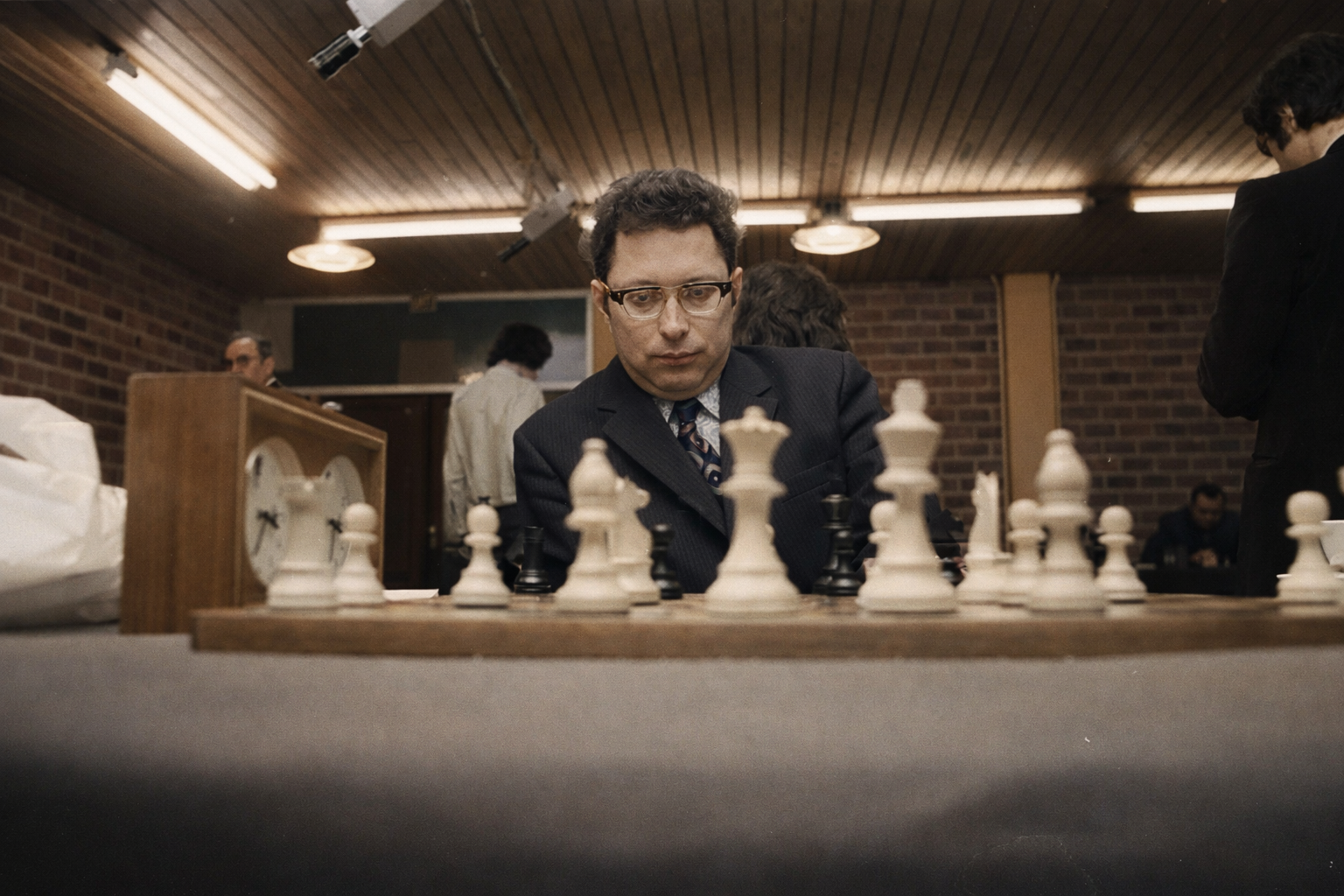
Evgeni Vasiukov (Евгений Васюков)
Evgeni Vasiukov is portrayed as a self‑made master whose attacking flair brought him major titles and international recognition. The article also notes his theoretical insights and his long service to Soviet chess as a trainer and analyst.
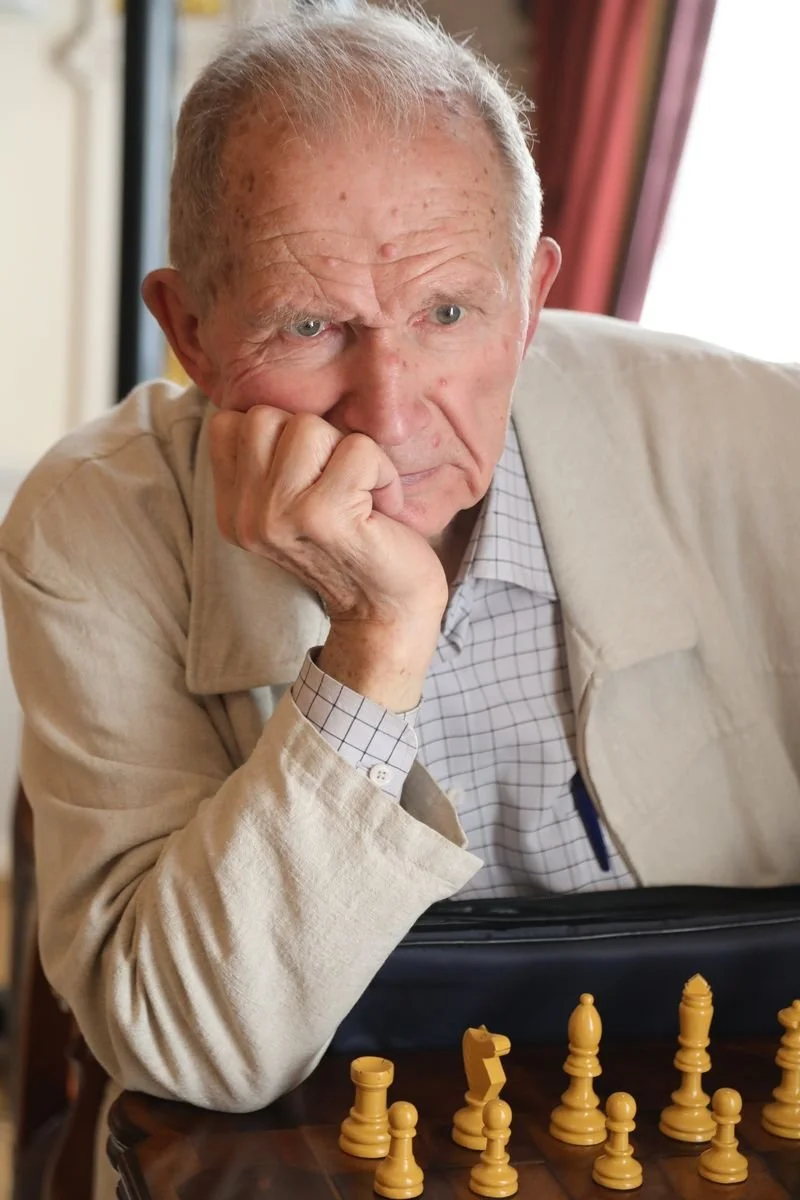
Alexander Nikitin (Александр Никитин)
This article positions Alexander Nikitin as more than a second: he was a strategic thinker who helped shape world champions. Through his engineering background and analytical approach, he developed Kasparov and other talents while stressing the importance of preparation and structure.
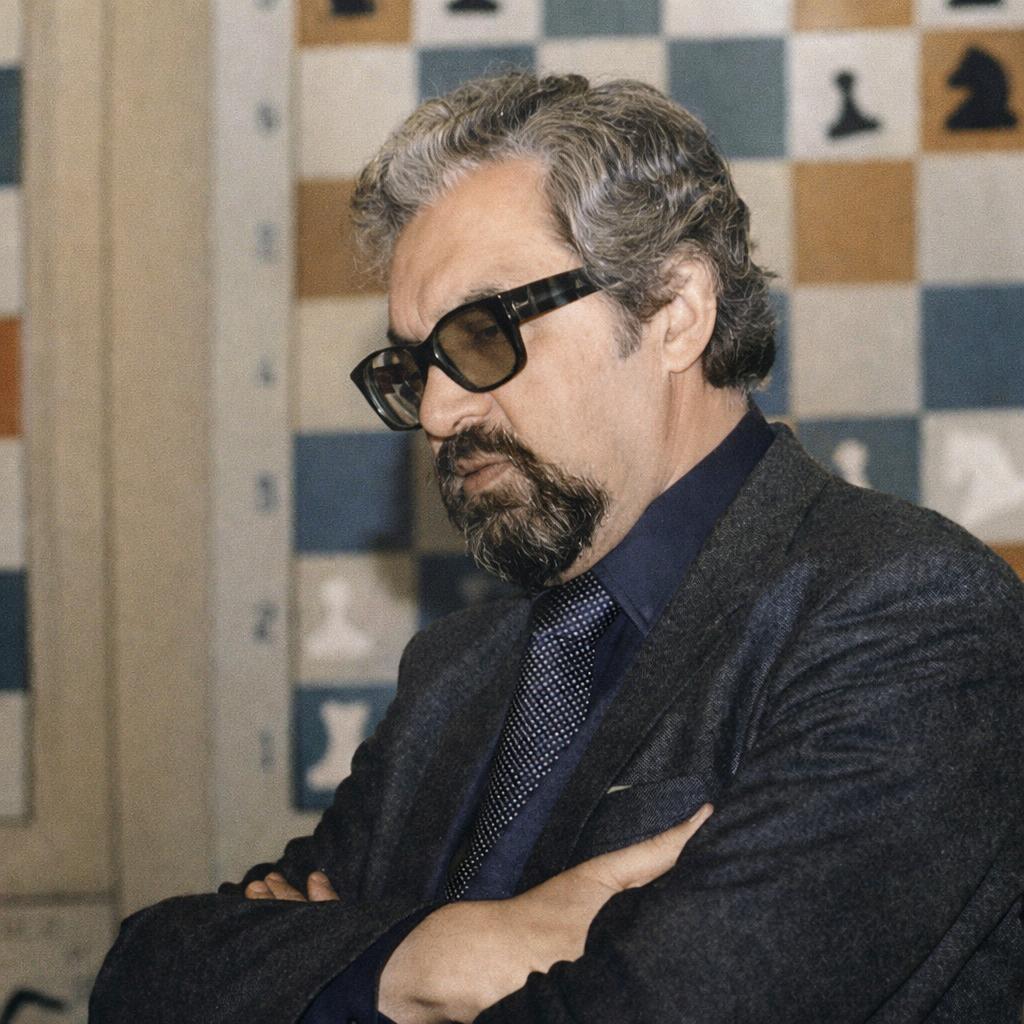
Vladimir Bagirov (Bağırov)
Vladimir Bagirov may not have been a household name, but his deep tournament runs and meticulous opening work made him indispensable to Soviet chess. The piece underscores his roles as a player, second and theoretician, illustrating the depth of Soviet professional chess.
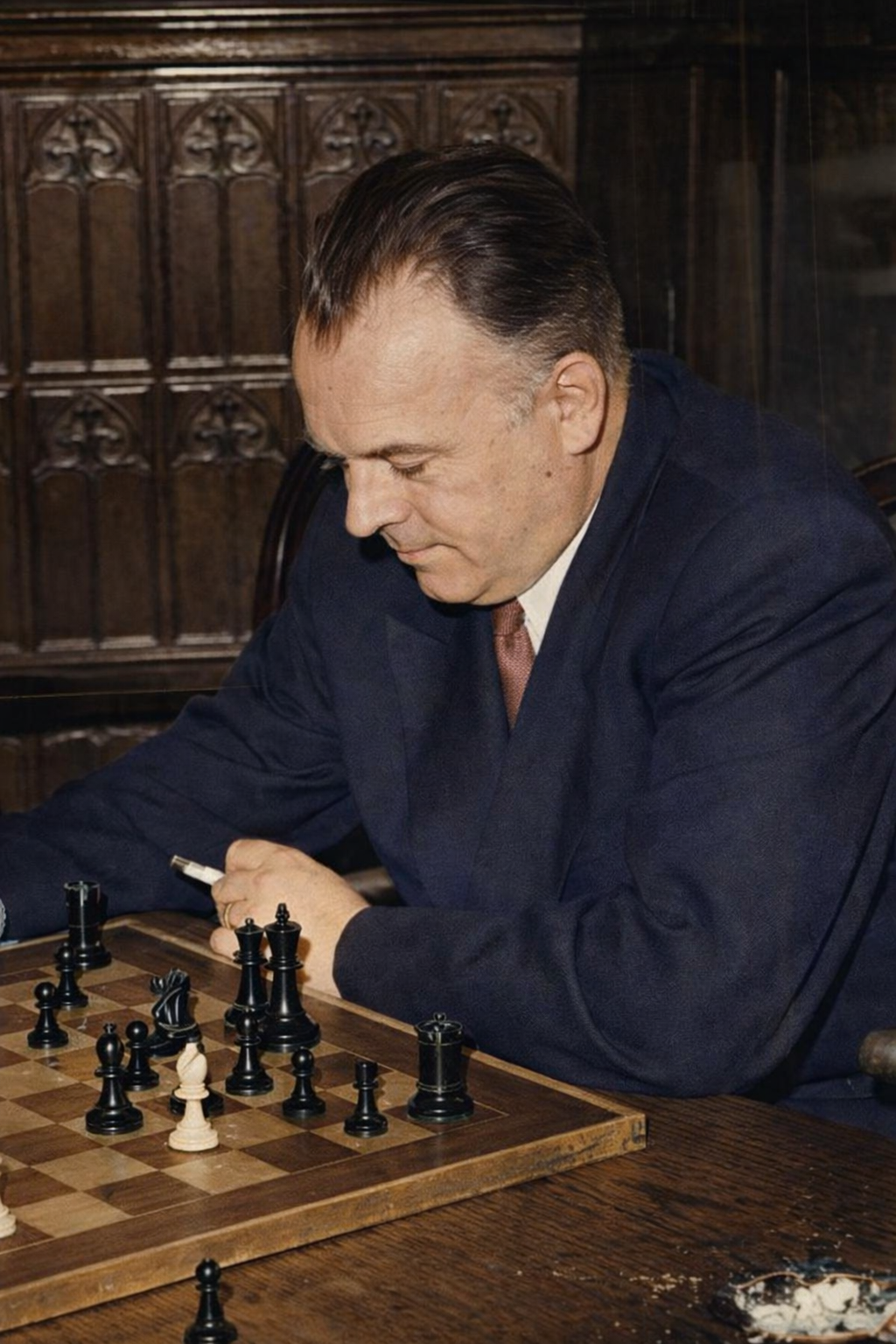
Alexander Tolush (Александр Толуш)
Alexander Tolush was a creative force in Leningrad chess: an aggressive player, a prolific journalist, and the mentor who guided a young Spassky. The article relives his greatest games and his influence on Soviet chess culture.
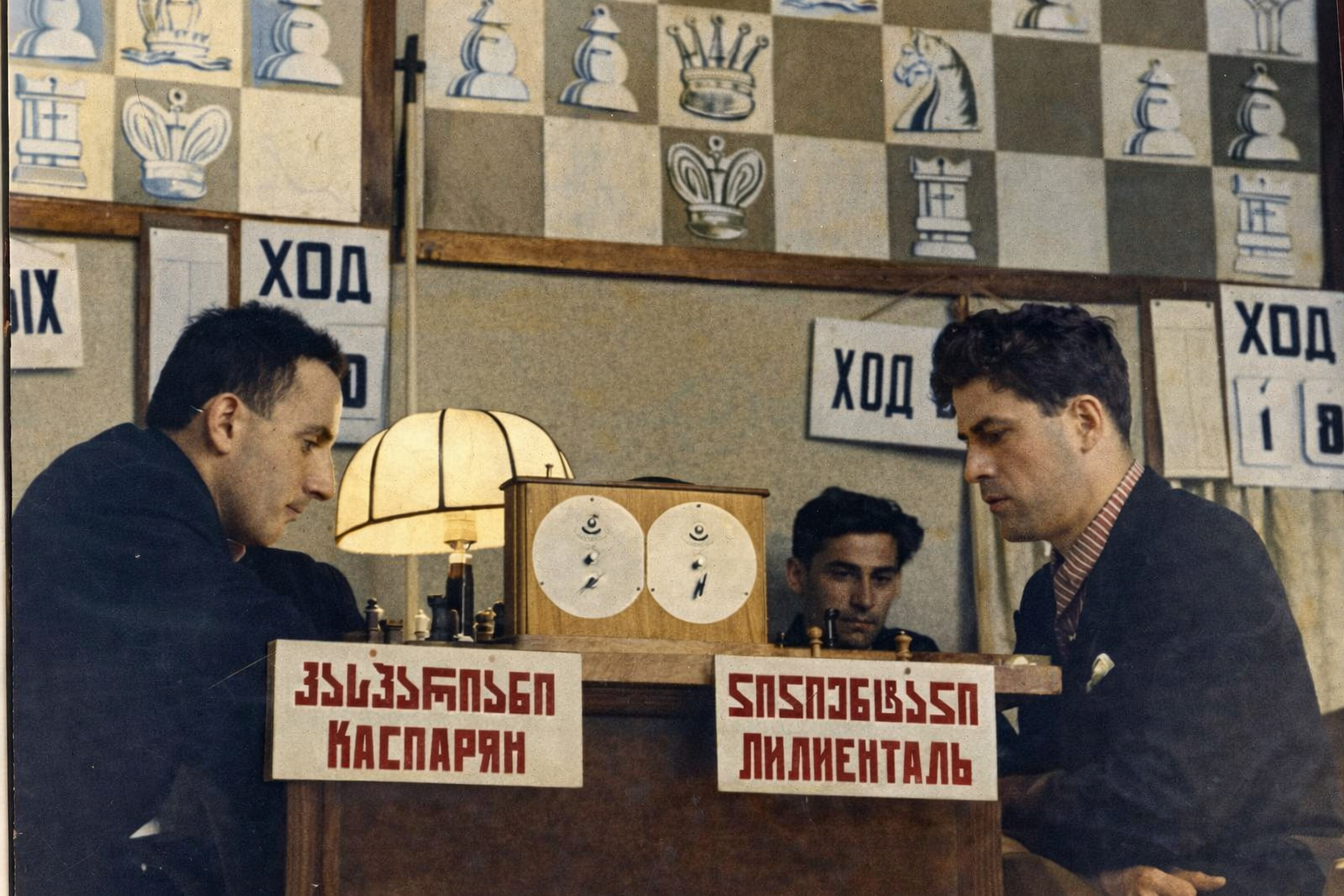
Genrikh Kasparyan (Հենրիխ Կասպարյան)
Genrikh Kasparyan forged a remarkable chess career from Tiflis to Yerevan, becoming Armenia’s first Soviet master and an acclaimed composer of endgame studies. This piece highlights his playing achievements and his lasting influence on endgame artistry.
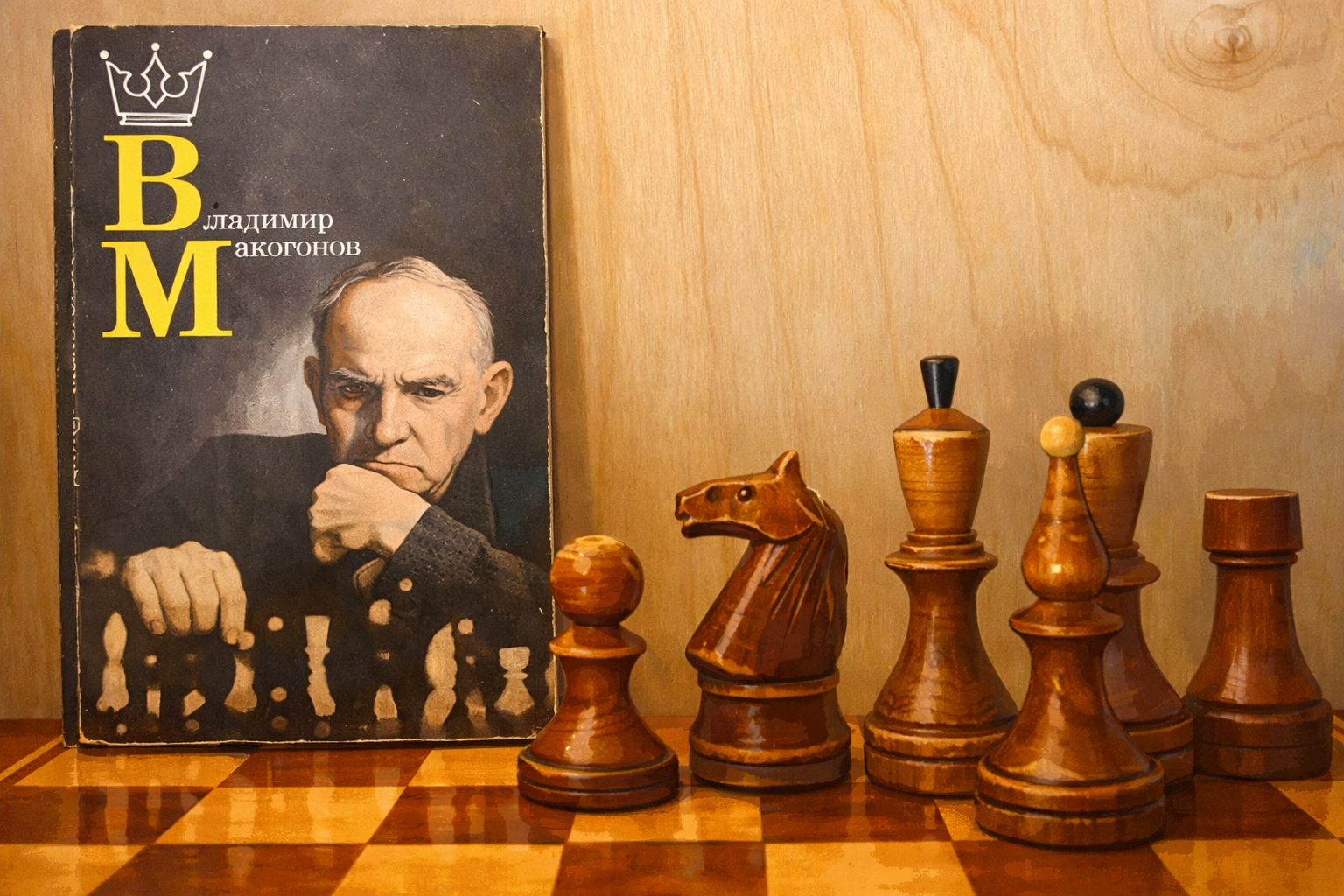
Vladimir Makoganov
Vladimir Makogonov was more than a footnote in Soviet chess history. Born in Nakhchivan in 1904, he rose to world‑class strength in the 1930s and 40s and is remembered as a major opening theoretician and a central pillar of Azerbaijani chess culture. He became a USSR master in 1927 and later an International Master and Honored Master of Sport, played eight USSR Championship finals, and defeated giants such as Reshevsky and Keres. After the Second World War, he helped build Baku’s chess infrastructure, training future champions such as Vasily Smyslov and even a young Garry Kasparov. Makogonov’s prophylactic positional style and his variations in the King’s Indian and Grünfeld openings left a lasting theoretical legacy.
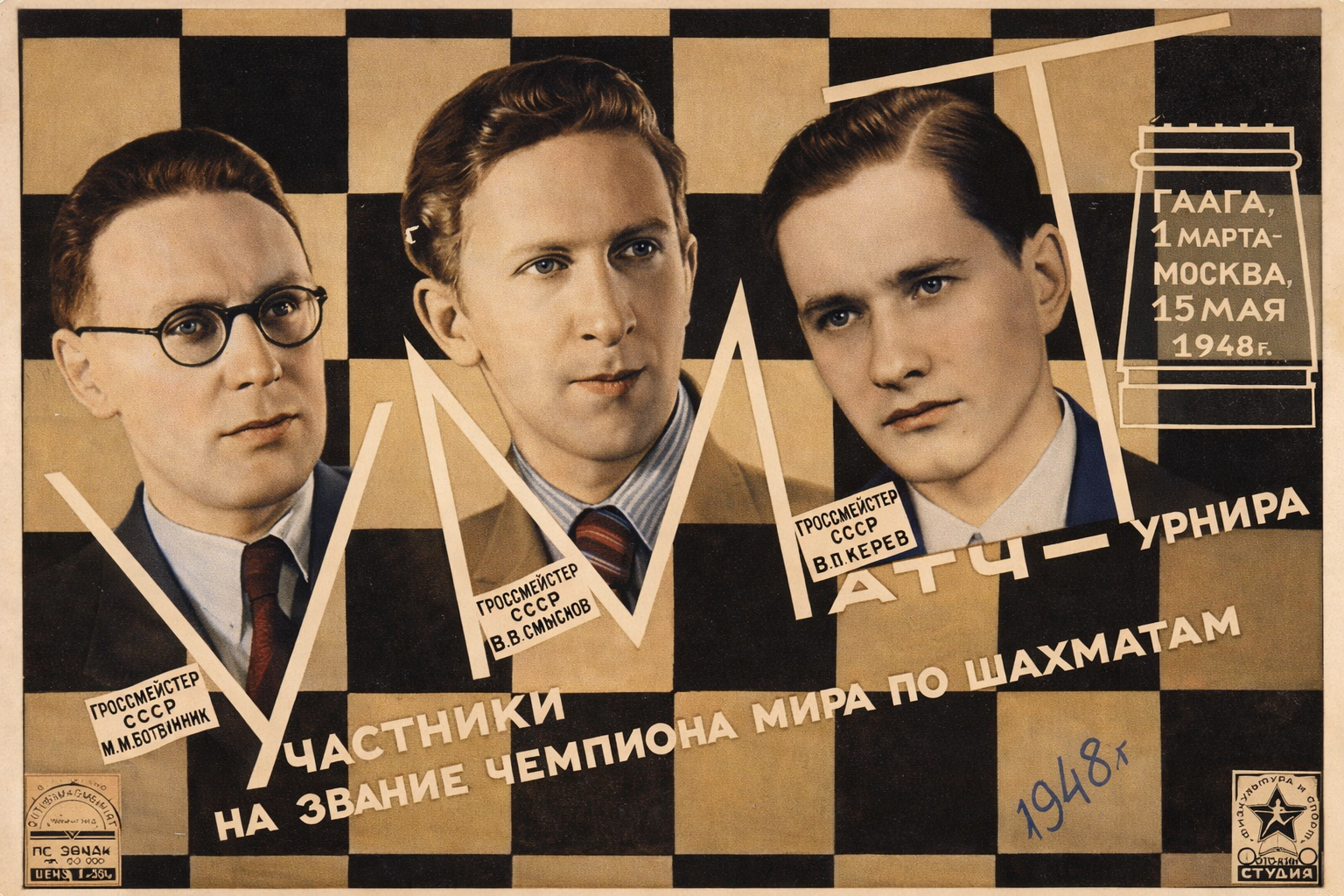
The 1948 World Chess Championship: From The Hague to Moscow
After Alexander Alekhine’s death, FIDE organised a five‑player match‑tournament in 1948 to decide the world chess champion. The event, held in The Hague and Moscow, featured Botvinnik, Vasily Smyslov, Paul Keres, Samuel Reshevsky, and Max Euwe, playing five rounds against each other. Botvinnik dominated with 14 points out of 20, becoming champion and initiating a new era of Soviet supremacy. The tournament also signaled FIDE’s assertion of authority over the organization of world championships and set the template for the modern cycle. Observers debated whether political pressure influenced Keres’s play, but the result cemented Botvinnik’s status as the first post‑war champion.
Genna Sosonko (Генна Сосонко)
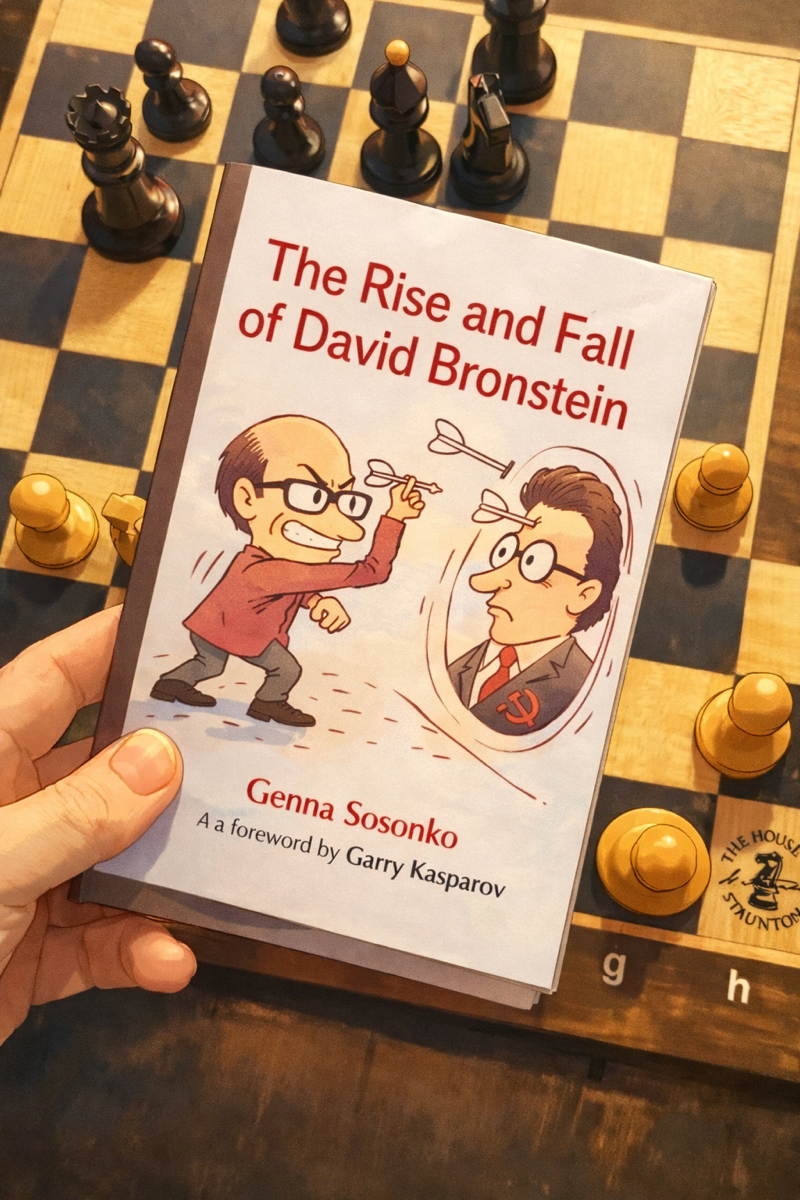
Genna Sosonko left Leningrad in 1972 and built a distinguished career representing the Netherlands, becoming Dutch champion twice and winning the prestigious Wijk aan Zee tournament in 1977 and 1981. Beyond his results on the board, Sosonko is revered for his literary portraits of Soviet chess life, particularly his books Russian Silhouettes and The Rise and Fall of David Bronstein. His dual identity as a grandmaster and chronicler gives readers unique insight into the power dynamics, friendships, and fears that defined Soviet chess culture.
Alexander Beliavsky (Олександр Белявський)
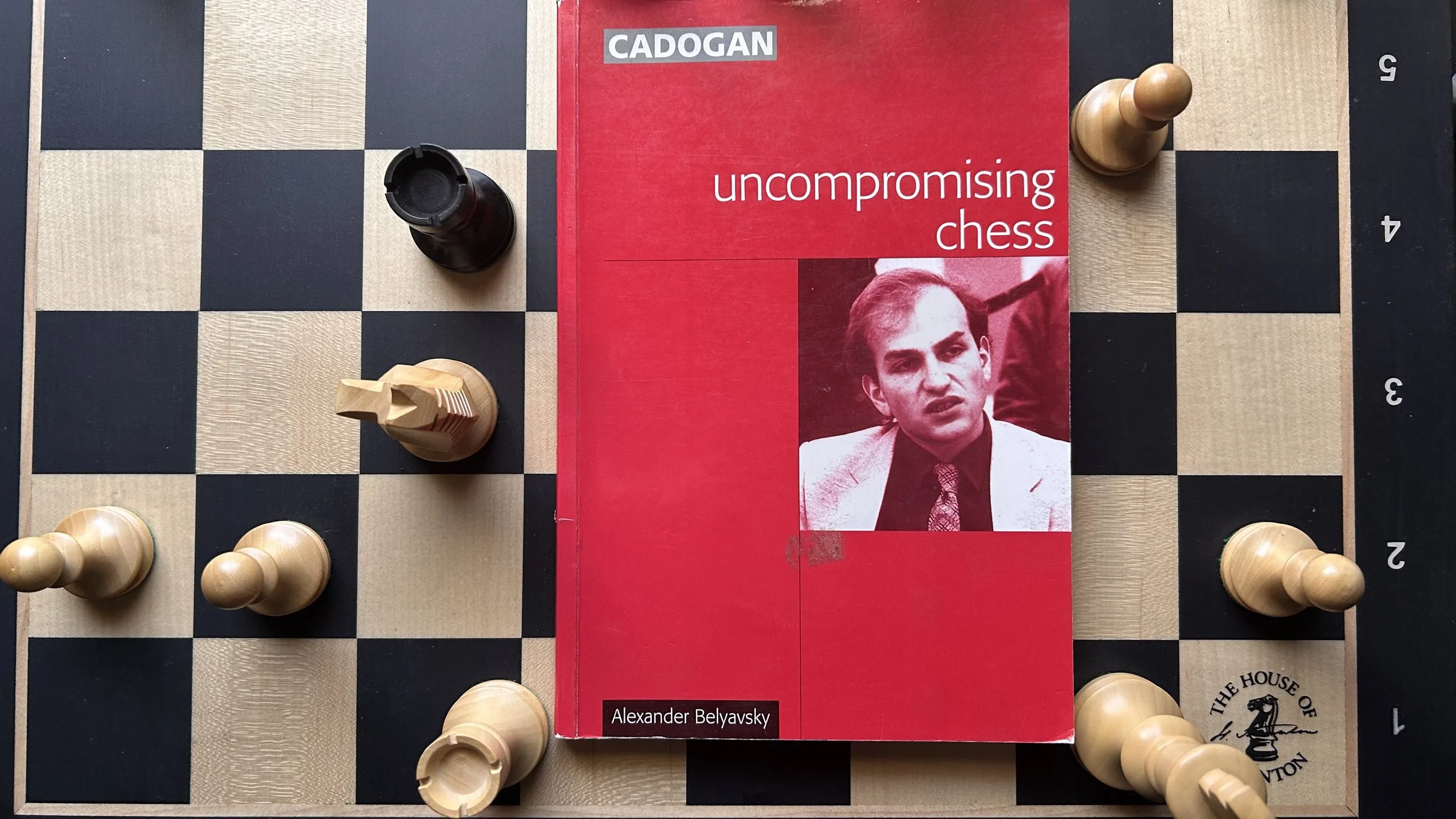
Trained in Lviv under Viktor Kart, Alexander Beliavsky won the 1973 World Junior Championship and, a year later, shared the Soviet championship with Mikhail Tal. He went on to win four USSR titles and reached a peak world ranking of No. 3 in 1985. An uncompromising competitor renowned for his dynamic style, Beliavsky also wrote influential books such as Uncompromising Chess and contributed to opening theory in lines like the fianchetto Grünfeld. His career spans decades, and he has defeated nine world champions while later serving as a trainer, theoretician, and author.
Vyacheslav Ragozin (Вячеслав Рагозин)
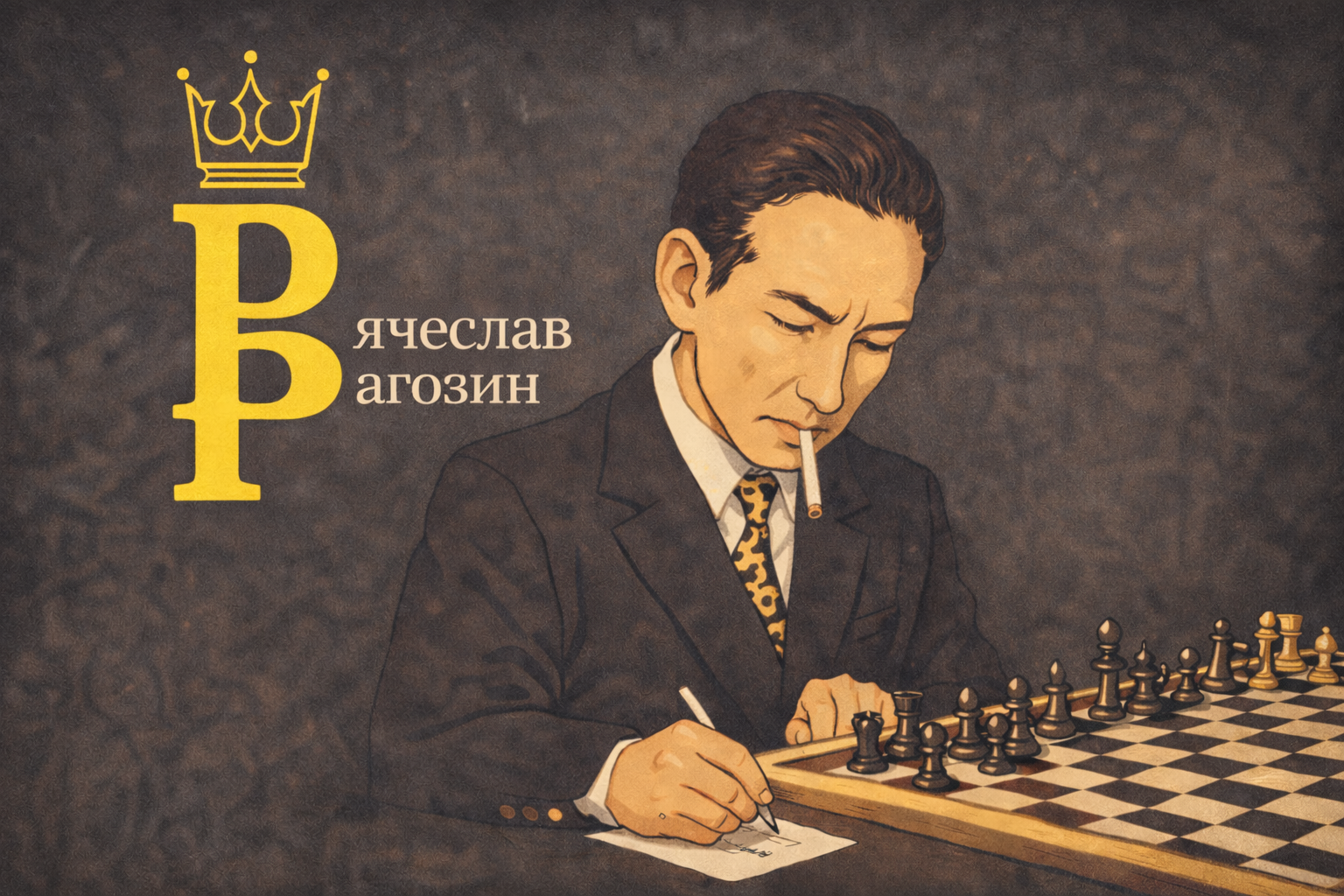
Vyacheslav Ragozin was a central figure in Soviet chess. A master and theoretician in the 1930s and 40s, he later won the inaugural world correspondence championship and worked closely with Mikhail Botvinnik as a trusted second. Ragozin’s name lives on in the Ragozin Defense (1 d4 Nf6 2 c4 e6 3 Nc3 Bb4), but his contributions were broader: he edited chess periodicals, composed endgame studies, and helped organize and arbitrate events. His varied roles strengthened the institutional fabric of Soviet chess and influenced opening theory for generations.
Ratmir Kholmov (Ратмир Холмов)
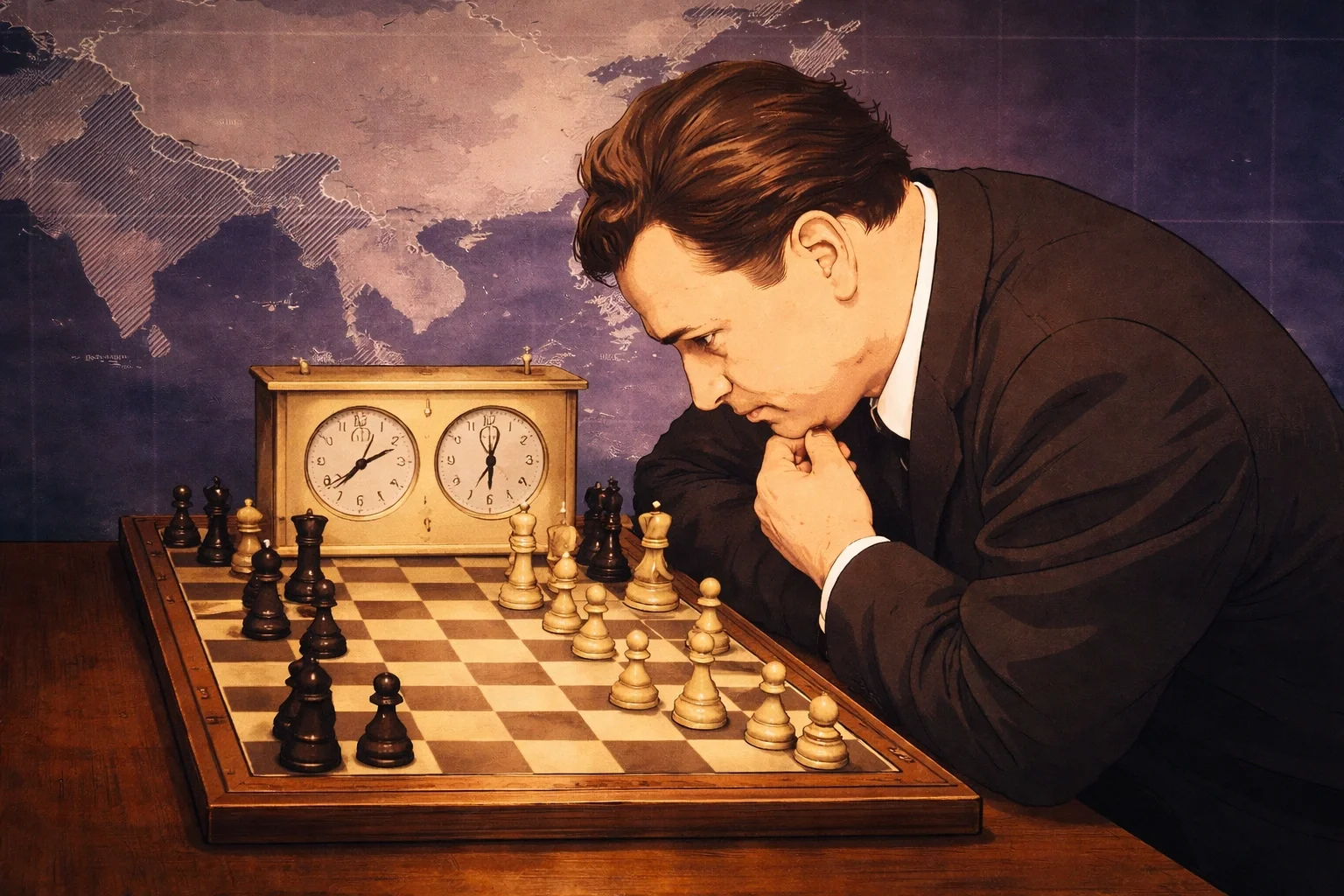
Nicknamed “The Grandmaster in the Shadows,” Ratmir Kholmov emerged from a turbulent childhood—his father was arrested, and he grew up in labor colonies—yet he taught himself chess and rose to the Soviet elite. A consistent presence in USSR championship finals, he shared first place in the 1963 national championship and scored victories over stars like Tal, Korchnoi, and Spassky. Known for his sturdy defense and tactical originality, Kholmov remained near the top for decades despite political restrictions and limited foreign travel. His story shows how deep the Soviet talent pool was and why some brilliant players remained largely unknown.