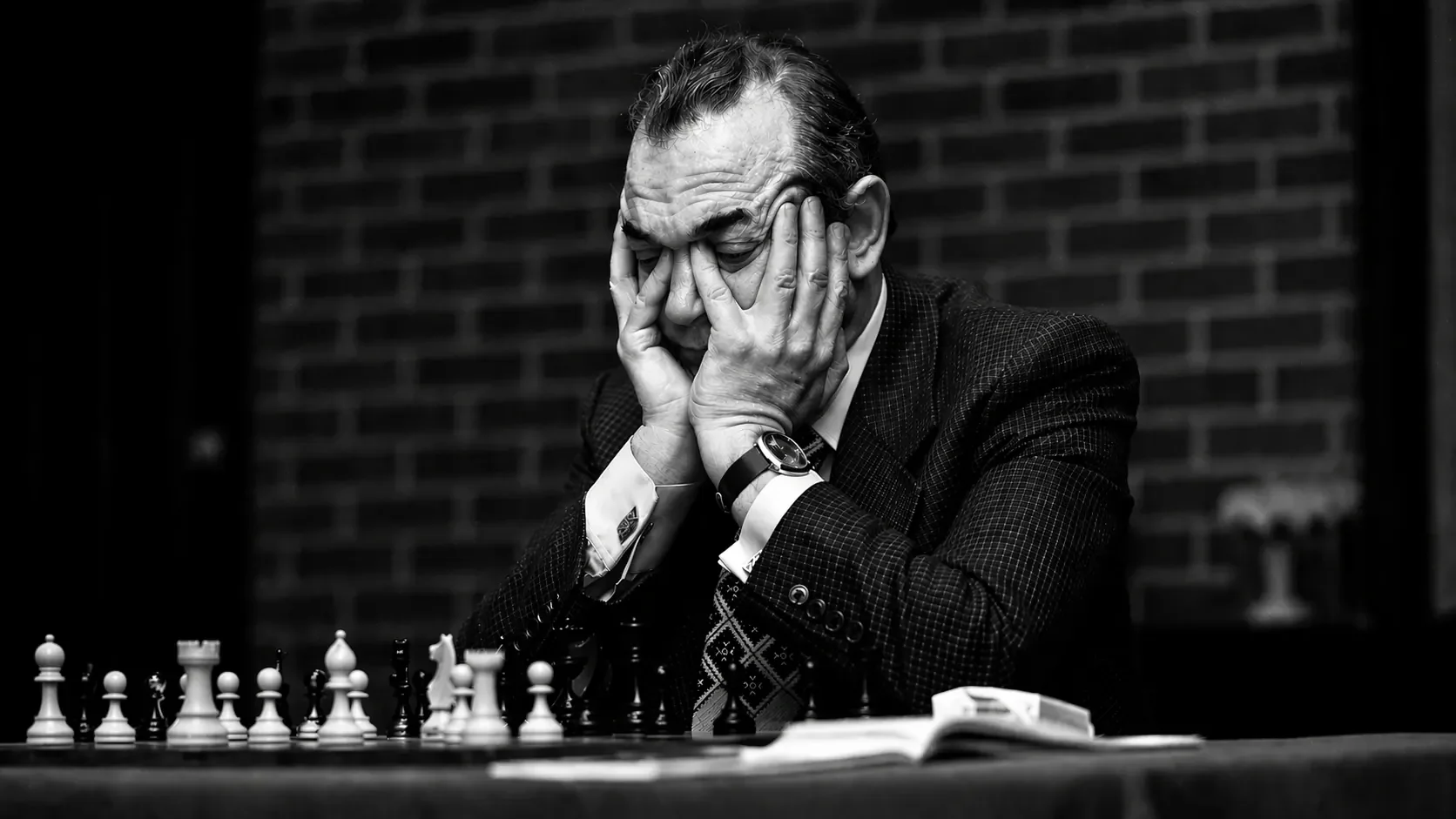
How the Early Soviet State Turned Chess Into a Tool
A look inside the origins of Soviet chess culture. These articles trace how early USSR institutions and political leaders transformed chess into a tool for education, discipline, and national development, setting the foundation for decades of dominance in world chess.
Lev Alburt
Lev Alburt rose through the Soviet chess system and won three Ukrainian championships before building a distinguished American career as a three-time U.S. champion, author, and influential coach.

Olga Rubstova
Olga Rubtsova became the first Soviet women’s chess champion in 1927, won the women’s world title in 1956, and captured the inaugural women’s world correspondence championship in 1972. Her biography traces a remarkable career through Soviet championships, international competition, and chess literature.
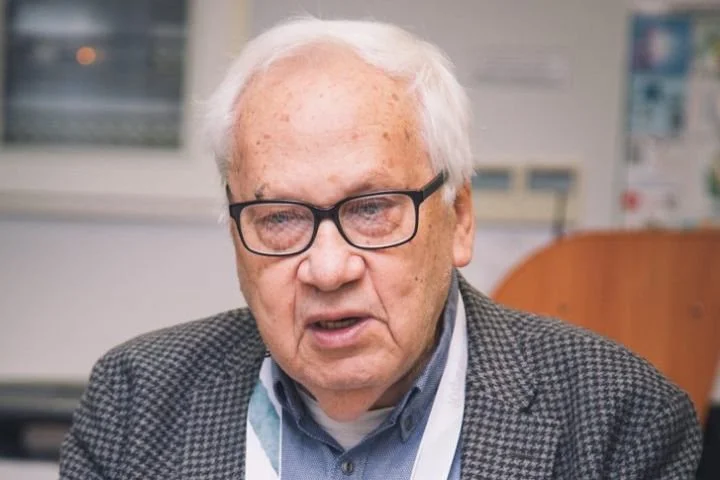
Anatoly Bykhovsky
Anatoly Avramovich Bykhovsky shaped Soviet youth chess for a quarter century. An International Master and Honored Coach of the USSR, he trained many future elite players.
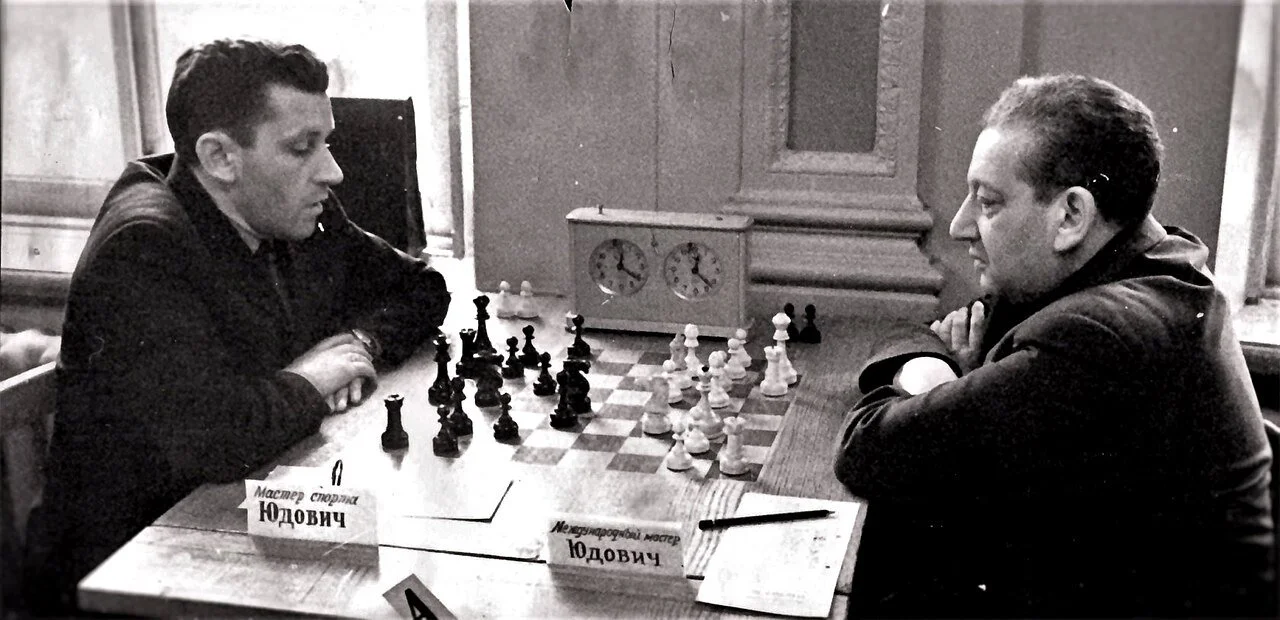
Mikhail Yudovich
Discover Mikhail Yudovich, the Soviet master who shared third in the 1931 USSR Championship and later became a correspondence grandmaster, influential editor, trainer, author, and chess educator.
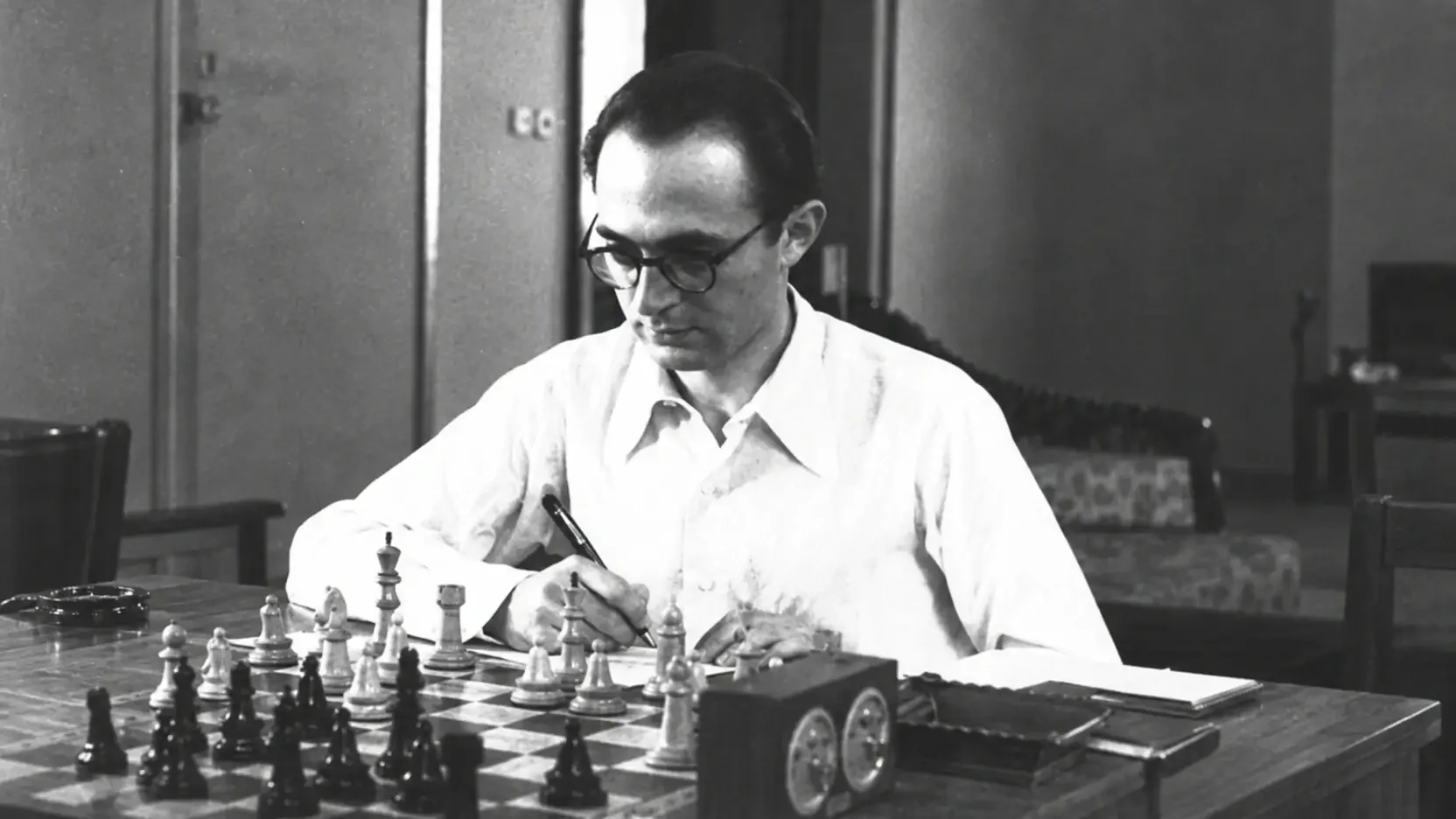
Isaac Lipnitsky
Isaac Lipnitsky was a two-time Ukrainian champion, joint runner-up in the 1950 Soviet Championship, and an influential Soviet chess theorist. This profile examines his life, competitive career, playing style, writings, and lasting place in chess history.
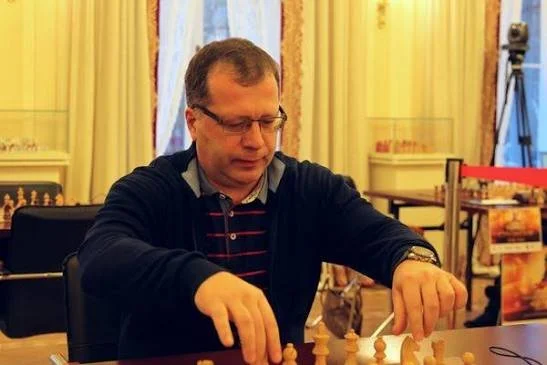
Alexey Dreev
Alexey Dreev emerged from the final generation of Soviet chess prodigies to become a three-time Olympiad champion, world championship quarterfinalist, respected theoretician, and elite trainer. This profile examines his development, competitive career, playing style, books, coaching work, and enduring legacy.
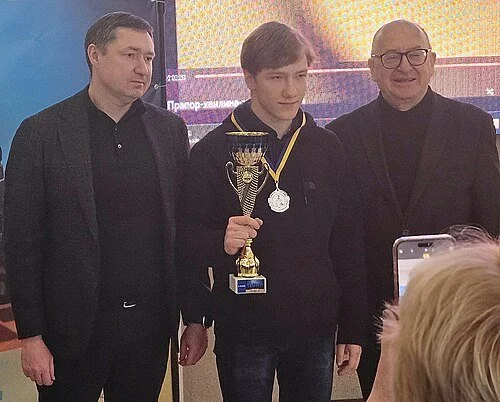
Adrian Mikhalchishin
Adrian Bohdanovych Mikhalchishin rose from the Soviet chess school to become a grandmaster, chess author, and FIDE Senior Trainer with an international coaching career.
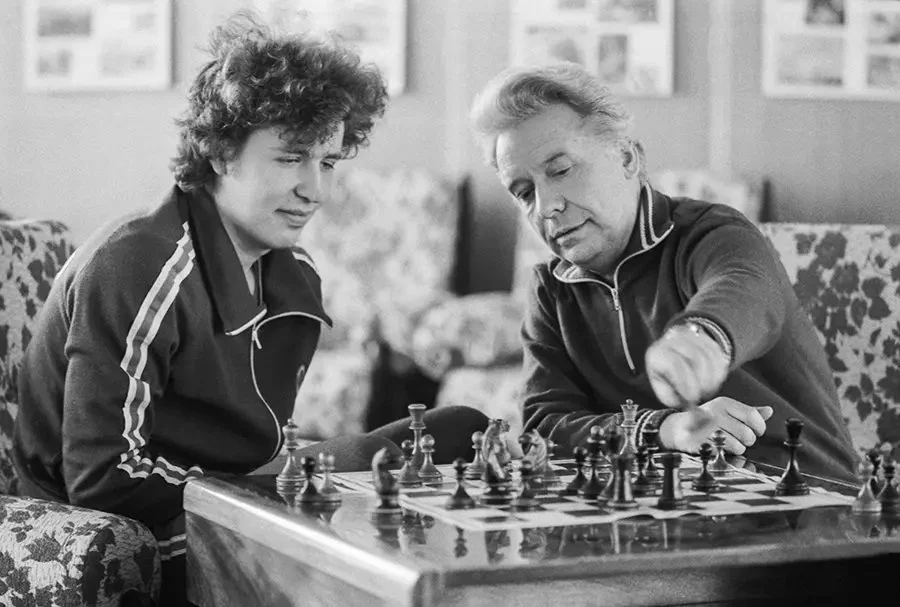
Andrei Sokolov
Andrei Sokolov won the 1984 USSR Championship undefeated and reached the 1987 Candidates final, placing him among the strongest players of the final Soviet generation.


Leonid Yudasin
Leonid Yudasin emerged from Leningrad’s celebrated chess culture to become a leading grandmaster of the late Soviet era. He shared first place in the 1990 USSR Championship, twice competed in the World Championship Candidates, and later represented Israel while building a respected career as a player and coach.
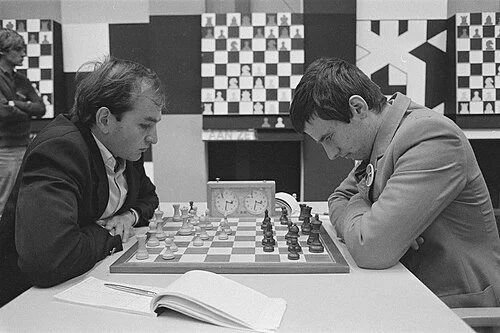
Kiril Georgiev
Kiril Georgiev emerged from Bulgaria’s distinguished chess tradition to become the 1983 World Junior Champion and one of the country’s leading grandmasters. Explore his early development, competitive achievements, playing style, international career, and lasting contribution to Bulgarian chess.
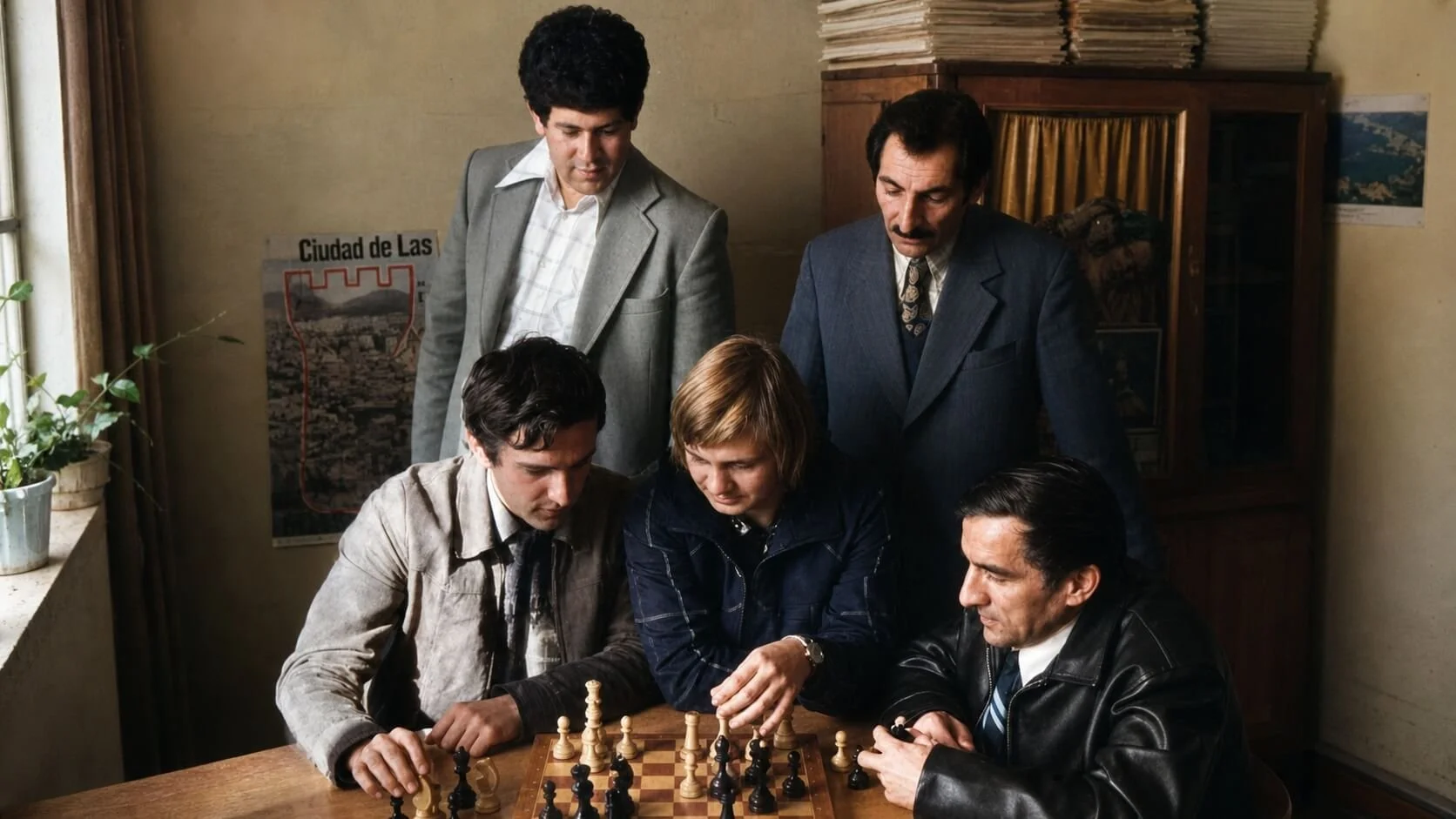
Sergei Dolmatov
Sergei Dolmatov rose from a Siberian mining town to become World Junior Champion, a World Championship candidate, and an Olympiad gold medallist. A leading student of Mark Dvoretsky, he later worked with Garry Kasparov and Vladimir Kramnik while training a new generation of Russian chess players.
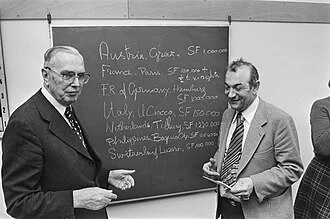
Max Euwe
Max Euwe, the Dutch mathematician and fifth world chess champion, occupied a distinctive place in twentieth-century chess. This profile traces his 1935 victory over Alexander Alekhine, his contests with Soviet champions, his analytical style, his influential writing, and his later presidency of FIDE.
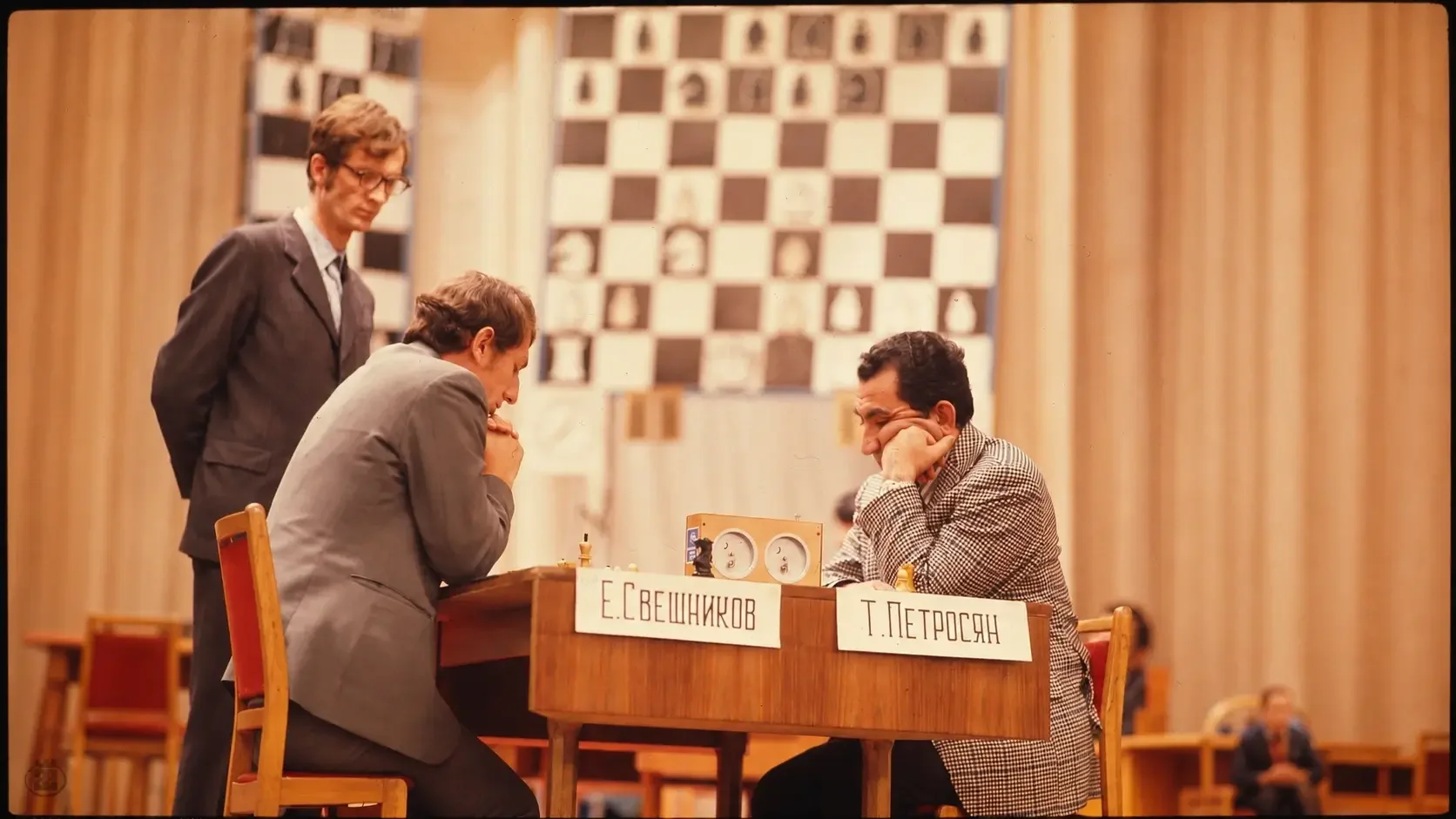
Evgeni Sveshnikov
Evgeni Sveshnikov was a Soviet grandmaster, influential chess theoretician, trainer, author, and world senior champion. This profile examines his Chelyabinsk upbringing, tournament career, collaboration with Gennadi Timoshchenko, years representing Latvia, and lasting influence on the Sicilian Defense.
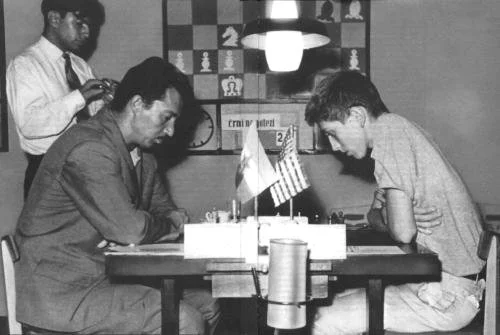
Portorož Interzonal of 1958
The 1958 Portorož Interzonal brought Mikhail Tal, Tigran Petrosian, Svetozar Gligorić, David Bronstein, Pál Benko, Friðrik Ólafsson, and fifteen-year-old Bobby Fischer into one decisive world championship qualifier. Tal overtook Petrosian to win, and a dramatic final round completed the six-player Candidates field.
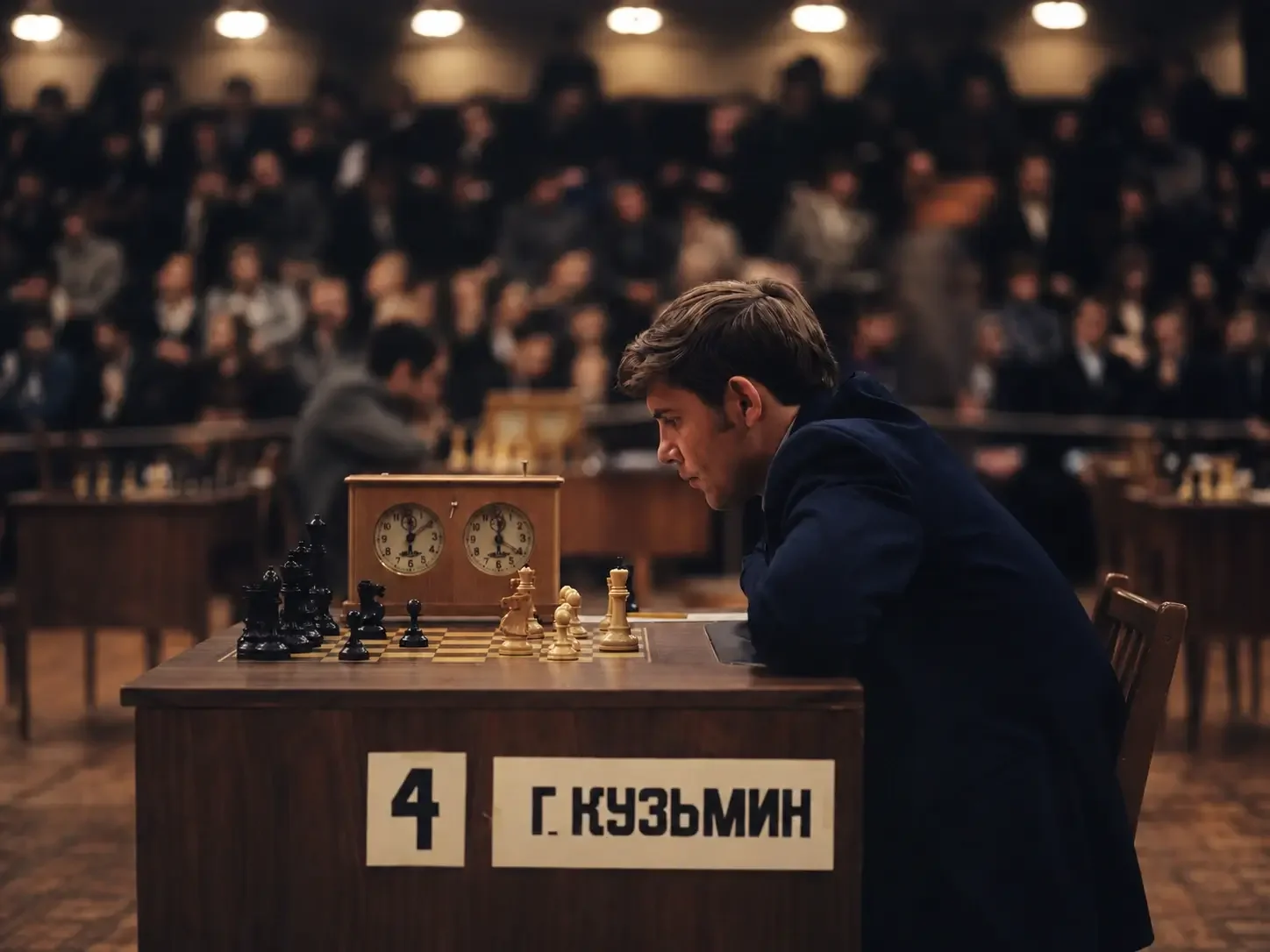
Gennadi Kuzmin
Gennadi Kuzmin rose from Voroshilovgrad’s regional chess culture to the world top 15, two Interzonals, and the Soviet Olympiad team. He later became an influential trainer, working with Maia Chiburdanidze, Ruslan Ponomariov, and generations of Ukrainian players.
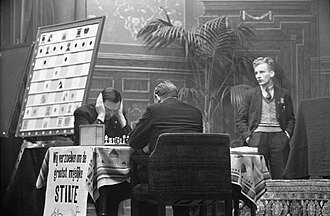
The World Chess Championship of 1937
The 1937 World Chess Championship brought Max Euwe and Alexander Alekhine together for a scheduled 30-game rematch staged across nine Dutch cities. This article examines its private organization, decisive turning points, contemporary press coverage, Soviet analytical reception, and legacy following Alekhine's becoming the first former champion to regain the title.
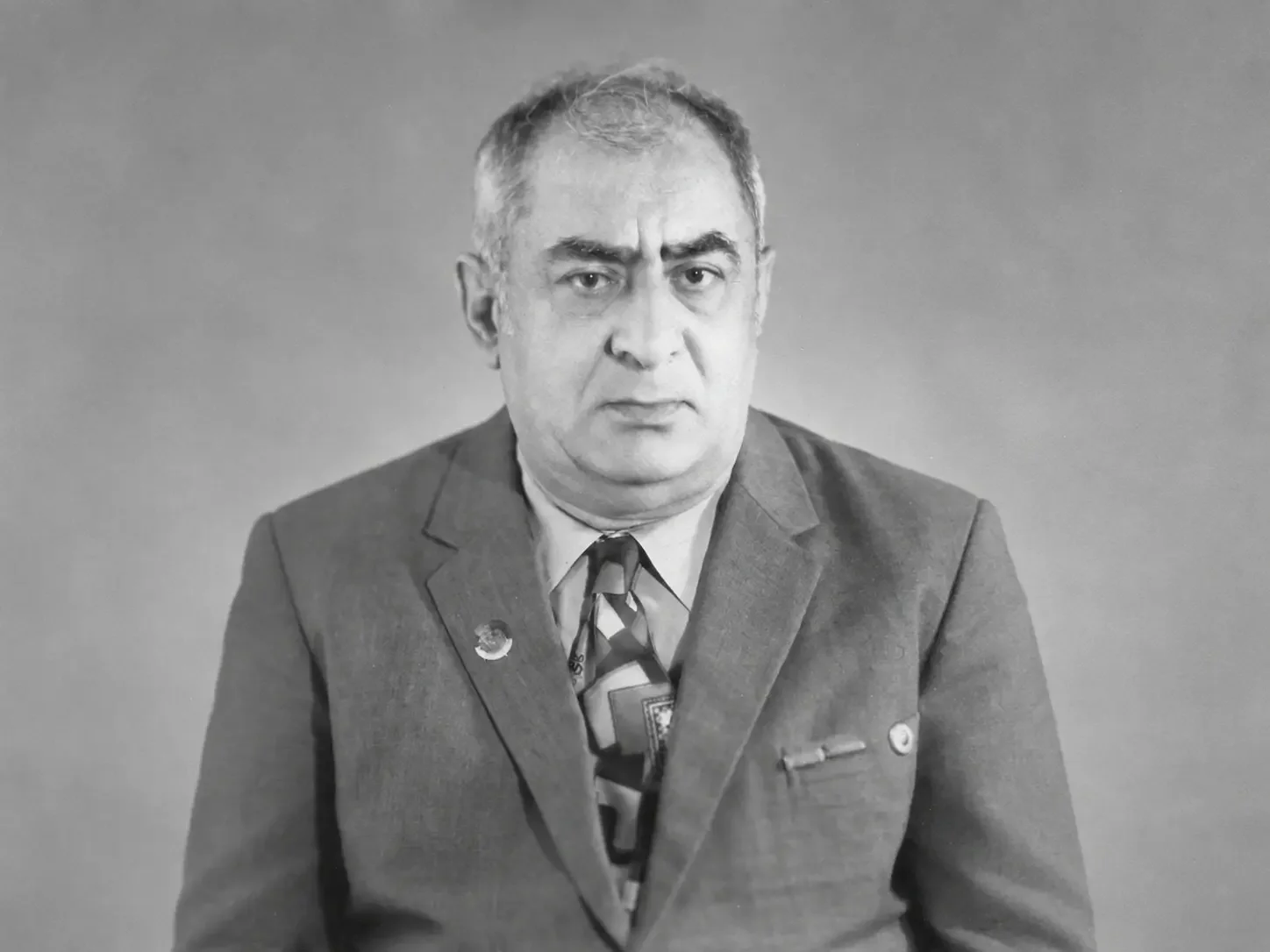
Tigran Gorgiev
Tigran Borisovich Gorgiev was a Soviet Armenian chess composer, physician, and influential figure in endgame-study composition. This profile examines his Kizlyar origins, medical career, creative principles, international composition titles, and lasting place in the Soviet study tradition, where practical clarity and artistic paradox often met.
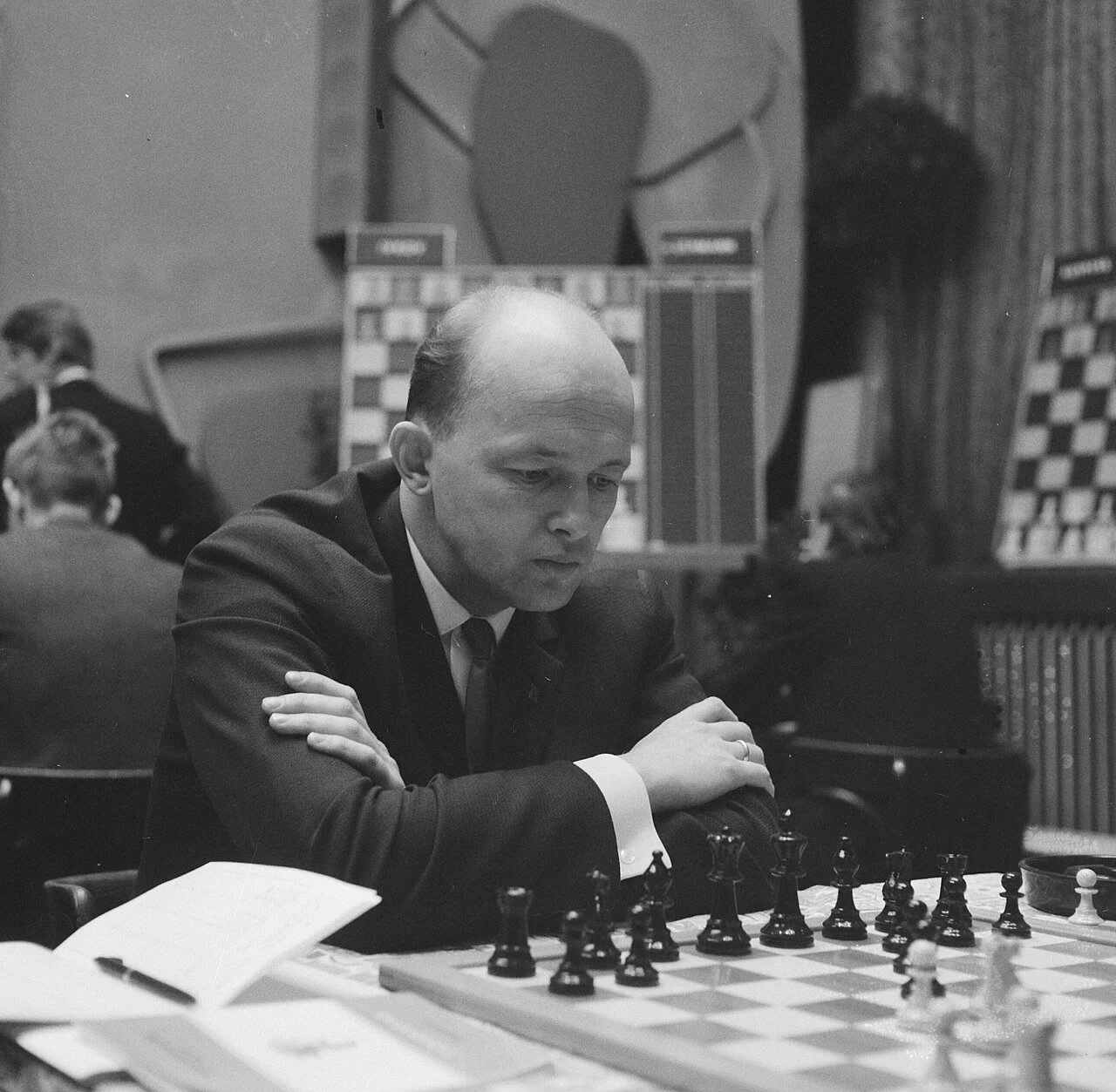
Iivo Nei
Iivo Nei was one of Estonia’s leading chess figures during the Soviet era. An eight-time Estonian champion who shared first place with Paul Keres at Beverwijk 1964, he also served as one of Boris Spassky’s seconds during the 1972 World Championship match against Bobby Fischer and later coached generations of Estonian players.
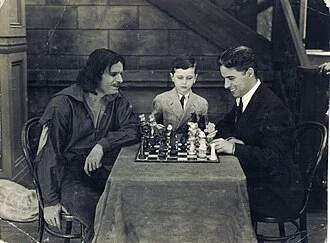
Samuel Reshevsky
Samuel Reshevsky stood outside the Soviet chess system yet became one of its most durable and revealing rivals. This profile traces his prodigy years, American career, battles with Soviet champions, playing style, writings, and lasting place in twentieth-century chess history.