Chess to the Masses (Шахматы — в массы!)
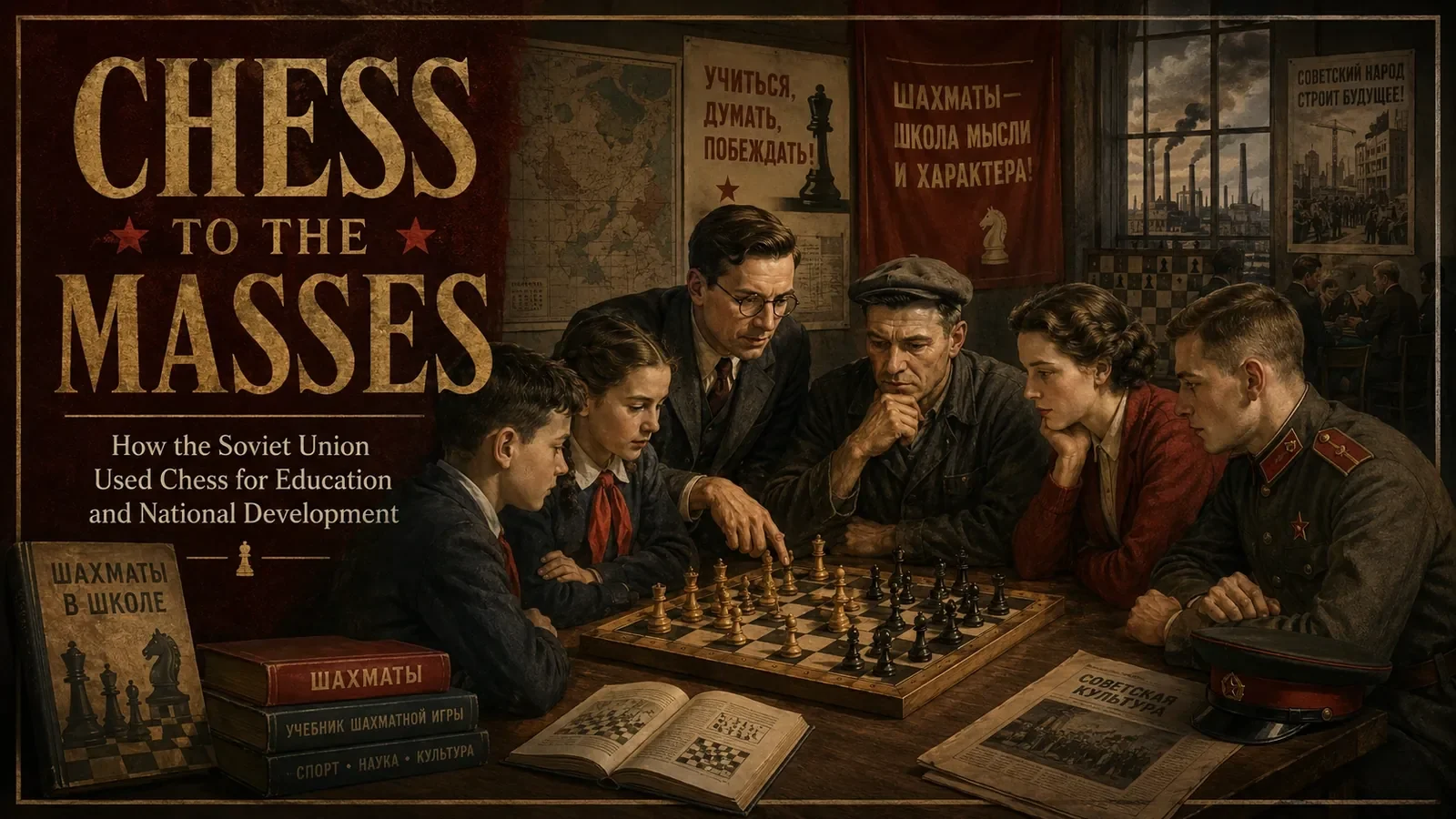
In the early Soviet imagination, chess was never just a board game. It was a compact school of discipline, calculation, self-control, and public culture. A wooden board, a cheap set of pieces, a table in a workers’ club, and a few hours of instruction could turn leisure into training. That was the promise behind the phrase “Chess to the masses.” It was a cultural program, an educational tool, and eventually one of the most successful talent-development systems in modern sport.
The Soviet chess project began in difficult circumstances. War, revolution, civil conflict, poverty, and emigration had damaged the older chess culture of imperial Russia. Many pre-revolutionary chess societies dissolved, and the surviving players often met in private apartments under harsh conditions. One later recollection described players continuing by candlelight or even by the light of matches in rooms cold enough to fall below freezing. Yet this scarcity also changed the social meaning of chess. If the old chess world had belonged largely to private circles, cafes, journals, and educated enthusiasts, the new Soviet version would be tied to public institutions.
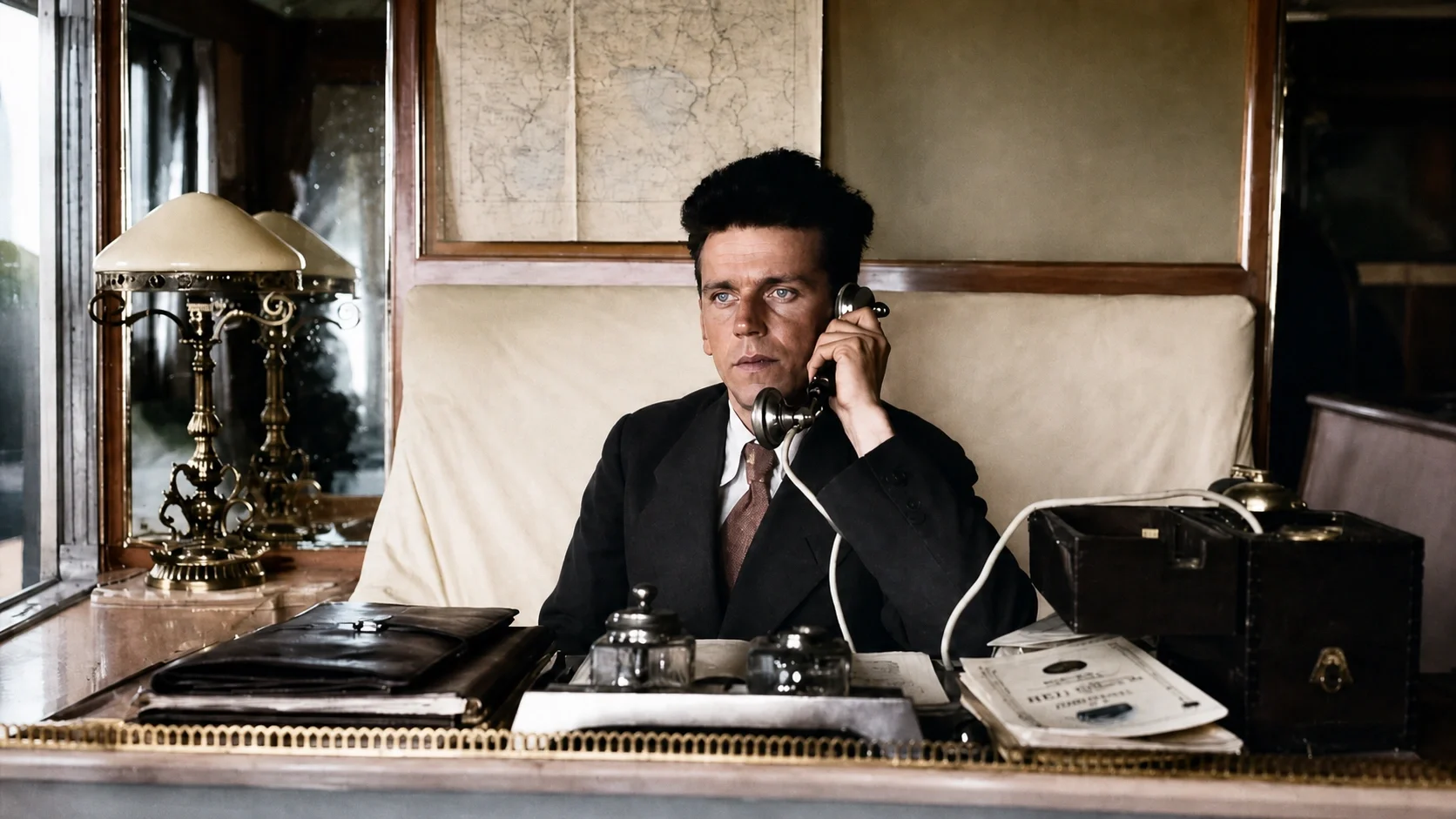
Alexander Ilyin-Zhenevsky
The first major step came through Vsevobuch, the Soviet system of universal military training. In 1920, Alexander Ilyin-Zhenevsky, a revolutionary, chess master, and organizer, helped bring chess into the orbit of state physical and cultural education. The All-Russian Chess Olympiad of 1920, held in Moscow, became the first major Soviet chess event and was later recognized as the first Soviet championship. Its organization was primitive by later standards, yet it gave the new regime a model: chess could be catalogued, administered, taught, and connected to a national network.
The larger transformation came through workers’ clubs, trade unions, schools, military clubs, student clubs, dormitories, and village reading rooms. The goal was to move chess out of exclusive societies and into the daily spaces of Soviet life. The revised statute of the Petrograd Chess Assembly in 1921 made the spread of chess among broad layers of the population its first task, opened membership to any citizen who paid dues, and allowed non-members to attend as guests. This was a small institutional change with a large symbolic meaning. Chess was being recast as a public cultural activity.
By 1923, the First Congress of the All-Russian Chess Union included representatives from 27 cities, including Moscow, Petrograd, Odessa, Kharkov, and others. Its membership was still small, about 1,159 members, yet the direction had changed. Delegates spoke of bringing chess into the working and peasant population, supporting provincial chess life, and weakening the older urban elitism of the game. That congress did not create the mature Soviet chess system, but it marked the point at which chess organization became a question of national policy.
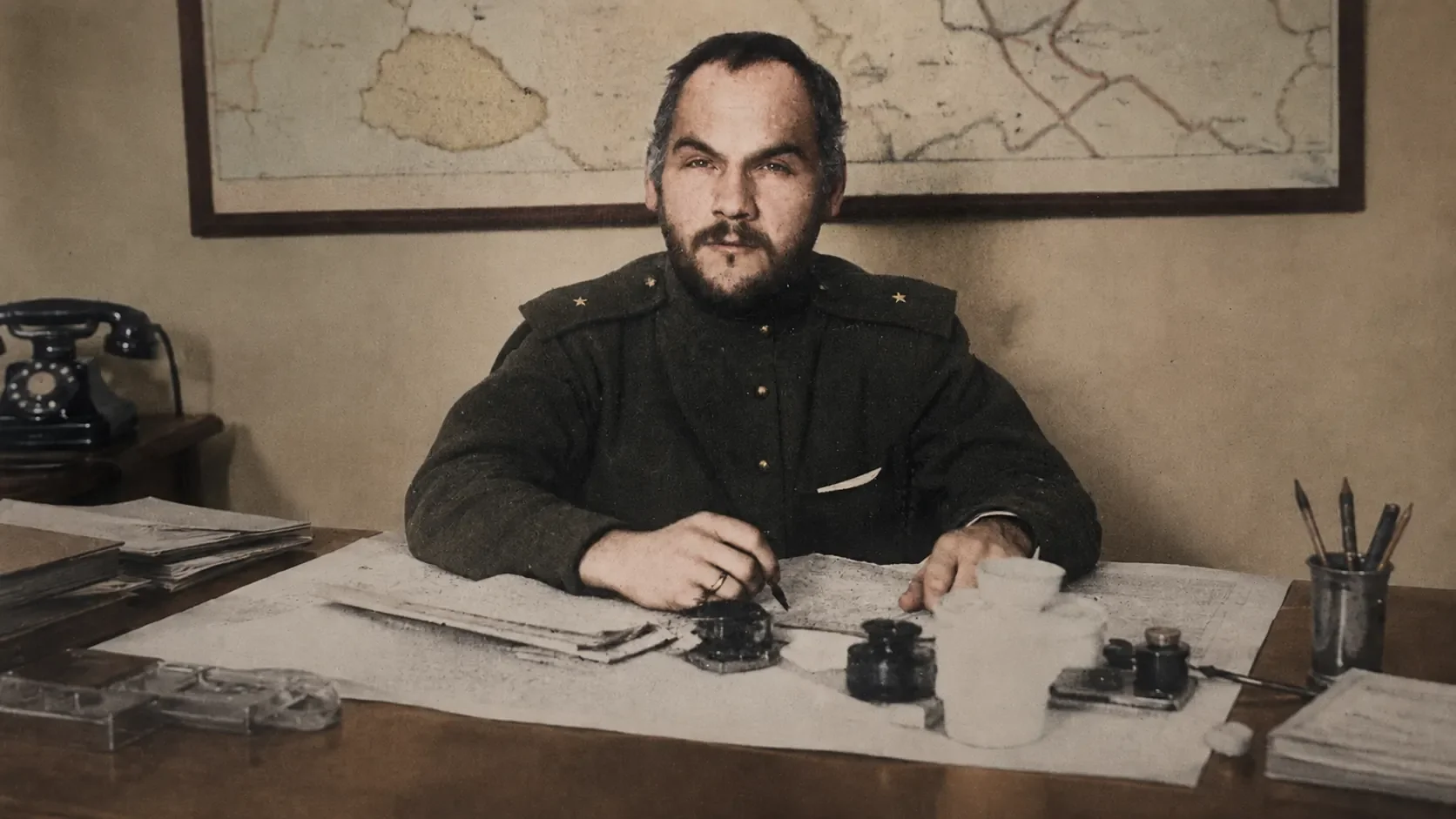
Nikolai Krylenko
Nikolai Krylenko became the decisive political figure in this process. A high-ranking Soviet official and later chairman of the chess and checkers movement, Krylenko believed chess should serve cultural and political education. Under his influence, the 1924 All-Union Chess and Checkers Congress created a more centralized system under the Supreme Council of Physical Culture. The congress recognized a central chess section as the body responsible for uniting chess and checkers circles and coordinating work through trade-union channels.
The slogans of the period reveal the ambition clearly: “Chess is a mighty instrument of intellectual culture,” “Chess is an instrument of politics,” and “Make way for chess in the working environment.” These phrases sound severe today, yet they show why the Soviet state invested in the game. Chess was portable, inexpensive, intellectually prestigious, and accessible across age and physical ability. It could be taught in a factory club as easily as in a schoolroom. It gave the state a way to speak about discipline, planning, rationality, and collective advancement through a game already associated with high culture.
The magazine 64 became one of the movement’s most important organs. The Russian National Electronic Library records 64. Chess and Checkers to the Masses as a popular chess and checkers journal published in Moscow from 1924 to 1935, with changing subtitles that reflected the movement’s institutional homes: physical culture councils, workers’ clubs, trade-union structures, and later the mass chess and checkers campaign. The periodical record itself is evidence of chess becoming an organized print culture, a channel for instruction, tournament news, ideology, and practical education.
The practical methods were direct. Masters gave public lectures. Simultaneous exhibitions were offered free of charge. Chess sections appeared in factories and enterprises. Organizers visited workplaces, barracks, and villages. The 1924 congress even insisted that chess promotion should reach audiences through “living people,” meaning lecturers, instructors, agitators, and traveling organizers, rather than only through printed material. Cinema was also proposed as a vehicle for chess promotion.
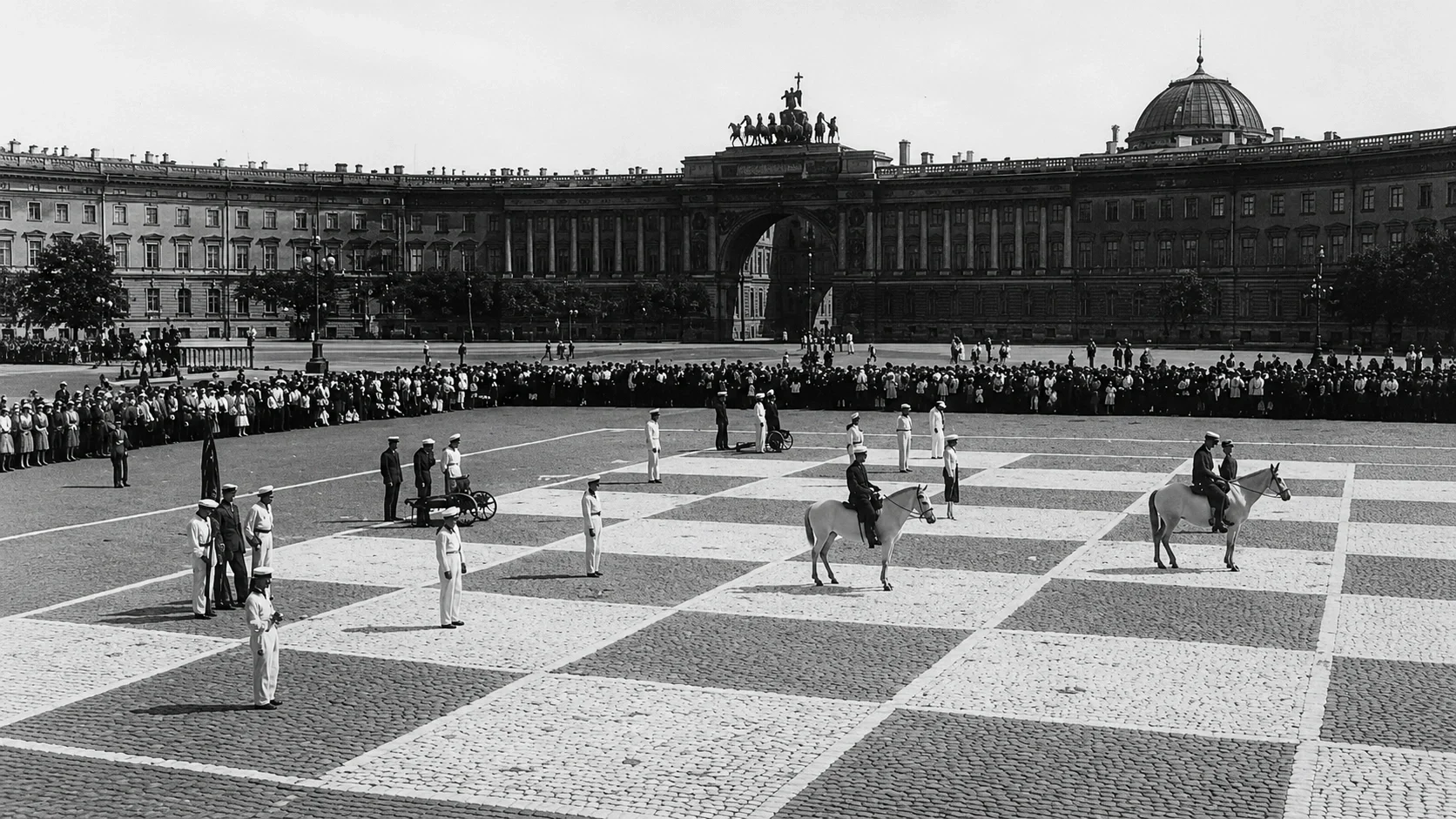
Leningrad 1924
This explains the famous spectacle of “living chess.” In July 1924, Leningrad’s Palace Square was turned into a giant chessboard for a public game between Pyotr Romanovsky and Ilya Rabinovich, with military personnel serving as living pieces. The event has often been treated as a curiosity, and it was certainly theatrical. Its deeper meaning lies in its public form. Chess was staged as mass culture, visible, disciplined, and collective. It turned an intellectual contest into civic performance.
The Soviet use of chess also belonged to a wider educational world. The 1920s were years of literacy campaigns, workers’ clubs, cultural circles, and political instruction. In that setting, chess fit naturally. It taught rules, memory, concentration, patience, and abstraction. It rewarded study over birth, routine over improvisation, and disciplined thought over casual amusement. A citizen learning chess in a club was also learning how to sit inside an organized system, accept instruction, compete under rules, and interpret achievement as a social good.
Youth became especially important. The 1924 organizational resolution placed chess and checkers circles in workers’ clubs, military clubs, student clubs, enterprises, institutions, schools, workers’ dormitories, and reading huts. The same account notes that minors had earlier been excluded from many chess circles, while Soviet policy opened the game to schoolchildren. That decision helped create the conditions for later Soviet excellence, because talent could be found early and trained within a broader public network.
Women were also drawn into the campaign, although slowly and unevenly. Organizers created lectures and closed competitions for women, and the first Leningrad women’s championship in 1925 had only six participants. The early numbers were modest, and skepticism remained within the chess community. Still, the inclusion of women reflected the broader Soviet claim that chess could help build a new intellectual public.
The Red Army also became part of the chess network. The 1924 congress and later organizational work extended chess into military clubs and district political administrations. That same year saw the first Red Army championship, and chess entered military sports programs. In this setting, the appeal was obvious. Chess looked like a peaceful form of strategic training: calculation, foresight, patience, and command under pressure.
By the mid-1920s, the Soviet state had begun building the ladder between mass participation and elite achievement. The title “Master of the USSR” was created in 1925, and the Soviet grandmaster title followed in 1927. Boris Verlinsky became the first Soviet grandmaster in 1929. This title structure helped turn chess from a pastime into a profession-like hierarchy, where study, tournament performance, publication, and institutional recognition all reinforced one another.
Alexander Kotov, co-author of The Soviet School of Chess (Советская шахматная школа)
The later Soviet “school of chess” grew from this mixture of mass access and elite discipline. Soviet writers such as Alexander Kotov and Mikhail Yudovich later presented Soviet chess as a coherent tradition in The Soviet School of Chess, first published in English in 1961. That book is valuable, although it must be read carefully because it reflects the political language of its time. Even so, its table of contents shows the canon Soviet authors wished to construct: Chigorin and Alekhine as historical foundations, Botvinnik as the central modern figure, and a long line of Soviet masters as heirs to a national method.
The system’s results were extraordinary. Historian Seth Bernstein argues that a generation of young players emerging from Soviet state-run programs in the 1930s became the foundation of postwar dominance. These players and their students held the world chess title for nearly the entire second half of the twentieth century, interrupted only briefly after Bobby Fischer defeated Boris Spassky in 1972. Soviet journalists later framed this dominance as proof of a distinctive Soviet school, a style and training culture that supposedly expressed the intellectual strength of socialism.
Yet the Soviet chess project also carried real contradictions. Krylenko’s own language made clear that chess was expected to serve politics. In a 1931 speech, he insisted that chess and checkers should be brought into the working masses as a weapon of cultural revolution and filled with political content. He rejected the idea of chess as “art for art’s sake” and argued that a working-class movement had to be political.
This gave Soviet chess its double character. It democratized access to a high intellectual game, created institutions for children and workers, built a reading and training culture, and discovered talent on a scale no earlier chess culture had achieved. It also placed chess inside a state project that demanded ideological usefulness. Players gained opportunities, stipends, coaches, publications, travel, and prestige. They also entered a system that expected loyalty, public discipline, and symbolic service.
That tension should not be flattened. “Chess to the masses” was neither a simple success story nor a simple case of state messaging. It was an educational machine, a cultural movement, a recruitment system, and a form of national self-fashioning. The Soviet Union used chess to teach citizens how to think in structured ways, to identify promising minds, and to make intellectual achievement visible as a public value.
Its legacy remains visible wherever chess is taught through clubs, schools, youth programs, annotated games, training camps, and public competitions. The Soviet achievement was not only that it produced champions. It built a culture in which a champion could emerge from a mass base, a village club, a Palace of Pioneers, a factory team, a school tournament, or a newspaper column. That was the force of the slogan. Chess was brought to the masses, and from the masses came one of the most formidable chess cultures in history.
