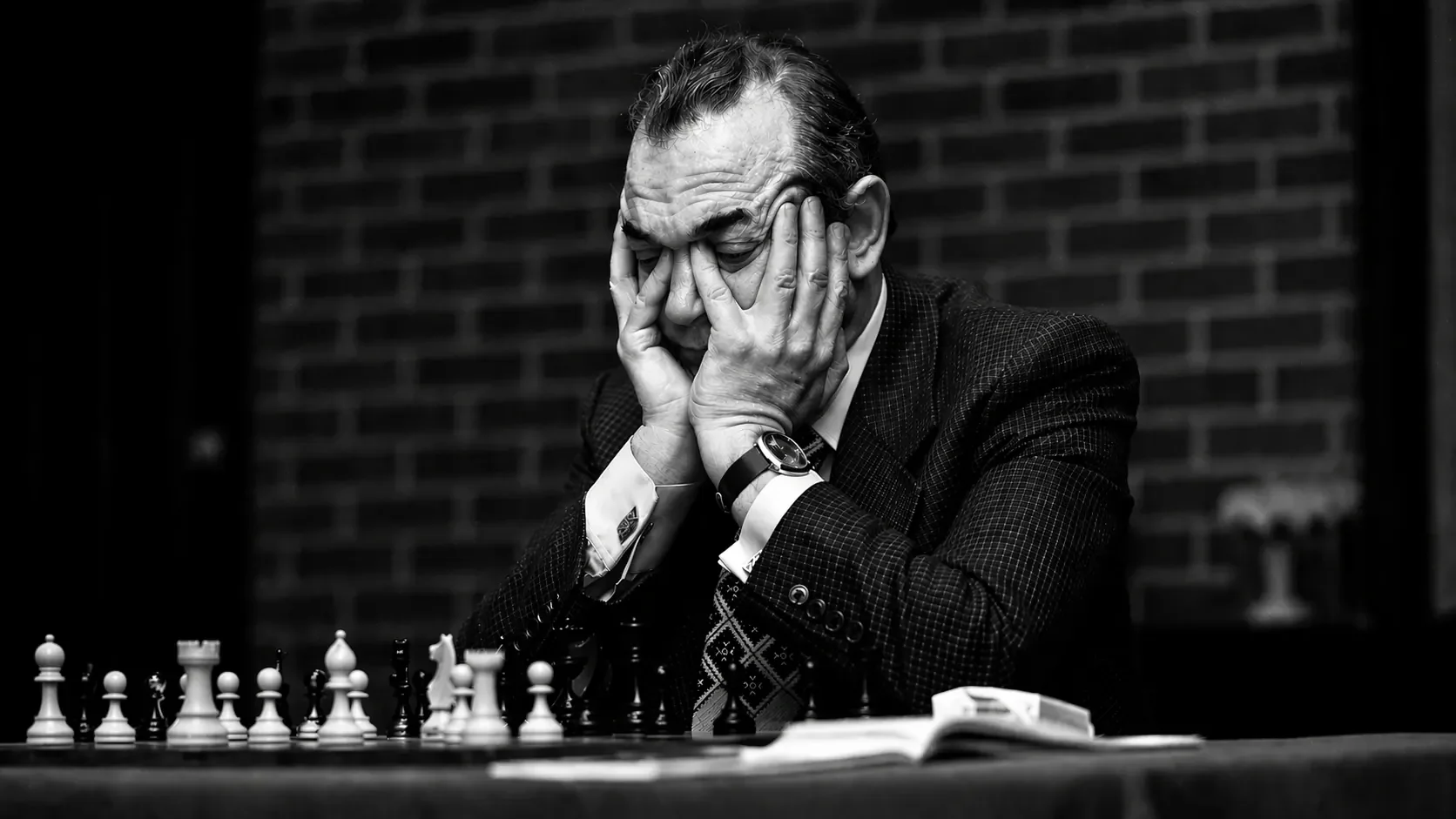
How the Early Soviet State Turned Chess Into a Tool
A look inside the origins of Soviet chess culture. These articles trace how early USSR institutions and political leaders transformed chess into a tool for education, discipline, and national development, setting the foundation for decades of dominance in world chess.
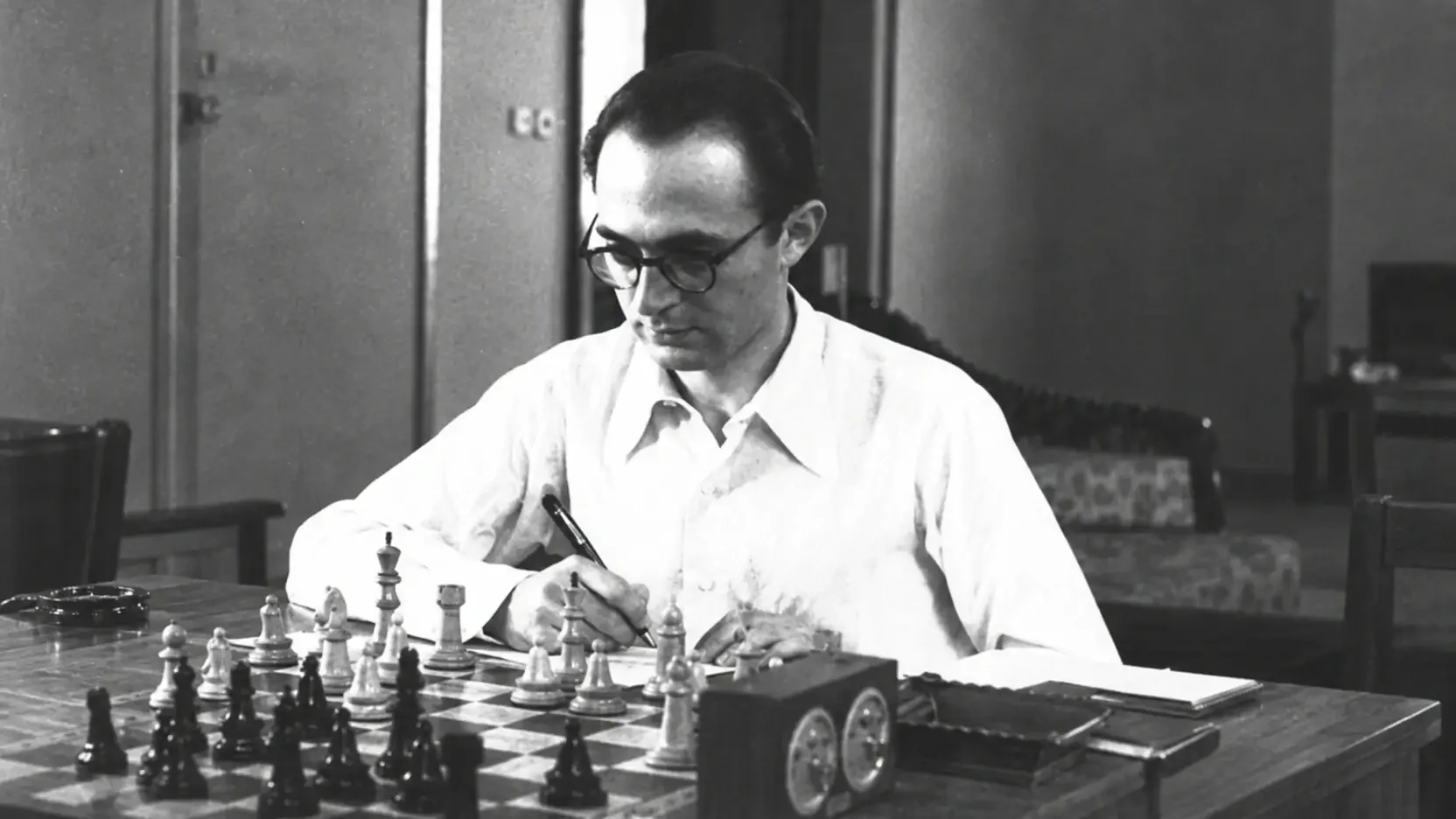
Isaac Lipnitsky
Isaac Lipnitsky was a two-time Ukrainian champion, joint runner-up in the 1950 Soviet Championship, and an influential Soviet chess theorist. This profile examines his life, competitive career, playing style, writings, and lasting place in chess history.
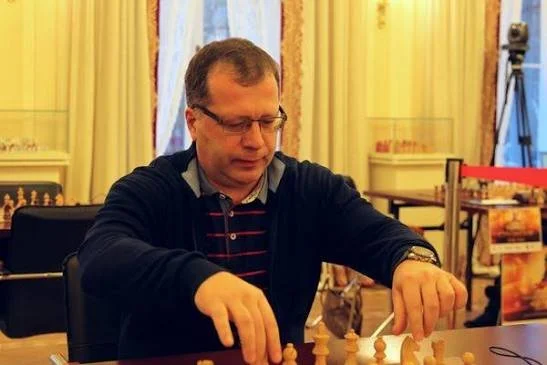
Alexey Dreev
Alexey Dreev emerged from the final generation of Soviet chess prodigies to become a three-time Olympiad champion, world championship quarterfinalist, respected theoretician, and elite trainer. This profile examines his development, competitive career, playing style, books, coaching work, and enduring legacy.
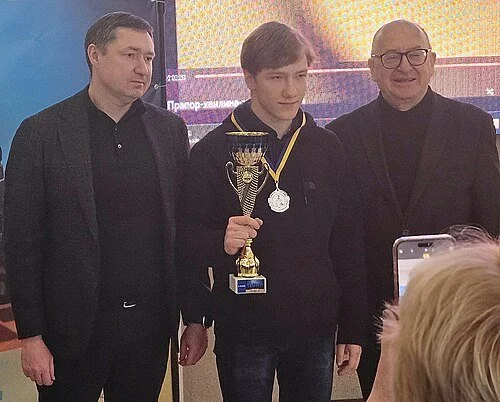
Adrian Mikhalchishin
Adrian Bohdanovych Mikhalchishin rose from the Soviet chess school to become a grandmaster, chess author, and FIDE Senior Trainer with an international coaching career.
Andrei Sokolov
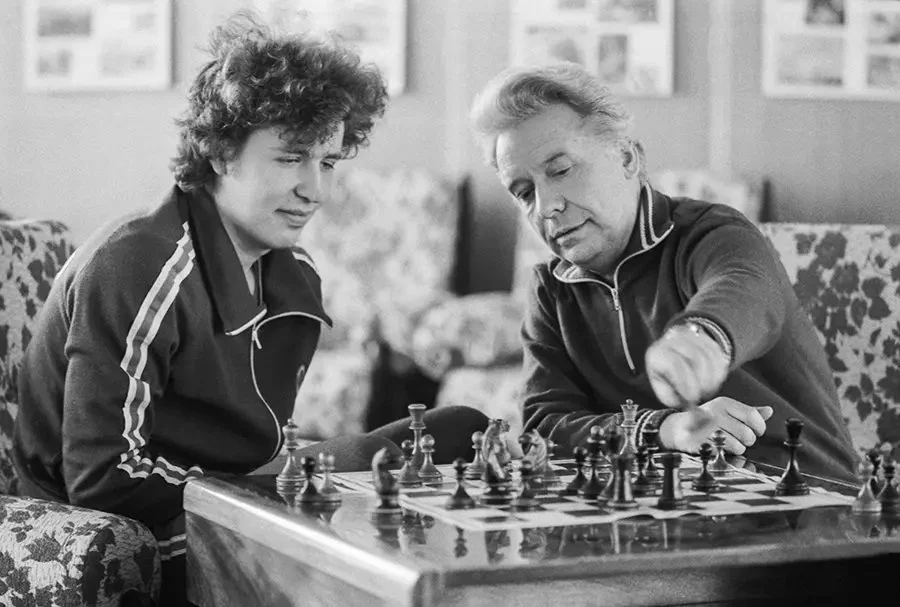
Andrei Sokolov won the 1984 USSR Championship undefeated and reached the 1987 Candidates final, placing him among the strongest players of the final Soviet generation.


Leonid Yudasin
Leonid Yudasin emerged from Leningrad’s celebrated chess culture to become a leading grandmaster of the late Soviet era. He shared first place in the 1990 USSR Championship, twice competed in the World Championship Candidates, and later represented Israel while building a respected career as a player and coach.
Sergei Dolmatov
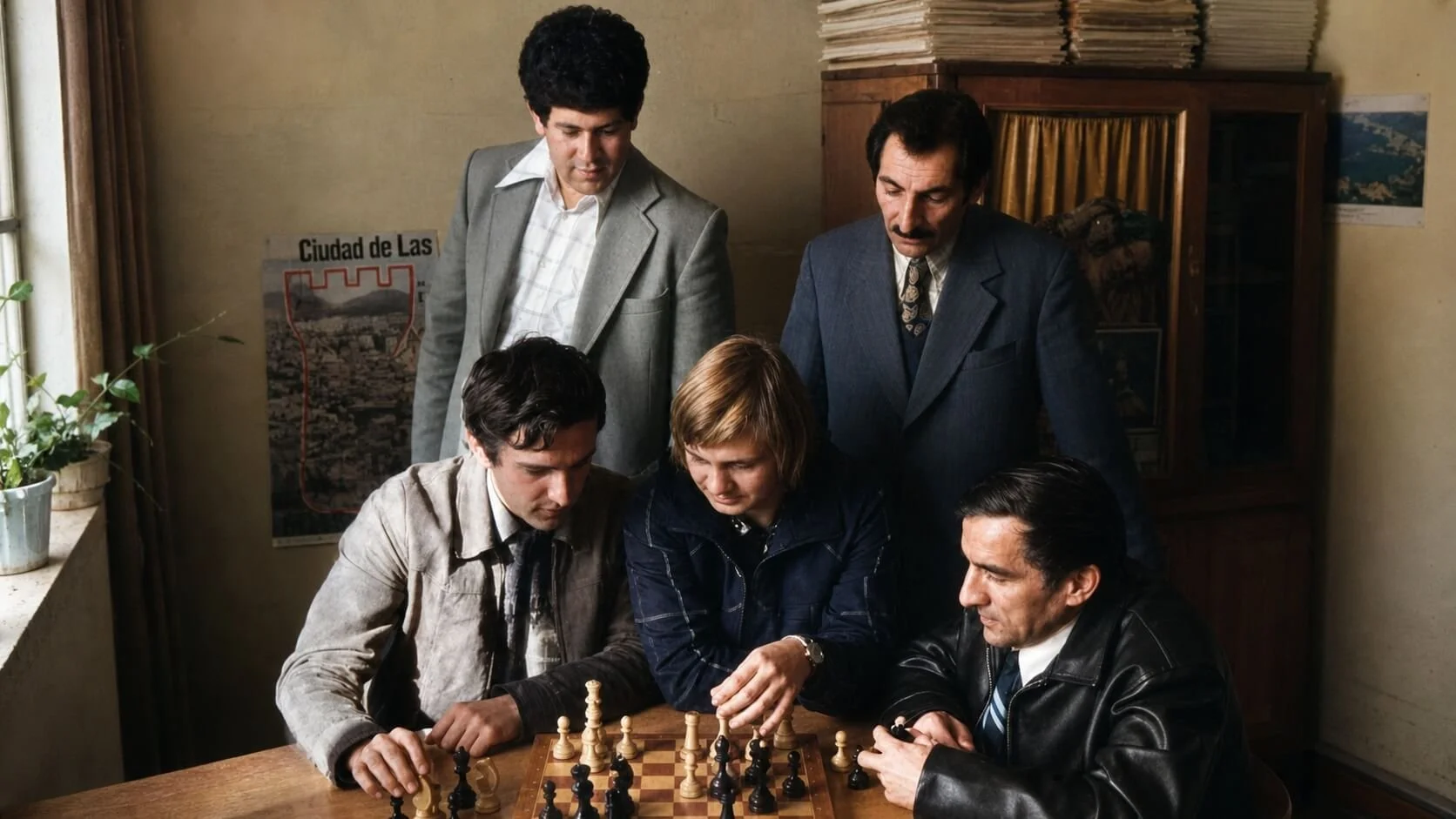
Sergei Dolmatov rose from a Siberian mining town to become World Junior Champion, a World Championship candidate, and an Olympiad gold medallist. A leading student of Mark Dvoretsky, he later worked with Garry Kasparov and Vladimir Kramnik while training a new generation of Russian chess players.
Evgeni Sveshnikov
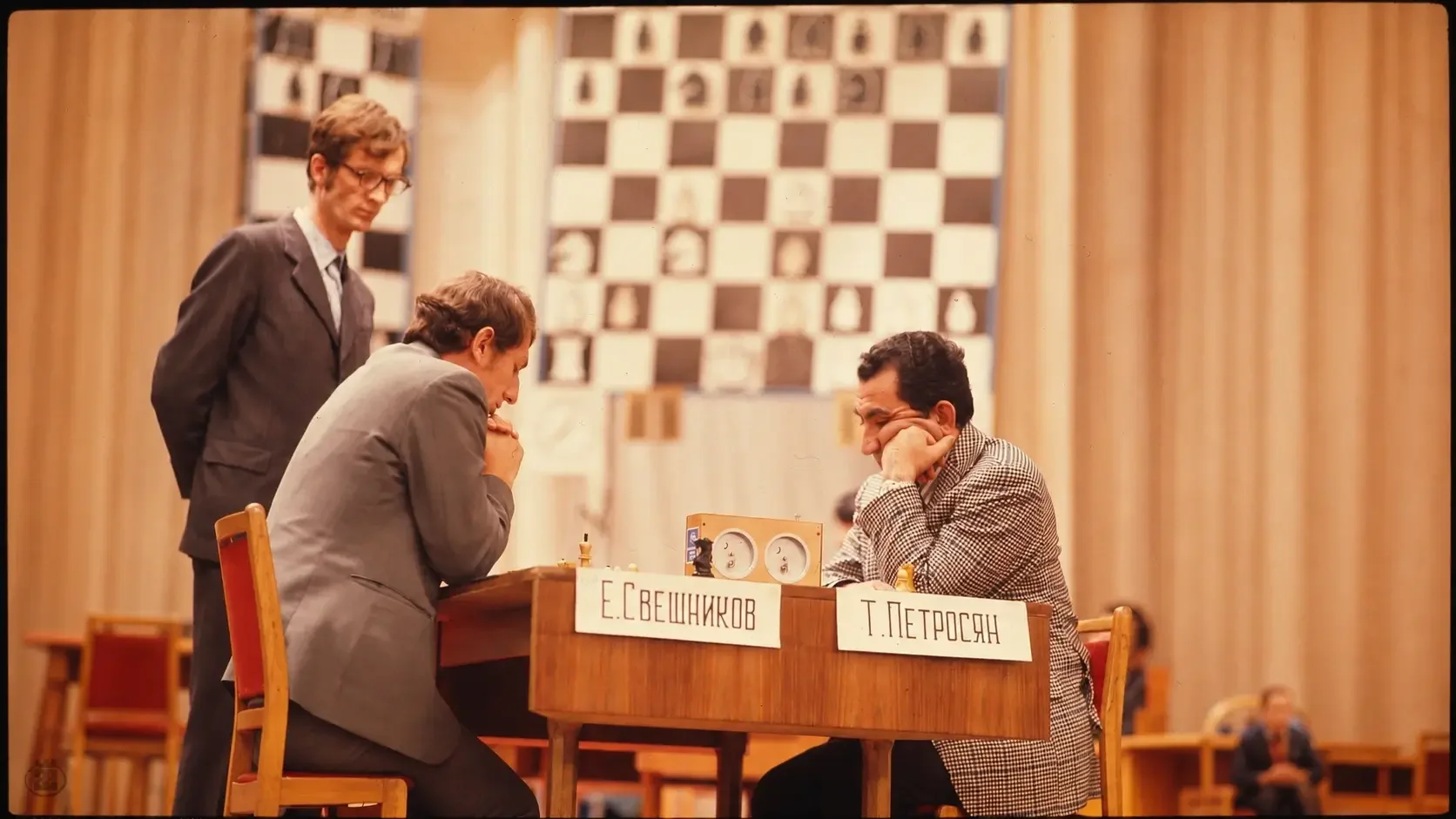
Evgeni Sveshnikov was a Soviet grandmaster, influential chess theoretician, trainer, author, and world senior champion. This profile examines his Chelyabinsk upbringing, tournament career, collaboration with Gennadi Timoshchenko, years representing Latvia, and lasting influence on the Sicilian Defense.
Gennadi Kuzmin
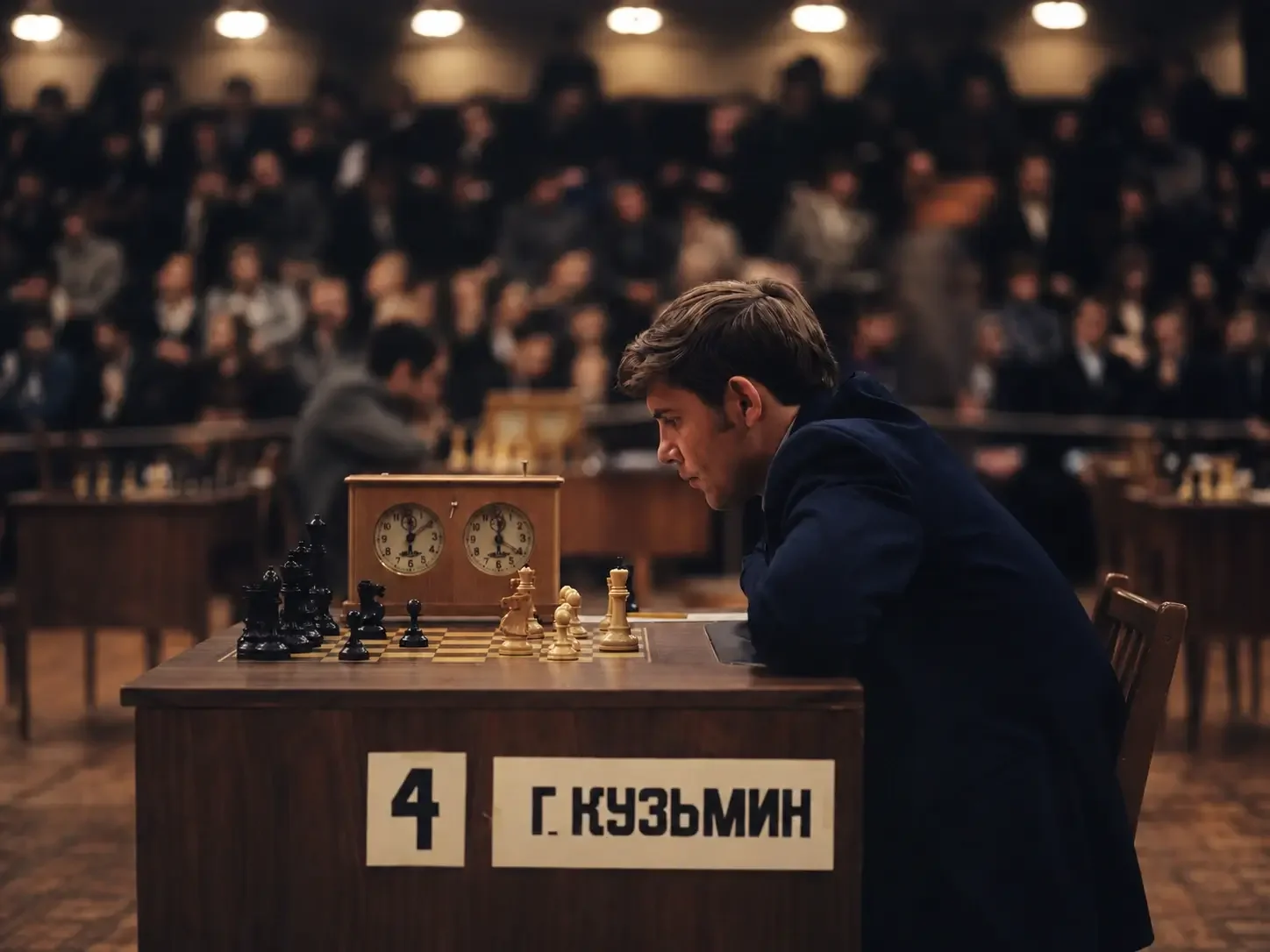
Gennadi Kuzmin rose from Voroshilovgrad’s regional chess culture to the world top 15, two Interzonals, and the Soviet Olympiad team. He later became an influential trainer, working with Maia Chiburdanidze, Ruslan Ponomariov, and generations of Ukrainian players.
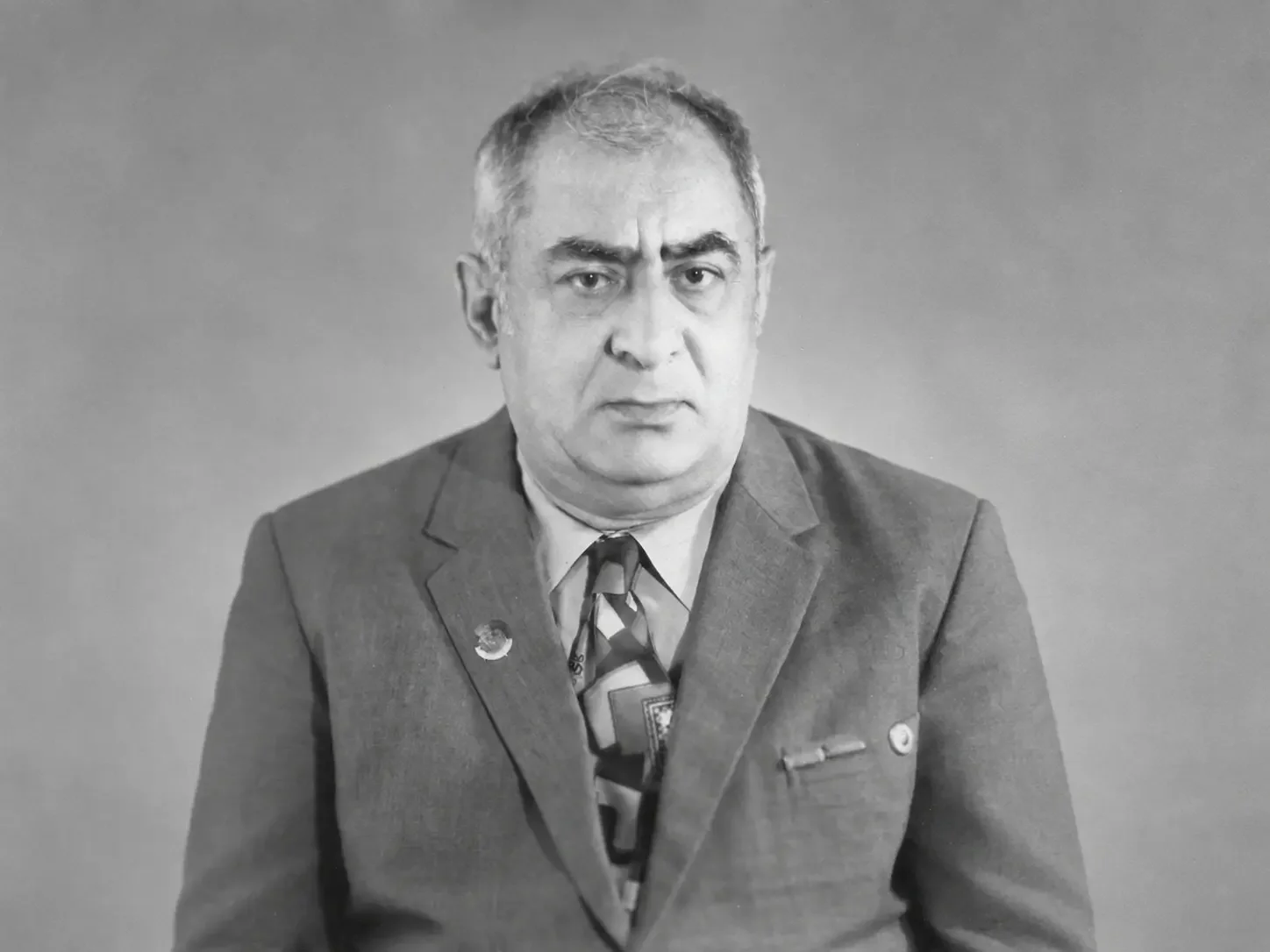
Tigran Gorgiev
Tigran Borisovich Gorgiev was a Soviet Armenian chess composer, physician, and influential figure in endgame-study composition. This profile examines his Kizlyar origins, medical career, creative principles, international composition titles, and lasting place in the Soviet study tradition, where practical clarity and artistic paradox often met.
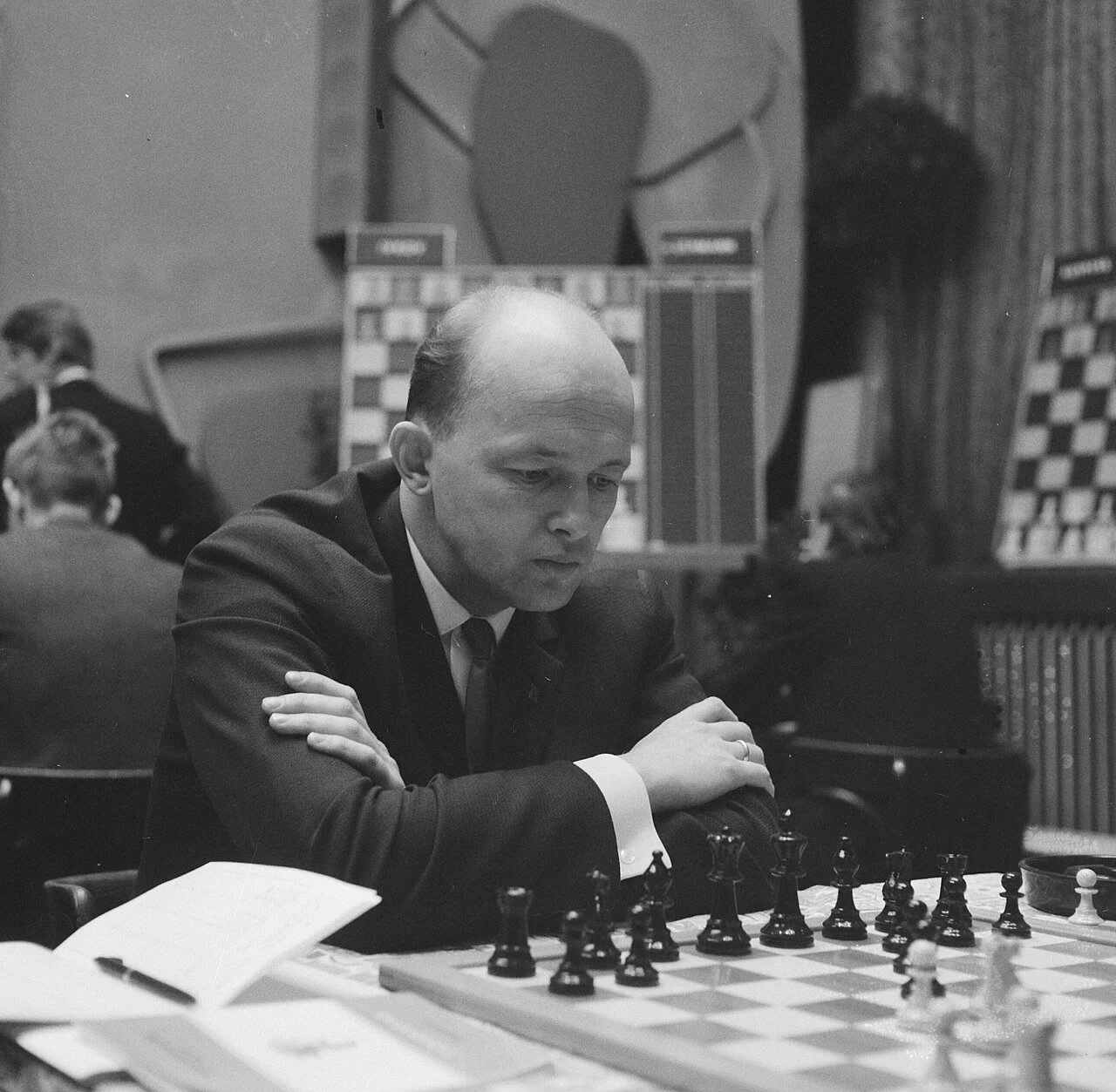
Iivo Nei
Iivo Nei was one of Estonia’s leading chess figures during the Soviet era. An eight-time Estonian champion who shared first place with Paul Keres at Beverwijk 1964, he also served as one of Boris Spassky’s seconds during the 1972 World Championship match against Bobby Fischer and later coached generations of Estonian players.
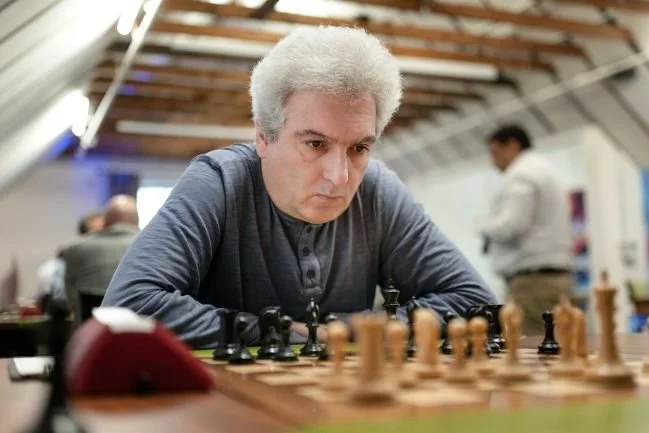
Vladimir Akopian
Vladimir Akopian emerged from the final generation of Soviet chess training and became one of the defining players of independent Armenia. A 1999 FIDE World Championship finalist and three-time Olympiad team champion, he built a career distinguished by positional discipline, rigorous preparation, coaching, and chess composition.
Valery Chekhov
Valery Chekhov rose to prominence by winning the 1975 World Junior Chess Championship before building a respected career as a Soviet grandmaster, team player, analyst, author, and educator. The first major pupil of Mark Dvoretsky, Chekhov later assisted Garry Kasparov and helped transform Soviet training experience into structured programs for a new generation of players.
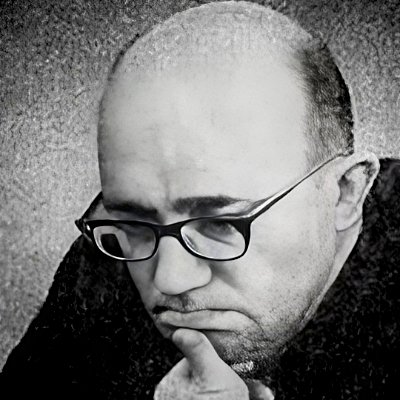
Vladimir Antoshin
Vladimir Antoshin was a Soviet grandmaster, theoretician, and influential national-team coach. A winner at Baku, Ulaanbaatar, and Zinnowitz, he also developed important opening systems and served as senior coach of the Soviet men’s team from 1971 to 1981.
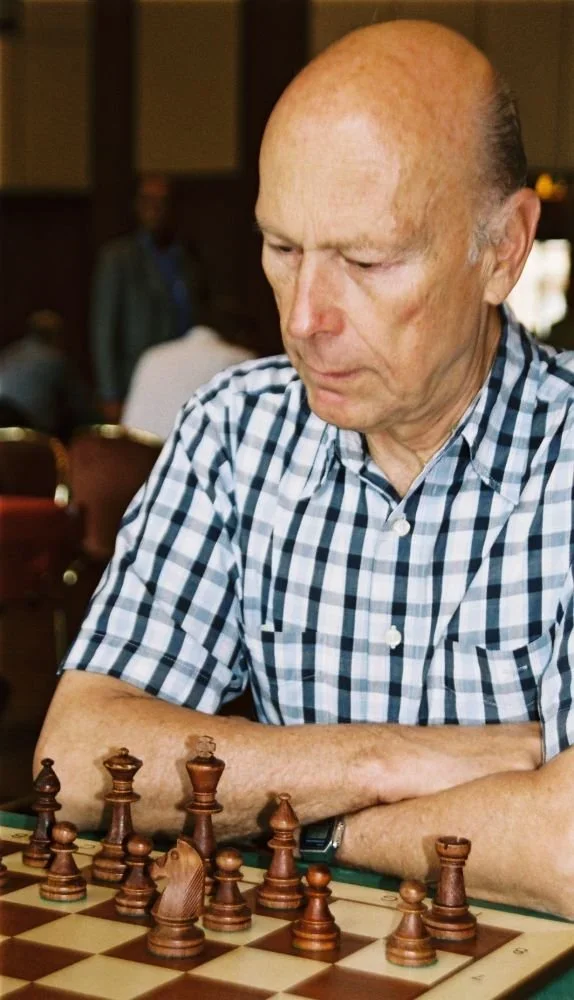
Jānis Klovāns
Jānis Klovāns was Latvia’s record nine-time chess champion, a three-time World Senior Champion, FIDE and correspondence grandmaster, and influential Riga coach. Explore his Soviet career, late international success, analytical work, and enduring place in Latvian chess history.
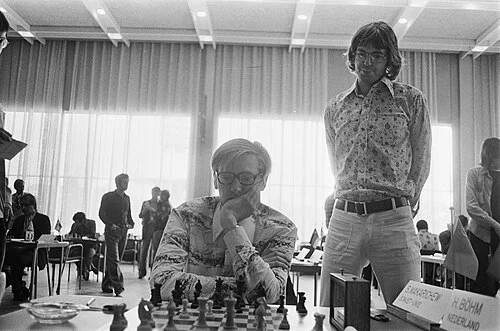
Sergei Yuryevich Makarichev
This profile examines Sergei Makarichev’s European junior title, four USSR Championship appearances, work with five Olympiad-winning Soviet and Russian teams, service in the camps of Anatoly Karpov and Garry Kasparov, and lasting contribution to chess culture.
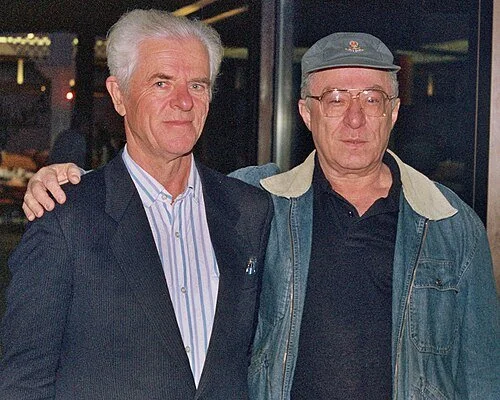
Anatoly Lein
Soviet grandmaster Anatoly Lein built an international career across two chess cultures. This profile follows his rise from Leningrad and the USSR championship system to victories at Cienfuegos and Novi Sad, an Olympiad bronze medal with the United States, and a later legacy shaped by technical mastery, chess writing, and mentorship.
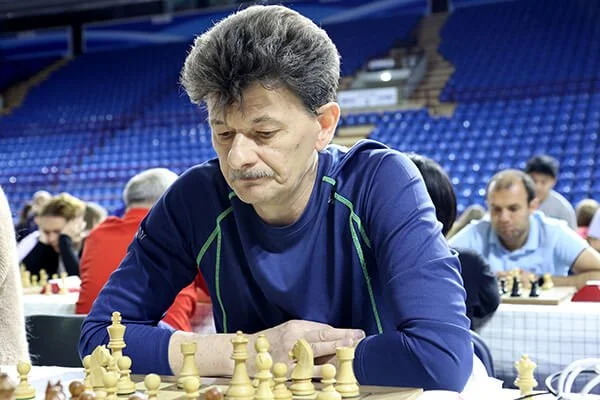
Andrei Kovalev
Belarusian grandmaster Andrei Kovalev emerged from Lev Pak’s Vitebsk chess school to reach the Soviet First League, win the Belarusian championship, and represent his country at Olympiads and European team events. His later career as a trainer and historical contributor extended that legacy across generations.
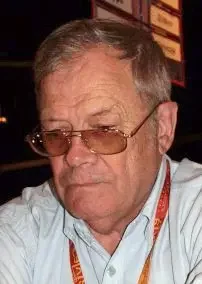
Valery Zhidkov
Valery Zhidkov was the 1967 Ukrainian SSR co-champion, a USSR Championship finalist, an International Master, and one of Ukraine’s most reliable Soviet team players. Explore his competitive career, positional style, coaching work, and influence on later grandmasters, including Dmitry Andreikin and Nikita Afanasiev.
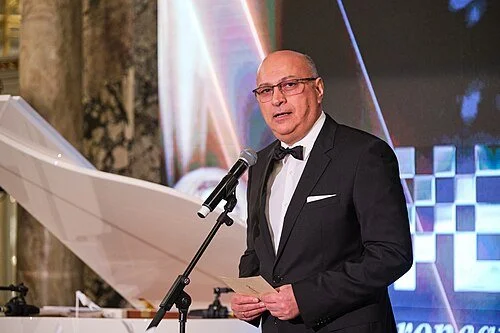
Zurab Azmaiparashvili
Zurab Azmaiparashvili rose from Soviet junior champion to European champion, Georgian Olympiad leader, elite trainer, and international chess administrator. This carefully sourced profile explores his competitive career, playing style, work with Garry Kasparov, and enduring influence on Georgian and European chess.