Artur Yusupov
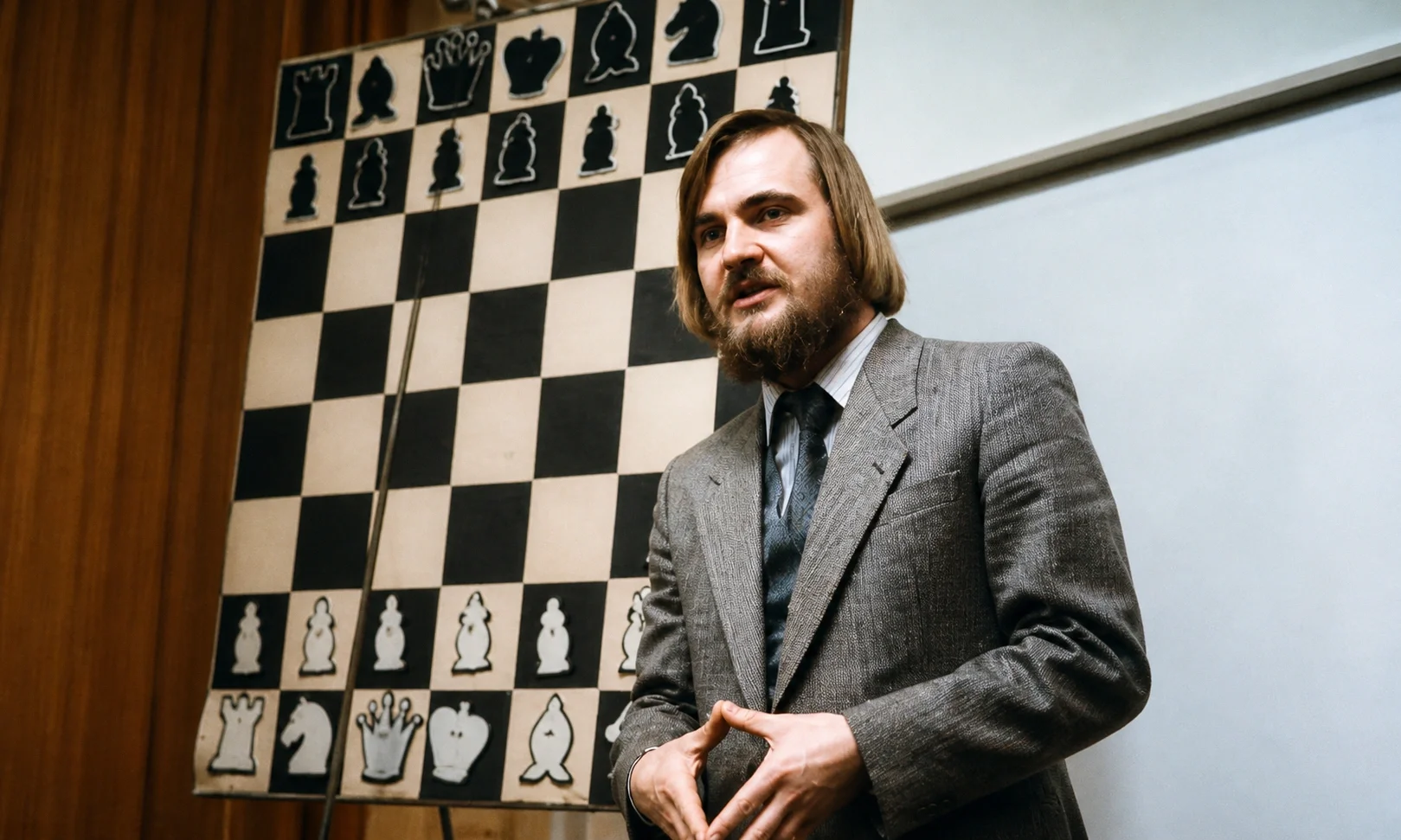
Artur Yusupov (sometimes transliterated "Jussupow") was born on February 13, 1960, in Moscow and began learning chess at age six. He grew up in a period when the Soviet Union invested heavily in chess education, and like many of his generation, he was introduced to the game through the Young Pioneers’ Palace in Moscow. The Soviet master Mark Dvoretsky soon became his mentor. Dvoretsky’s training methods emphasized disciplined study and endgame technique, and Yusupov later said that under Dvoretsky, he learned to work independently and develop a systematic approach to improvement. This formative experience would shape both his playing style and his later career as a trainer.
Yusupov quickly climbed the ranks of Soviet chess. In 1977, he captured the World Junior Championship and was awarded the International Master title. Two years later, he finished second in the 1979 USSR Championship and earned his Grandmaster title in 1980. His tournament victories during this period include Esbjerg 1980, Yerevan 1982, and the Tunis Interzonal 1985, confirming his status as one of the world’s strongest young players.
He qualified for three World Championship cycles. He reached the Candidates’ semifinals in 1986, 1989, and 1992, coming close to challenging for the world title but always falling short against players like Anatoly Karpov and Jan Timman. The Chessmetrics historical ranking lists him as the world’s third‐strongest player for a period in the late 1980s. His peak FIDE rating of 2680 in July 1995 attests to his enduring strength.
Contemporaries have often described Yusupov as a rational, positional player with excellent endgame and opening preparation. Grandmaster and theoretician Alexei Suetin characterized him as a player whose strength lay in “calculating variations, positional understanding and endgame technique”. Although he could attack when the position demanded it, his hallmark was restraint and objectivity. Such a style proved effective in match play and explains his consistent success in qualifying events and team competitions.
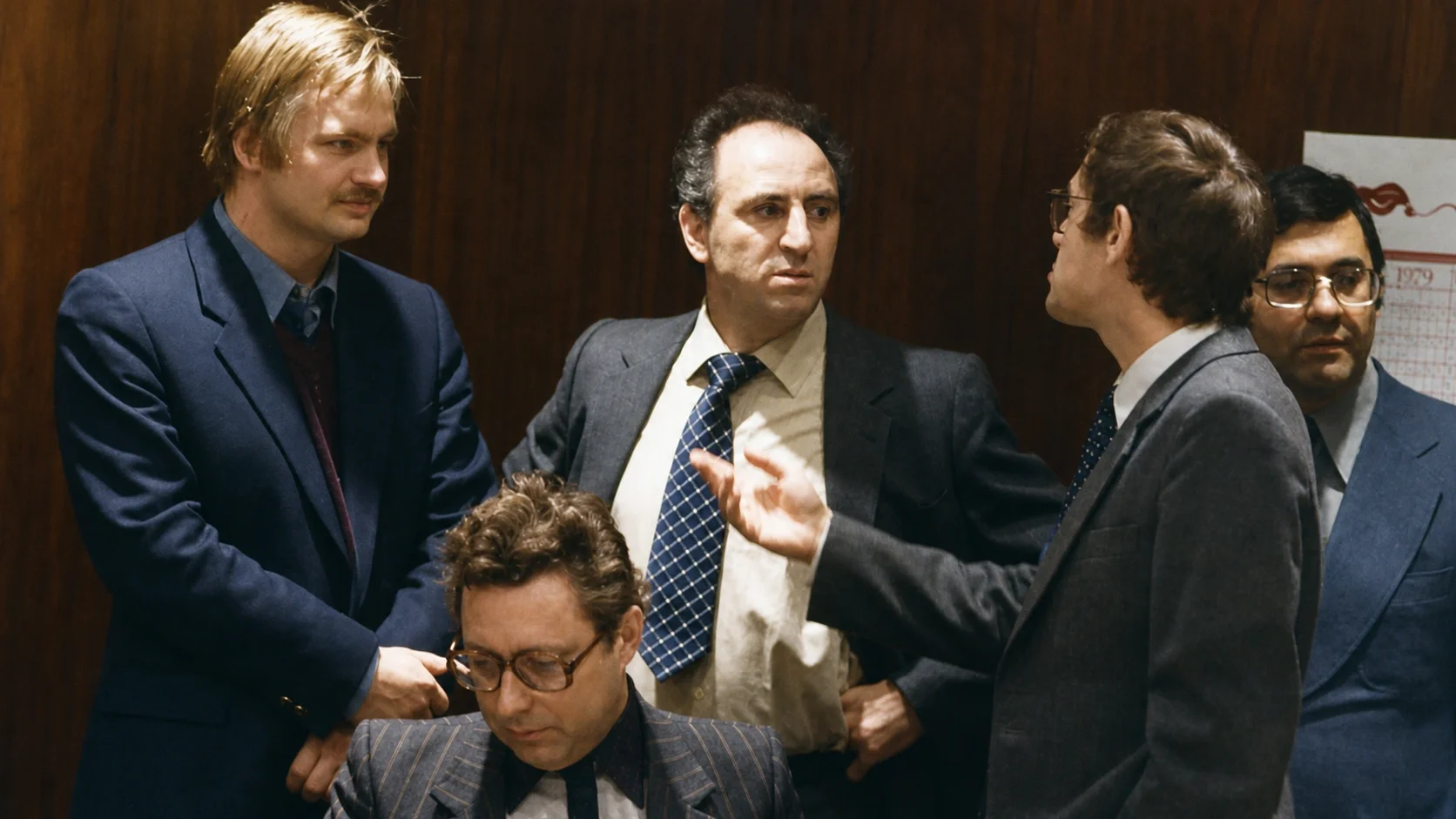
Left to right: Yusupov, Vasiukov, Polugaevsky, Rasuvaev, Bach
In May 1990, Yusupov experienced a traumatic event that changed his life. After returning to his Moscow apartment from a tournament in Munich, he was confronted by burglars. During the robbery, he was shot in the stomach with a shotgun, narrowly surviving. The attack and the subsequent fall of the Soviet Union prompted him to move to Germany in 1992. Adapting quickly to his new country, he soon became one of Germany’s leading players. He tied for first at the Hamburg tournament in 1991 and later shared victories at Amsterdam 1994, Vienna 1997, and other events.
While still an active player, Yusupov increasingly devoted time to teaching. In the early 1990s, he and his former coach, Mark Dvoretsky, established the Dvoretsky–Yusupov Chess School. This school produced a generation of strong grandmasters, including Peter Svidler, Sergei Movsesian, and Vadim Zvjaginsev. The program emphasized structured study, independent analysis, and practical endgame skills—principles Yusupov had absorbed from Dvoretsky. His reputation as an instructor led the World Chess Federation (FIDE) to award him the lifetime title of FIDE Senior Trainer in 2005.
Yusupov’s expertise was valued by world champions. He served as a second (training partner and advisor) for Viswanathan Anand and Peter Leko during their world championship matches. As a second, he contributed opening preparation and strategic insights, drawing on his deep positional understanding.
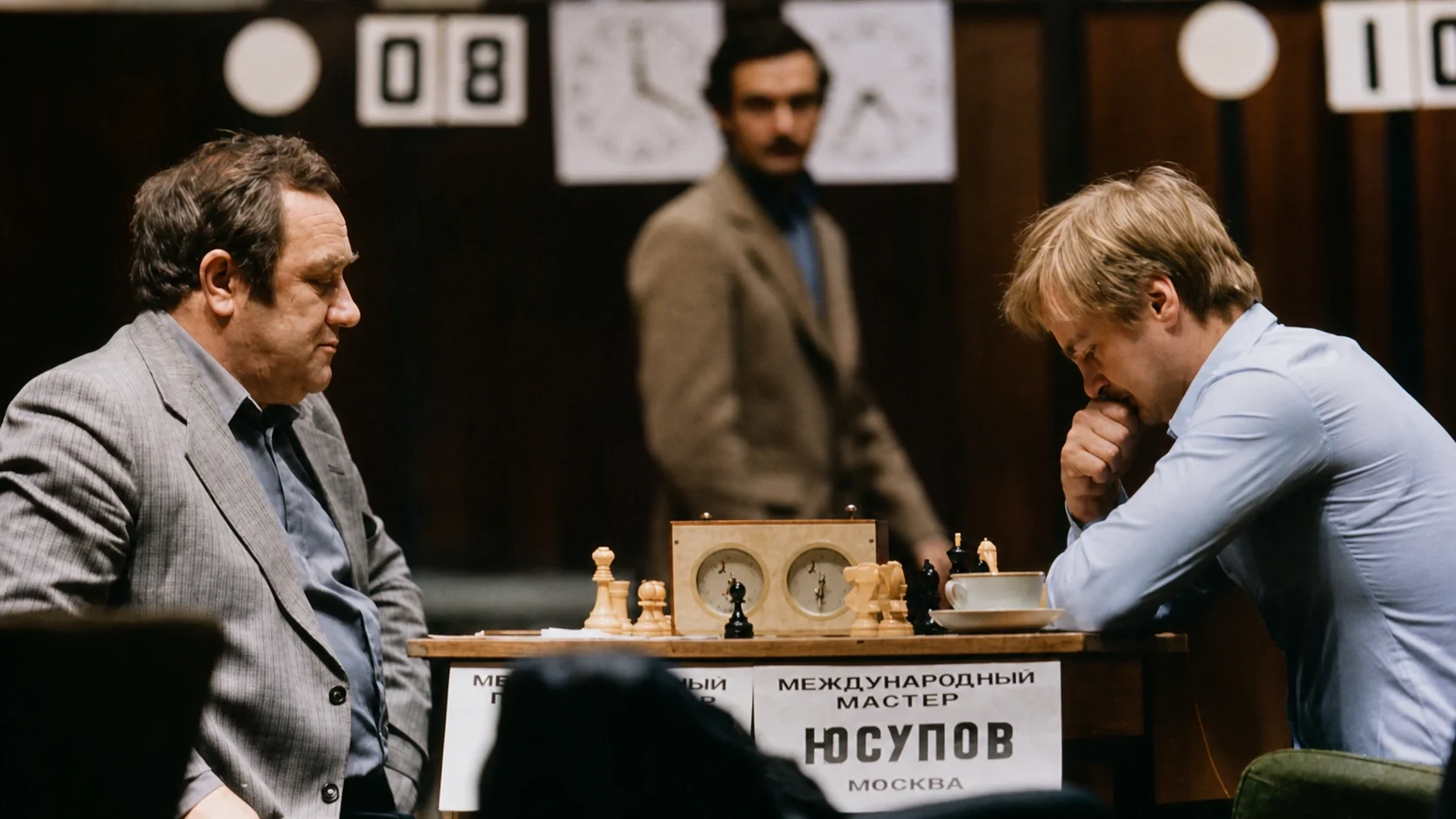
Efim Geller and Artur Yusupov
Yusupov is widely regarded as one of the most important chess trainers and authors of the modern era. Together with Dvoretsky, he co‑authored several theoretical works, notably a book on the Petroff Defense (1999) and another on the Lasker Defense. His most significant contribution, however, is his comprehensive nine‑volume training course published between 2007 and 2012. The series is divided into three stages—“Build Up Your Chess,” “Boost Your Chess,” and “Chess Evolution”—each consisting of three books. Each volume features instructive explanations, carefully chosen model games, exercises, and a final test to evaluate learning. Yusupov designed the course to guide club players from intermediate to master strength, emphasizing disciplined study and progressively more challenging material. The books have been praised by top players and are often recommended as a structured self‑study curriculum.
Yusupov also contributed to the broader chess community as an organizer and judge. He chaired the jury that awarded the 2019 Averbakh–Boleslavsky Award for best chess book, commending Matthew Sadler and Natasha Regan’s “Game Changer”. He acted as a European judge for the FIDE Trainer Awards and partnered with the Sparkassen Chess Trophy to promote women’s chess. These roles underscore his ongoing engagement with chess culture and governance.
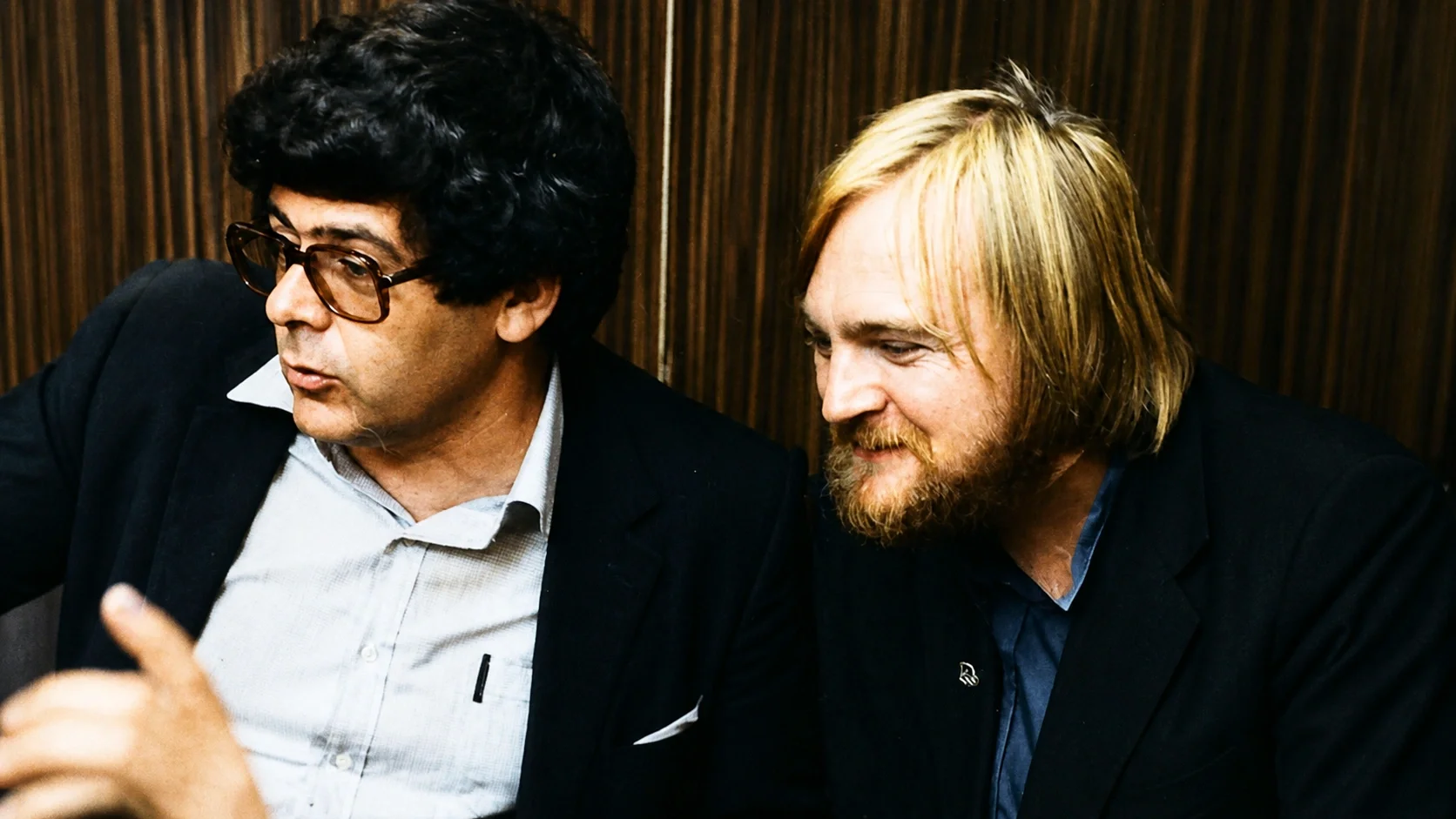
Mark Dvoretsky and Artur Yusupov
Artur Yusupov’s career illustrates a rare trajectory: from world‑class competitor to influential teacher and author. His combination of tournament success, theoretical knowledge, and pedagogical clarity has made his works standard reading for ambitious players. Surviving a violent attack and relocating to Germany did not diminish his passion; instead, he used his experiences to deepen his understanding of the game and to help others learn. Many of today’s grandmasters credit Yusupov’s training or writings for their development, while amateurs appreciate the accessible yet rigorous structure of his books. By the early 21st century, he had become, in the words of Chess.com, a “Russian-born German grandmaster, three-time world championship candidate, and prominent chess trainer”. His legacy continues through the students he has taught, the books he has authored, and his ongoing contributions to chess administration and culture.
