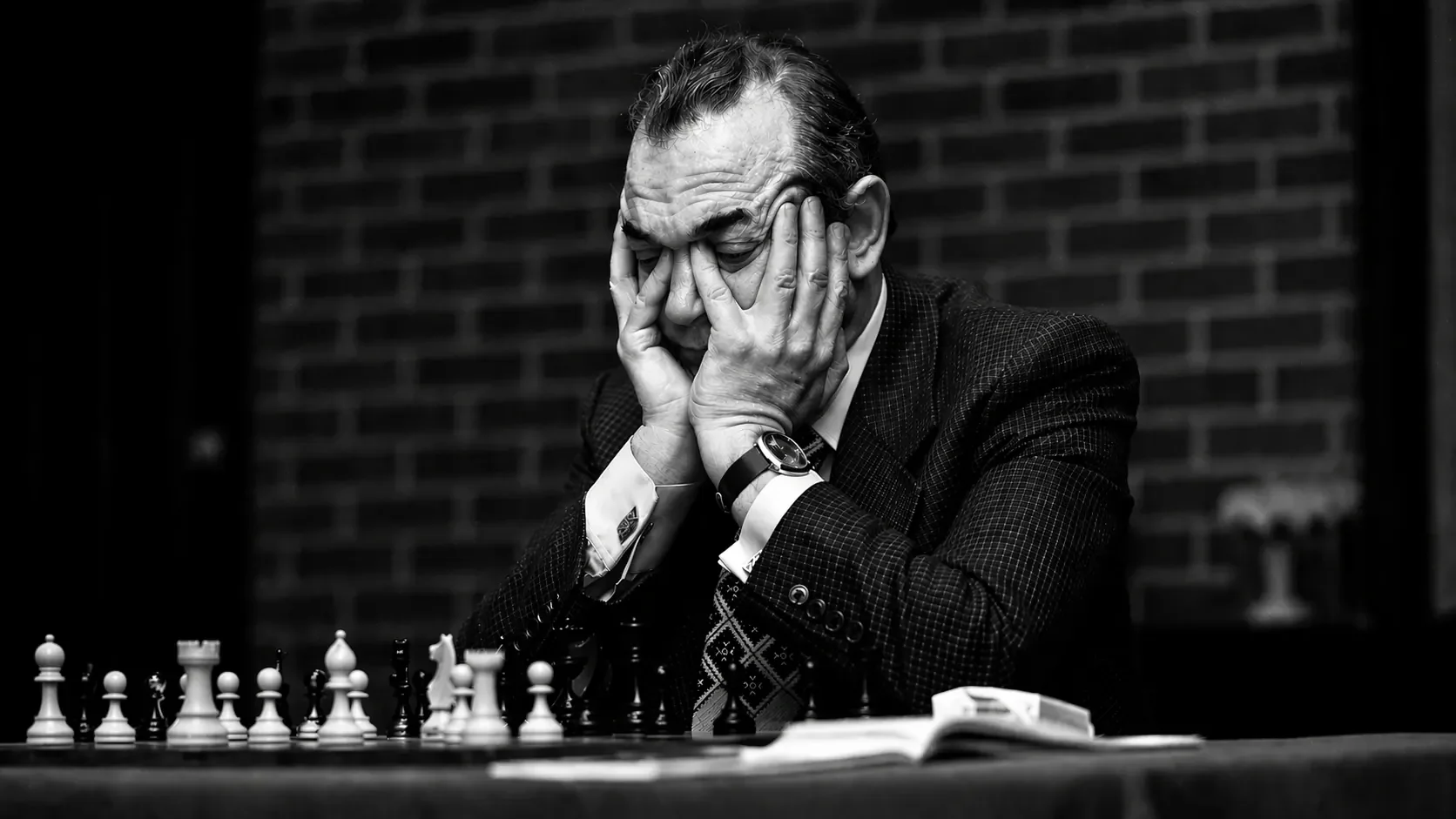
How the Early Soviet State Turned Chess Into a Tool
A look inside the origins of Soviet chess culture. These articles trace how early USSR institutions and political leaders transformed chess into a tool for education, discipline, and national development, setting the foundation for decades of dominance in world chess.
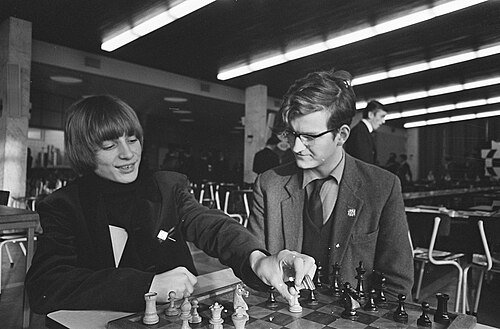
Ян Тимман
Jan Timman (1951-2026) rose from the Netherlands to become the leading non-Soviet challenger of his generation. This profile examines his early formation, Candidates’ campaigns, creative playing style, influential chess writing, and historical place among the strongest rivals faced by the Soviet chess elite.
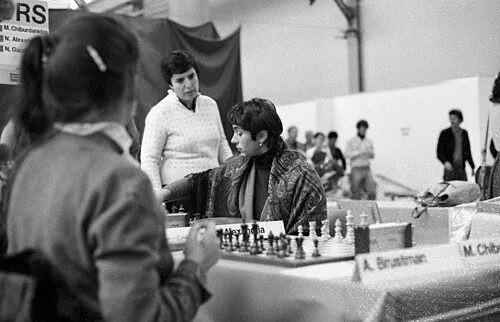
Soviet Triumph at the 25th Chess Olympiad
The 1982 Chess Olympiad in Lucerne produced one of the great late-Soviet team performances. Led by Anatoly Karpov, Garry Kasparov, Mikhail Tal, Maia Chiburdanidze, and Nona Gaprindashvili, the USSR won gold in both competitions.
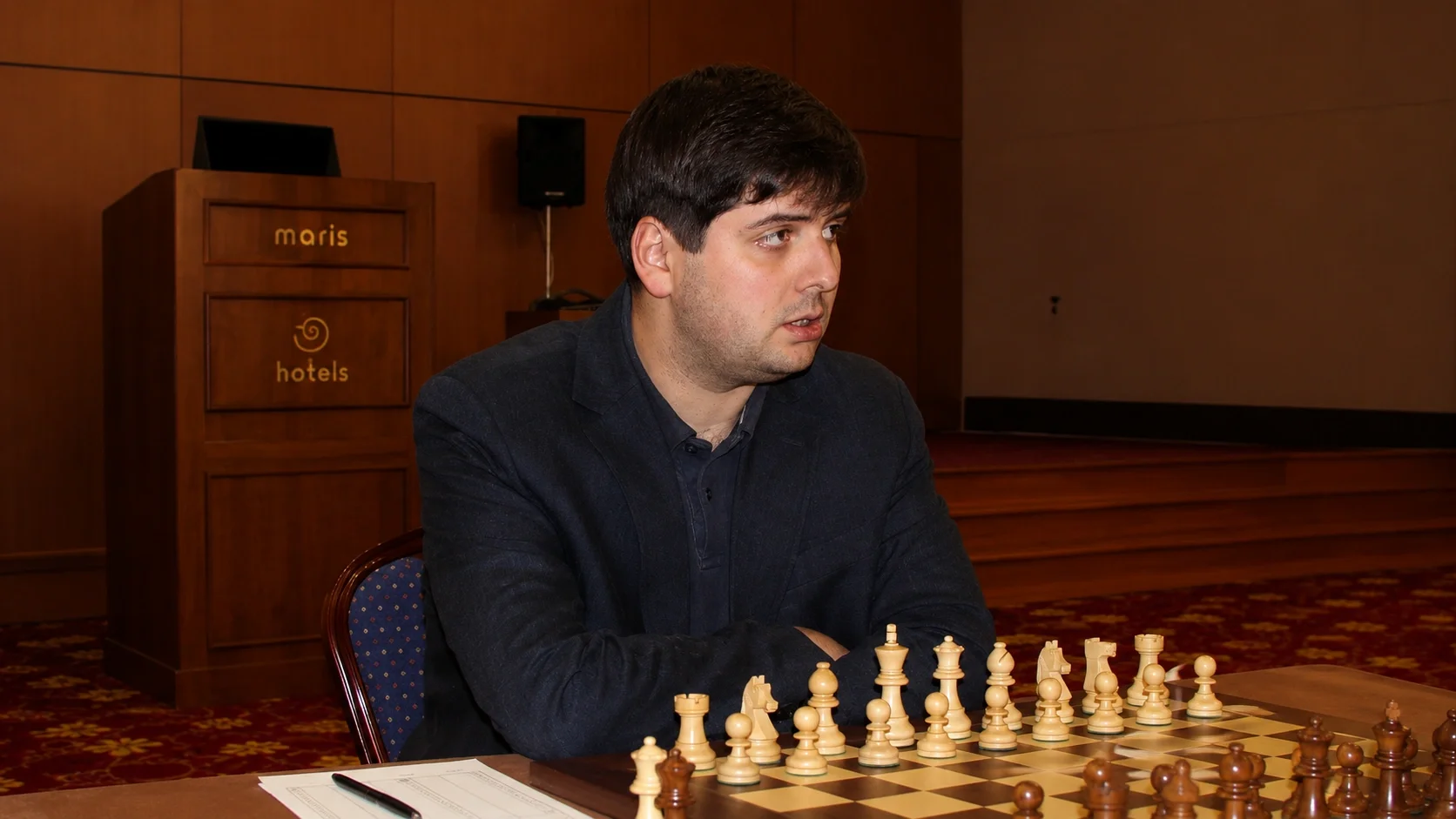
Peter Svidler
Peter Svidler stands among the defining grandmasters of post-Soviet chess. An eight-time Russian Champion, World Cup winner, Candidates contender, Olympiad gold medalist, and one of the game’s most respected commentators, Svidler’s career links elite competition with analysis, wit, scholarship, and modern chess culture.
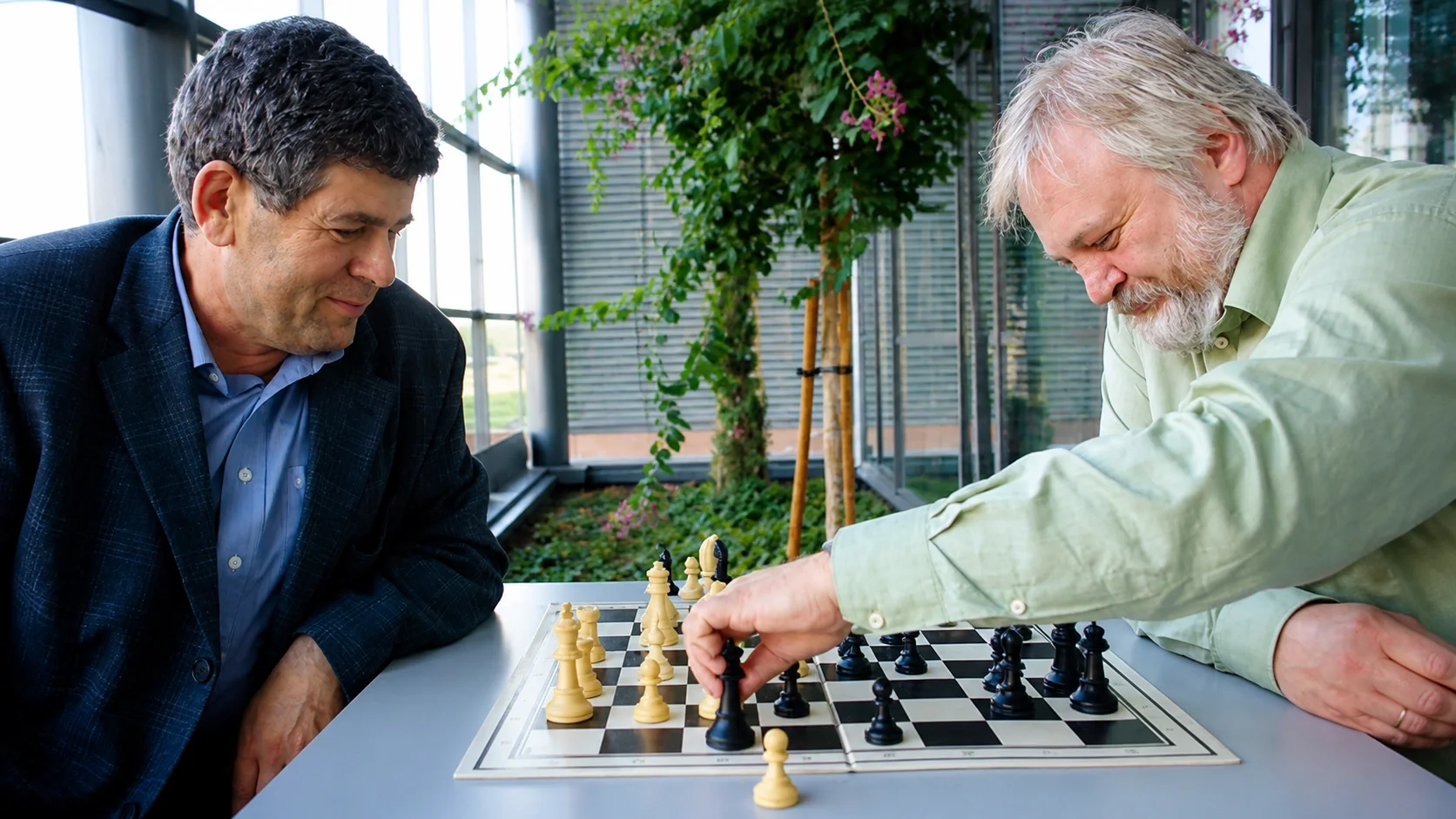
Mark Dvoretsky
Mark Dvoretsky was one of the most influential chess trainers of the Soviet and post-Soviet era. An International Master, Honored Trainer, author, and mentor to elite grandmasters, he transformed chess education through rigorous calculation work, endgame study, disciplined self-analysis, and a demanding intellectual approach that shaped generations of serious players.
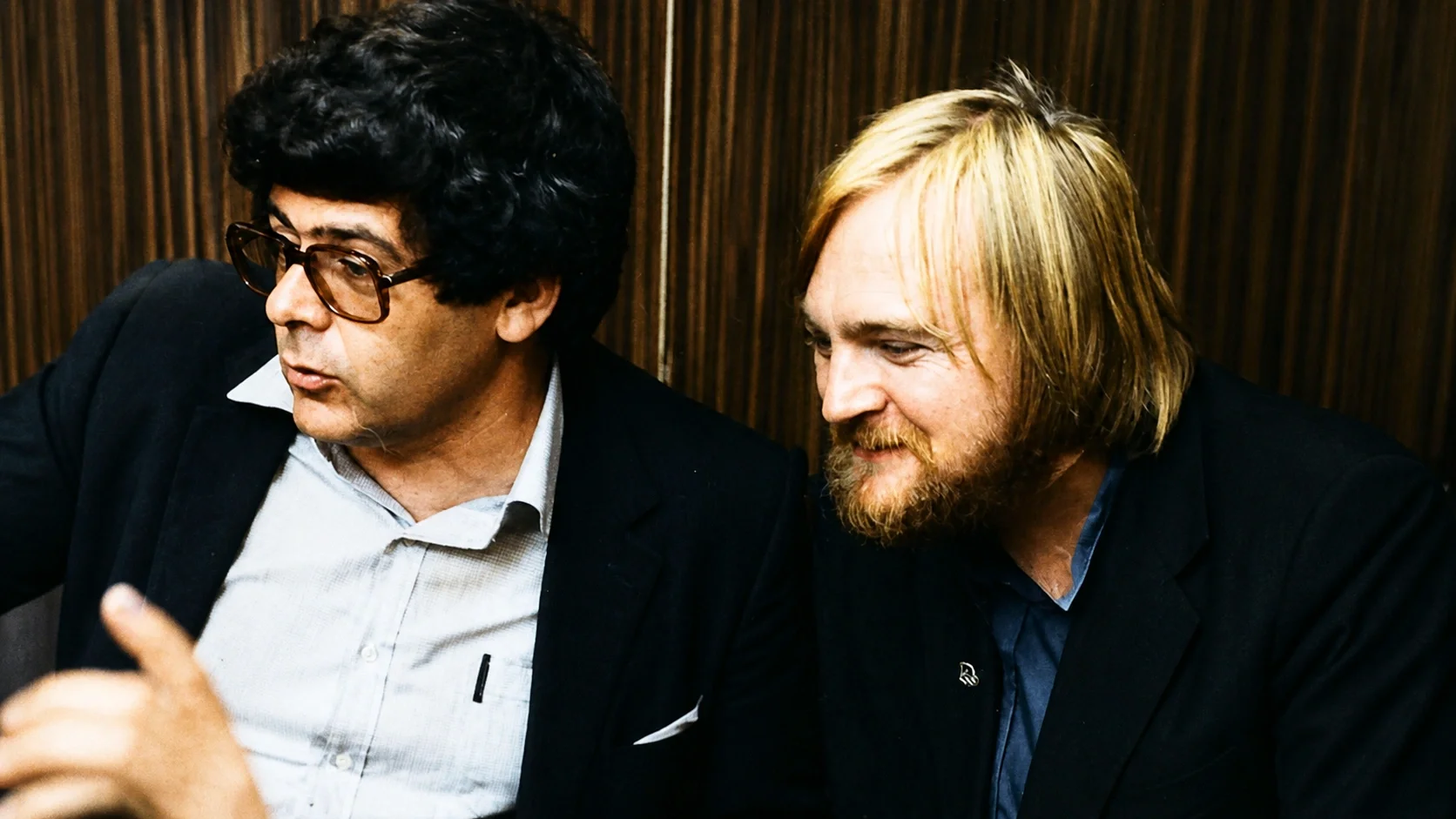
Artur Yusupov
Artur Yusupov (b. 1960) learned chess at Moscow’s Young Pioneers’ Palace and rose to prominence by winning the 1977 World Junior Championship and reaching the Candidates’ semifinals three times. After a near-fatal burglary in 1990, he moved to Germany, where he balanced tournament success with teaching and authored a landmark nine-volume training series. Today, he is celebrated as both a Soviet-born grandmaster and an influential trainer whose students include Peter Svidler and Sergei Movsesian