How the Early Soviet State Turned Chess Into a Tool
A look inside the origins of Soviet chess culture. These articles trace how early USSR institutions and political leaders transformed chess into a tool for education, discipline, and national development, setting the foundation for decades of dominance in world chess.
Viktor Korchnoi (Виктор Корчной)
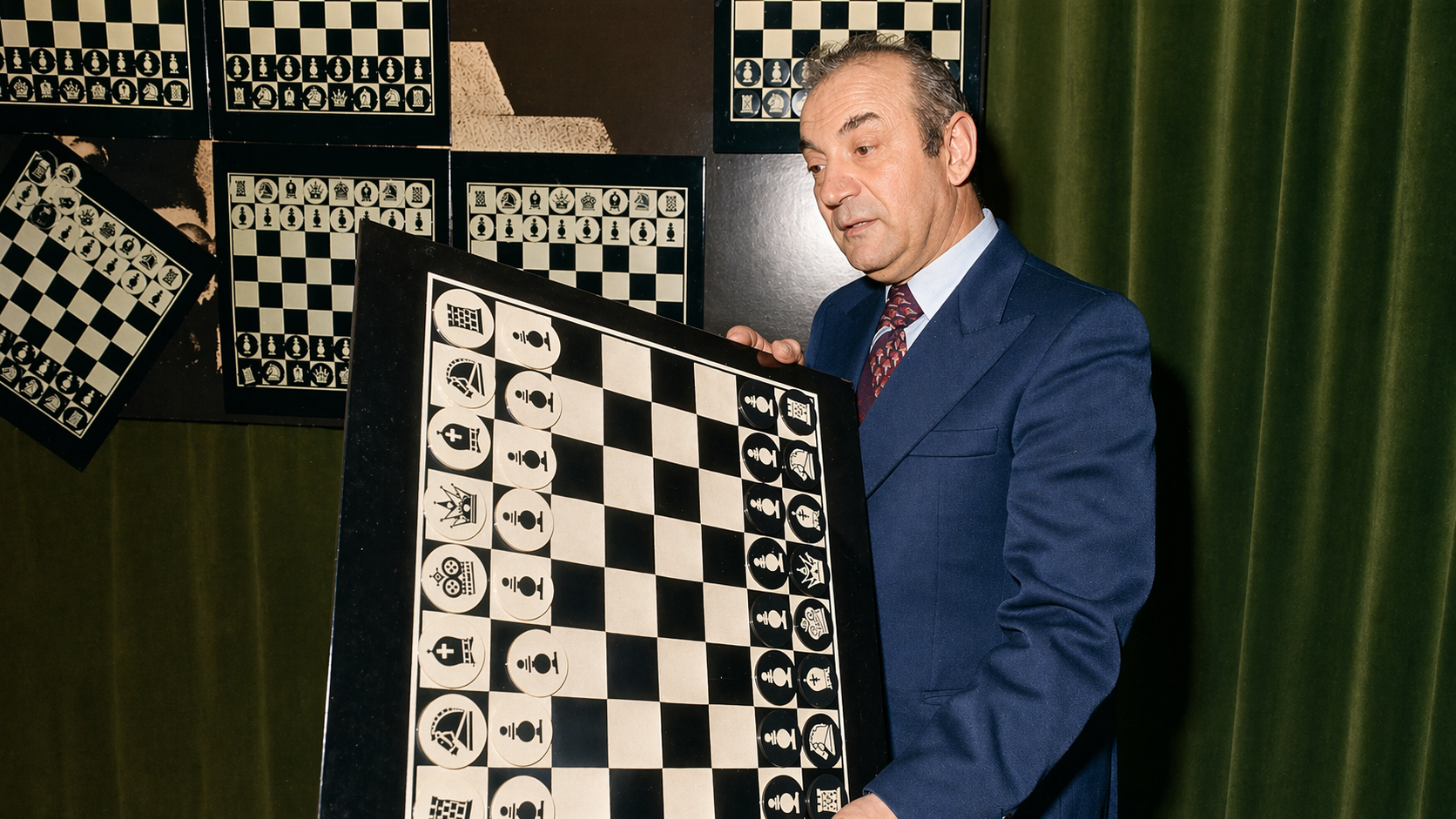
Viktor Korchnoi was one of the fiercest competitors in chess history, a four-time Soviet champion, two-time world title challenger, and one of the greatest players never to win the crown. This profile traces his life from wartime Leningrad to defection, exile, and an extraordinary late career that secured his place among the game’s most formidable figures.
Mark Taimanov (Марк Тайманов)
Born in Tula on 12 August 1913, Alexander Kotov grew up in a gunsmith family and discovered chess only after learning draughts from his father. He studied at the Tula Mechanical Institute and moved to Moscow as an engineer in 1935; during World War II, he helped design new mortars and received the Order of Lenin for his defense work. Kotov’s late chess rise was striking: after earning master status in 1938, he finished second to Botvinnik in the 1939 USSR Championship, won the Moscow title in 1941, shared first in the 1948 Soviet Championship, and triumphed at the 1952 Saltsjöbaden Interzonal with an undefeated 16½/20. FIDE named him one of the inaugural International Grandmasters in 1950, and he later served as deputy chairman of the USSR Chess Federation and as chief arbiter at Olympiads. Beyond the board, he was a prolific writer whose works ranged from tournament books to fiction; his celebrated manual Think Like a Grandmaster introduced the candidate‑move method and analysis tree that became a staple of chess pedagogy. He co‑authored The Soviet School of Chess, rehabilitated Alexander Alekhine’s legacy through extensive research, and composed the novel White and Black (later filmed as White Snows of Russia). Kotov also conceived the televised program Shakhmatnaya Shkola, which taught chess to thousands across the USSR, and he balanced roles as journalist, organizer, broadcaster, and coach. Although later critics questioned the rigidity of his analytical prescriptions and the ideological tone of his histories, his methodological vocabulary and civic contributions continue to shape how players learn and think about chess.
Results of the 16th USSR Championship
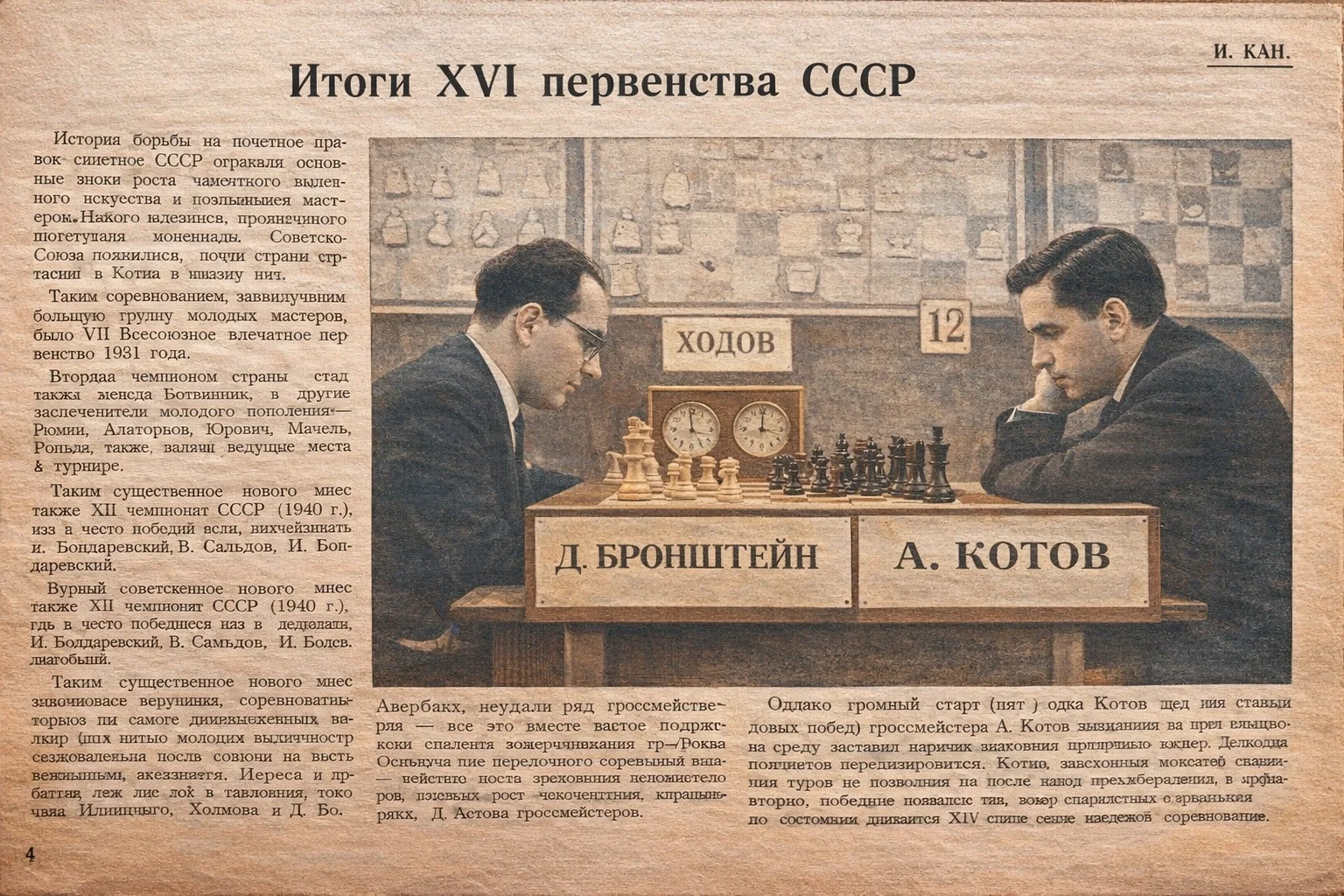
This article combines pages 4 through 7 of a Soviet report on the 16th USSR Championship, tracing Bronstein’s rise, Kotov’s shared victory, Furman’s breakthrough, Keres’s disappointment, and the broader institutional pressures inside Soviet chess.
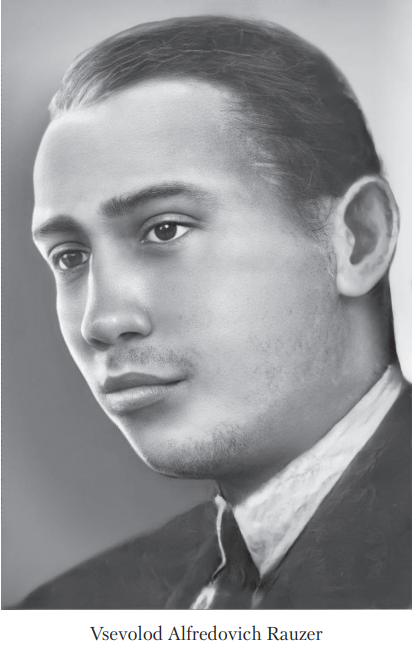
Vsevolod Rauzer (Всеволод Раузер)
More than just a Sicilian variation, Vsevolod Rauzer emerges here as a pioneering thinker whose analytical mind shaped early Soviet chess. The piece traces his journey from self‑study in Kiev to national prominence and emphasizes his lasting theoretical contributions.
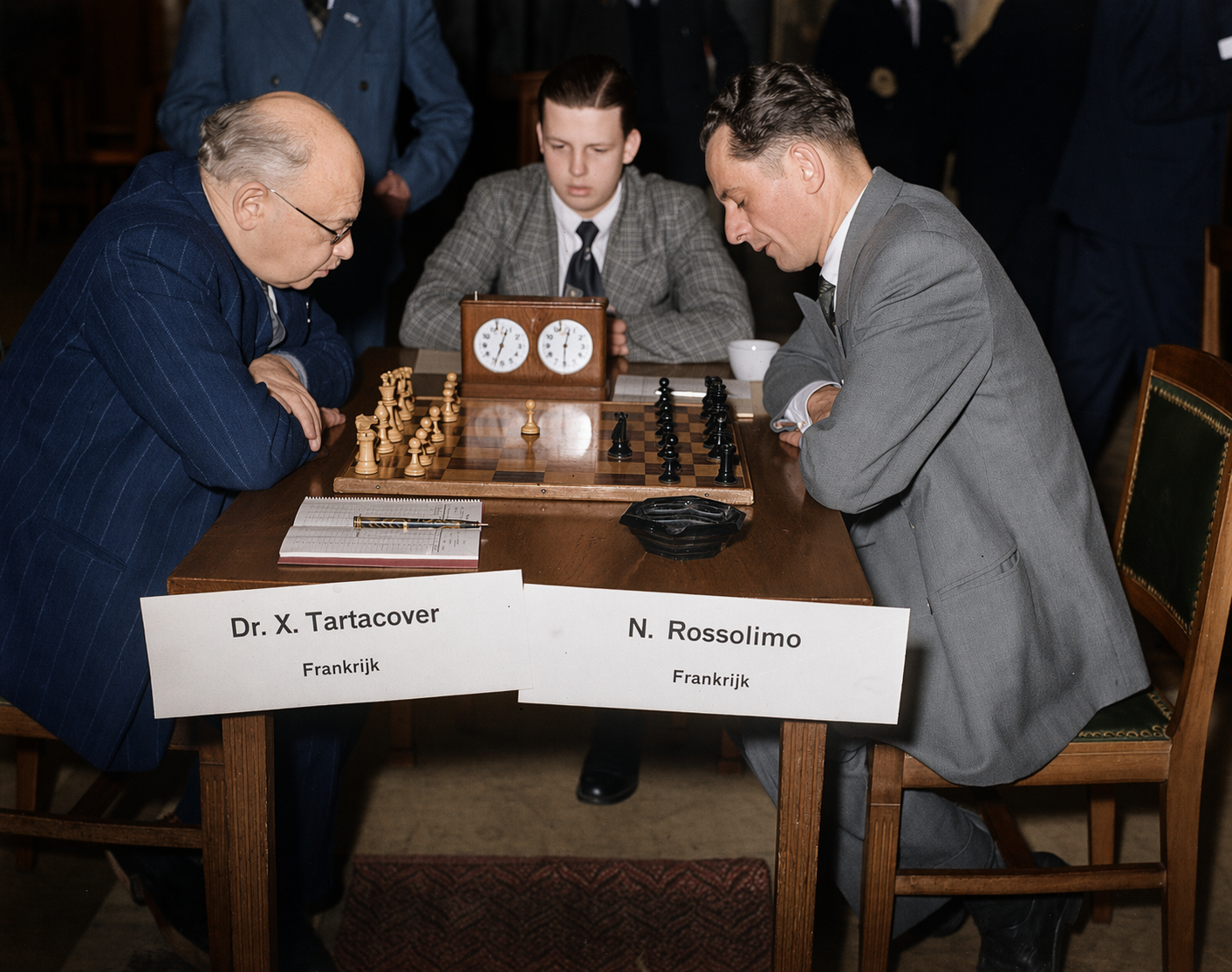
Nicolas Rossolimo (Николай Россолимо)
This profile captures Nicolas Rossolimo’s colorful life and chess innovation. A triple national with a flair for art and music, he created the Rossolimo Variation as part of his broader quest to enliven Sicilian positions with creative, romantic play.
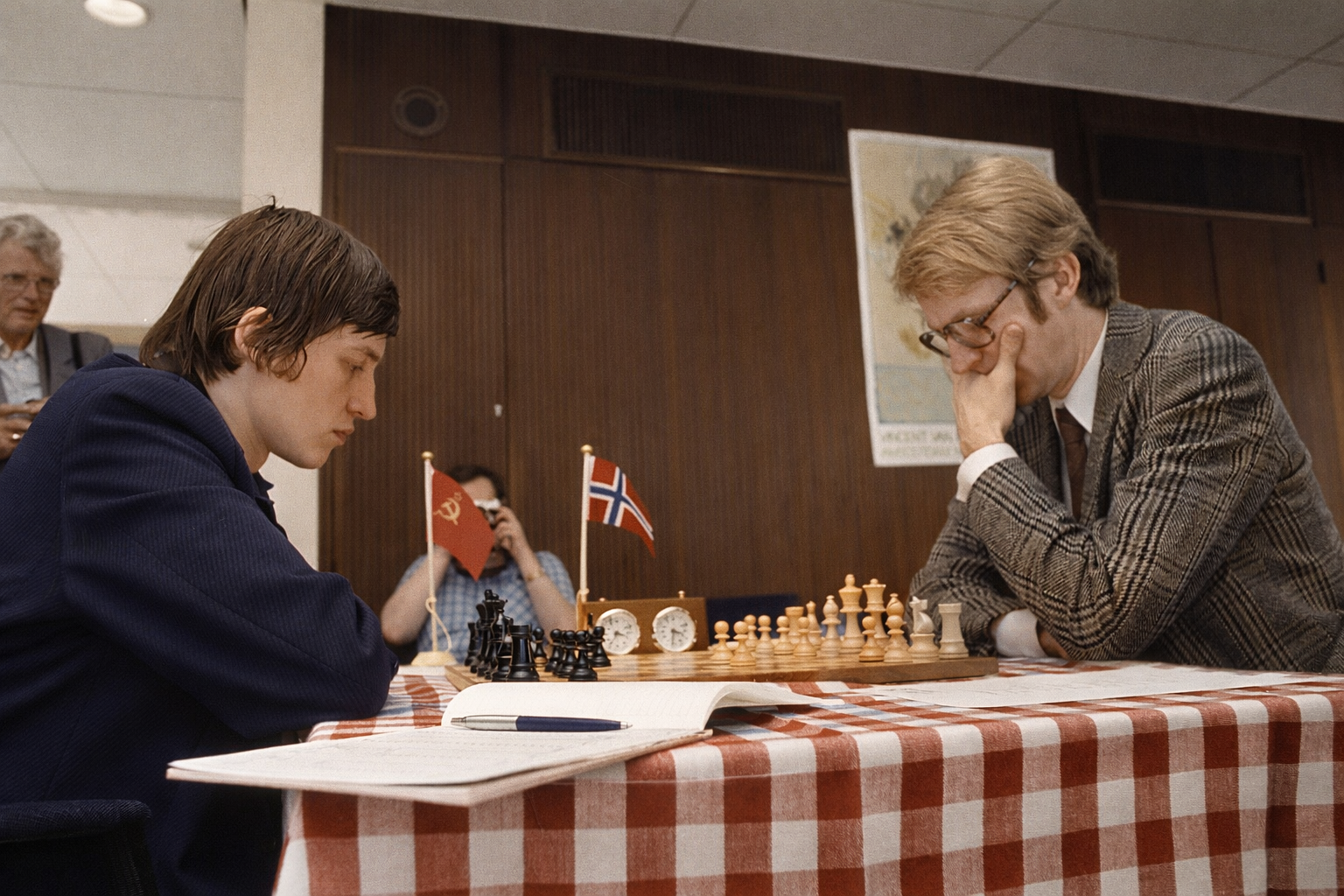
1976 Amsterdam Euwe Jubilee Chess Tournament – Karpov’s Performance
Relive the 1976 Euwe Jubilee Tournament in Amsterdam, where Anatoly Karpov scored four points out of six to finish ahead of Browne, Timman and Olafsson. The piece details the schedule, format and Karpov’s decisive wins that underlined his dominance in the post‑Fischer era.
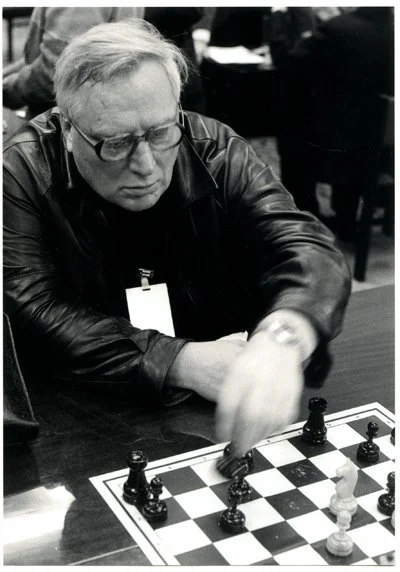
Alexey Suetin (Алексей Суэтин)
This article profiles Alexey Suetin as more than a grandmaster; he was a theorist, trainer, writer and television commentator. With an engineering mindset and strong domestic results, Suetin exemplified the polymath tradition of Soviet chess culture.
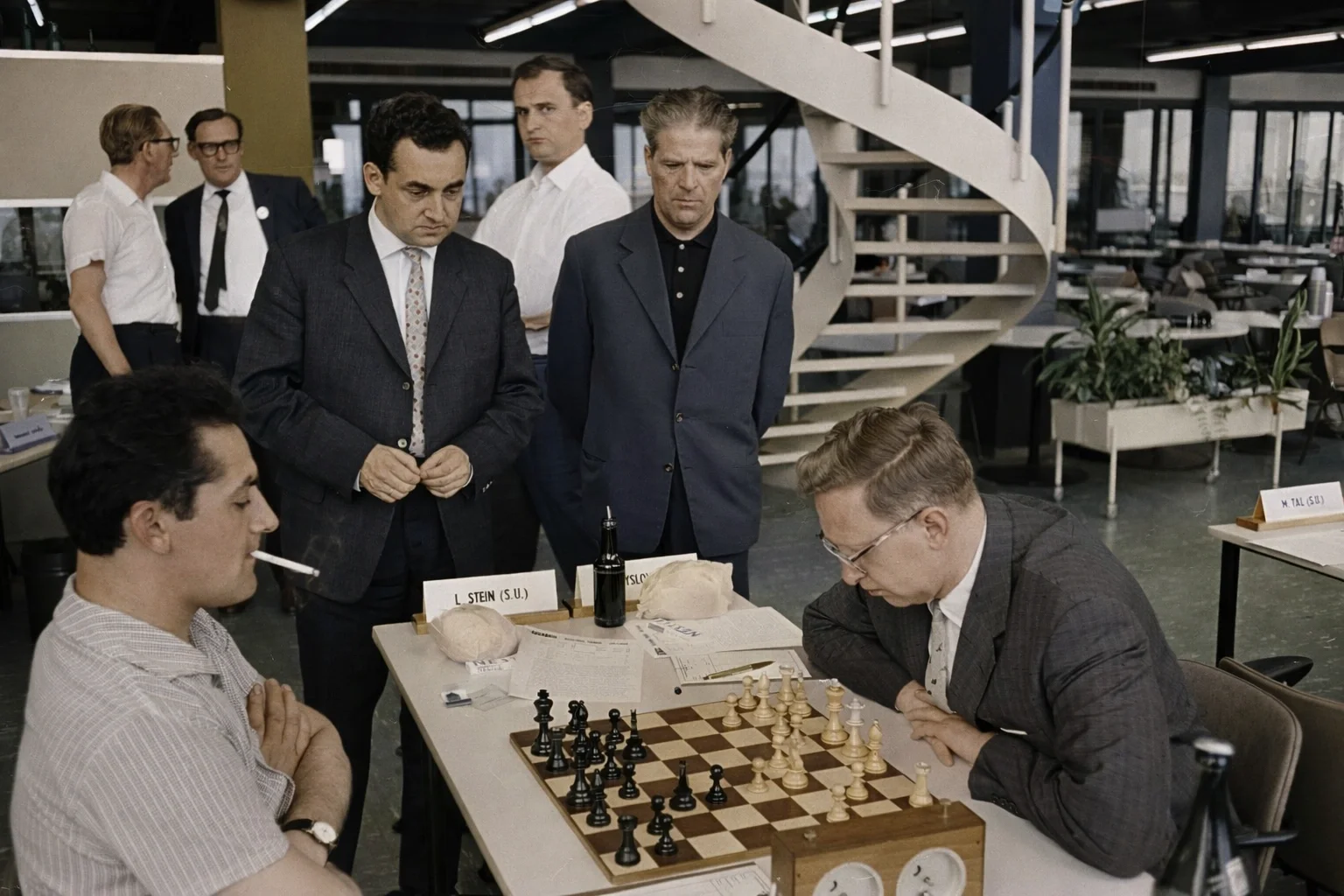
Leonid Stein (Леонід Штейн)
Leonid Stein is remembered as an attacking genius whose extraordinary creativity was never rewarded with a world championship match. This tribute outlines his three Soviet titles, his Interzonal successes and the obstacles that kept him from the Candidates, while noting his acclaim among peers.
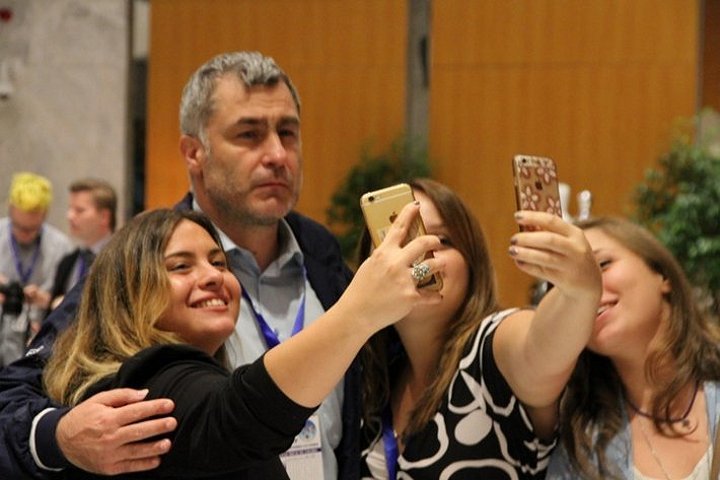
Vasyl Ivanchuk (Василь Іванчук)
Vasyl Ivanchuk is celebrated here as a virtuoso of imagination whose universal style has produced tournament wins across formats for over three decades. The article underscores his near-world-champion performances and his continued relevance long after his peak ranking of world number two.
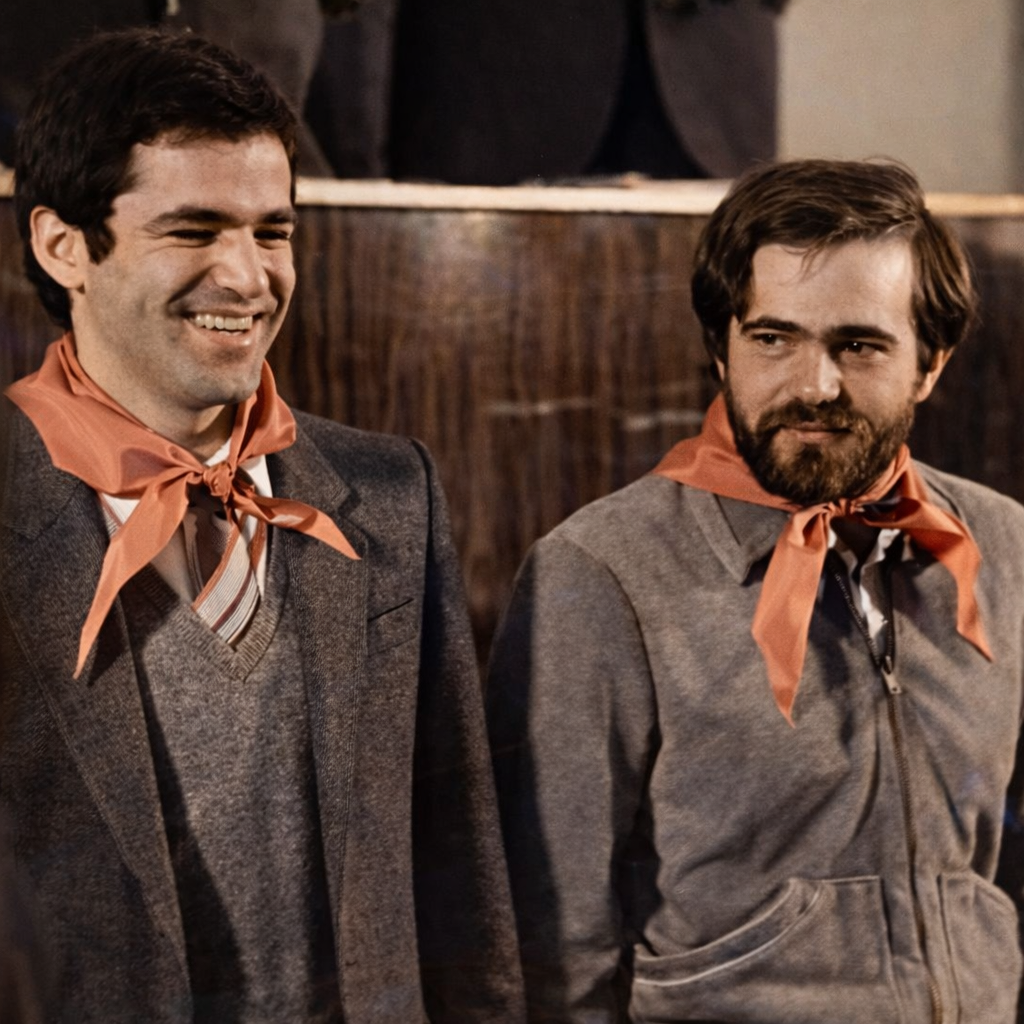
Lev Psakhis (Лев Псахис)
From daring sacrificial play to sharing the Soviet championship with Beliavsky and Kasparov, Lev Psakhis proved himself on the board before becoming a respected coach. The article traces his evolution from “chess hooligan” to top‑ten player and influential trainer.
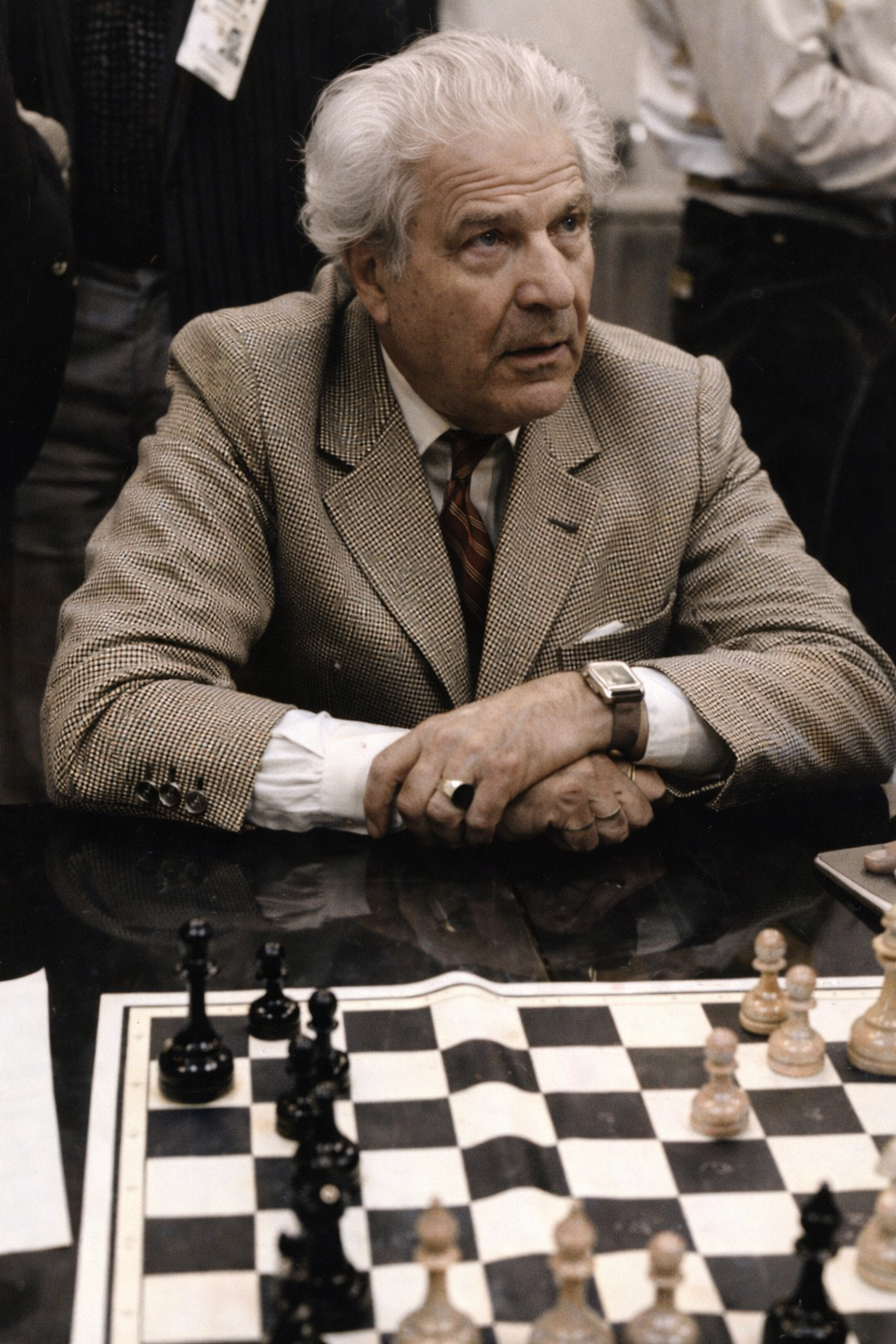
Andor Lilienthal (Андор Лилиенталь)
Andor Lilienthal’s journey took him from Budapest and Paris to Moscow, where he became an Olympiad star and shared the Soviet championship. The article emphasizes his victories, his role as a mentor to Smyslov and Petrosian, and his unique status as a bridge between eras.
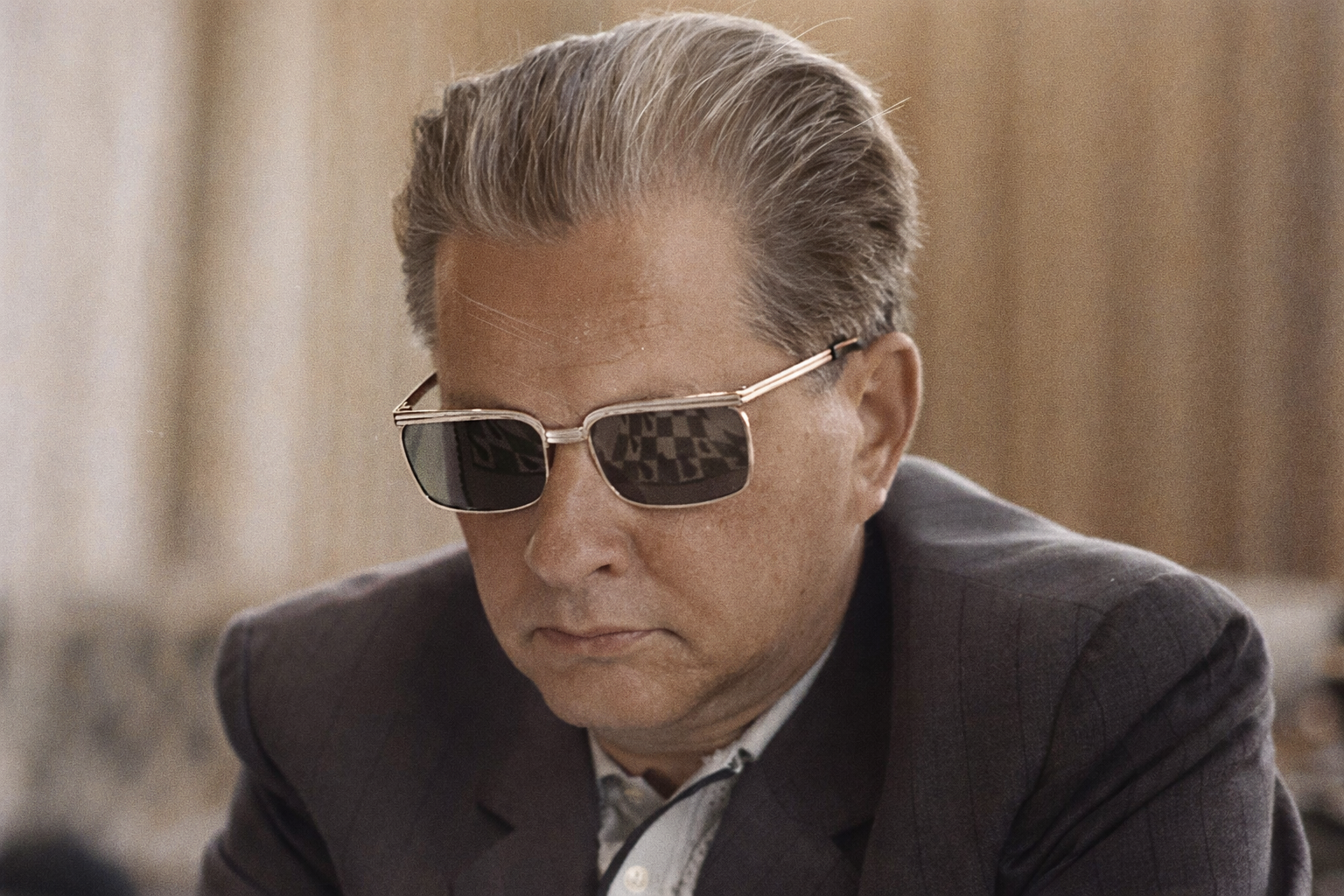
Paul Keres
Paul Keres is profiled as one of the greatest players never to become a world champion. From early triumphs at AVRO 1938 through wartime challenges and post‑war Candidates matches, the article presents his brilliance and the historical circumstances that shaped his legacy.
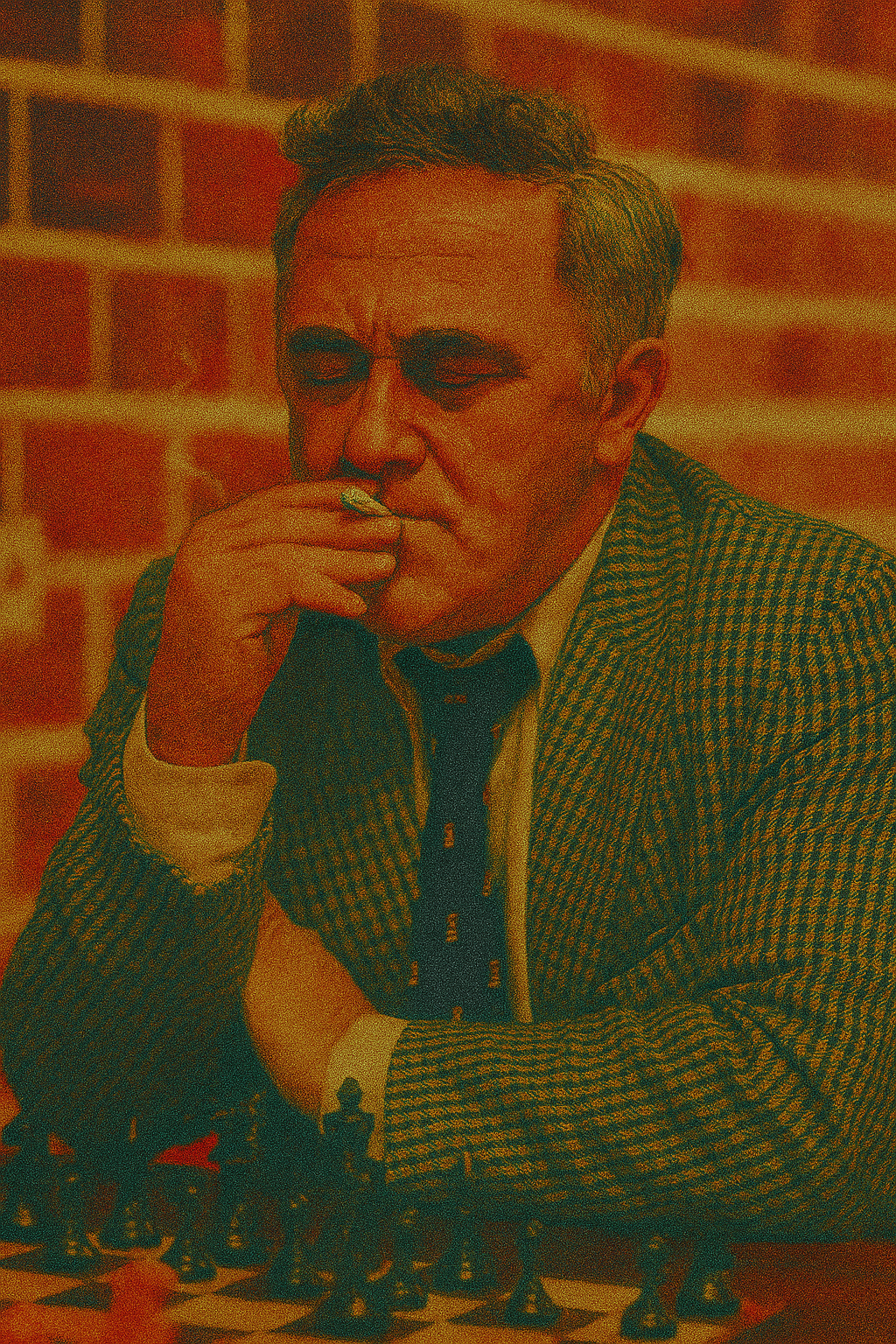
Efim Geller (Єфім Геллер)
This profile celebrates Efim Geller’s remarkable record: he twice won the Soviet championship, qualified for the Candidates six times and produced theoretical ideas that still shape modern openings. Along the way he defeated eight world champions in classical games.
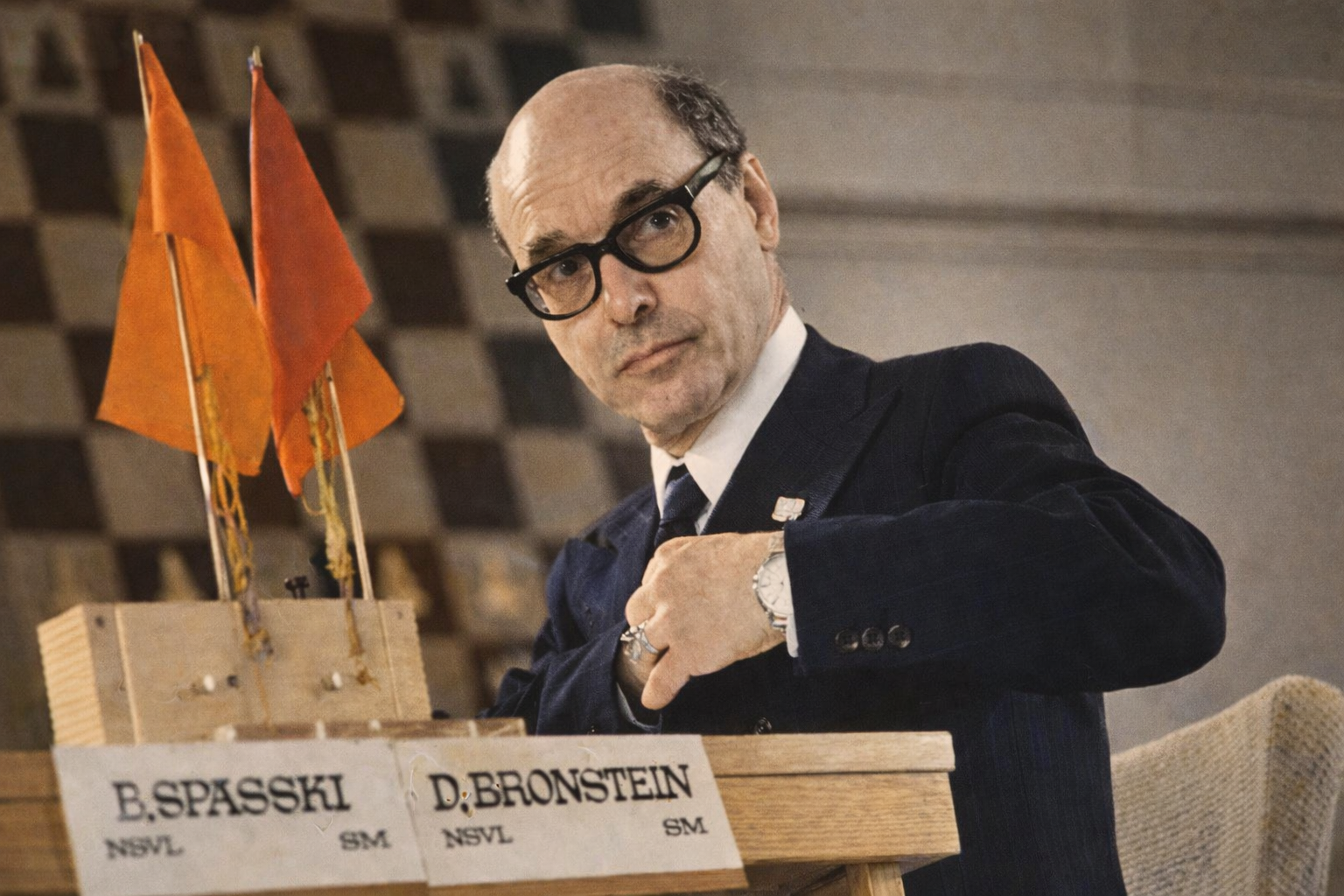
David Bronstein (Девід Бронштейн)
David Bronstein was born on 19 February 1924 in Belaya Tserkov and grew up in Kyiv, where he learned chess at six and trained under master Konstantinopolsky. His early life was shaped by Stalin’s purges—his father spent seven years in the Gulag—which instilled resilience and independence. After World War II, Bronstein quickly became one of the Soviet Union’s brightest masters; he won the 1948 and 1949 USSR Championships and, after triumphing in the 1950 Candidates, challenged Mikhail Botvinnik for the world crown in a dramatic 1951 match that ended in a 12–12 tie. Famous for his creative, tactical style, he turned the once-doubted King’s Indian Defence into a feared weapon and introduced ideas such as the Bronstein–Larsen line in the Caro–Kann. His theoretical contributions extended to endgames and time-control rules: the “Bronstein delay” remains a standard feature of digital clocks. Alongside his innovations, Bronstein authored influential books—including Zurich 1953, The Sorcerer’s Apprentice and Bronstein on the King’s Indian—which convey his love of imaginative chess. A principled figure who sometimes defied Soviet authorities, he is remembered as perhaps the greatest player never to hold the world championship, yet his legacy endures through his games, writings, and the creative freedom he championed.
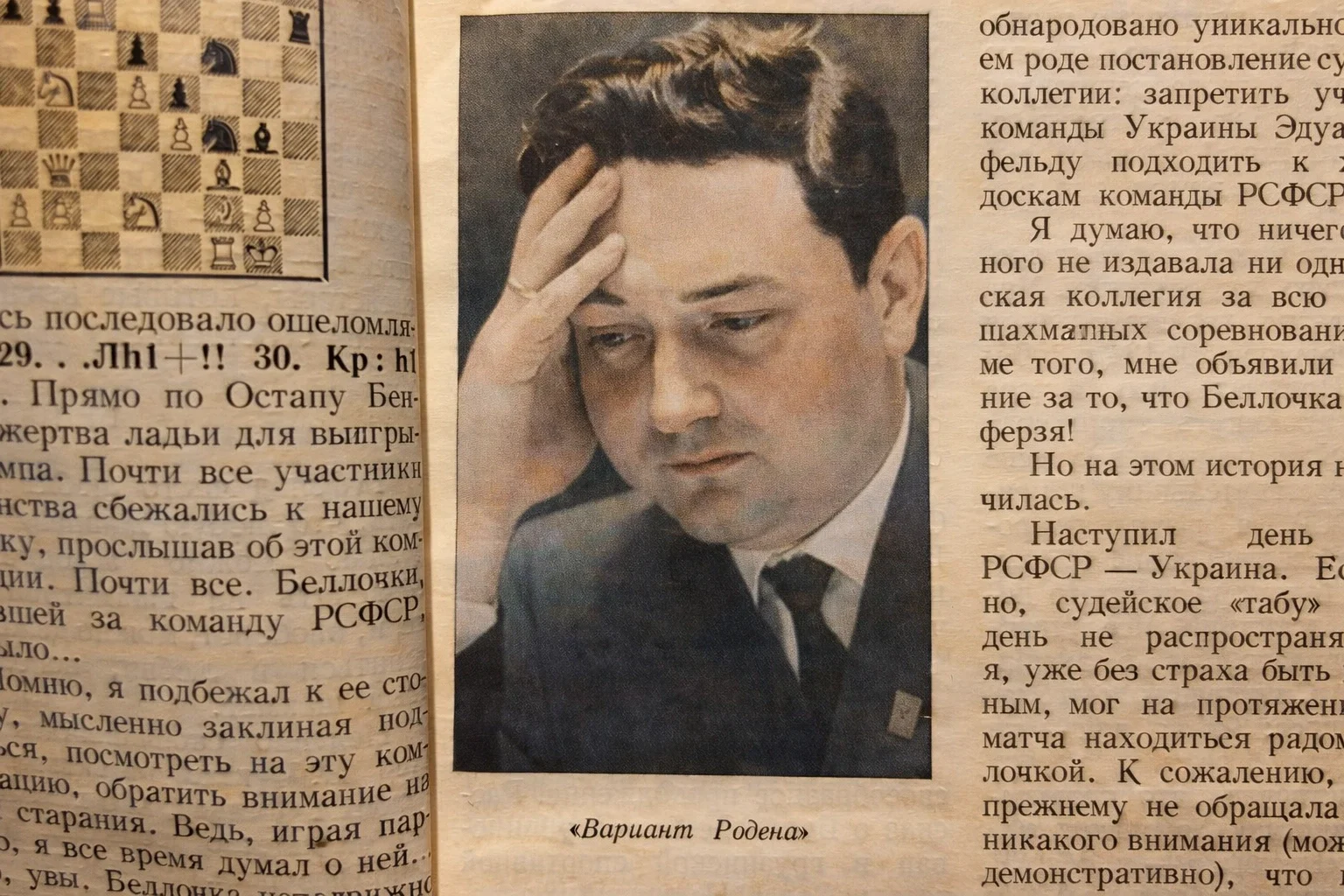
Eduard Gufeld (Едуард Гуфельд)
Eduard Gufeld is remembered here not only for his sharp King’s Indian attacks but also for his work as a coach, journalist, and ambassador of chess. The piece recounts his famous game against Bagirov, his love for the Dragon, and his mission to popularize chess as art.