Rafael Vaganian
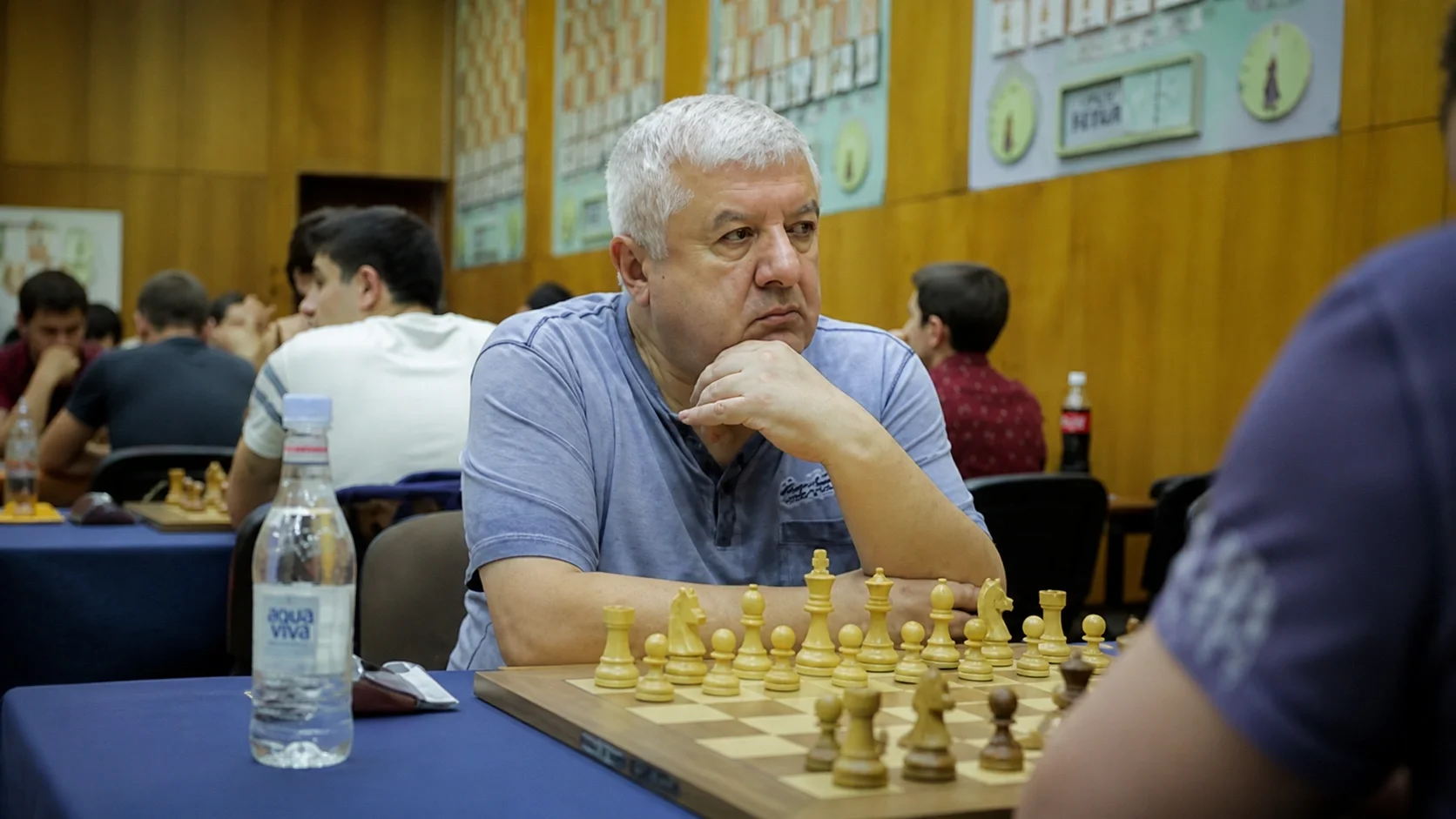
Rafael Artemovich Vaganian (b. October 15, 1951, Yerevan) is an Armenian grandmaster and one of the Soviet Union’s leading players in the late 20th century. He earned the GM title in 1971 at age 19, won over 30 international tournaments, and became Soviet champion (tied 56th USSR Championship, Odessa 1989). At his peak in January 2005 his Elo rating was 2670 (world #4 in 1985). Vaganian was a two-time World Championship Candidate (1986, 1988) and helped the USSR team win multiple Olympiads and team championships. Known for a highly creative, tactical style (as described by Alexey Suetin), he later became a coach of youth players in Armenia. He has been honored by Armenia as a national sports figure (President’s medal, honorary citizen of Yerevan).
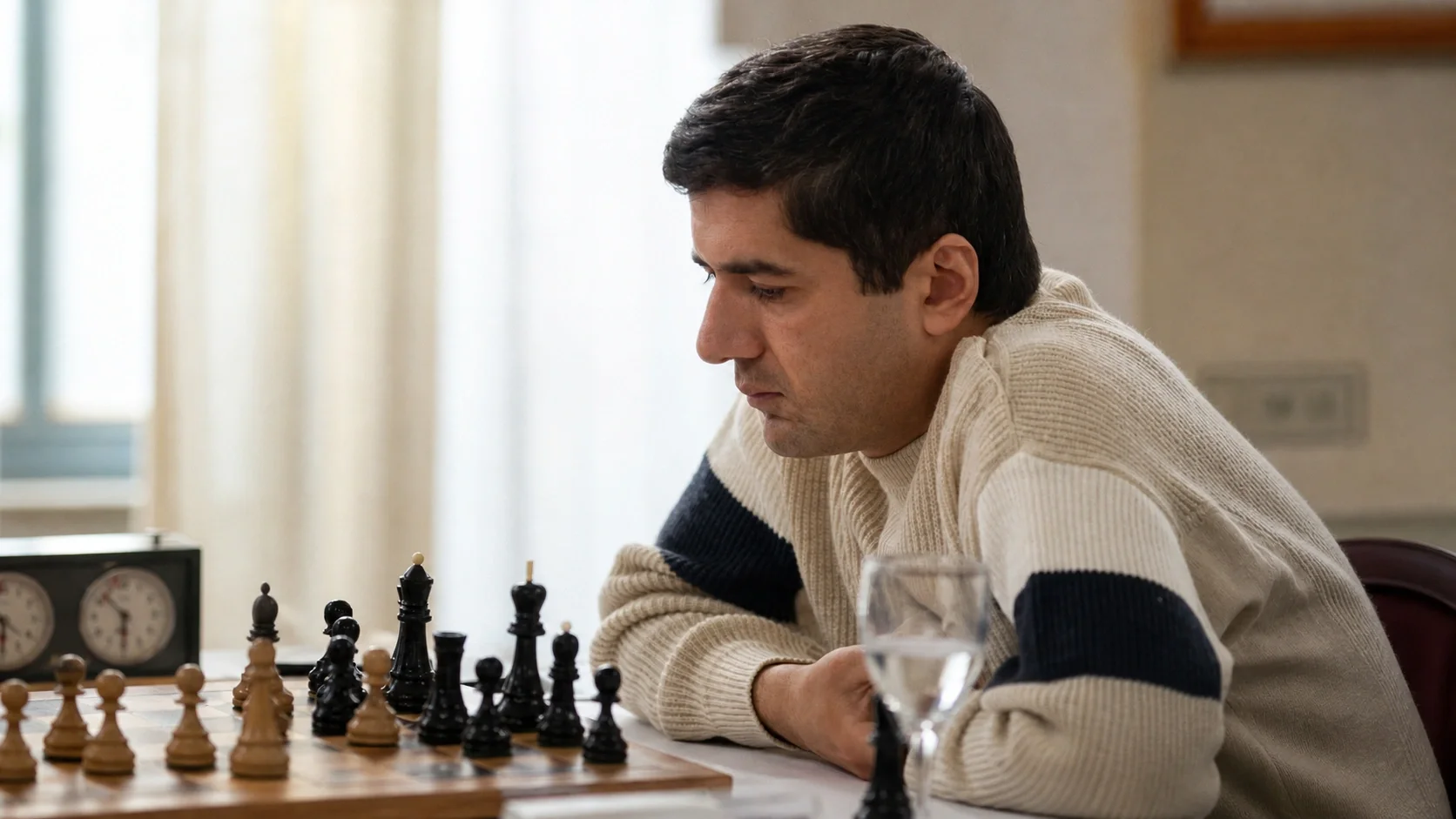
Vaganian joined the Soviet chess elite by the early 1970s. In 1970, he won the USSR Young Masters Championship (age ≤26) on a tiebreak, and in 1971, he achieved his final norm by winning the strong Vrnjačka Banja international tournament (ahead of grandmasters Stein, Ivkov, and Benko). FIDE awarded him the Grandmaster title that year (he was then the youngest GM in the world). In 1971, he also finished 4th in the World Junior Championship.
Throughout the 1970s and 1980s, Vaganian was a regular in top Soviet events. He finished third in the USSR Championship finals at Leningrad 1974 and Moscow 1983, and second at Yerevan 1975. His crowning national achievement came in 1989, when, on his 38th birthday, he won the 56th USSR Championship outright in Odesa. Internationally, he won many major tournaments: Kragujevac 1974, São Paulo 1977, Kirovakan 1978, Las Palmas 1979, Manila 1981, Hastings 1982/83, Biel 1985 (Interzonal), Leningrad 1987, Toronto 1990, and Ter Apel 1992. He shared first at Moscow 1982 and Tallinn 1983 (with M. Tal) and at Næstved 1985 (with Larsen, Browne), and won Reggio Emilia twice (1992/93 and 1994/95). In all, he won “in excess of thirty tournaments”.
Vaganian competed in two FIDE World Championship cycles. After winning the 1985 Biel Interzonal by a clear 1½-point margin, he shared first place in the 1985 Montpellier Candidates tournament. In the 1986 Candidates matches, he was eliminated by Andrei Sokolov (0–2, 6–2). In the 1988 cycle, he lost in the quarterfinals (first round of Candidates) to Lajos Portisch (2.5–3.5). In 2004, at age 52, Vaganian tied for first at the elite Aeroflot Open in Moscow. He also won the World Senior Championship (65+ category) in Bucharest, 2019.
Team Competitions
Vaganian was a key member of Soviet (and later Armenian) national teams. He won two gold medals with the USSR Olympiad team (Lucerne 1982 [board 3], Dubai 1986 [board 3]; team gold), and helped the Armenian team win bronze at Calvia 2004. He was also part of Soviet teams winning the World Team Championship titles in 1985 and 1989, and the European Team Championship titles in 1980, 1983, and 1989. Individually, he often scored heavily; for instance, at the 2004 Calvia Olympiad, he won individual gold on board three. In earlier years, he played board one for the USSR student team (Teesside 1974, 10/11 score). Later, representing independent Armenia, he contributed to team medals at Olympiads, World Team, and European events (Armenia won team bronze in several such events in the 1990s).
Ratings and Rankings
Vaganian remained a strong grandmaster well into the 21st century. His official peak Elo rating was 2670 (January 2005), at which time he re-entered the world’s top 50 (world rank ~44). In the mid-1980s, he was among the world’s highest-rated players: for a time (1984–86), he ranked #3 on the FIDE list behind only Kasparov and Karpov. As of 2026, he is still active in senior events (FIDE rating ~2442), and has the unique distinction in German chess of scoring 14½/15 in a Bundesliga season (earning the nickname “Mr. Bundesliga”).
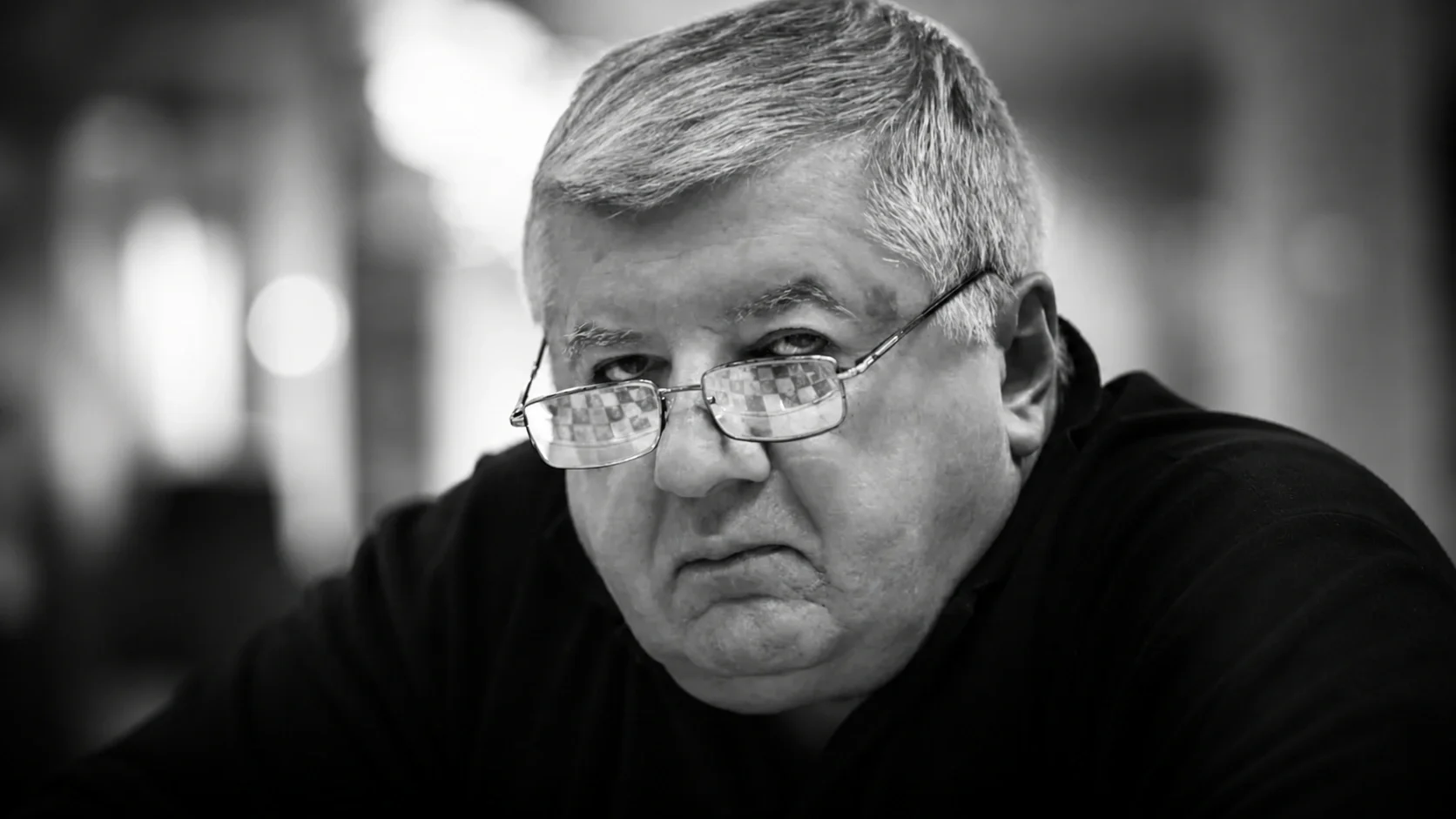
Observers describe Vaganian as a naturally gifted and very imaginative player. Russian GM Alexey Suetin noted in 1985 that Vaganian relies on intuition and “has a fine feeling of the dynamics of a chess battle,” often intensifying the play at critical moments and trusting his natural flair over deep calculation. Suetin emphasized Vaganian’s fearlessness and optimism: “The feeling of fear or uncertainty is unknown to him. He is a perpetual optimist, full of ambitious intentions… with an explosive temperament”. Indeed, Vaganian’s games are known for sharp tactics and complex, uncompromising positions, reminiscent in spirit of Mikhail Tal’s style. In practical terms, he favored unbalanced, dynamic openings and was adept at generating complications. (This romantic approach meant critics sometimes felt his results “did not reflect his enormous potential” – he could surprise but occasionally miss a win by not pushing the final effort.)
Throughout his career, Vaganian maintained a flexible repertoire. With White, he often opened 1.d4 or 1.Nf3, developing the kingside bishop by fianchetto (seen in his games as early as the 1960s). As Black, his favorite replies included the Alekhine’s Defense, the French Defense, and the Grünfeld Defense. He was also associated with the Trompowsky Attack, where an aggressive variation (the “Vaganian Gambit” 1.d4 Nf6 2.Bg5 c5 3.d5 Qb6 4.Nc3!) reflects his imaginative style (though no specific novel is widely credited to him, his handling of such lines influenced theoretical practice). In general, Vaganian was not known as a deep theoretician or author of major opening innovations; his contributions were practical insights and original ideas in existing systems. (For example, he once remarked on the contrast between Réti and Nimzowitsch as positional strategists, reflecting his broad chess culture.)
In later years, Vaganian has devoted much time to coaching. Around the 2010s, he significantly reduced his tournament schedule and began training junior players in Armenia. He has given lectures and exhibitions for youth, and a chess school in Yerevan is named in his honor (the “Rafael Vaganian Chess School”), where annual youth tournaments (the “Rafael Vaganian Cup”) are held. There is no record of major chess books authored by him; his contributions are primarily through coaching and personal example. He is married to Irina Vaganian (née Shabanova), a Woman FIDE Master, and they have two children.
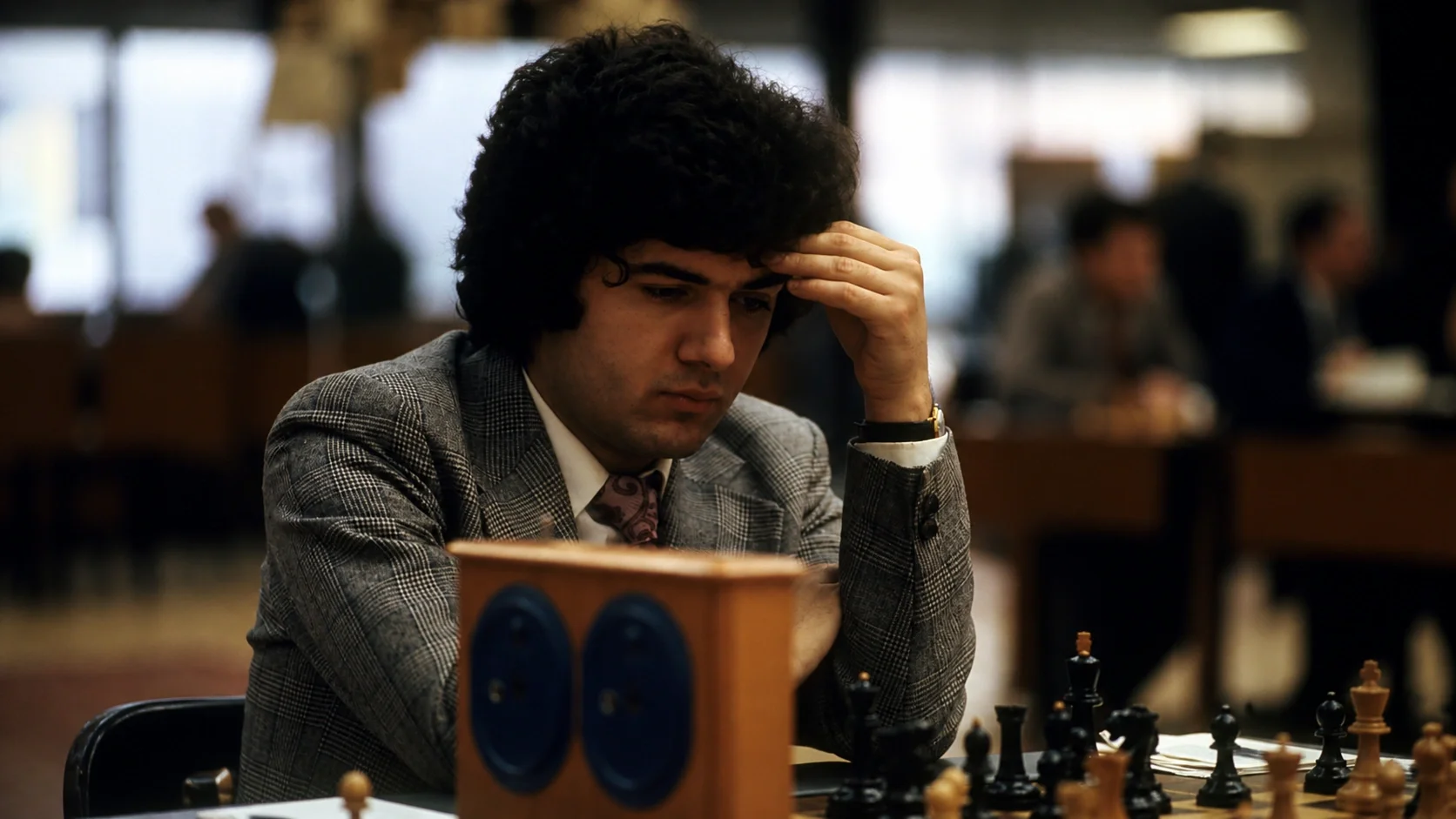
Rafael Vaganian, Moscow, 1973. Douglas Griffin Chess
Rafael Vaganian is celebrated as one of Armenia’s greatest chess players. His successes in the 1970s–90s helped inspire the next generation of Armenian grandmasters (such as L. Akobian, D. Akobian, and M. Harutyunyan). In 2011, the President of Armenia awarded him the Medal “For Service to the Motherland” (I Class), and he was named an honorary citizen of Yerevan. His legacy endures in Armenian chess culture: beyond his titles, he is remembered for popularizing a fighting, creative style, for mentoring young talent, and for bridging the Soviet and post-Soviet eras. In sum, Vaganian’s career is marked by brilliant individual games and a national champion title, and his influence lives on in the students he has coached and the tournaments bearing his name.
