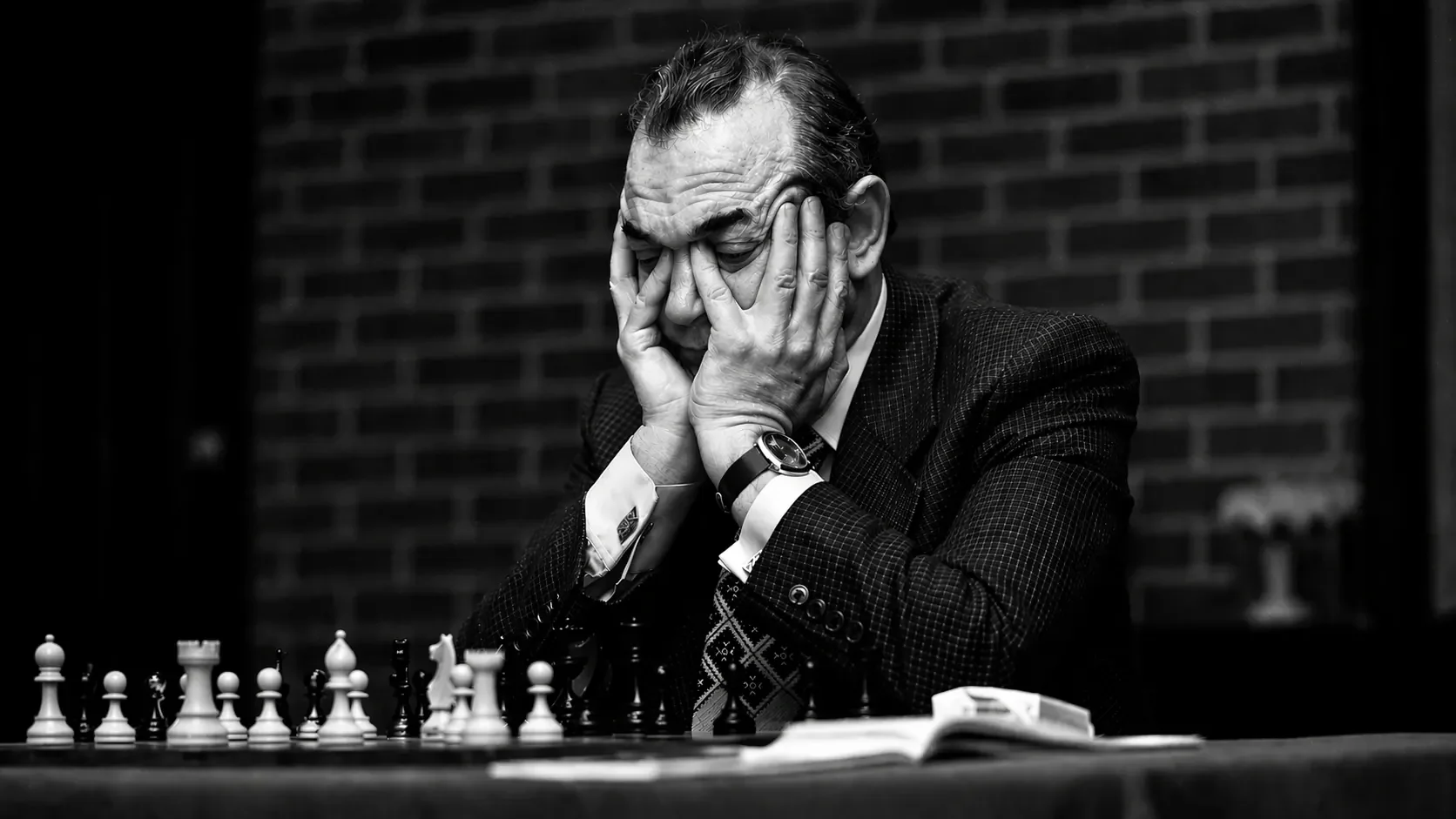
How the Early Soviet State Turned Chess Into a Tool
A look inside the origins of Soviet chess culture. These articles trace how early USSR institutions and political leaders transformed chess into a tool for education, discipline, and national development, setting the foundation for decades of dominance in world chess.
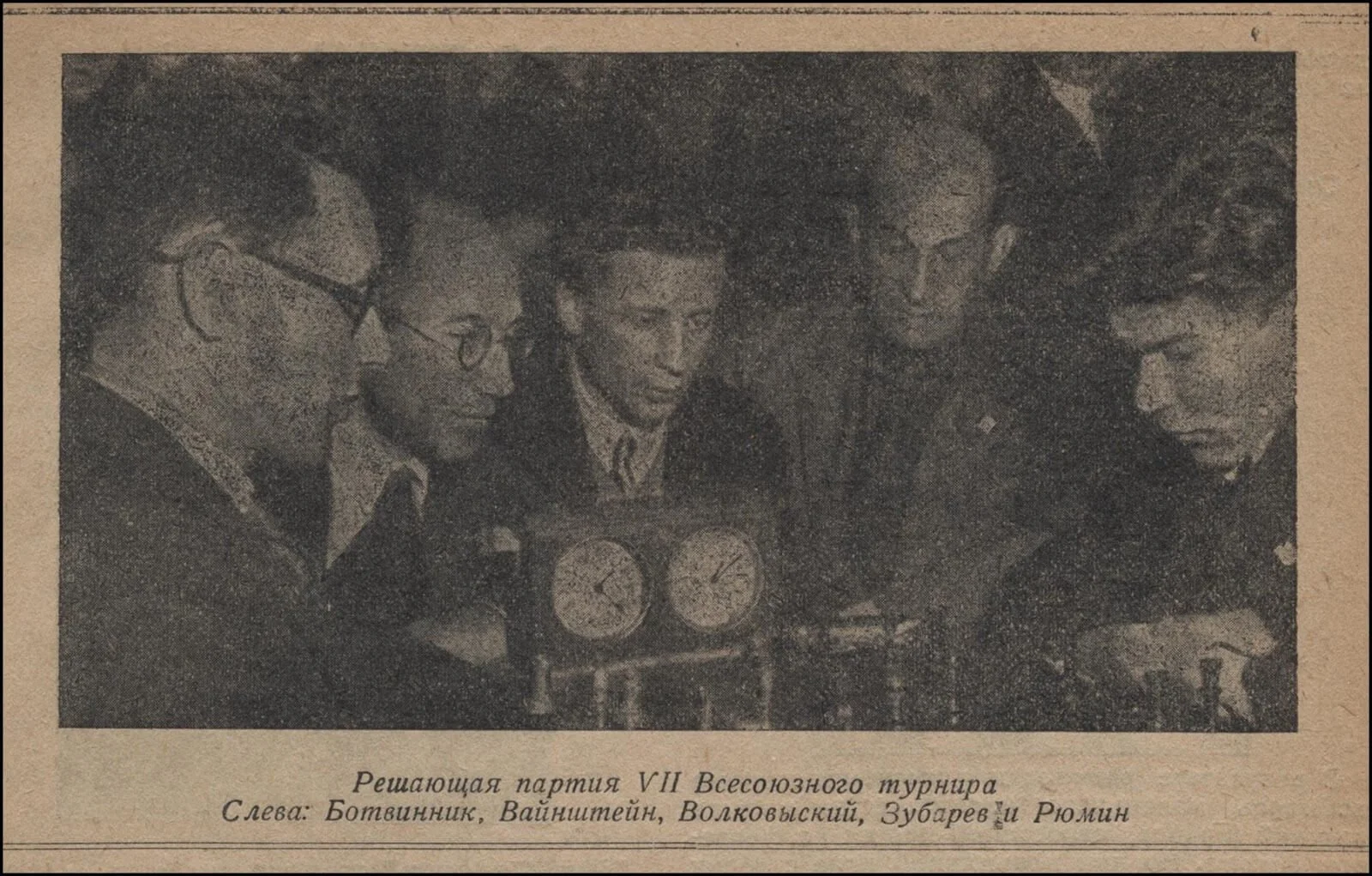
The 7th USSR Championship
At the 7th Soviet Chess Championship in Moscow, 20-year-old Mikhail Botvinnik won his first Soviet title with 13½/17. His victory over Nikolai Riumin helped secure a two-point winning margin and marked a defining breakthrough in his career.
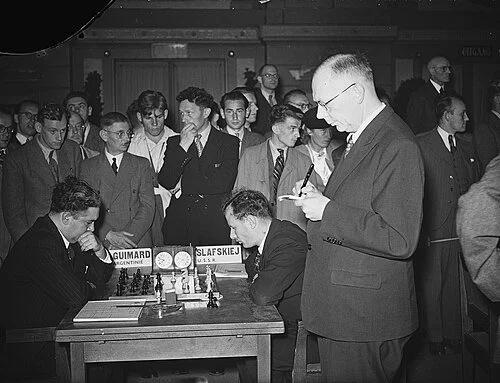
Groningen 1946
Mikhail Botvinnik won the Groningen 1946 chess tournament by half a point over Max Euwe, with Vasily Smyslov third. Bringing together twenty players from twelve countries, the event demonstrated Soviet chess strength and helped renew elite international competition after World War II.
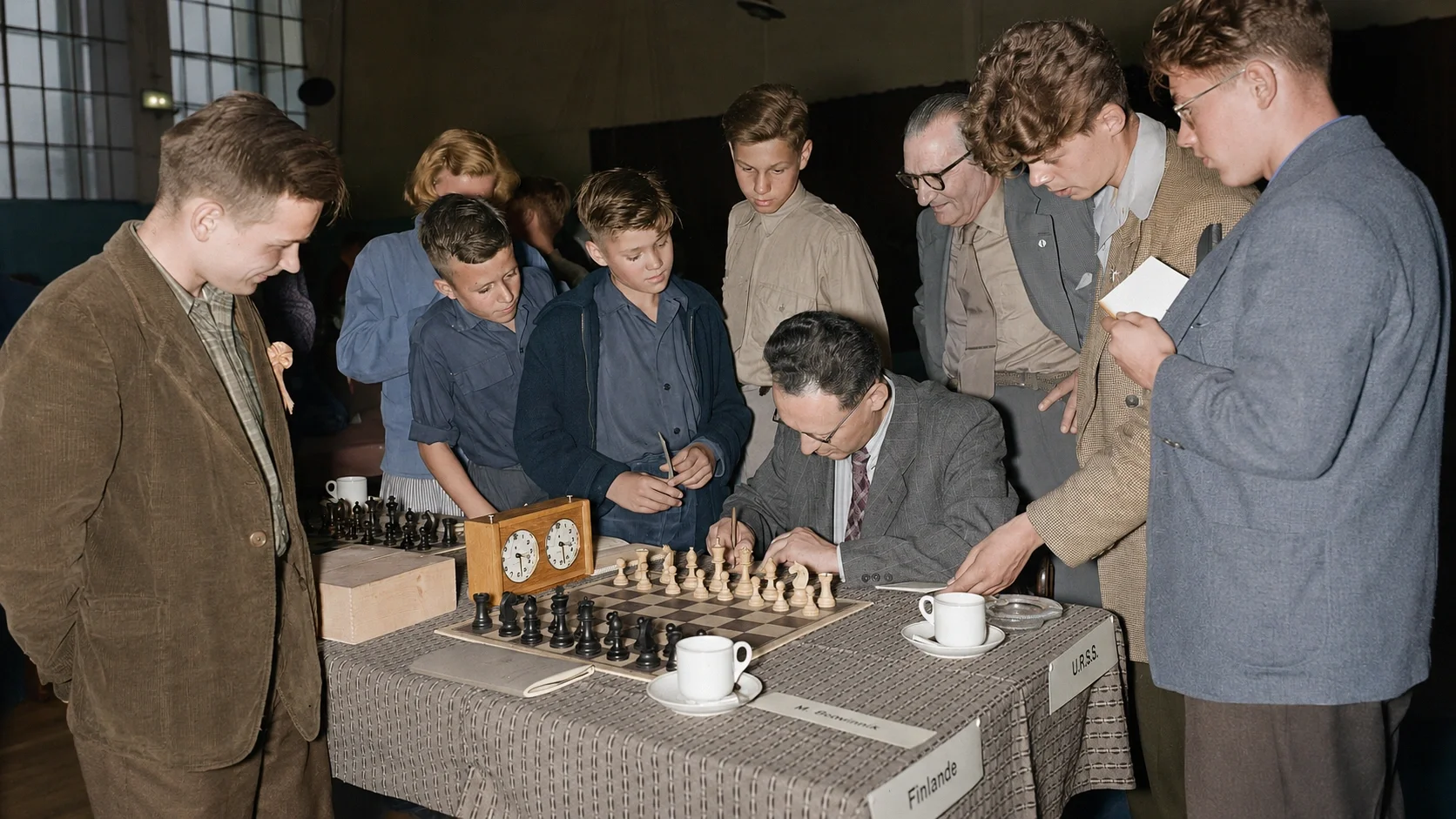
Mikhail Botvinnik
Mikhail Botvinnik was the first Soviet World Chess Champion and one of the central architects of Soviet chess dominance. A champion, engineer, theorist, teacher, and pioneer of computer chess, he shaped modern preparation and trained a lineage that reached Karpov, Kasparov, and Kramnik.