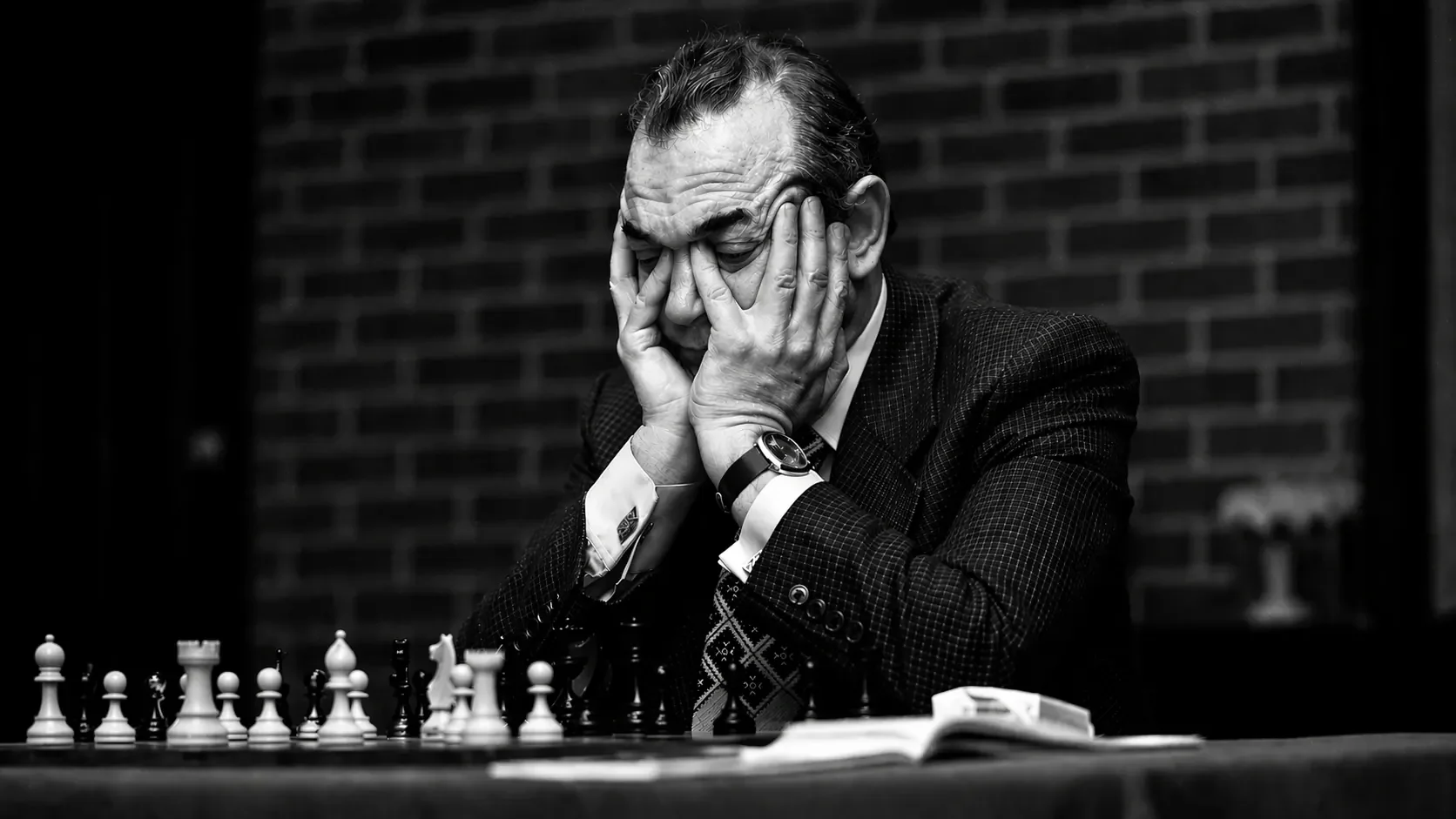
How the Early Soviet State Turned Chess Into a Tool
A look inside the origins of Soviet chess culture. These articles trace how early USSR institutions and political leaders transformed chess into a tool for education, discipline, and national development, setting the foundation for decades of dominance in world chess.

Leonid Yudasin
Leonid Yudasin emerged from Leningrad’s celebrated chess culture to become a leading grandmaster of the late Soviet era. He shared first place in the 1990 USSR Championship, twice competed in the World Championship Candidates, and later represented Israel while building a respected career as a player and coach.
Vladimir Zak
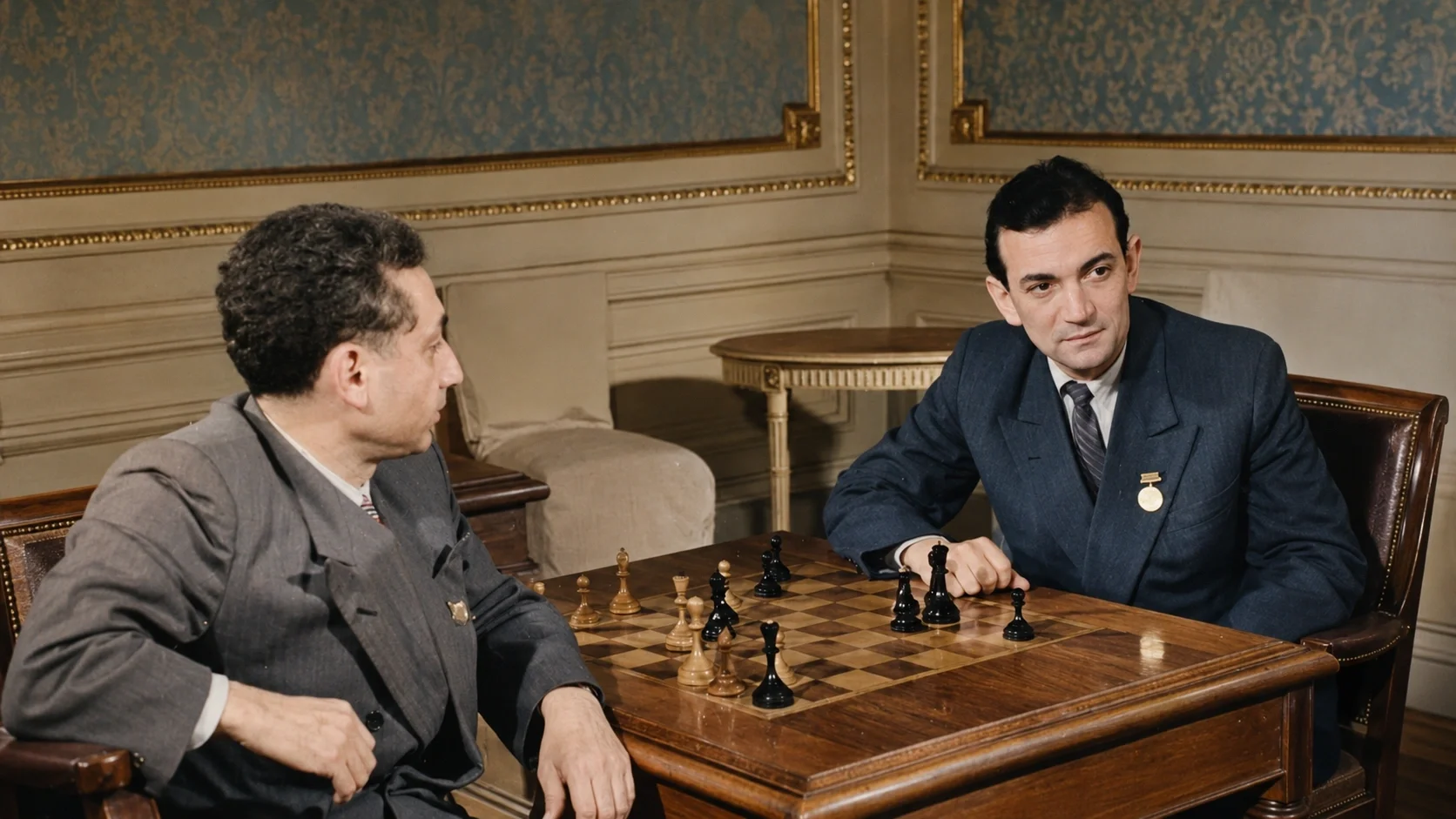
Vladimir Zak was one of the great teachers of Soviet chess. A candidate master, author, war veteran, and Honored Trainer of the USSR, he spent decades at the Leningrad Pioneers’ Palace shaping players such as Boris Spassky, Viktor Korchnoi, Larisa Volpert, Gata Kamsky, Valery Salov, and Genna Sosonko. His legacy belongs to instruction, discipline, mentorship, and the transmission of Leningrad chess culture.