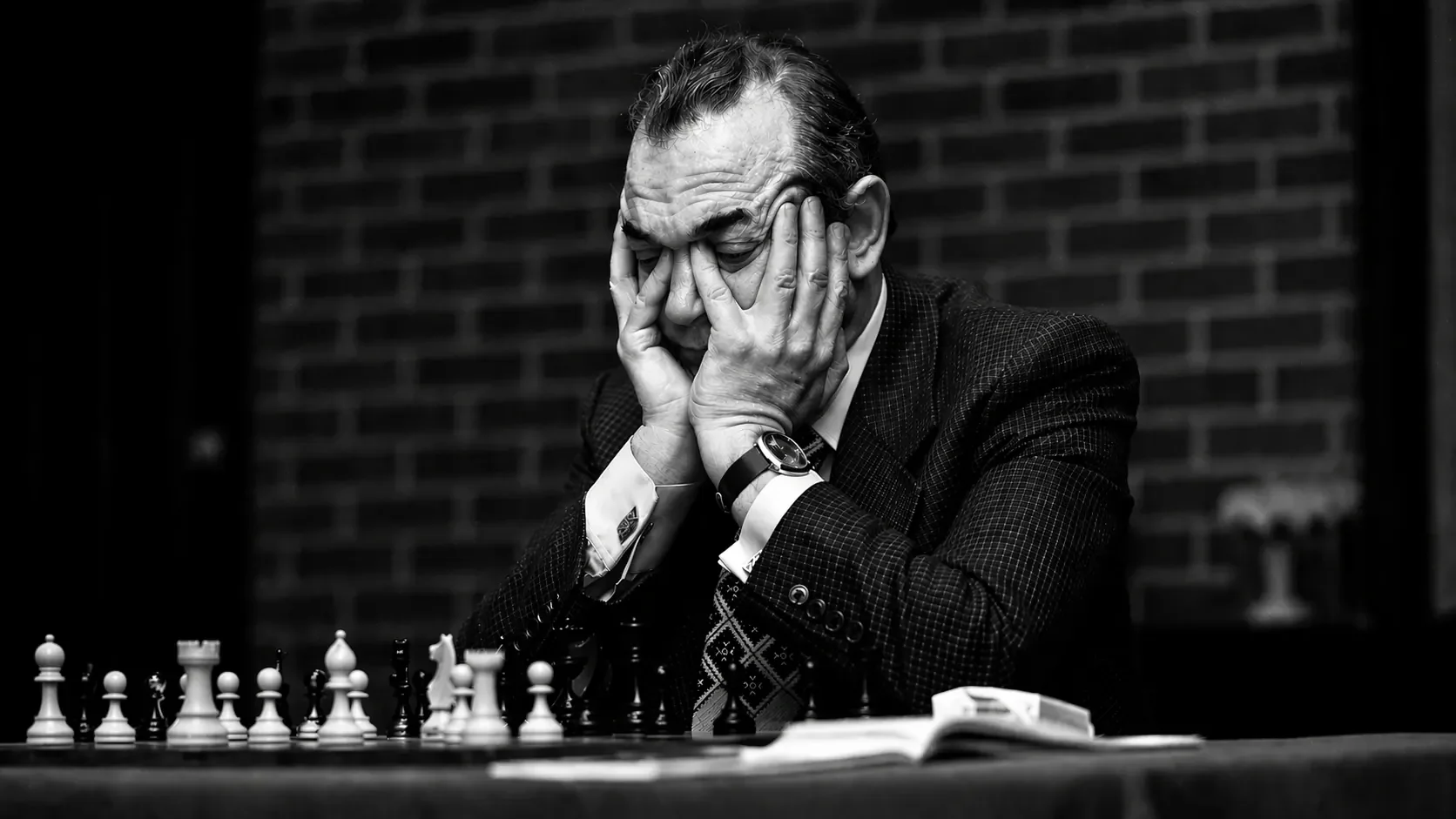
How the Early Soviet State Turned Chess Into a Tool
A look inside the origins of Soviet chess culture. These articles trace how early USSR institutions and political leaders transformed chess into a tool for education, discipline, and national development, setting the foundation for decades of dominance in world chess.
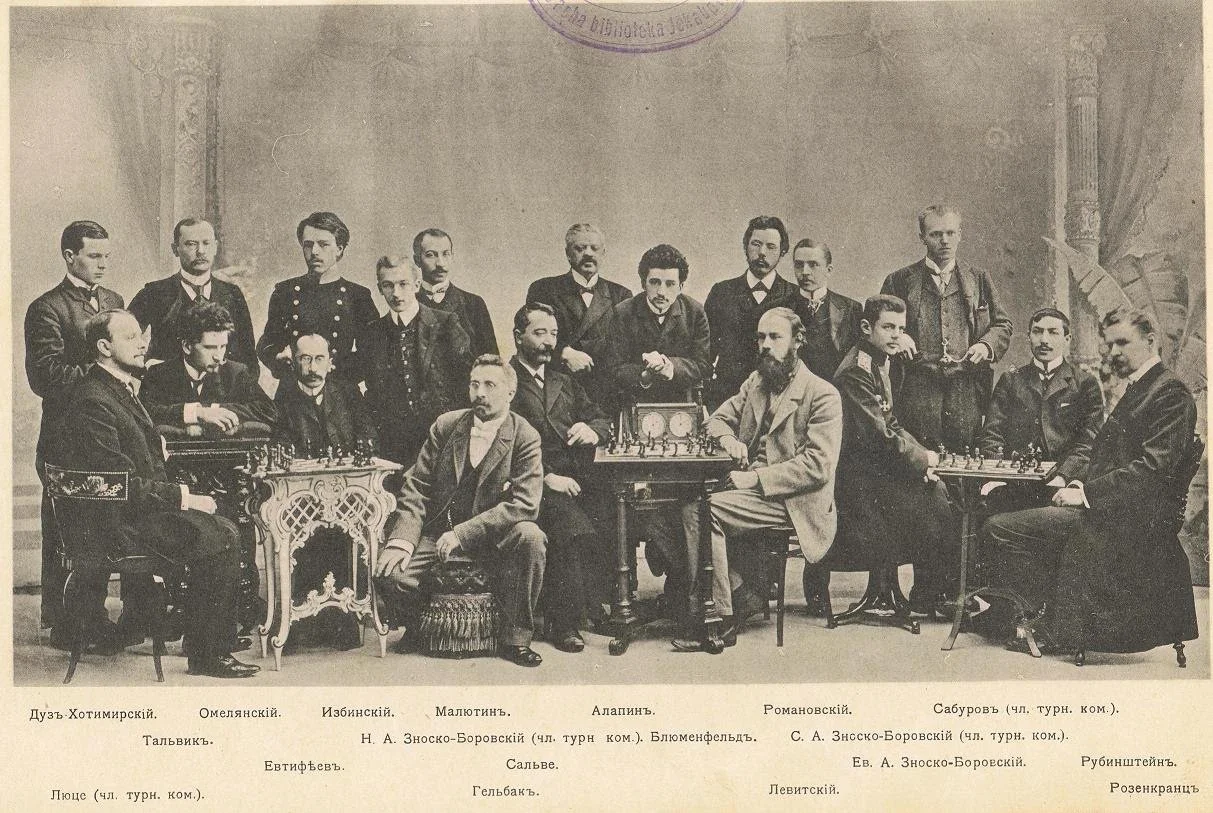
Semyon Alapin
Semyon Alapin was a leading Russian master and influential chess theorist. This profile examines his rivalry with Mikhail Chigorin, his international career, playing style, analytical writings, and enduring association with the Alapin Variation.
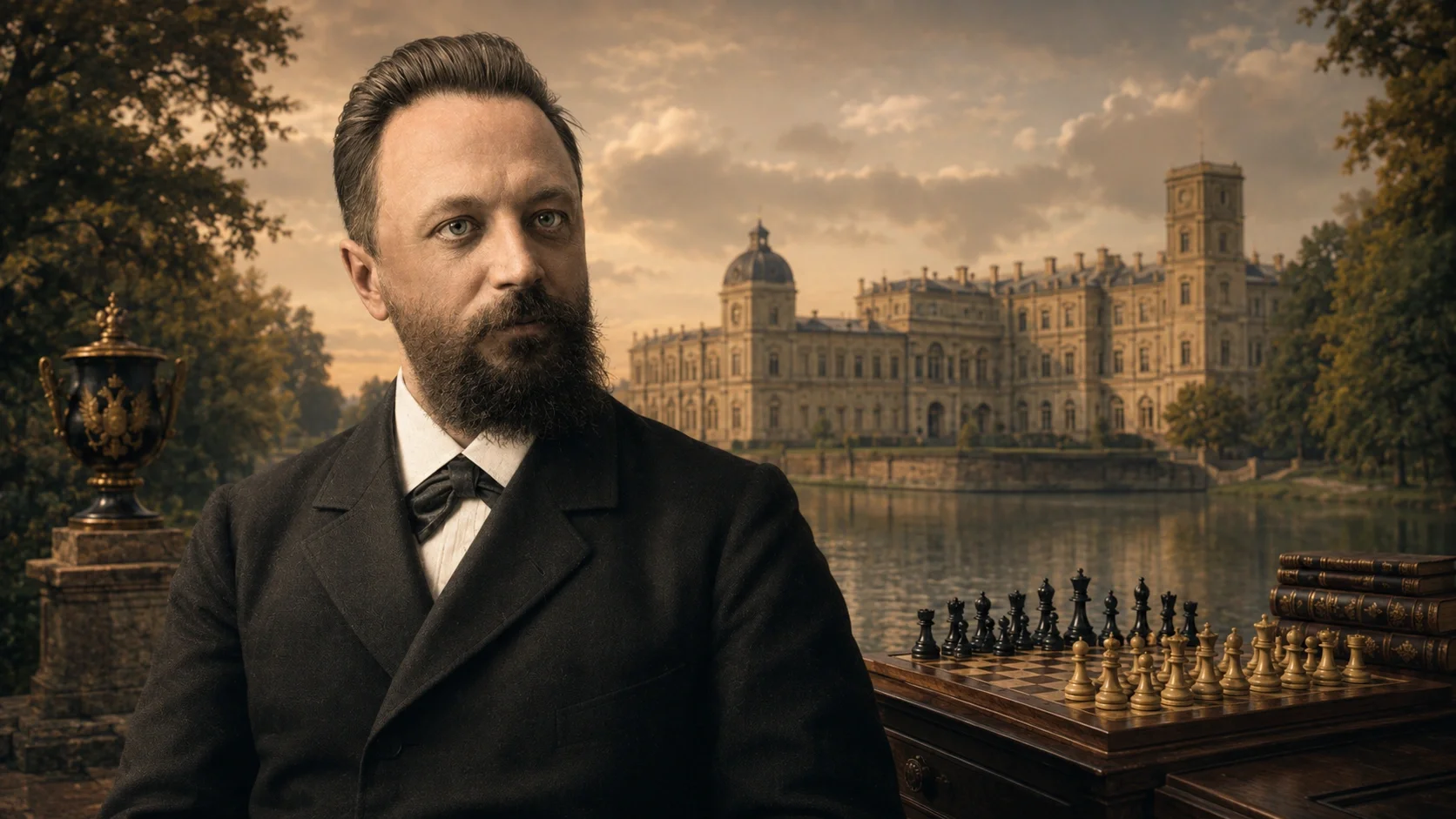
Mikhail Chigorin
Mikhail Ivanovich Chigorin (1850–1908) stands as a legendary figure in chess history, often celebrated as the last great player of the Romantic era and the founding father of the Russian (later Soviet) school of chess. In the late 19th century, Chigorin rose from humble beginnings in Imperial Russia to challenge the world’s best players, including two World Championship matches against the reigning champion Wilhelm Steinitz.