Vladimir Liberzon
Vladimir Mikhailovich Liberzon was born in Moscow on March 23, 1937. From an early age, he trained in a strong junior study group coached by Boris Voronkov; his fellow pupils included the USSR junior champions Alexander Tomson and Alexander Kuinzhi. Liberzon earned the International Master title in 1963 and the Grandmaster title in 1965. During the 1960s, he climbed through the ranks of Soviet chess, winning the Central Chess Club championship in Moscow three consecutive times (1963, 1964, and 1965) and capturing or sharing top places at tournaments in Kislovodsk, Yerevan, Leipzig, Zinnowitz, Debrecen, and Amsterdam. In Soviet championships, his best result was fourth place at the 1968–69 event in Alma‑Ata.
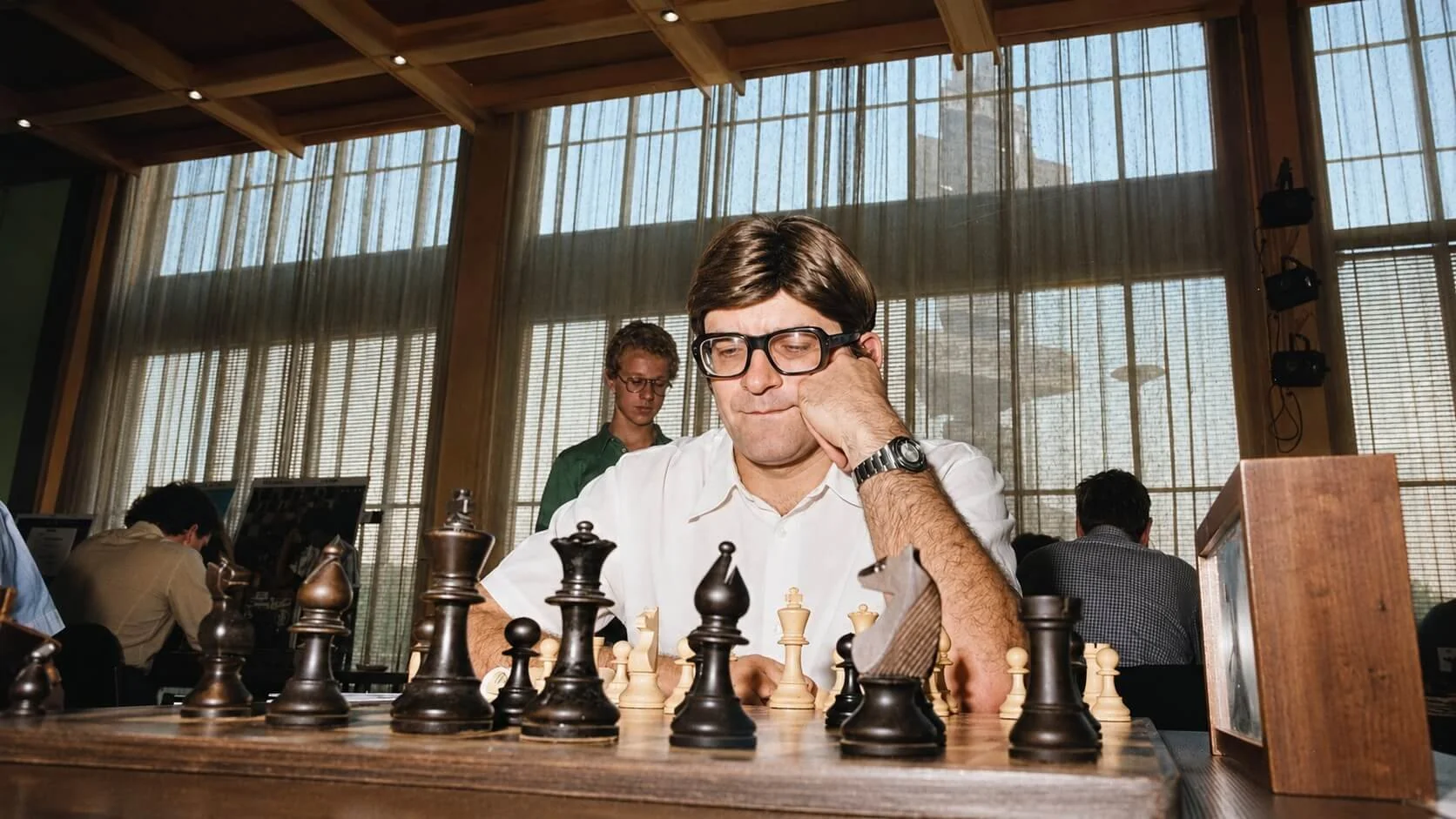
Liberzon’s practical and resilient style earned praise from contemporaries. British grandmaster and journalist William Hartston later recalled in The Independent that Liberzon’s disciplined professionalism made him one of the most consistent performers on the tournament circuit of the 1960s and 1970s. He also produced memorable games against leading players; his victory over former world champion Mikhail Tal at Moscow in 1963 showcased his ability to exploit opposite‑coloured bishops in a creative attack.
Emigration and Israeli achievements
In 1973, Liberzon emigrated from the Soviet Union to Israel. He was the first grandmaster the Soviet authorities allowed to leave, and he immediately became Israel’s first grandmaster. The following year, he won the Israeli national championship without losing a game, cementing his status as the country’s leading player. Liberzon’s move opened the door for other Soviet players and is widely credited with catalyzing the rapid growth of Israeli chess.
After changing federations, he excelled in international events. He took first place in Venice 1974 and Lone Pine 1975, tied for second at Netanya and Reykjavík in 1975, shared first at Beer‑Sheva 1976 and Netanya 1977, took third in Amsterdam 1977, shared first again at Lone Pine 1979, and placed fourth at Beer‑Sheva 1984. Liberzon also represented Israel in four Chess Olympiads, playing first board in Nice 1974 (scoring +4 –3 =8) and Haifa 1976 (+2 –2 =6), second board in Buenos Aires 1978 (+1 –2 =6), and again first board in La Valletta 1980 (+2 –2 =5). His consistent results on the top board helped establish Israel as a competitive team on the world stage.
Legacy and influence
Liberzon’s playing style balanced positional solidity with tactical alertness, making him difficult to defeat. His emigration marked a watershed for Soviet Jewry and for Israeli sports; he became a symbol of perseverance and professional excellence. Hartston argued that Liberzon’s presence and coaching spurred the subsequent advances of Israeli chess. Beyond his competitive record, he was known for his training work and wrote at least two chess books in Hebrew, sharing insights on openings and strategy. According to one account, he quipped that no line of the Alekhine Defense was truly sound—a comment that reveals both his humor and critical approach to opening theory.
Liberzon’s life was cut short when he died of a heart attack in his home in 1996; his body was discovered three days later. He was 59. Today, his legacy endures in the memories of players he coached, the games he played, and the bridge he forged between Soviet and Israeli chess. As Israel’s first grandmaster and a prominent figure in Soviet chess, Vladimir Liberzon remains an important chapter in the history of the game.
