Yuri Averbakh
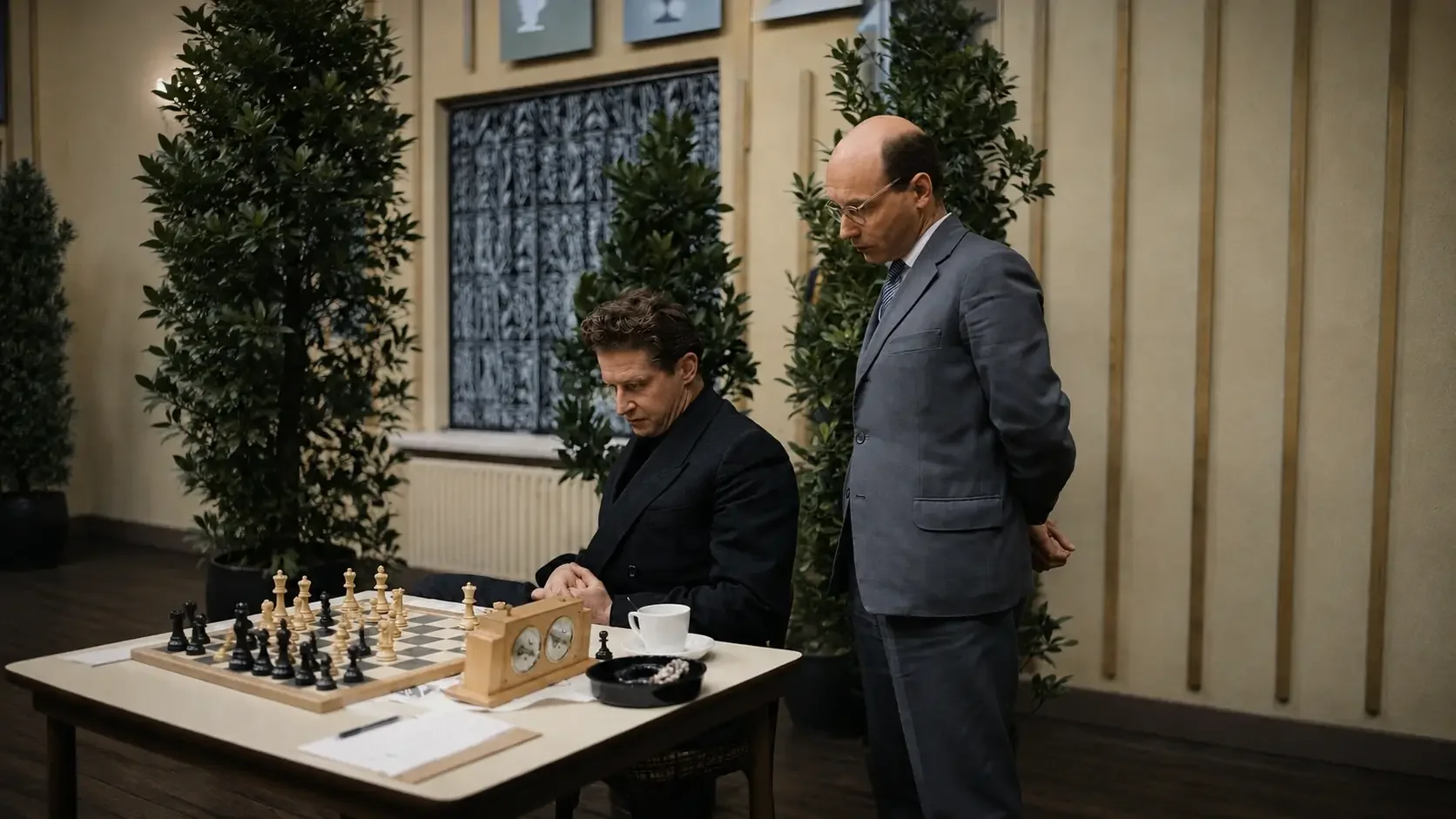
Yuri Lvovich Averbakh was one of the essential figures of Soviet chess, not because he became world champion, but because he helped build the intellectual culture that made Soviet chess so powerful. He was a grandmaster, Soviet champion, Candidates participant, endgame theorist, author, editor, arbiter, administrator, composer, historian, and educator. Few chess figures lived so long, worked across so many areas of the game, or preserved so much of the Soviet chess world from direct personal experience.
Averbakh was born on February 8, 1922, in Kaluga, in the Russian Soviet Federative Socialist Republic. His life stretched across almost the entire Soviet chess century. He came of age during the rise of organized Soviet chess, matured during the Second World War and the postwar expansion of Soviet chess institutions, competed in the era of Botvinnik, Smyslov, Bronstein, Keres, Geller, and Spassky, then lived long enough to see chess enter the age of engines, databases, online play, and global media. When he died in Moscow on May 7, 2022, only months after his hundredth birthday, he was widely recognized as the oldest living grandmaster.
Averbakh learned chess as a child, around the age of seven, but his early interests were not confined to the board. He played volleyball, hockey, skied, and boxed. This wider athletic background is worth noting because Averbakh was never the caricature of a purely bookish chess scholar. His later reputation for calm, rational, technical play grew out of a disciplined personality, not a narrow one. The crucial intellectual moment came in 1935, when he heard the celebrated chess composer Nikolai Grigoriev lecture during the period of the Moscow international tournament. Grigoriev’s pawn studies made a deep impression on him. They showed the young Averbakh that chess could be art, science, discipline, and discovery.
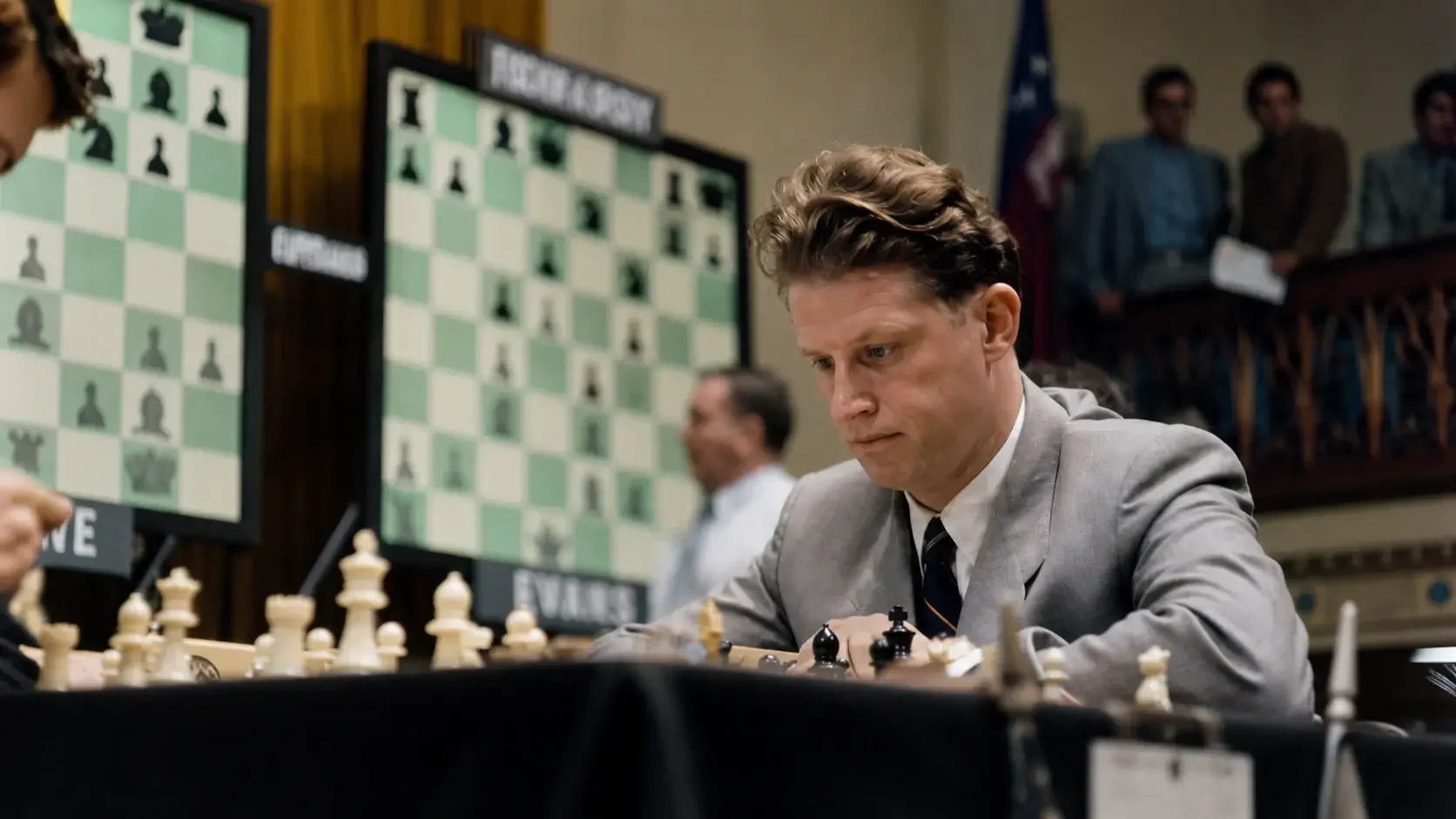
His first major success came in 1938, when he won the Soviet schoolchildren’s championship. The Second World War interrupted his development, as it did for an entire generation. Averbakh was evacuated from Moscow to Izhevsk and returned to the capital in 1943. That wartime disruption gives his later rise a particular historical weight. He did not emerge from a quiet sporting environment. He entered elite chess after one of the most destructive periods in Soviet history, at precisely the moment when Soviet chess was becoming a major cultural and international project.
After the war, Averbakh’s competitive career advanced quickly. He became Moscow champion in 1949 and again in 1950, a significant achievement in one of the strongest chess cities in the world. In 1952 he earned the grandmaster title and qualified from the Stockholm Interzonal for the 1953 Zurich Candidates Tournament. Zurich placed him among the serious world championship contenders of the period. Although he did not win the Candidates, his presence there confirmed that he belonged to the highest level of postwar Soviet chess.
His greatest competitive achievement came in 1954, when he won the USSR Chess Championship. That title was among the hardest national championships in chess history. In the Soviet Union, winning the national championship often required defeating or outlasting players who were already world-class. In 1956, Averbakh again came close to the title, sharing first place with Mark Taimanov and Boris Spassky before finishing second in the playoff. He also competed in Interzonal events in 1952 and 1958, keeping him firmly within the elite structure of the world championship cycle.
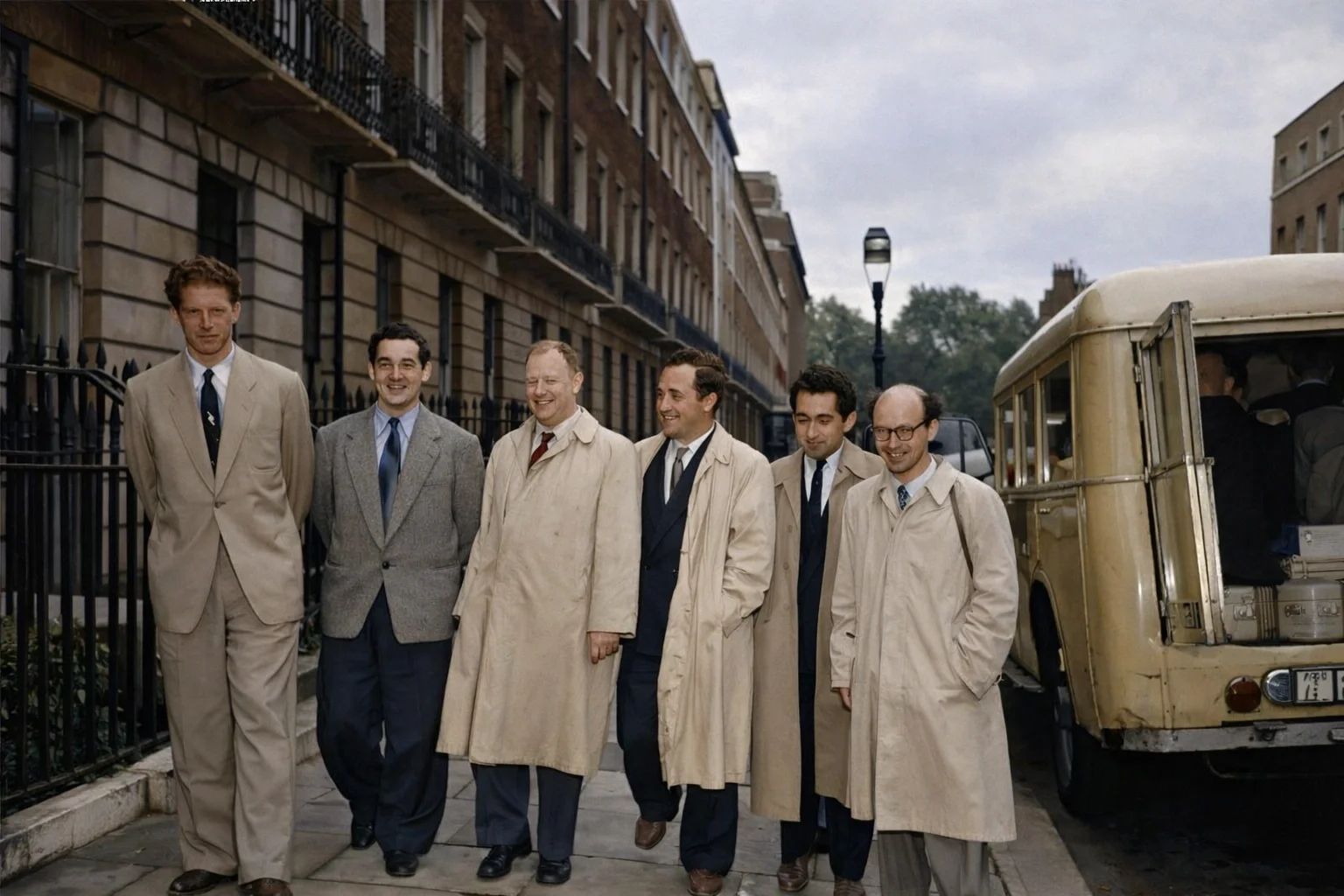
Averbakh’s chess style was deeply connected to his personality. He was not known primarily as a tactician, romantic attacker, or psychological provocateur. He was a strategist, evaluator, and technician. He once reflected that he had learned chess “the wrong way round,” becoming a strategist before fully absorbing the tactical and combinational side of the game. The remark is revealing. Averbakh’s strength lay in judgment, structure, patience, and technical precision. He understood how to reduce chaos, clarify positions, and guide games toward endings where his knowledge and discipline could speak most clearly.
His name appears in opening theory, especially through the Averbakh Variation of the King’s Indian Defense, and he contributed to several areas of opening preparation. Yet his true intellectual domain was the endgame. In that final phase of chess, Averbakh found the subject most suited to his mind. The endgame demands accuracy, classification, memory, imagination, and restraint. It also rewards the scholar’s instinct. Positions that appear simple often contain hidden resources, and positions that appear equal may depend on one precise tempo, square, or exchange.
Averbakh’s endgame writings became one of the great scholarly achievements of twentieth-century chess. His early endgame books appeared in the 1950s and early 1960s, then were expanded into the five-volume project later known in English as Comprehensive Chess Endings. Before computer tablebases, this kind of work required immense analytical labor. Averbakh and his collaborators organized endings by material balance and strategic principle, creating a systematic body of knowledge for players, trainers, and writers. These books helped make the endgame teachable as a structured discipline rather than a loose collection of memorable examples.
That achievement remains central to his legacy. Averbakh was not merely gathering positions. He was organizing chess knowledge. His books trained generations of players to think about the endgame as a field with rules, exceptions, recurring patterns, and deep artistic resources. The influence of this work reached far beyond the Soviet Union. Serious players around the world studied Averbakh’s endgame volumes because they offered something rare: grandmaster insight joined to scholarly classification.
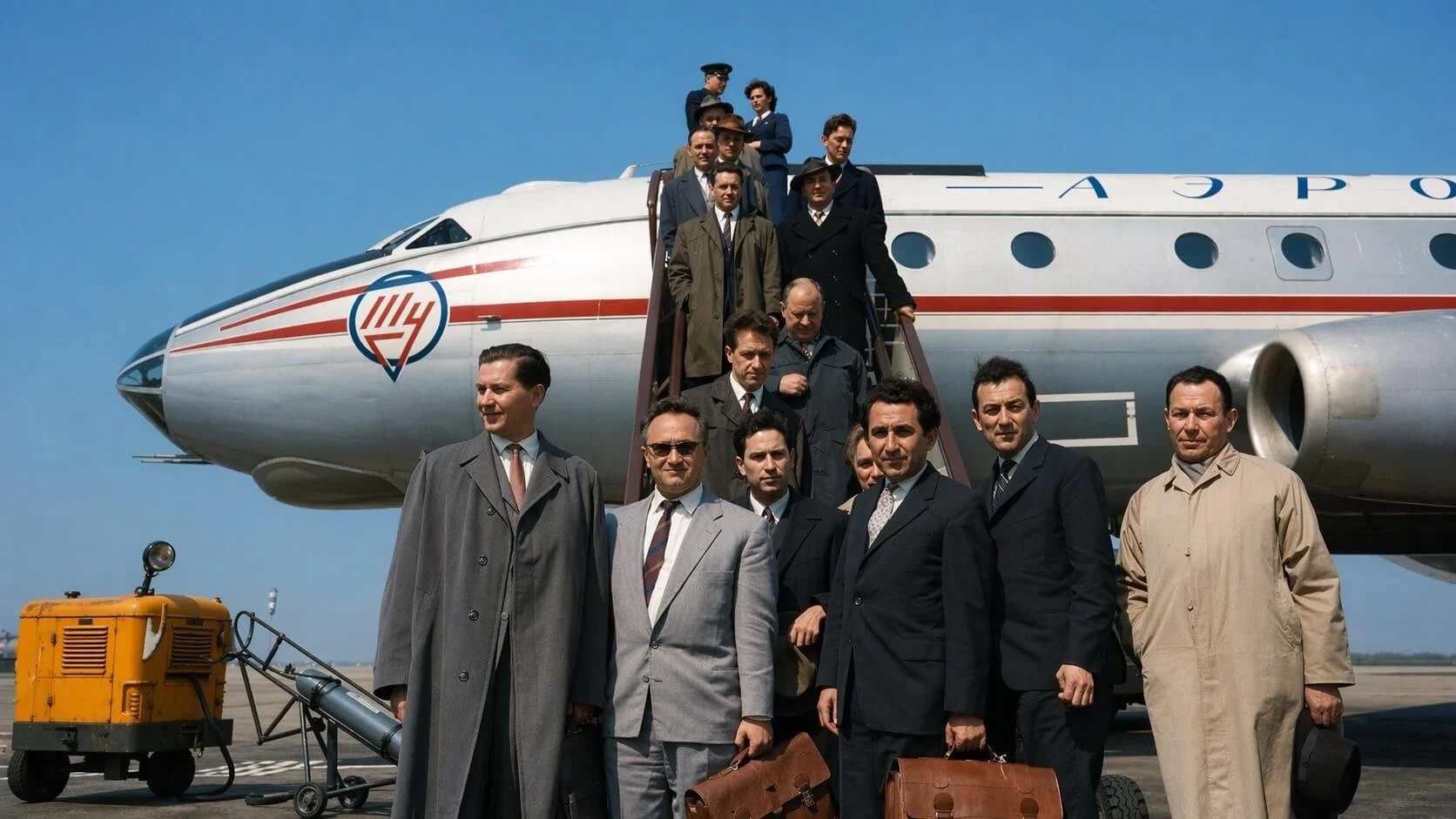
His role as a composer also deserves attention. Averbakh created more than 100 endgame studies. Composition sharpened his sense of paradox and hidden possibility. It also connected him to an older Russian and Soviet tradition in which chess problems and studies were treated as artistic works. This is one reason Averbakh’s endgame writing feels different from ordinary technical manuals. He saw beauty in precision. He understood that the smallest forces on the board could produce extraordinary ideas.
Averbakh was also a major chess author beyond endgame theory. His books include Chess Endings: Essential Knowledge, Journey to the Chess Kingdom with Mikhail Beilin, Averbakh’s Selected Games, The World Chess Championship, Chess Middlegames: Essential Knowledge, and A History of Chess: From Chaturanga to the Present Day. This range shows the breadth of his mind. He wrote for beginners, serious tournament players, historians, and general chess readers. He could explain basic principles, organize advanced theory, and reflect on chess as a cultural phenomenon.
Journey to the Chess Kingdom is especially important because it reveals Averbakh the educator. The book introduced countless young readers to chess and became part of the wider Soviet effort to make chess accessible to children. In the Soviet view, chess was not only a competitive sport. It was a tool for discipline, concentration, calculation, and cultural education. Averbakh was one of the figures who made elite chess knowledge available to the public without stripping it of seriousness.
His historical work adds another dimension. In A History of Chess: From Chaturanga to the Present Day, Averbakh examined the origins and development of chess across cultures. This was not a casual late-life project. It reflected his belief that chess belonged to human civilization, not only to tournament halls. His long life gave him unusual authority as a witness. He had seen the old European masters, competed against the postwar Soviet elite, worked inside Soviet chess institutions, and observed the transformation of the game after the collapse of the USSR.
Averbakh’s institutional role was equally significant. From 1972 to 1977, he chaired the USSR Chess Federation, a sensitive period following Boris Spassky’s loss to Bobby Fischer and during the rise of Anatoly Karpov. He also served as a FIDE delegate and as an international arbiter, including during the 1984-85 Karpov-Kasparov match. These roles placed him inside the machinery of Soviet and international chess. He was not only a player produced by the Soviet system. He became one of its caretakers.
His editorial career strengthened that influence. Averbakh served as chief editor of major Soviet chess publications, including Chess Moscow, Chess in the USSR, and Chess Bulletin. In a pre-internet chess culture, editorial control carried enormous importance. Magazines and bulletins shaped what players studied, how tournaments were remembered, which ideas circulated, and how chess culture understood itself. Through this work, Averbakh helped preserve and distribute the intellectual life of Soviet chess.
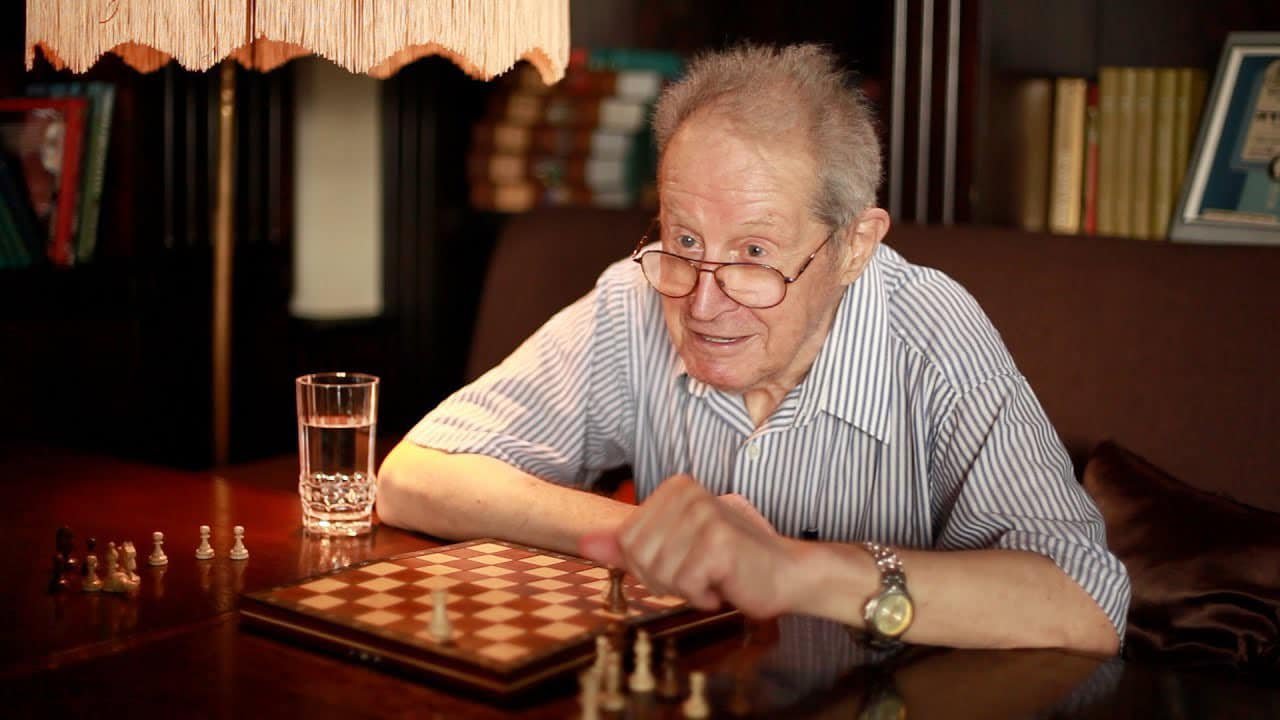
He also appeared on television through Chess School, bringing chess instruction to a broad audience. This public-facing work should not be treated as secondary. Soviet chess strength depended on mass participation as well as elite training. Averbakh helped connect those worlds. He had enough authority to command respect and enough patience to teach clearly. That combination made him a natural ambassador for chess education.
Even in old age, Averbakh remained active in chess culture. He continued to meet young players, visit chess institutions, advise students, and support chess as a lifelong mental discipline. His later years reinforced the image of a man who saw chess as more than competition. For him, chess was study, art, memory, public education, and a way of keeping the mind alive.
Averbakh’s legacy is cumulative. As a player, he was a Soviet champion and world championship contender. As a theorist, he helped define modern endgame study. As a composer, he contributed to the artistic tradition of chess. As an author, he wrote for multiple generations. As an editor and administrator, he helped shape the institutional voice of Soviet chess. As a historian, he placed the game in a broader cultural frame.
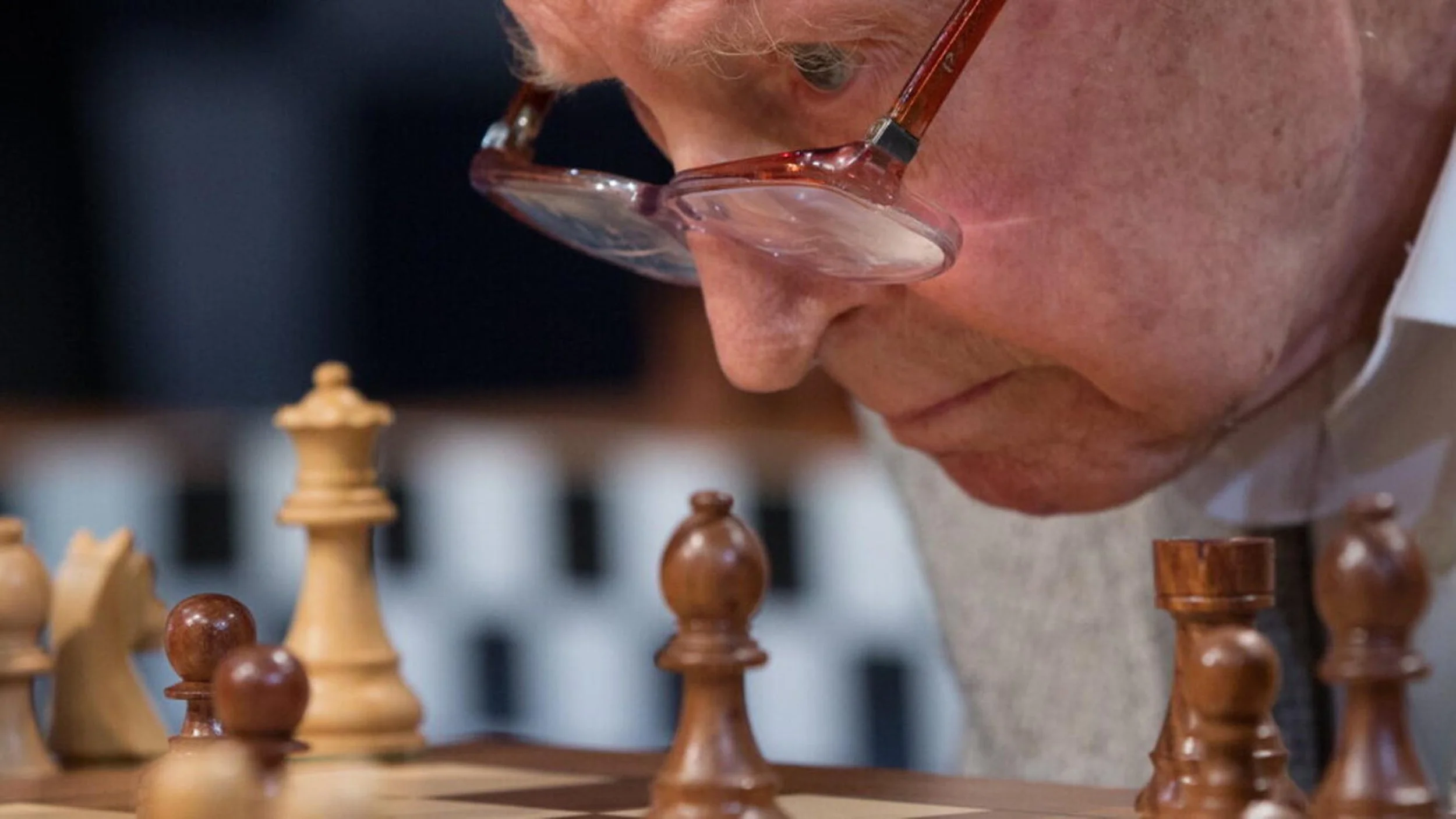
Yuri Averbakh reminds us that Soviet chess was built by more than world champions. It was also built by scholars, teachers, editors, organizers, analysts, and guardians of accumulated knowledge. His life reveals the infrastructure behind chess excellence. He gave the game books, institutions, lessons, studies, memories, and a disciplined model of intellectual service. The world championship title never came to him, but his influence reached into areas that titles alone rarely touch.
For Soviet chess history, Averbakh is indispensable. He was one of the last living bridges to the classical Soviet chess world, and one of its most patient interpreters. His career shows chess as a serious cultural achievement, sustained by study, preservation, and transmission. He did not simply play the game well. He helped explain what chess was, how it could be studied, and why its knowledge deserved to endure.
