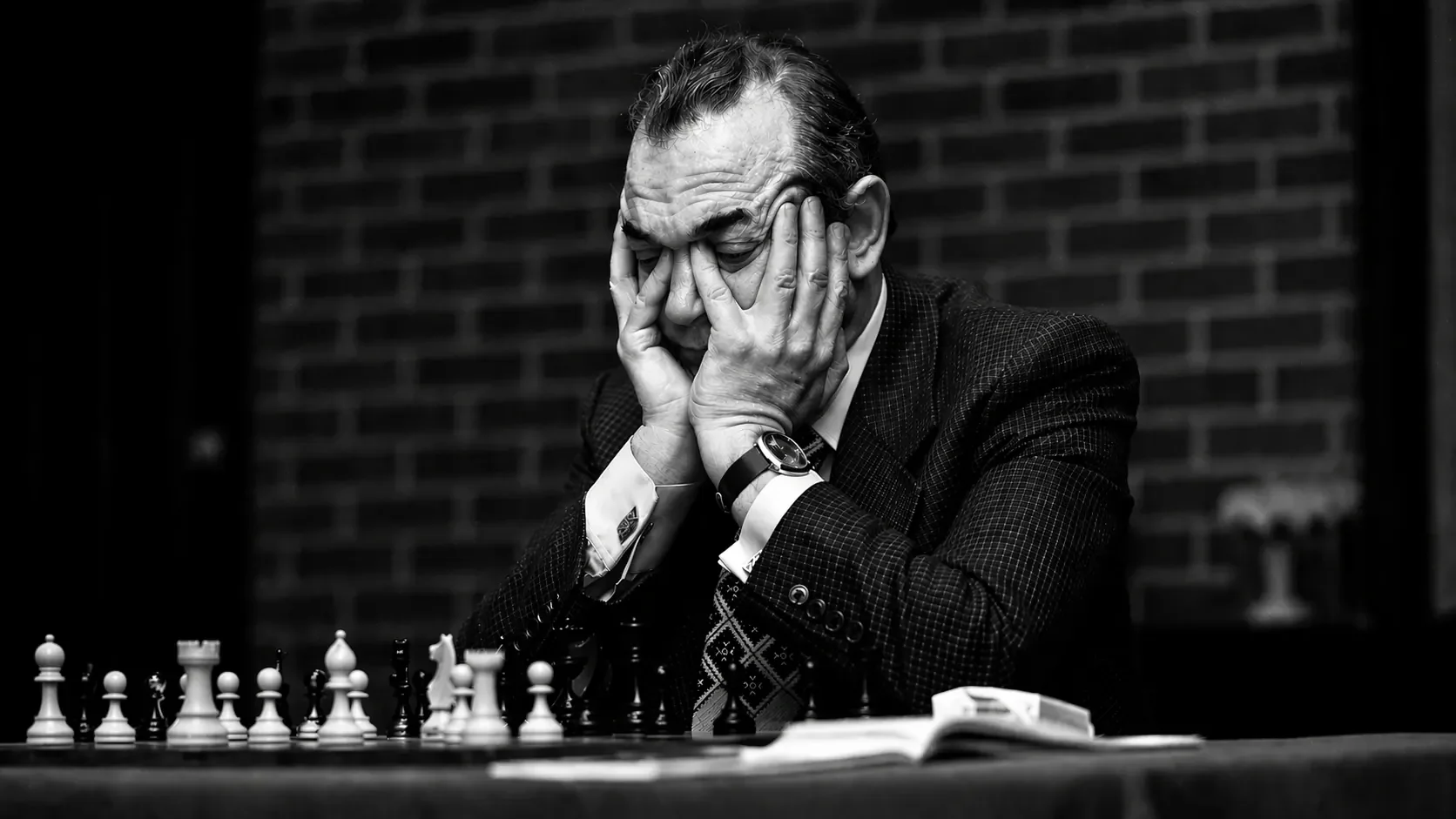
How the Early Soviet State Turned Chess Into a Tool
A look inside the origins of Soviet chess culture. These articles trace how early USSR institutions and political leaders transformed chess into a tool for education, discipline, and national development, setting the foundation for decades of dominance in world chess.
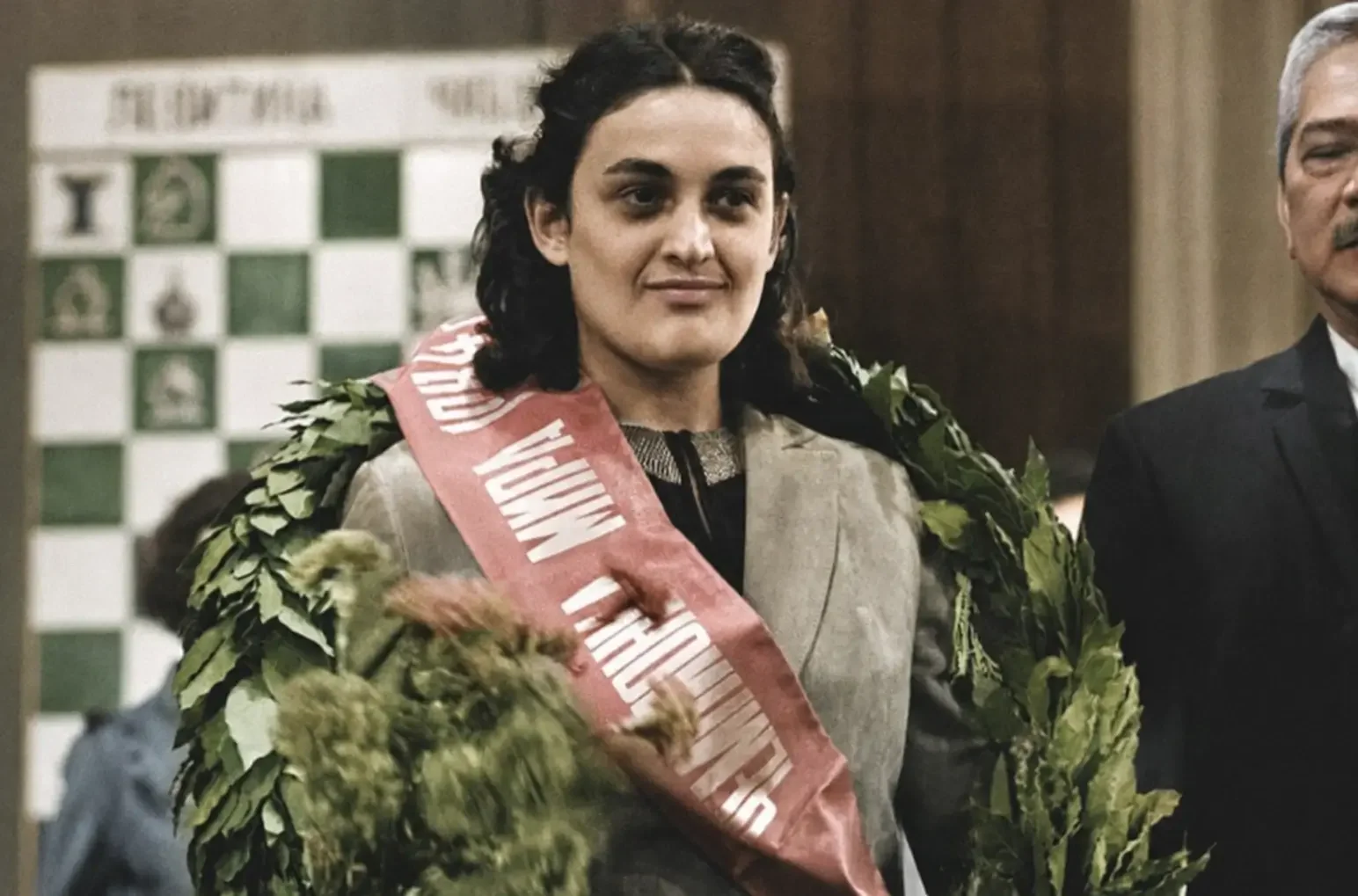
Maia Chiburdanidze
Maia Chiburdanidze became Women’s World Chess Champion at 17 and held the crown for 13 years. This profile examines her Georgian upbringing, Soviet career, playing style, Grandmaster title, Olympiad record, and lasting place in chess history.
Soviet Triumph at the 25th Chess Olympiad
The 1982 Chess Olympiad in Lucerne produced one of the great late-Soviet team performances. Led by Anatoly Karpov, Garry Kasparov, Mikhail Tal, Maia Chiburdanidze, and Nona Gaprindashvili, the USSR won gold in both competitions.
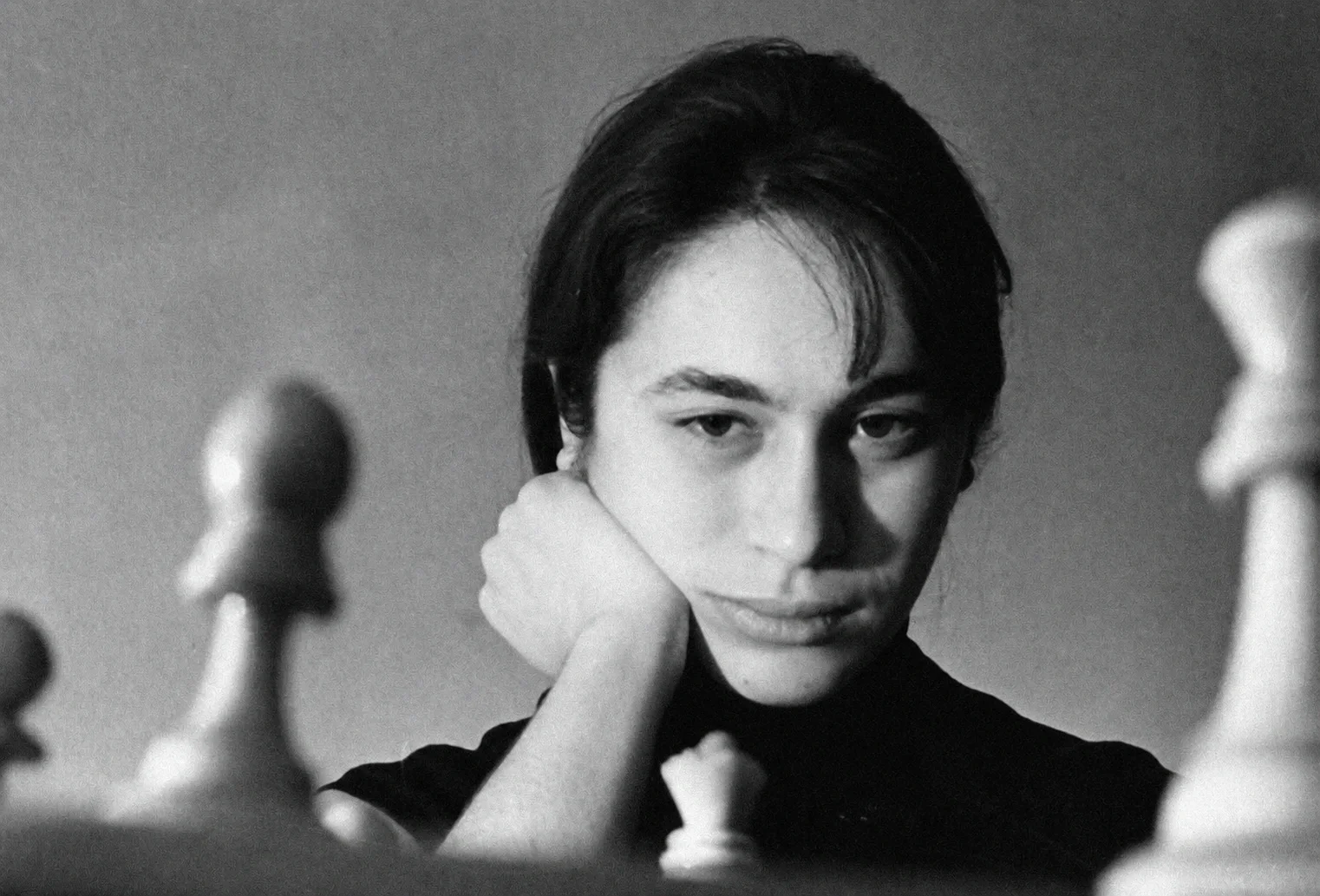
Nana Alexandria
Nana Alexandria rose from the rich Georgian chess culture of the Soviet era to become one of the strongest women players of her generation. A two-time Women’s World Championship challenger, she helped define Soviet women’s chess through her competitive resilience, positional strength, and lasting influence on Georgian chess history.