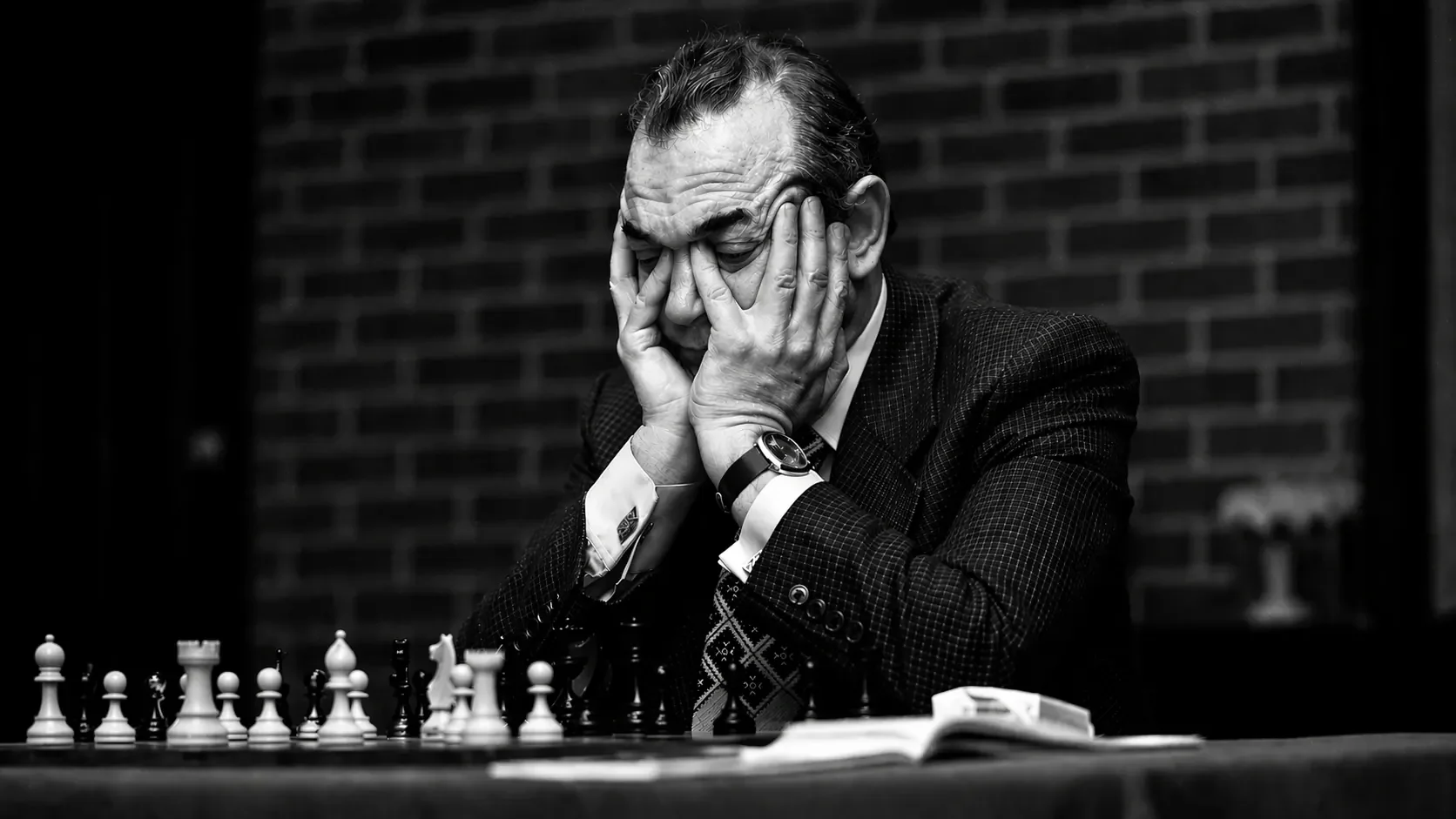
How the Early Soviet State Turned Chess Into a Tool
A look inside the origins of Soviet chess culture. These articles trace how early USSR institutions and political leaders transformed chess into a tool for education, discipline, and national development, setting the foundation for decades of dominance in world chess.
The 7th USSR Championship
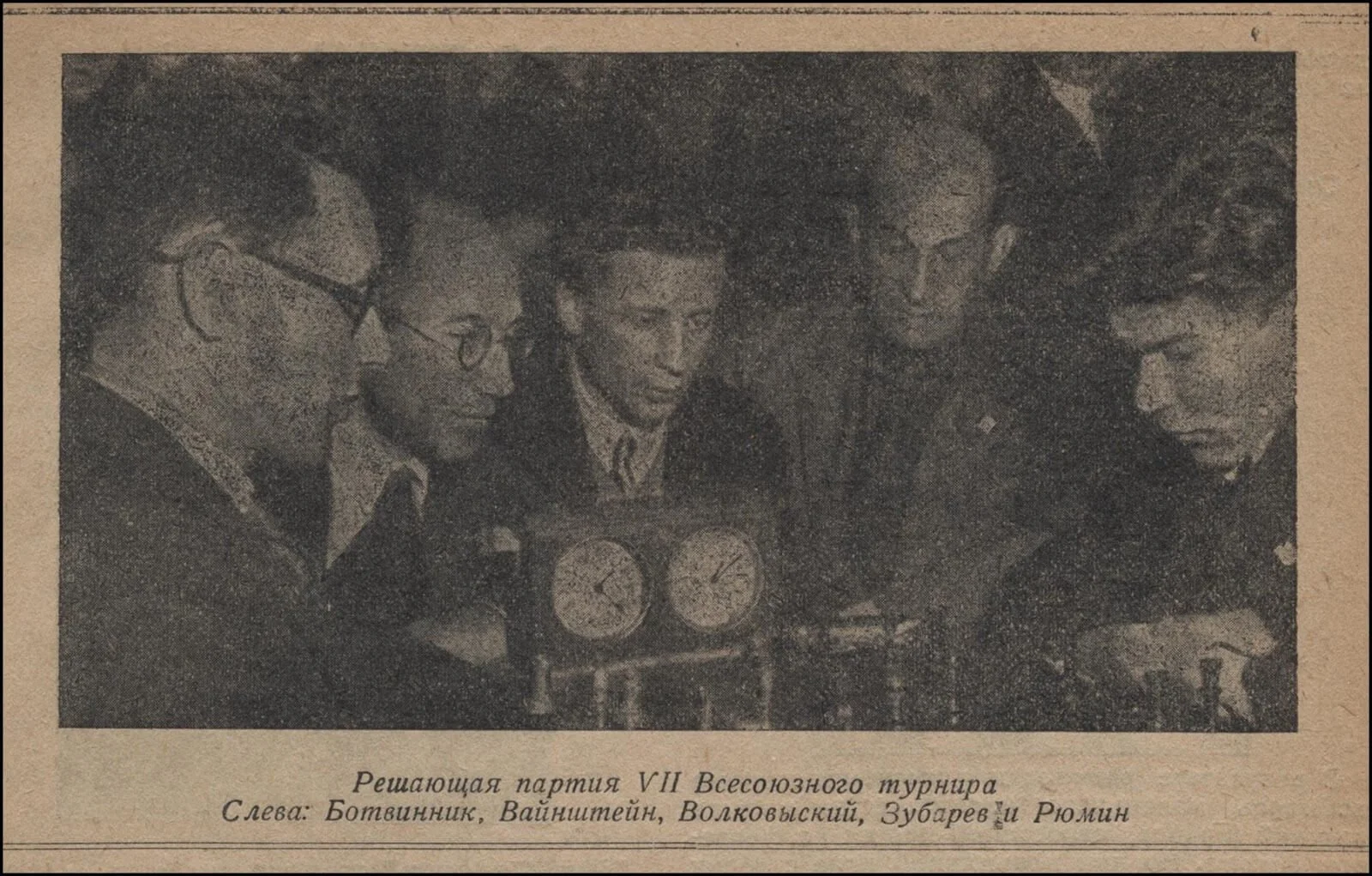
At the 7th Soviet Chess Championship in Moscow, 20-year-old Mikhail Botvinnik won his first Soviet title with 13½/17. His victory over Nikolai Riumin helped secure a two-point winning margin and marked a defining breakthrough in his career.
The 55th USSR Championship
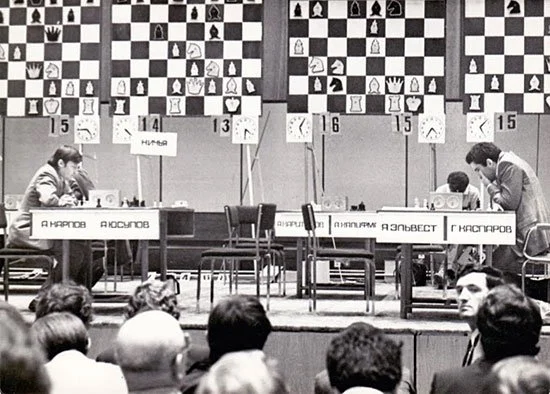
Garry Kasparov and Anatoly Karpov shared the 55th Soviet Chess Championship in Moscow, both undefeated with 11½/17. With Mikhail Botvinnik serving as chief arbiter, the 1988 tournament brought together established champions and rising talents, including Vasily Ivanchuk.
Groningen 1946
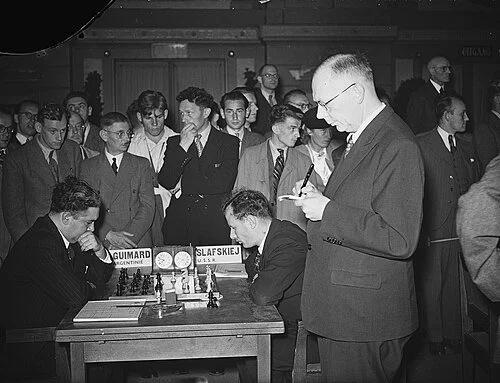
Mikhail Botvinnik won the Groningen 1946 chess tournament by half a point over Max Euwe, with Vasily Smyslov third. Bringing together twenty players from twelve countries, the event demonstrated Soviet chess strength and helped renew elite international competition after World War II.
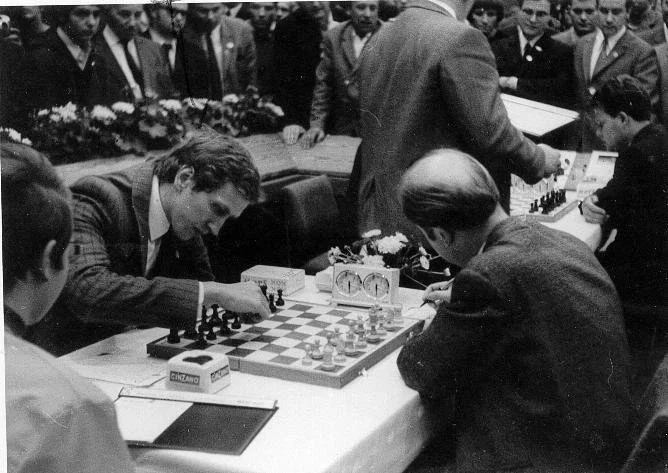
Siegen Chess Olympiad
The 1970 Siegen Chess Olympiad brought 60 teams to West Germany and produced the Soviet Union’s narrowest Olympiad victory to date. This profile examines its format, leading contenders, Spassky-Fischer encounter, public reception, FIDE Congress, and one-point finish ahead of Hungary.
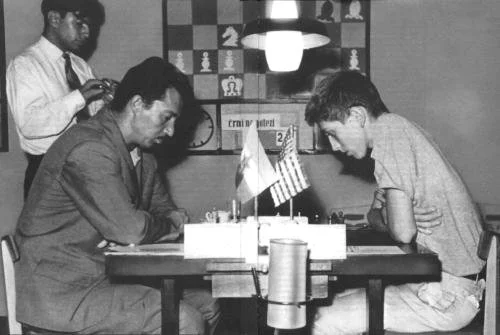
Portorož Interzonal of 1958
The 1958 Portorož Interzonal brought Mikhail Tal, Tigran Petrosian, Svetozar Gligorić, David Bronstein, Pál Benko, Friðrik Ólafsson, and fifteen-year-old Bobby Fischer into one decisive world championship qualifier. Tal overtook Petrosian to win, and a dramatic final round completed the six-player Candidates field.
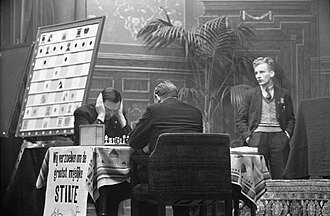
The World Chess Championship of 1937
The 1937 World Chess Championship brought Max Euwe and Alexander Alekhine together for a scheduled 30-game rematch staged across nine Dutch cities. This article examines its private organization, decisive turning points, contemporary press coverage, Soviet analytical reception, and legacy following Alekhine's becoming the first former champion to regain the title.
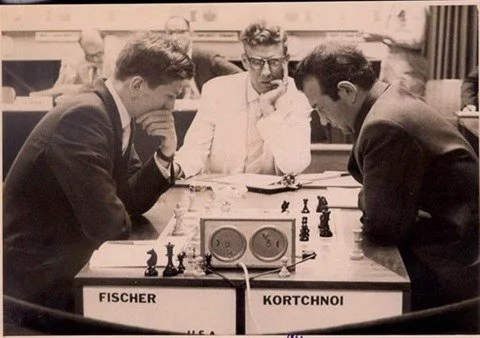
Sousse Interzonal 1967
Held in Tunisia, the 1967 Sousse Interzonal brought the world championship cycle to Africa and ended with Bent Larsen winning by 1½ points. This documented history examines Fischer’s withdrawal, the Soviet challenge, the playoff for sixth place, and the tournament’s lasting significance.
San Antonio 1972
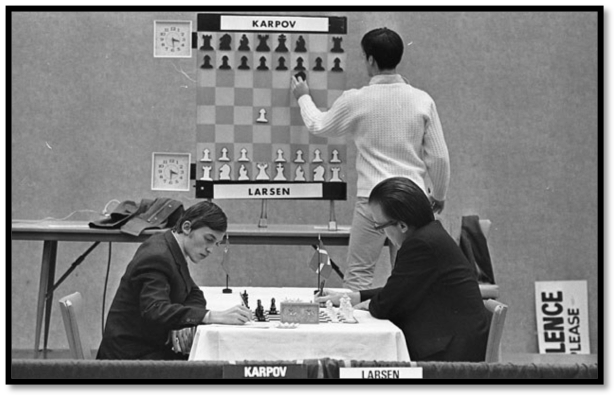
In late 1972, a San Antonio fast-food company assembled one of the strongest chess fields yet seen in the United States. Anatoly Karpov, Tigran Petrosian, and Lajos Portisch shared first after a contest shaped by corporate patronage, Portisch’s late surge, and two short final-round draws that drew lasting scrutiny.
The 1986 Dubai Chess Olympiad
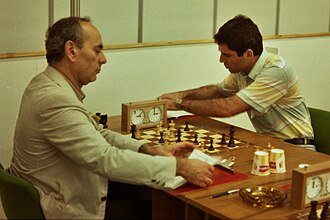
The 1986 Dubai Chess Olympiad drew a record 108 open teams to the UAE. Israel’s exclusion prompted boycotts and a major FIDE dispute. Led by Garry Kasparov and Anatoly Karpov, the Soviet Union recovered from a mid-event setback to edge England by half a point. Nona Gaprindashvili scored a perfect 10/10 as the Soviet women also won gold.
Valetta 1980
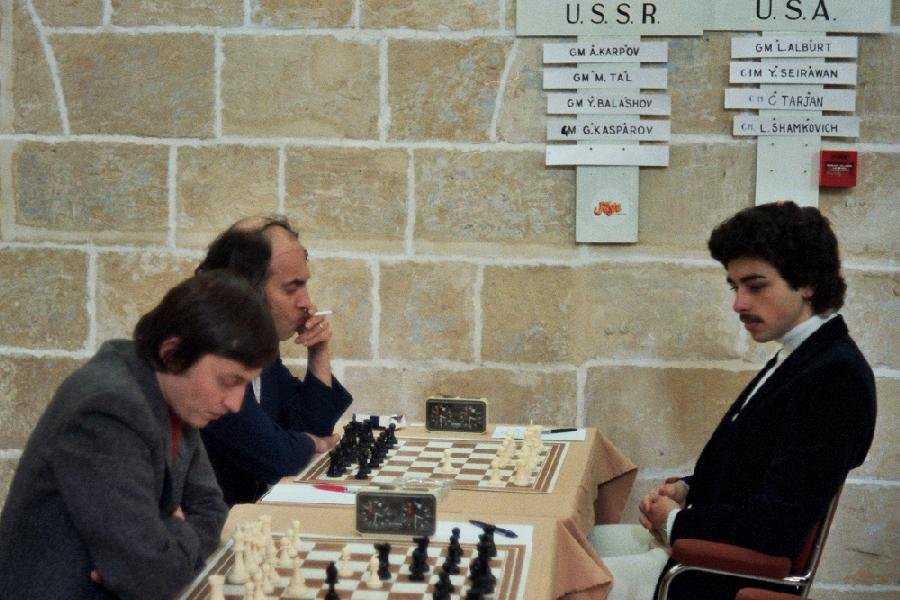
At the 1980 Chess Olympiad in Valletta, the Soviet Union reclaimed team gold after a tense tie with Hungary. Discover how Anatoly Karpov, Mikhail Tal, and 17-year-old Olympiad debutant Garry Kasparov contributed to one of chess history’s closest finishes.
Karpov Korchnoi: Baguio 1978
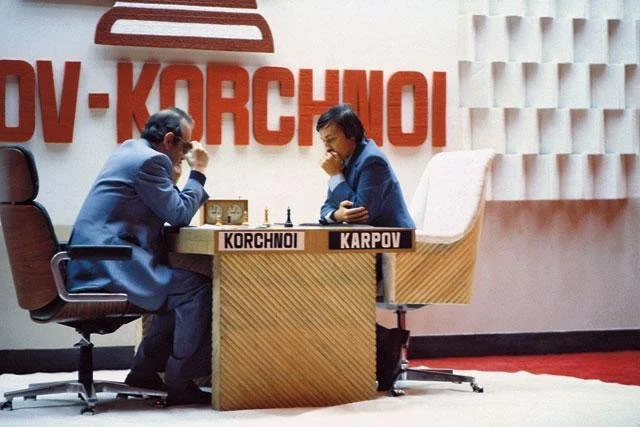
Anatoly Karpov and Viktor Korchnoi’s 1978 World Chess Championship in Baguio City, Philippines, became one of chess history’s most dramatic title matches. This deeply researched account examines the 32-game struggle, Korchnoi’s comeback from 5-2 to 5-5, Cold War pressures, off-board controversies, and Karpov’s victory in Game 32.
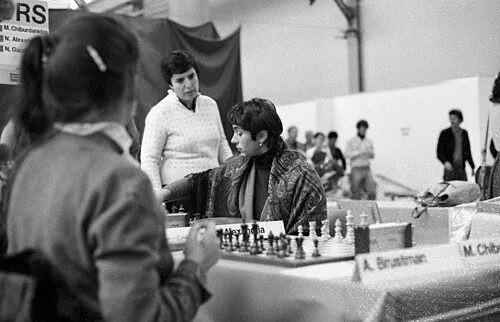
Soviet Triumph at the 25th Chess Olympiad
The 1982 Chess Olympiad in Lucerne produced one of the great late-Soviet team performances. Led by Anatoly Karpov, Garry Kasparov, Mikhail Tal, Maia Chiburdanidze, and Nona Gaprindashvili, the USSR won gold in both competitions.

The 1976 Euwe Schaakvierkamp
At the 1976 Euwe Schaakvierkamp in Amsterdam, Anatoly Karpov won Max Euwe’s seventy-fifth-birthday jubilee event ahead of Walter Browne, Jan Timman, and Fridrik Olafsson. This article explains the tournament’s organization, cultural setting, competitive meaning, and later place in chess memory.
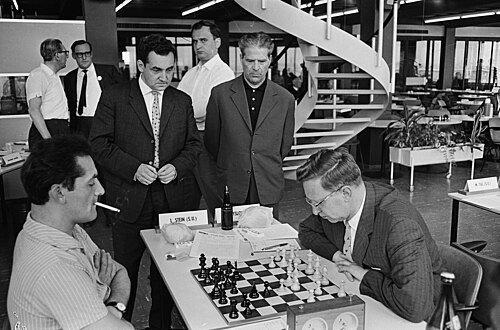
The 1964 Interzonal at Amsterdam
The 1964 Amsterdam Interzonal was a pivotal stage in the 1966 World Championship cycle. This article examines its format, field, Soviet stakes, four-way first-place finish, and the qualification rule that left Leonid Stein and David Bronstein outside the Candidates matches.

Netherlands vs. USSR Friendly Team Match
The Netherlands vs. USSR Friendly Team Match stands as a revealing episode in postwar chess culture, bringing Dutch chess into direct contact with the Soviet school at a time when international team events carried both sporting and institutional weight. This article examines the match’s organization, format, leading participants, competitive course, press reception, and later historical significance.
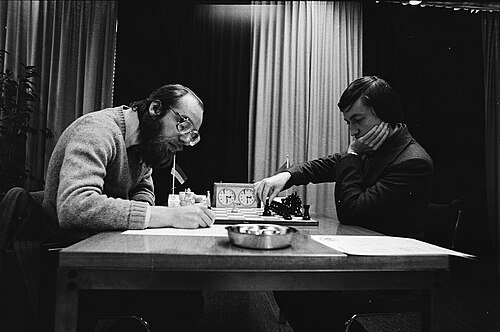
Tilburg 1979
Tilburg 1979 was one of the defining Interpolis chess tournaments of the late 1970s, bringing Anatoly Karpov, Oleg Romanishin, Lajos Portisch, Vlastimil Hort, Jan Timman, Vasily Smyslov, and other leading grandmasters into a compact Dutch arena. This article examines the event’s organization, field, Soviet relevance, competitive course, critical games, reception, and later historical assessment.
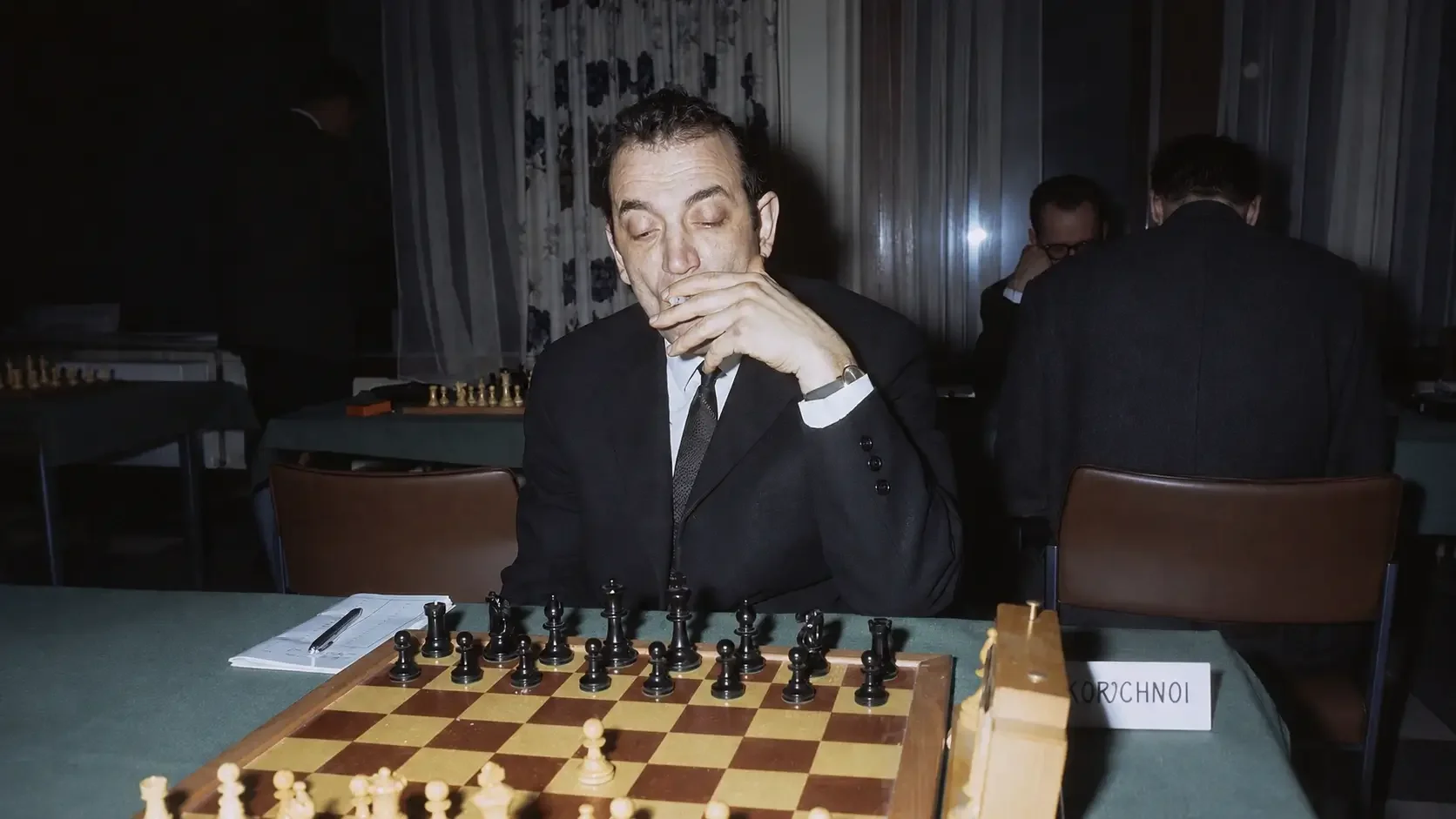
Viktor Korchnoi wins Hoogovens 1968
Viktor Korchnoi’s victory at Hoogovens 1968 was one of the most dominant results of his career. Scoring 12/15, he finished three full points ahead of Mikhail Tal, Vlastimil Hort, and Lajos Portisch, turning the Dutch tournament into a powerful statement during a landmark year in Soviet chess.
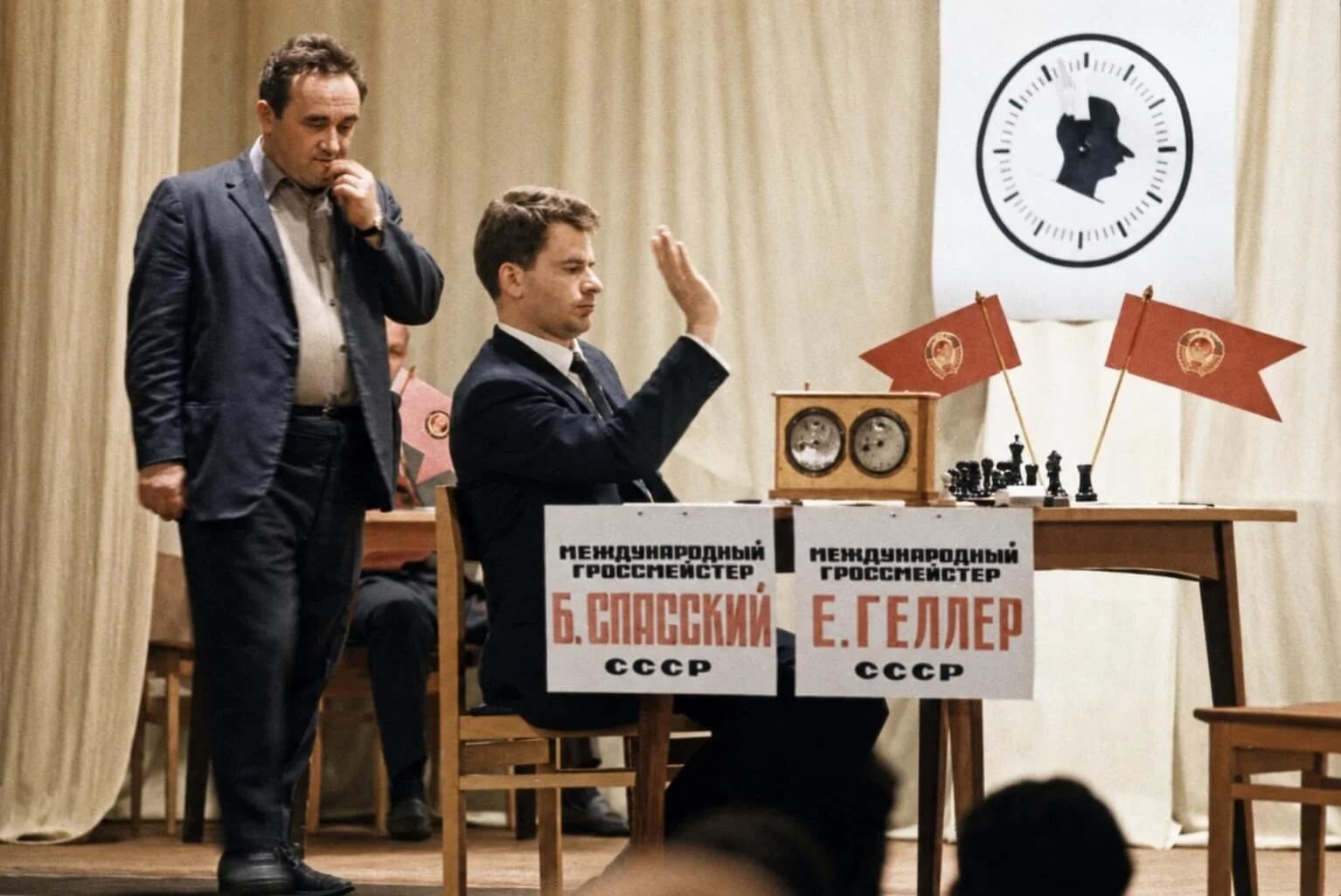
1968 Spassky vs. Geller Candidates Match
Explore the historic 1968 FIDE Candidates match between Boris Spassky and Efim Geller in Sukhumi. Discover the psychological warfare, archival photos, and Closed Sicilian masterclass that propelled Spassky toward the World Chess Championship crown.
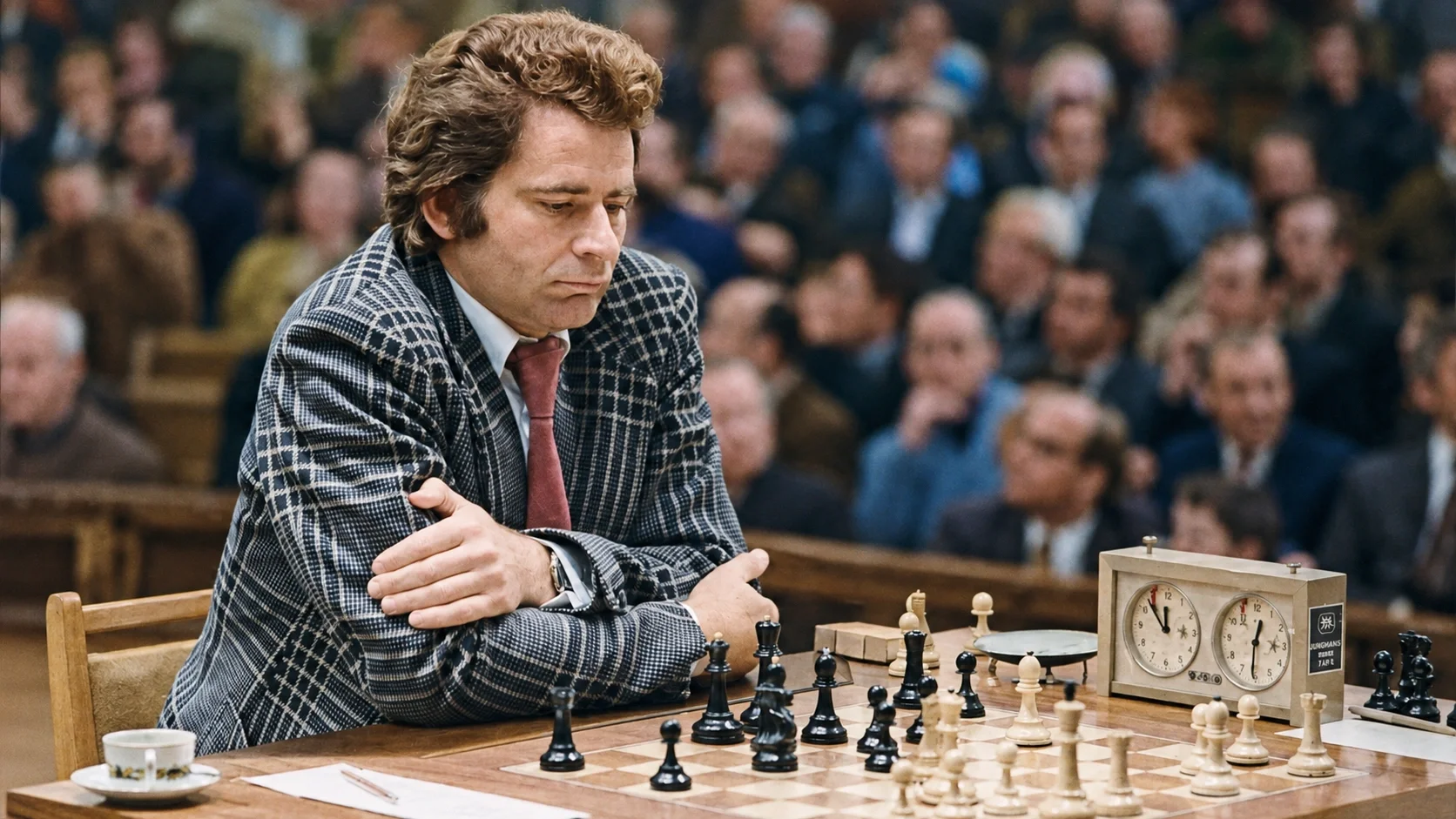
41st USSR Chess Championship
In October 1973, Moscow staged a championship that condensed almost the entire Soviet chess world into one hall. The 41st USSR Championship revealed how the Soviet system responded to Fischer’s 1972 triumph, why Spassky’s return to first place carried unusual force, and how the road from Botvinnik’s age to Karpov’s was already visible before the world title formally changed hands again.
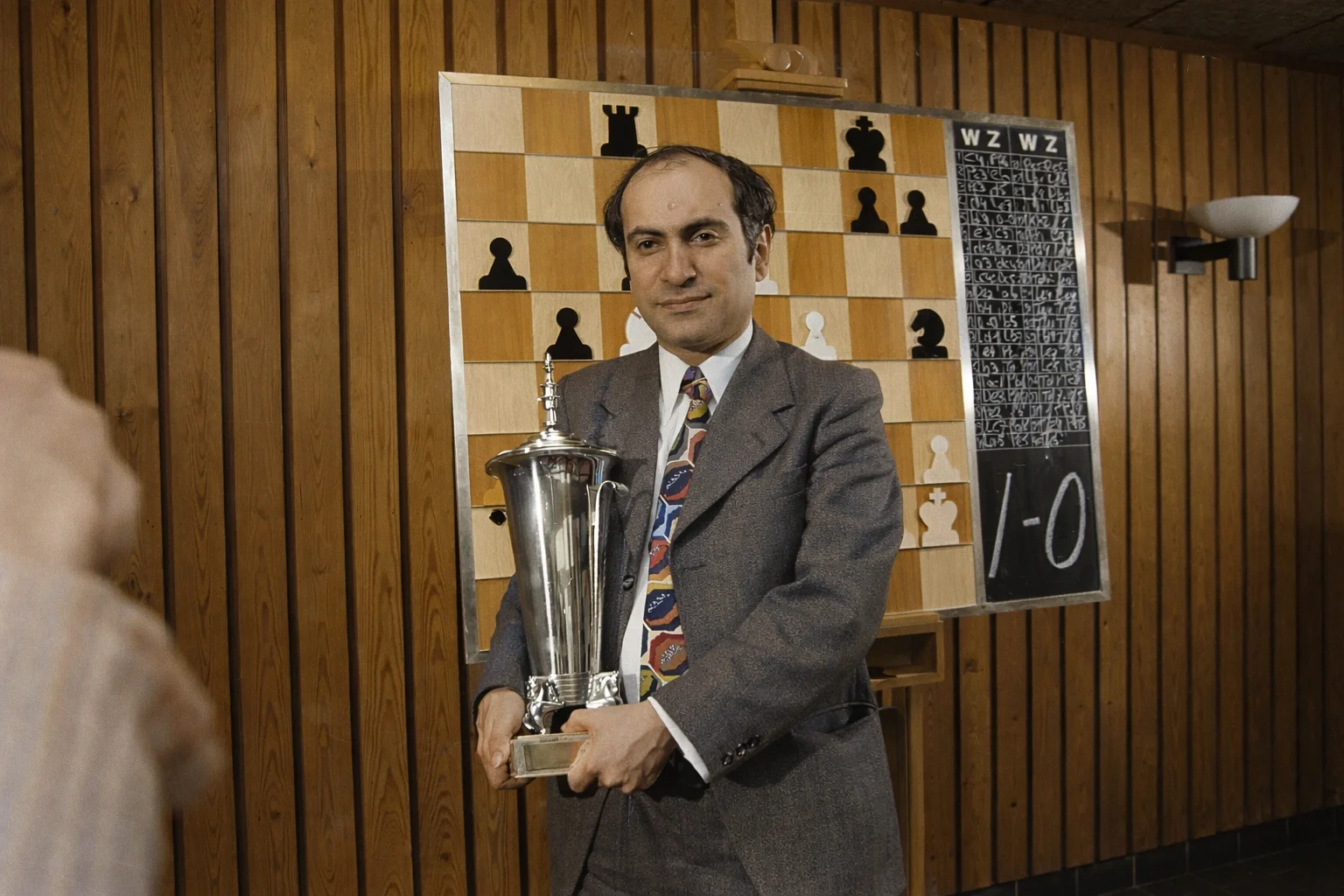
Mikhail Tal’s Victory at Wijk aan Zee 1973
In 1973, Mikhail Tal delivered one of the most compelling tournament victories of his career at the Wijk aan Zee Chess Tournament. Already established as a former world champion, Tal entered the event amid persistent health struggles and a changing competitive landscape. He finished undefeated with 10.5 out of 15, securing clear first place against a strong international field. What defined the performance was not only the result, but the method. Tal showed a refined balance between creativity and restraint, adapting his style to the demands of a long round robin tournament.