Soviet Triumph at the 25th Chess Olympiad
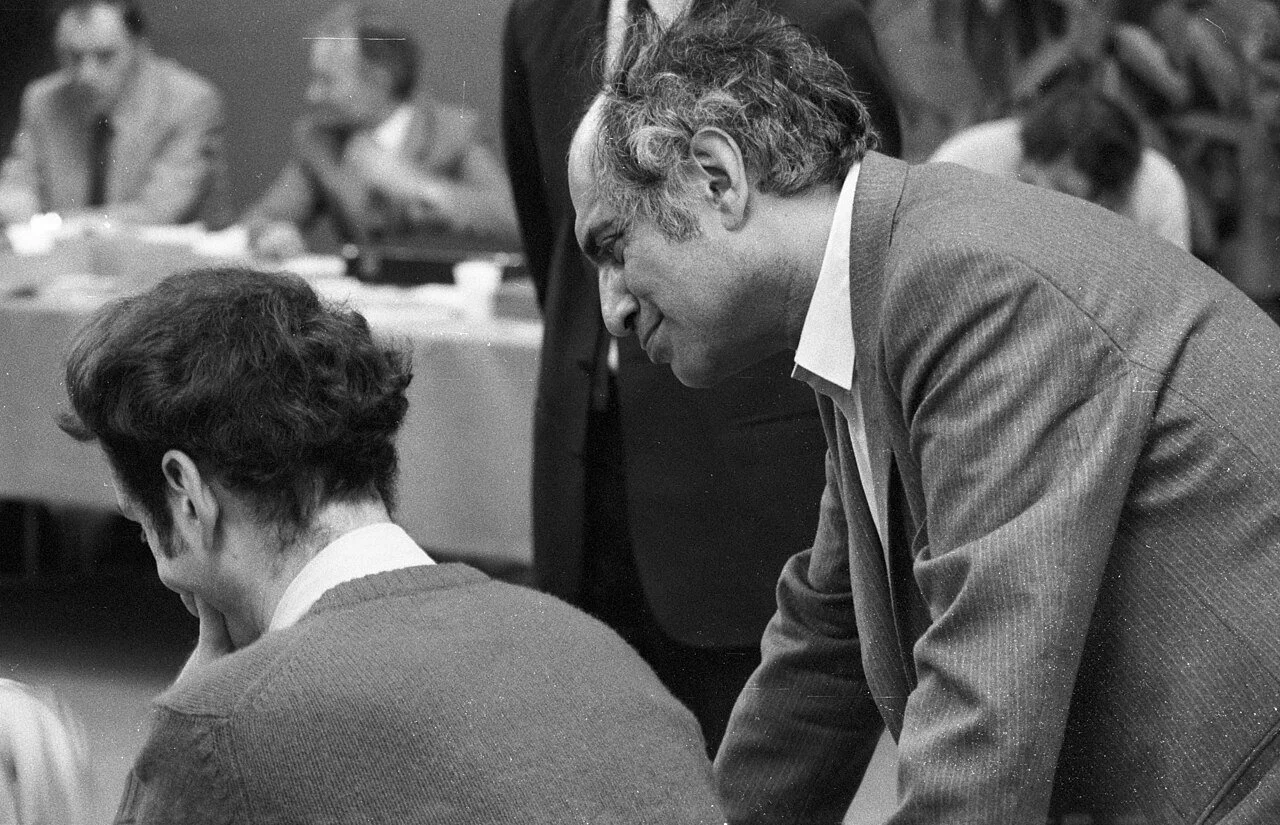
Michail Tal bei der Schacholympiade in Luzern 1982, By Krtschil - Own work, CC BY-SA 4.0
The 25th Chess Olympiad, held in Lucerne, Switzerland, from October 29 to November 16, 1982, brought together many of the world's strongest chess players. For the Soviet Union, it became an emphatic demonstration of national depth across both the open and women’s competitions.
The Olympiad was staged at the Ausstellung-Festhalle Allmend. The open competition featured 92 teams, including a second team from host nation Switzerland, while 45 teams entered the women’s event. Both tournaments used a 14-round Swiss system, with standings determined primarily by total game points.
A Soviet Team Spanning Three Generations
The Soviet open team consisted of Anatoly Karpov, Garry Kasparov, Lev Polugaevsky, Alexander Beliavsky, Mikhail Tal, and Artur Yusupov.Its composition gave Lucerne unusual historical significance. Karpov was the reigning World Chess Champion. Tal represented an earlier generation of Soviet champions. Nineteen-year-old Kasparov was rapidly approaching the summit of world chess and would begin his first championship match against Karpov less than two years later.
The USSR scored 42½ points from 56 games. It won 13 of its 14 team matches and drew only with the Netherlands. Czechoslovakia finished second with 36 points, while the United States earned bronze with 35½. The Soviet winning margin of 6½ points was among the most commanding of the period.
Karpov scored an undefeated 6½ from eight games. Kasparov recorded 8½ from 11 and received a bronze medal for his performance on second board. Tal contributed 6½ from eight as first reserve, while Yusupov scored eight from ten. Beliavsky added seven points from ten games.
One of the Olympiad’s most remembered encounters was Kasparov’s victory over Viktor Korchnoi, who was representing Switzerland. The game carried particular historical weight because it brought the leading Soviet prodigy face to face with the most prominent defector from Soviet chess.
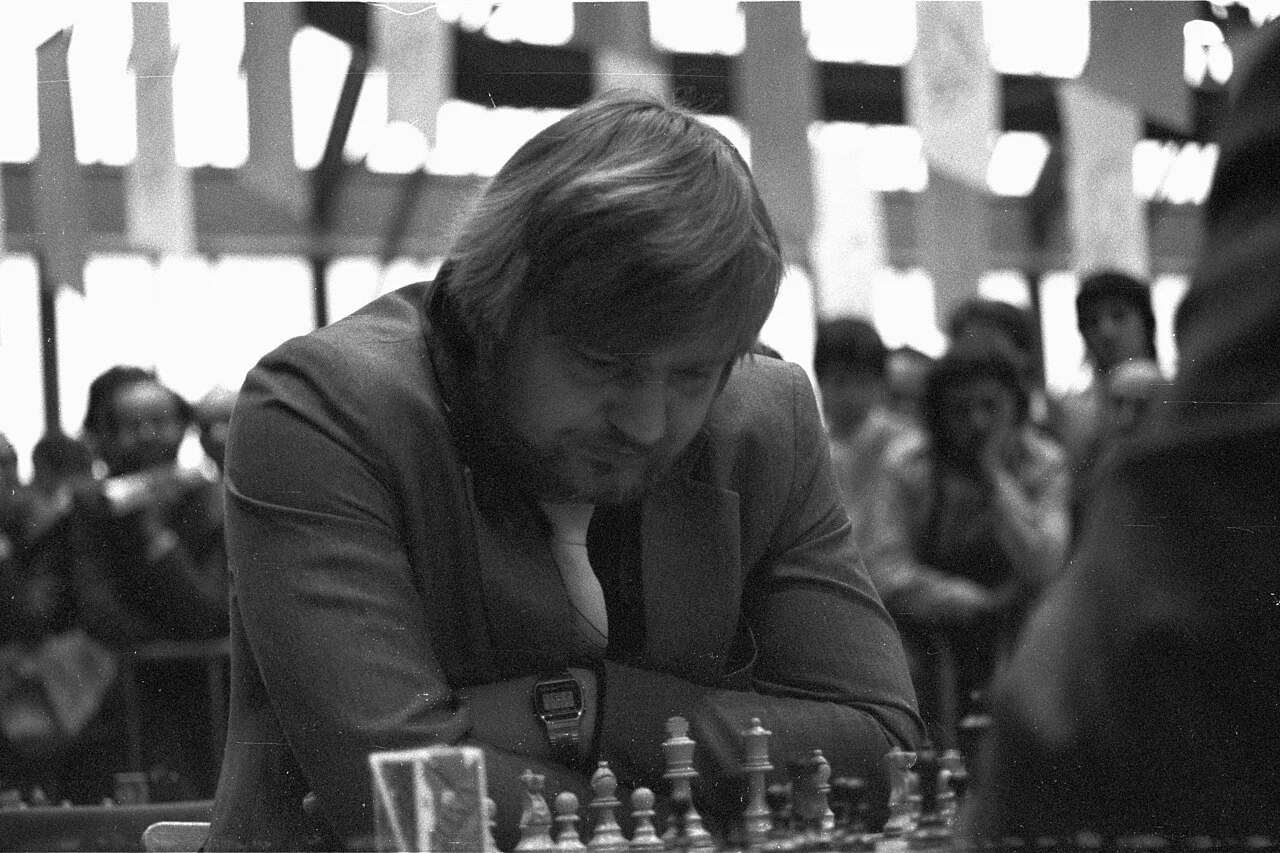
Artur Jussupow (Schacholympiade Luzern 1982) By Krtschil - Own work, CC BY-SA 4.0
Georgian Strength in the Women’s Olympiad
The Soviet women’s team was composed entirely of Georgian players: Maia Chiburdanidze, Nana Alexandria, Nona Gaprindashvili, and Nana Ioseliani.
Chiburdanidze was the reigning Women’s World Chess Champion, having succeeded Gaprindashvili in 1978. Alexandria had challenged for the world title in 1975 and again in 1981. Ioseliani would later become a world championship challenger herself.
The USSR won the women’s competition with 33 points from 42 games. Like the open team, it completed the Olympiad without losing a team match, recording 13 victories and one draw. Romania finished second with 30 points, followed by Hungary with 26.
Alexandria produced the best individual result on second board, scoring 7½ from nine. Gaprindashvili was nearly flawless on third board, winning ten games, drawing three, and finishing with 11½ from 13. Chiburdanidze scored nine from 12 on first board, while Ioseliani added five points from eight appearances as reserve.
The result reflected the extraordinary influence of Georgian chess within the Soviet women’s program. One republic supplied a complete gold-medal team containing two world champions, two championship challengers, and four players from the international elite.
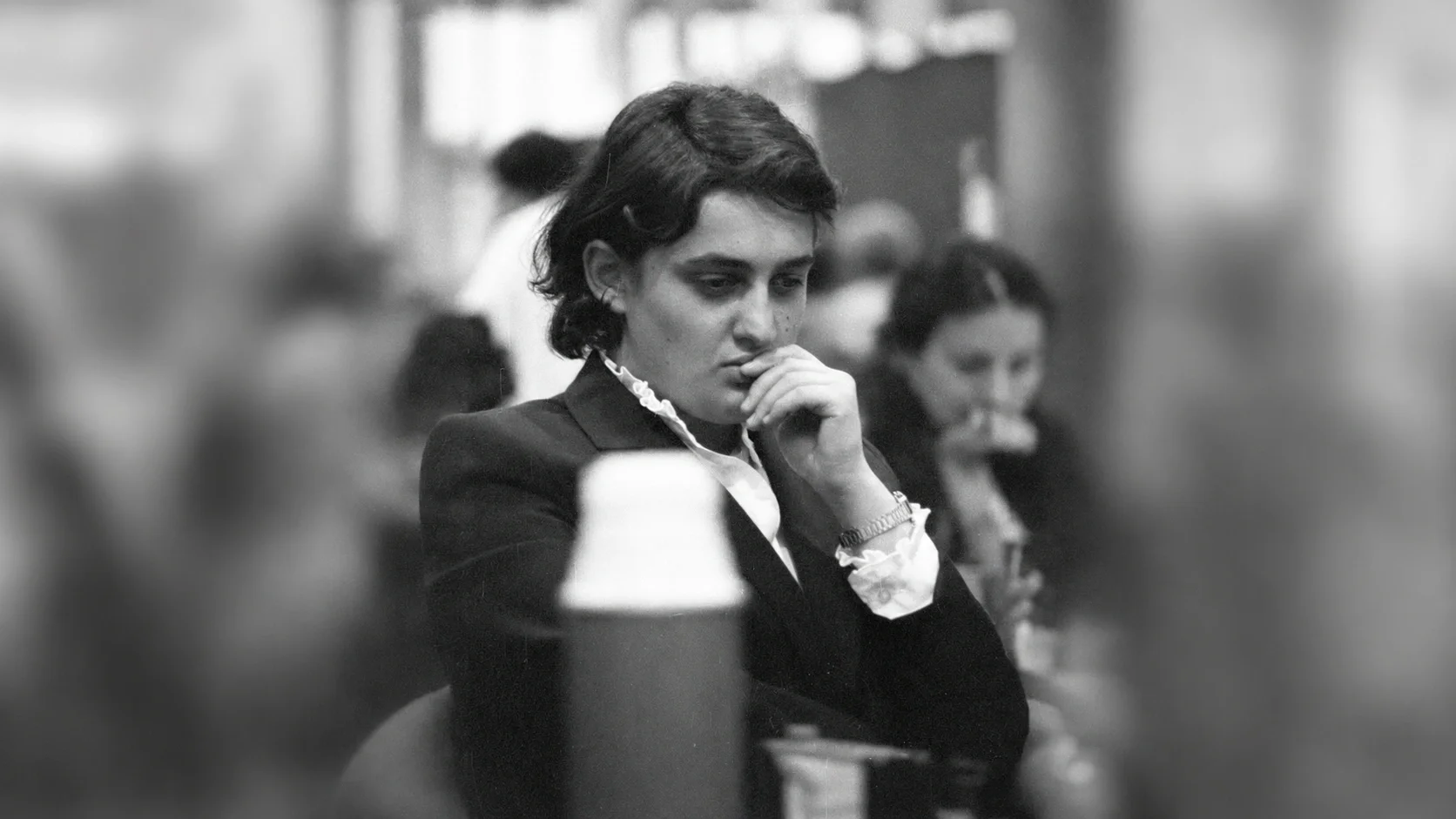
Maia Chiburdanidse bei der Schacholympiade in Luzern 1982, By Krtschil - Own work, CC BY-SA 4.0
Political Change at FIDE
Lucerne also marked a transition in international chess administration. During the FIDE Congress held alongside the Olympiad, Florencio Campomanes of the Philippines was elected president, succeeding Iceland’s Friðrik Ólafsson.
Campomanes would remain one of the central figures in world chess throughout the turbulent Karpov-Kasparov championship era that followed.
The Legacy of Lucerne 1982
Lucerne captured the Soviet chess system near its late twentieth-century peak. Its open team joined Karpov’s established authority, Tal’s enduring strength, and Kasparov’s rapid ascent. Its women’s team demonstrated the remarkable concentration of elite talent that Georgian chess has produced.
The two gold medals also showed the continuing results of the institutional culture described in Chess to the Masses: mass participation, organized training, specialized coaching, and intense competition for places on the national team.
The USSR left Lucerne with both team titles and a clear lead over its principal rivals. In historical terms, the 1982 Chess Olympiad stands as one of the clearest portraits of Soviet chess strength during the final decade of the union.
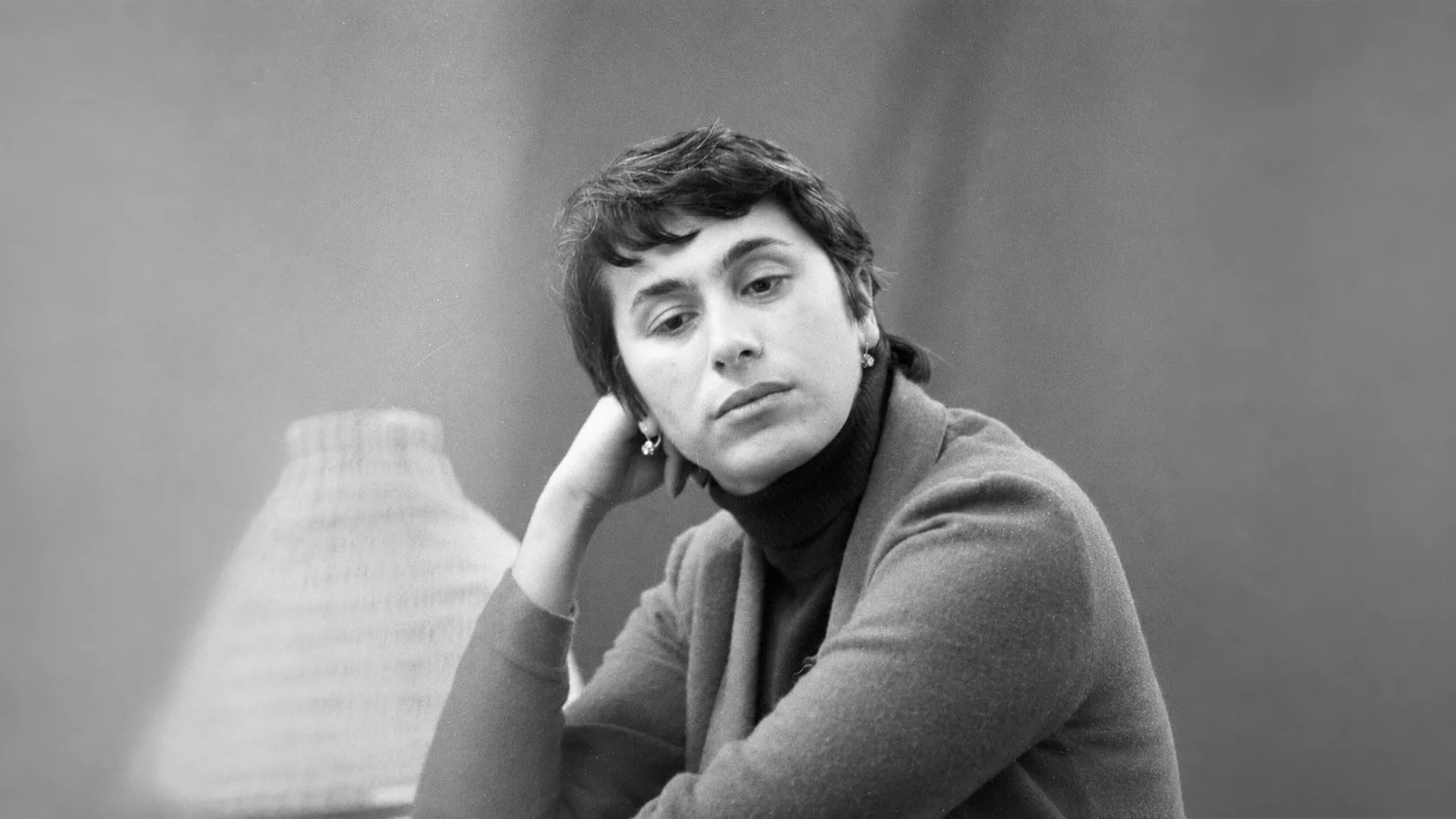
Nana Alexandria bei der Schacholympiade 1982 in Luzern, By Krtschil - Own work, CC BY-SA 4.0
Notes and Sources
Tournament dates, format, team results, player scores, and individual medals were checked against OlimpBase’s open-event records and women’s-event records. General event information and the FIDE presidential transition were cross-checked with the 25th Chess Olympiad reference page.
