
How the Early Soviet State Turned Chess Into a Tool
A look inside the origins of Soviet chess culture. These articles trace how early USSR institutions and political leaders transformed chess into a tool for education, discipline, and national development, setting the foundation for decades of dominance in world chess.
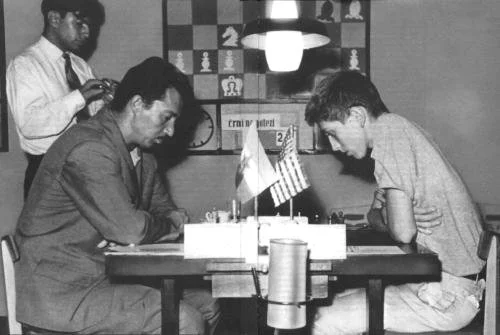
Portorož Interzonal of 1958
The 1958 Portorož Interzonal brought Mikhail Tal, Tigran Petrosian, Svetozar Gligorić, David Bronstein, Pál Benko, Friðrik Ólafsson, and fifteen-year-old Bobby Fischer into one decisive world championship qualifier. Tal overtook Petrosian to win, and a dramatic final round completed the six-player Candidates field.
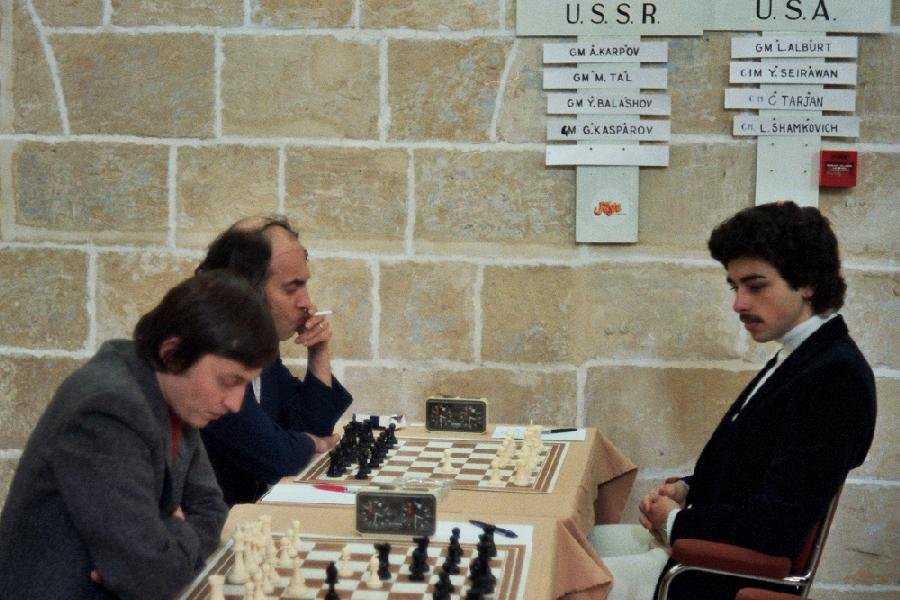
Valetta 1980
At the 1980 Chess Olympiad in Valletta, the Soviet Union reclaimed team gold after a tense tie with Hungary. Discover how Anatoly Karpov, Mikhail Tal, and 17-year-old Olympiad debutant Garry Kasparov contributed to one of chess history’s closest finishes.
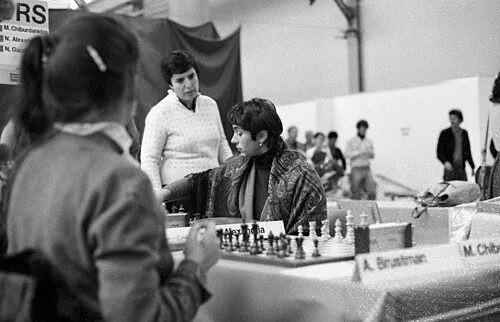
Soviet Triumph at the 25th Chess Olympiad
The 1982 Chess Olympiad in Lucerne produced one of the great late-Soviet team performances. Led by Anatoly Karpov, Garry Kasparov, Mikhail Tal, Maia Chiburdanidze, and Nona Gaprindashvili, the USSR won gold in both competitions.
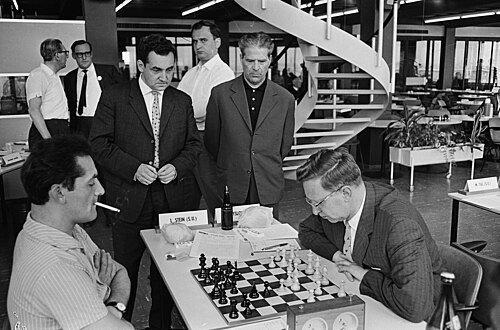
The 1964 Interzonal at Amsterdam
The 1964 Amsterdam Interzonal was a pivotal stage in the 1966 World Championship cycle. This article examines its format, field, Soviet stakes, four-way first-place finish, and the qualification rule that left Leonid Stein and David Bronstein outside the Candidates matches.

Netherlands vs. USSR Friendly Team Match
The Netherlands vs. USSR Friendly Team Match stands as a revealing episode in postwar chess culture, bringing Dutch chess into direct contact with the Soviet school at a time when international team events carried both sporting and institutional weight. This article examines the match’s organization, format, leading participants, competitive course, press reception, and later historical significance.
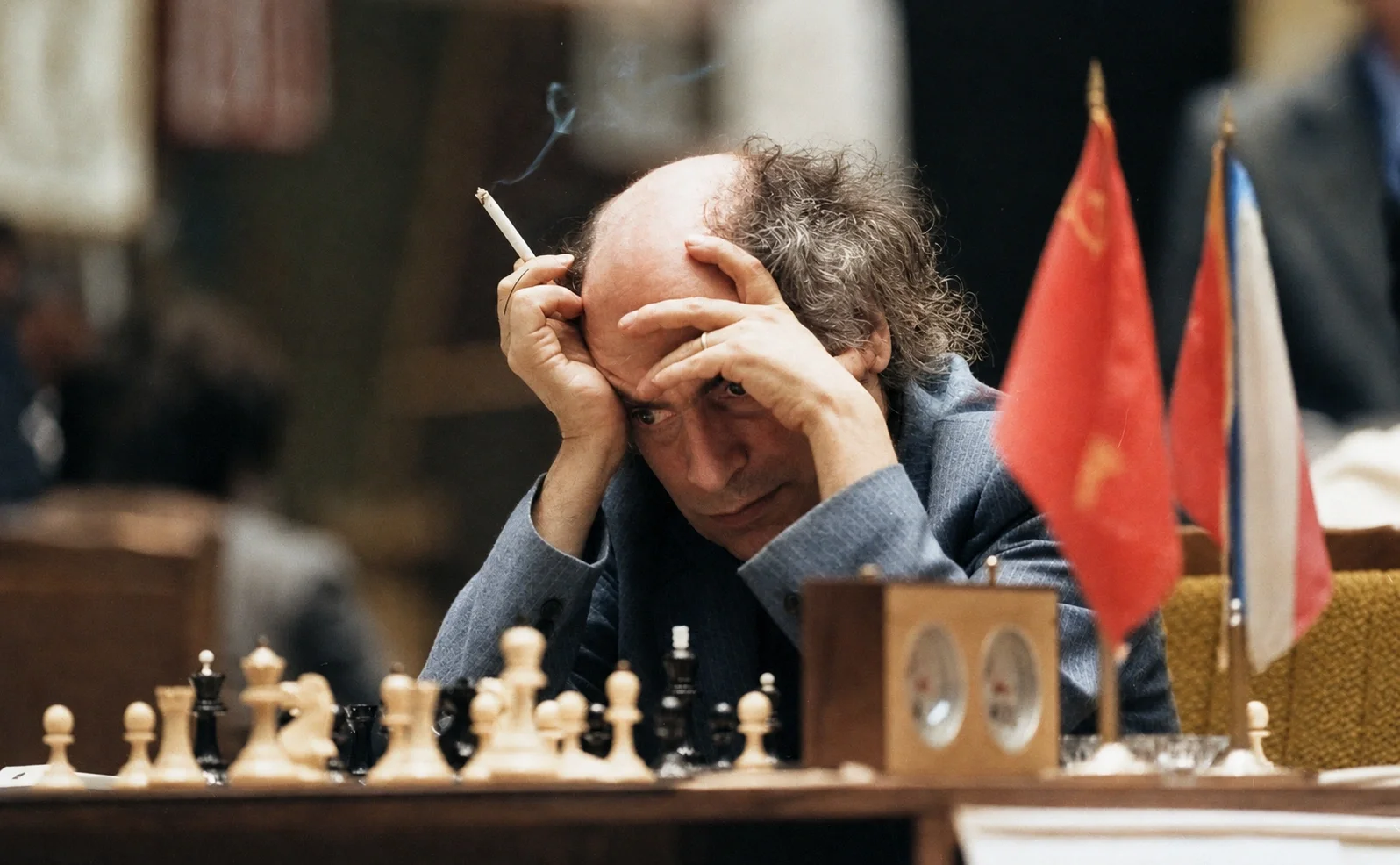
Dynamic Chess Before Engines
Mikhail Tal changed the way chess players understood sacrifice. His attacks were not merely spectacular. They exposed the human difficulty of defense and helped define the modern language of initiative, compensation, and practical pressure.
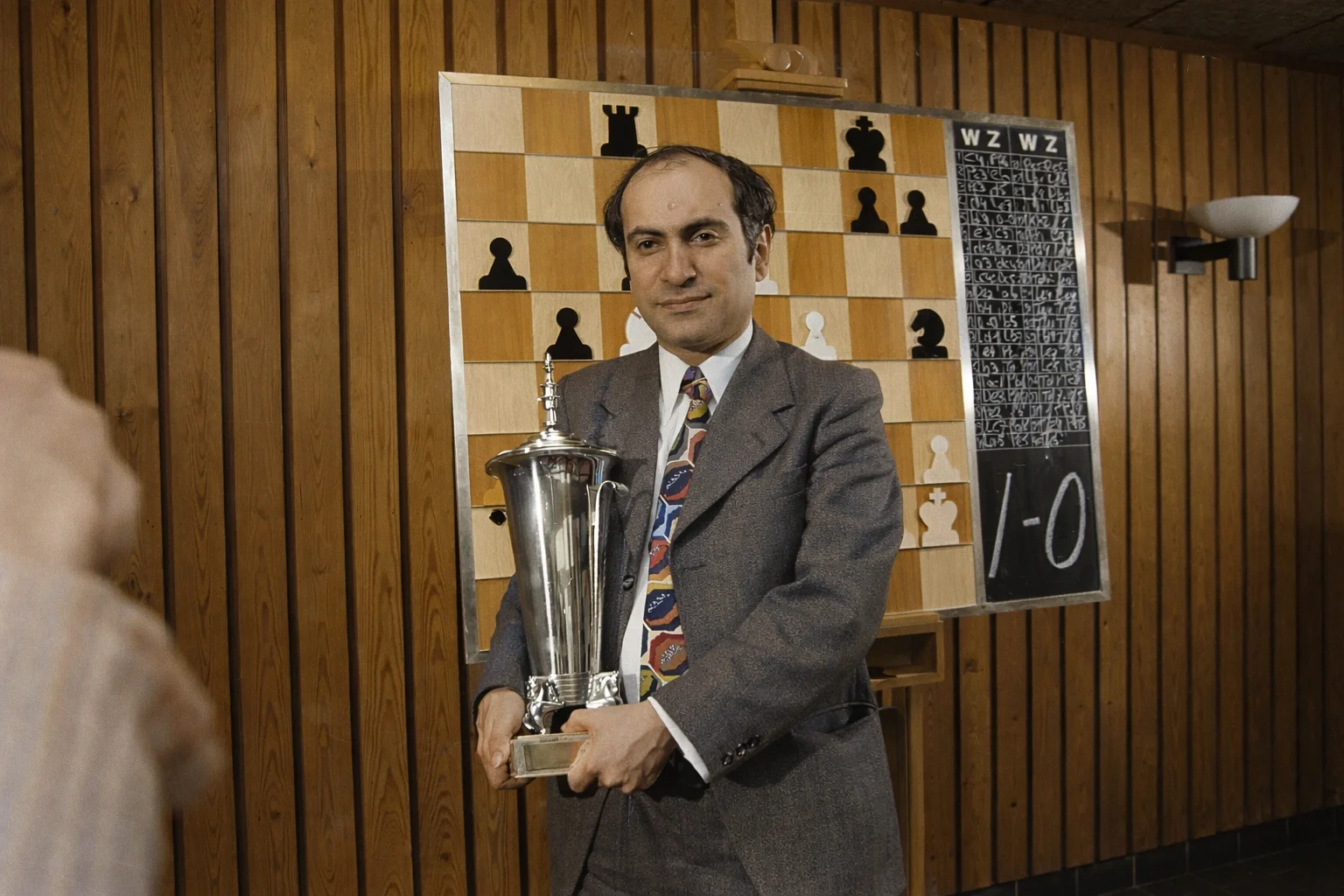
Mikhail Tal’s Victory at Wijk aan Zee 1973
In 1973, Mikhail Tal delivered one of the most compelling tournament victories of his career at the Wijk aan Zee Chess Tournament. Already established as a former world champion, Tal entered the event amid persistent health struggles and a changing competitive landscape. He finished undefeated with 10.5 out of 15, securing clear first place against a strong international field. What defined the performance was not only the result, but the method. Tal showed a refined balance between creativity and restraint, adapting his style to the demands of a long round robin tournament.
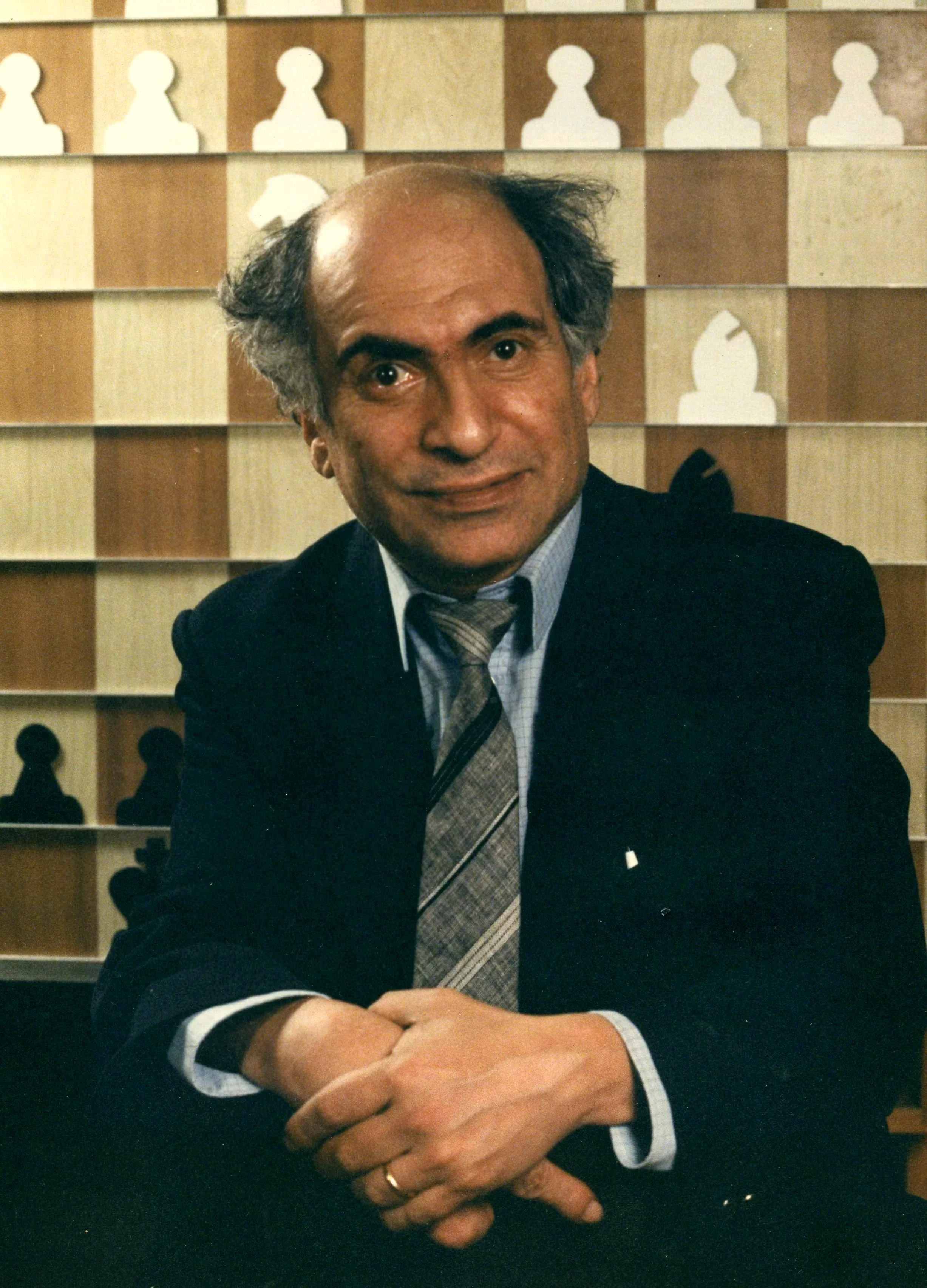
Mikhail Tal
Mikhail Tal was more than the Magician from Riga. This profile examines his rise from Riga prodigy to 1960 World Champion, his tactical imagination, his Soviet chess context, his writings, his health struggles, and the creative legacy that still shapes modern chess.
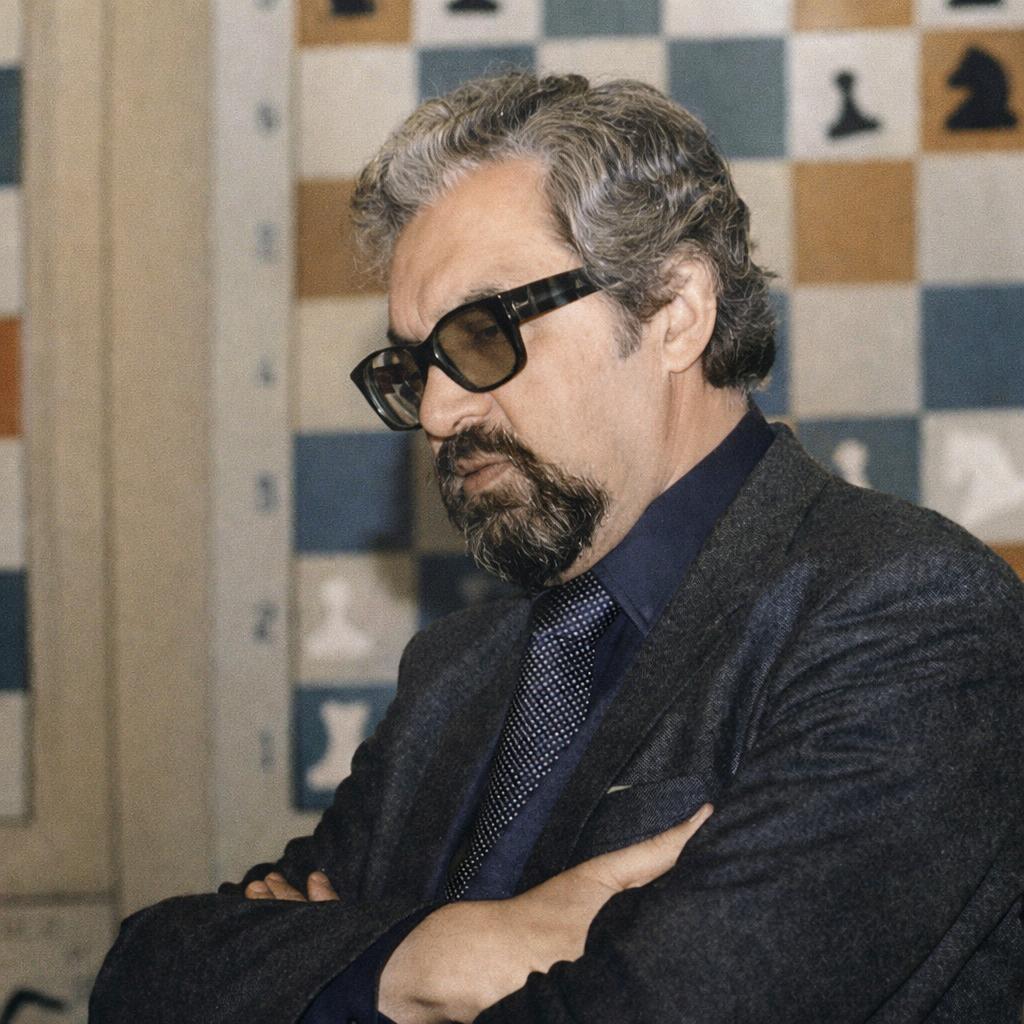
Vladimir Bagirov
Vladimir Bagirov may not have been a household name, but his deep tournament runs and meticulous opening work made him indispensable to Soviet chess. The piece underscores his roles as a player, second and theoretician, illustrating the depth of Soviet professional chess.
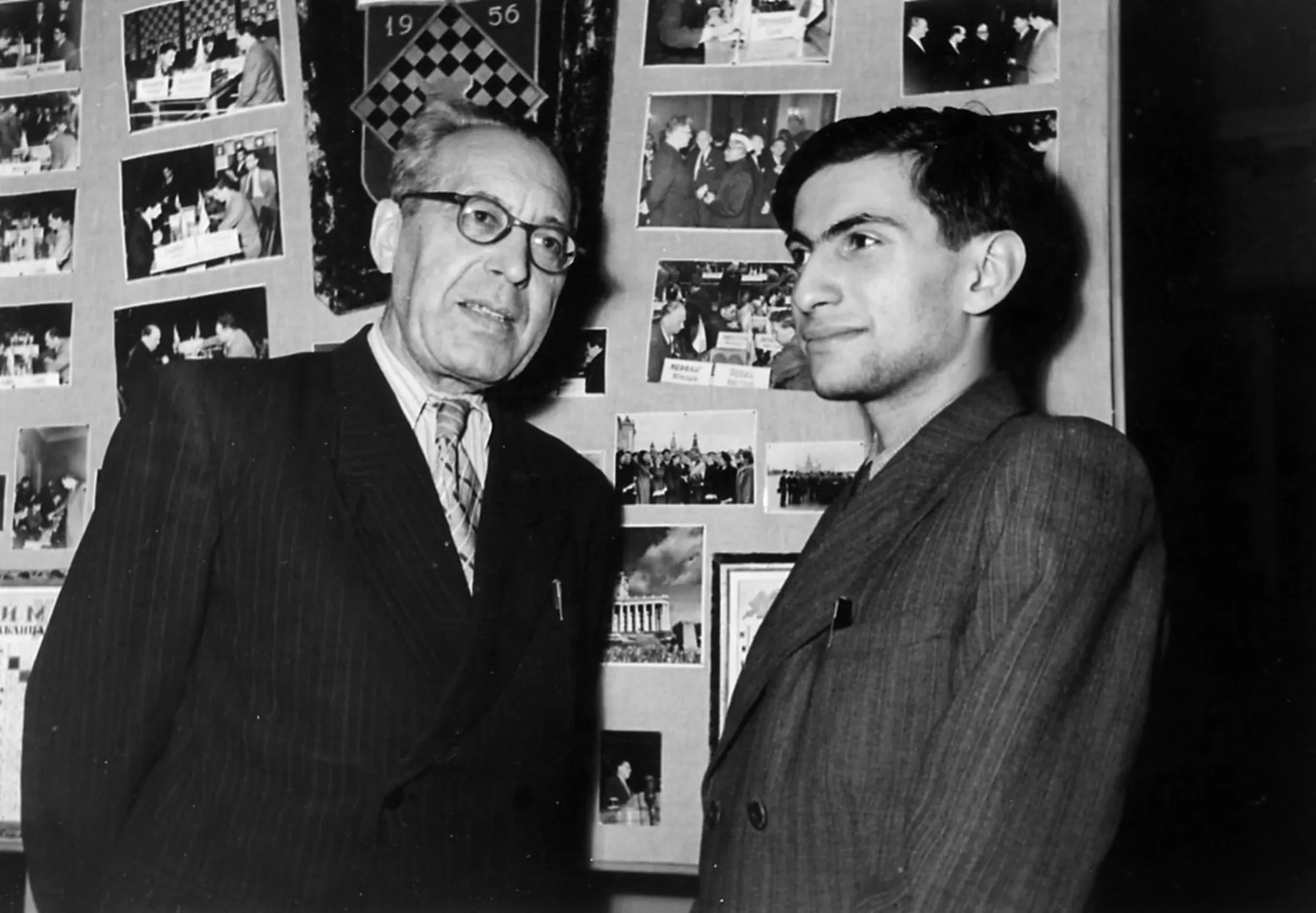
Grigory Levenfish
Grigory Levenfish (1889–1961) was a brilliant early master who learned chess in St Petersburg and by age twenty had won the city championship and competed at Carlsbad 1911. After World War I, he re‑emerged to win the Leningrad championships of 1922, 1924, and 1925, carrying the torch for the pre‑Revolution generation.