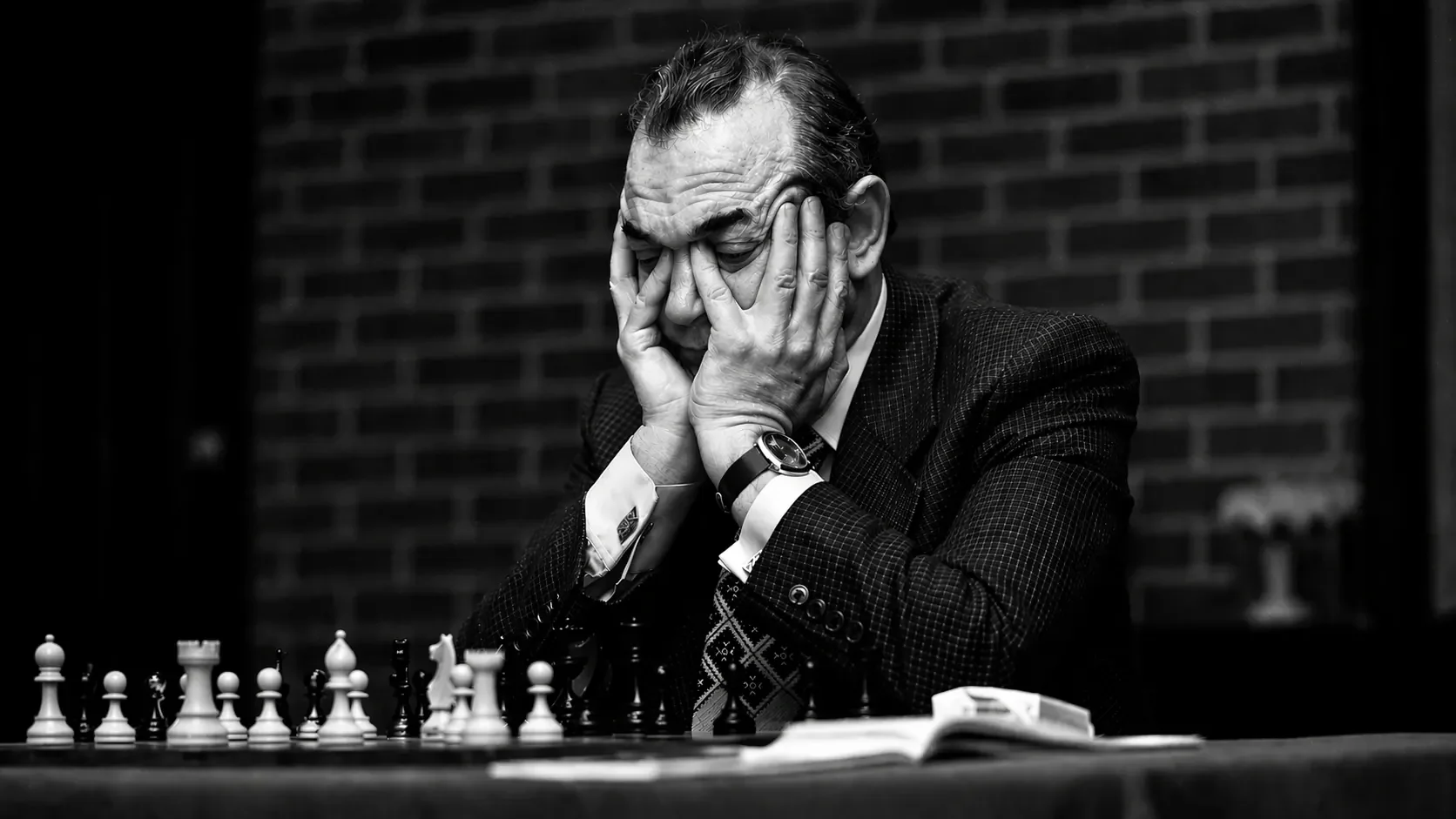
How the Early Soviet State Turned Chess Into a Tool
A look inside the origins of Soviet chess culture. These articles trace how early USSR institutions and political leaders transformed chess into a tool for education, discipline, and national development, setting the foundation for decades of dominance in world chess.
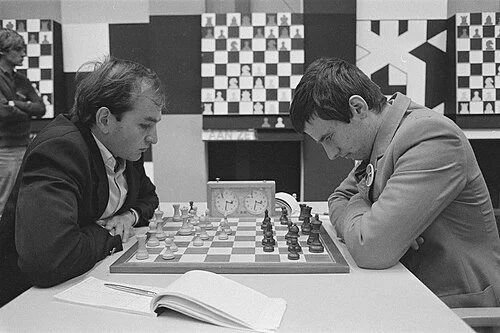
Kiril Georgiev
Kiril Georgiev emerged from Bulgaria’s distinguished chess tradition to become the 1983 World Junior Champion and one of the country’s leading grandmasters. Explore his early development, competitive achievements, playing style, international career, and lasting contribution to Bulgarian chess.
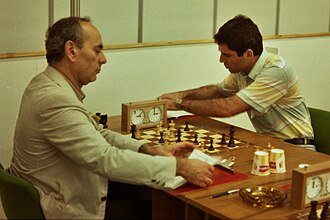
The 1986 Dubai Chess Olympiad
The 1986 Dubai Chess Olympiad drew a record 108 open teams to the UAE. Israel’s exclusion prompted boycotts and a major FIDE dispute. Led by Garry Kasparov and Anatoly Karpov, the Soviet Union recovered from a mid-event setback to edge England by half a point. Nona Gaprindashvili scored a perfect 10/10 as the Soviet women also won gold.
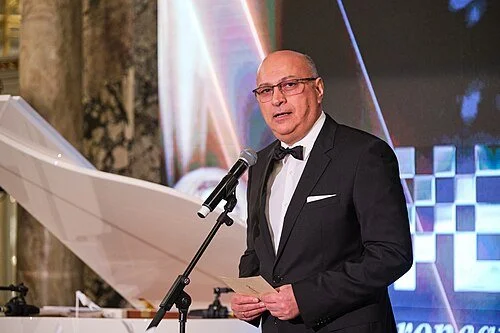
Zurab Azmaiparashvili
Zurab Azmaiparashvili rose from Soviet junior champion to European champion, Georgian Olympiad leader, elite trainer, and international chess administrator. This carefully sourced profile explores his competitive career, playing style, work with Garry Kasparov, and enduring influence on Georgian and European chess.
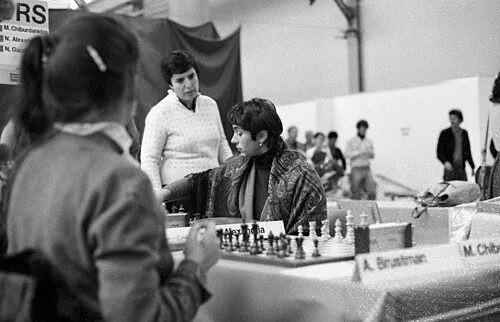
Soviet Triumph at the 25th Chess Olympiad
The 1982 Chess Olympiad in Lucerne produced one of the great late-Soviet team performances. Led by Anatoly Karpov, Garry Kasparov, Mikhail Tal, Maia Chiburdanidze, and Nona Gaprindashvili, the USSR won gold in both competitions.
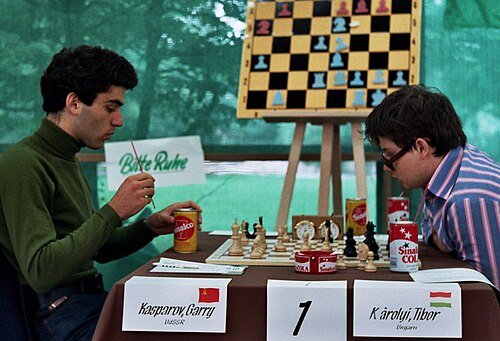
Garry Kasparov
A scholarly profile of Garry Kasparov, tracing his early life in Baku, rise through Soviet chess, world championship career, rivalry with Anatoly Karpov, contributions as an author and theoretician, and enduring place in chess history.

Anatoly Karpov
Anatoly Karpov became one of the defining figures in Soviet chess history through precision, positional mastery, and extraordinary competitive consistency. This profile examines his early development, rise to the world championship, rivalry era, post-Soviet career, playing style, public roles, and enduring place in chess culture.
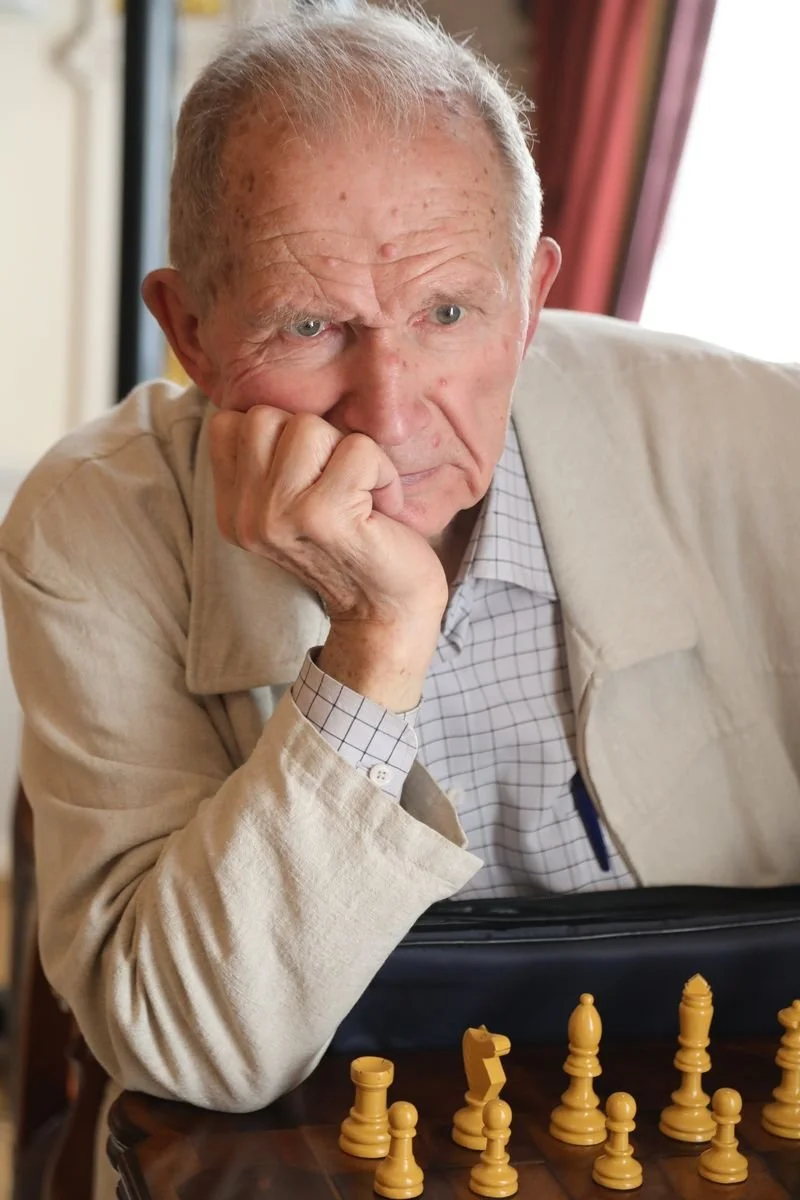
Alexander Nikitin
This article positions Alexander Nikitin as more than a second: he was a strategic thinker who helped shape world champions. Through his engineering background and analytical approach, he developed Kasparov and other talents while stressing the importance of preparation and structure.