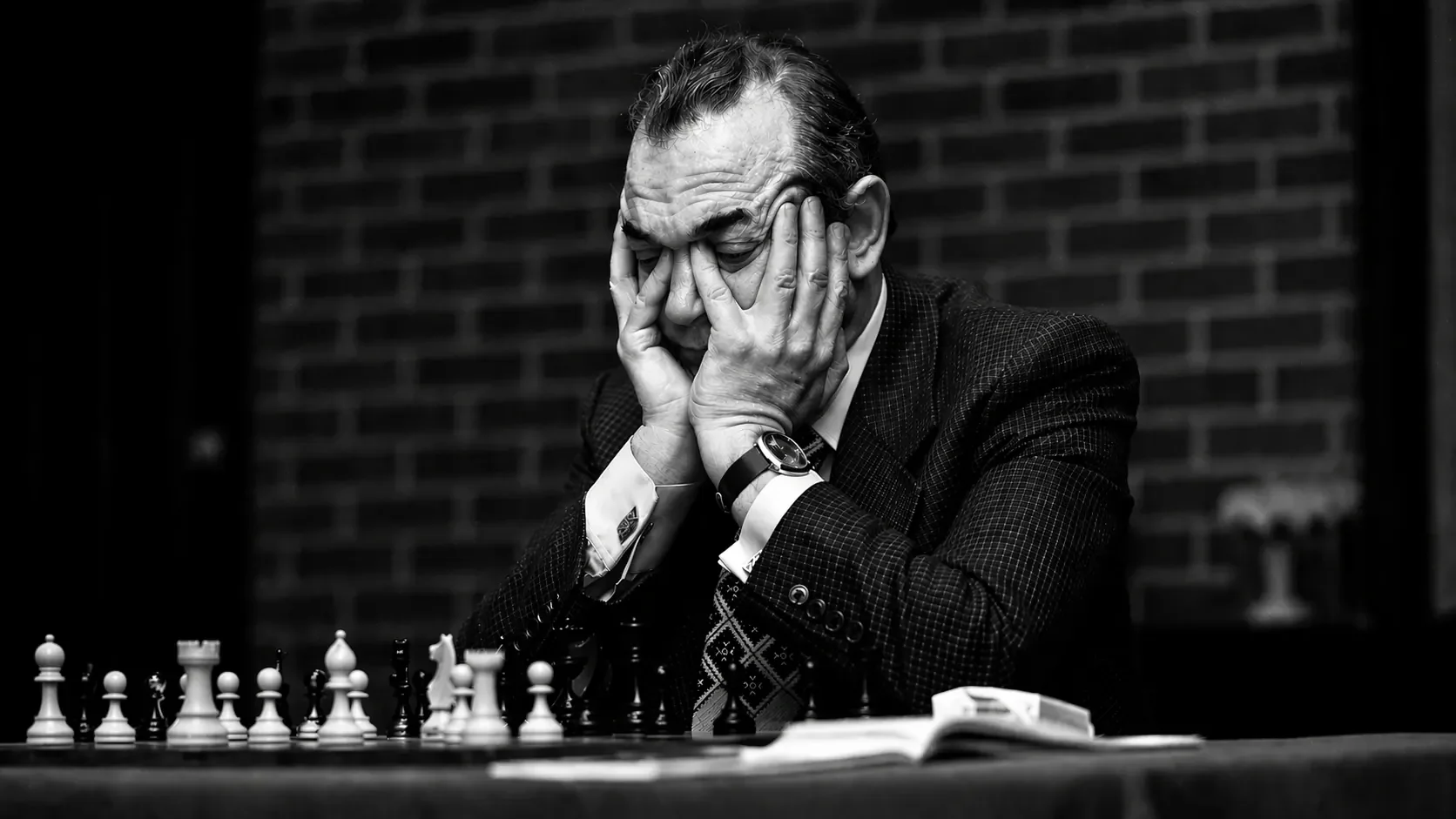
How the Early Soviet State Turned Chess Into a Tool
A look inside the origins of Soviet chess culture. These articles trace how early USSR institutions and political leaders transformed chess into a tool for education, discipline, and national development, setting the foundation for decades of dominance in world chess.
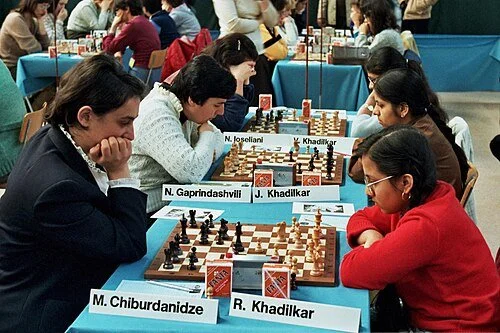
Women’s Chess in Georgia
Nona Gaprindashvili and Maia Chiburdanidze held the women’s world chess title in succession from 1962 to 1991. Behind their success stood families, dedicated coaches, and a growing network of clubs and competitions. This profile traces how Georgia developed its women’s chess tradition and sustained it across generations.

Olga Rubstova
Olga Rubtsova became the first Soviet women’s chess champion in 1927, won the women’s world title in 1956, and captured the inaugural women’s world correspondence championship in 1972. Her biography traces a remarkable career through Soviet championships, international competition, and chess literature.
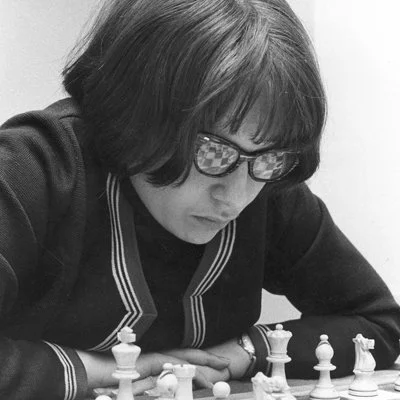
Alla Kushnir
Alla Kushnir was Nona Gaprindashvili’s principal challenger, contesting three women’s world championship matches and winning Olympiad gold for both the Soviet Union and Israel. Her later career as a classicist and numismatist gives her biography uncommon intellectual depth.

Elisaveta Bykova
Elisaveta Bykova was a two-time Women’s World Champion and the first woman to regain the title. This profile examines her rise from Bogolyubovo to the summit of Soviet chess, her patient positional style, wartime hospital work, pioneering writing, educational efforts, and enduring legacy.
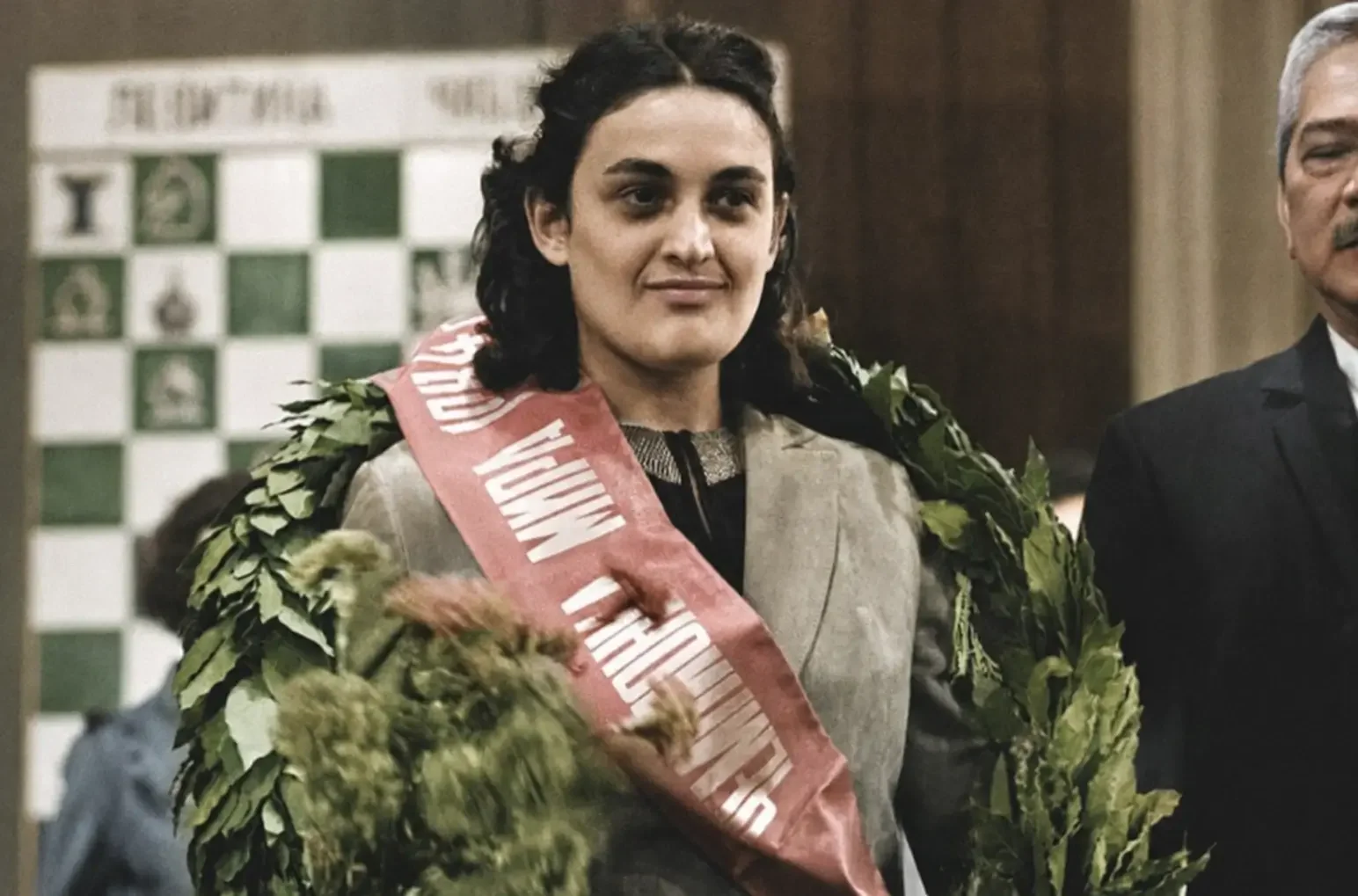
Maia Chiburdanidze
Maia Chiburdanidze became Women’s World Chess Champion at 17 and held the crown for 13 years. This profile examines her Georgian upbringing, Soviet career, playing style, Grandmaster title, Olympiad record, and lasting place in chess history.
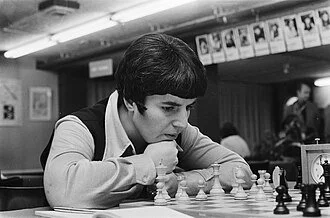
Nona Gaprindashvili
Nona Gaprindashvili was women’s world chess champion from 1962 to 1978 and the first woman awarded FIDE’s Grandmaster title. This profile explores her Georgian upbringing, rise through Soviet chess, dynamic playing style, institutional work, later competitive achievements, and lasting influence on international chess.

Tatiana Zatulovskaya
Tatiana Zatulovskaya was a leading Soviet women’s chess player whose career spanned Baku, the USSR championship circuit, Women’s World Championship cycles, Olympiad success, and later international play for Israel. This profile examines her life, style, achievements, and lasting place in Soviet chess history.
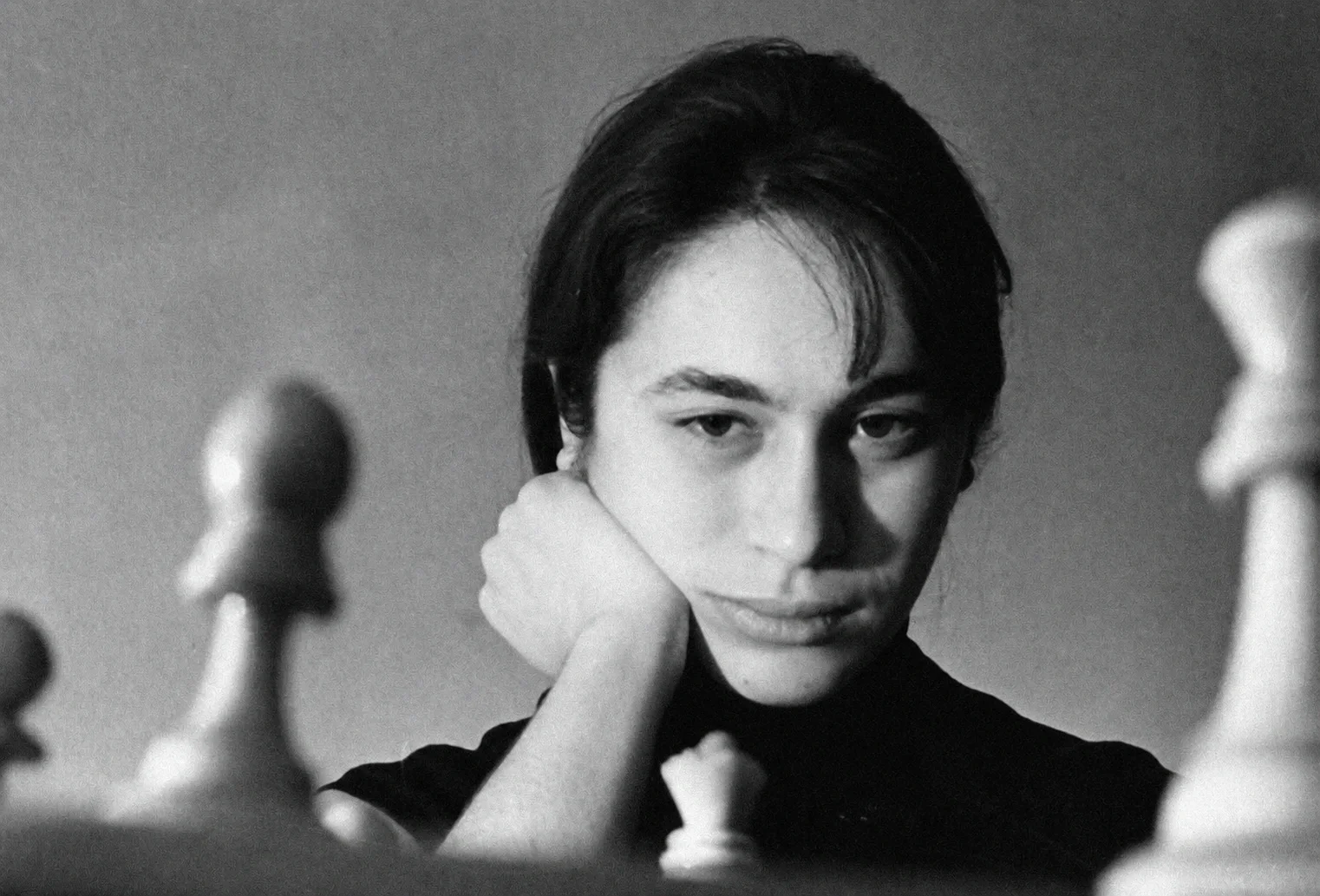
Nana Alexandria
Nana Alexandria rose from the rich Georgian chess culture of the Soviet era to become one of the strongest women players of her generation. A two-time Women’s World Championship challenger, she helped define Soviet women’s chess through her competitive resilience, positional strength, and lasting influence on Georgian chess history.
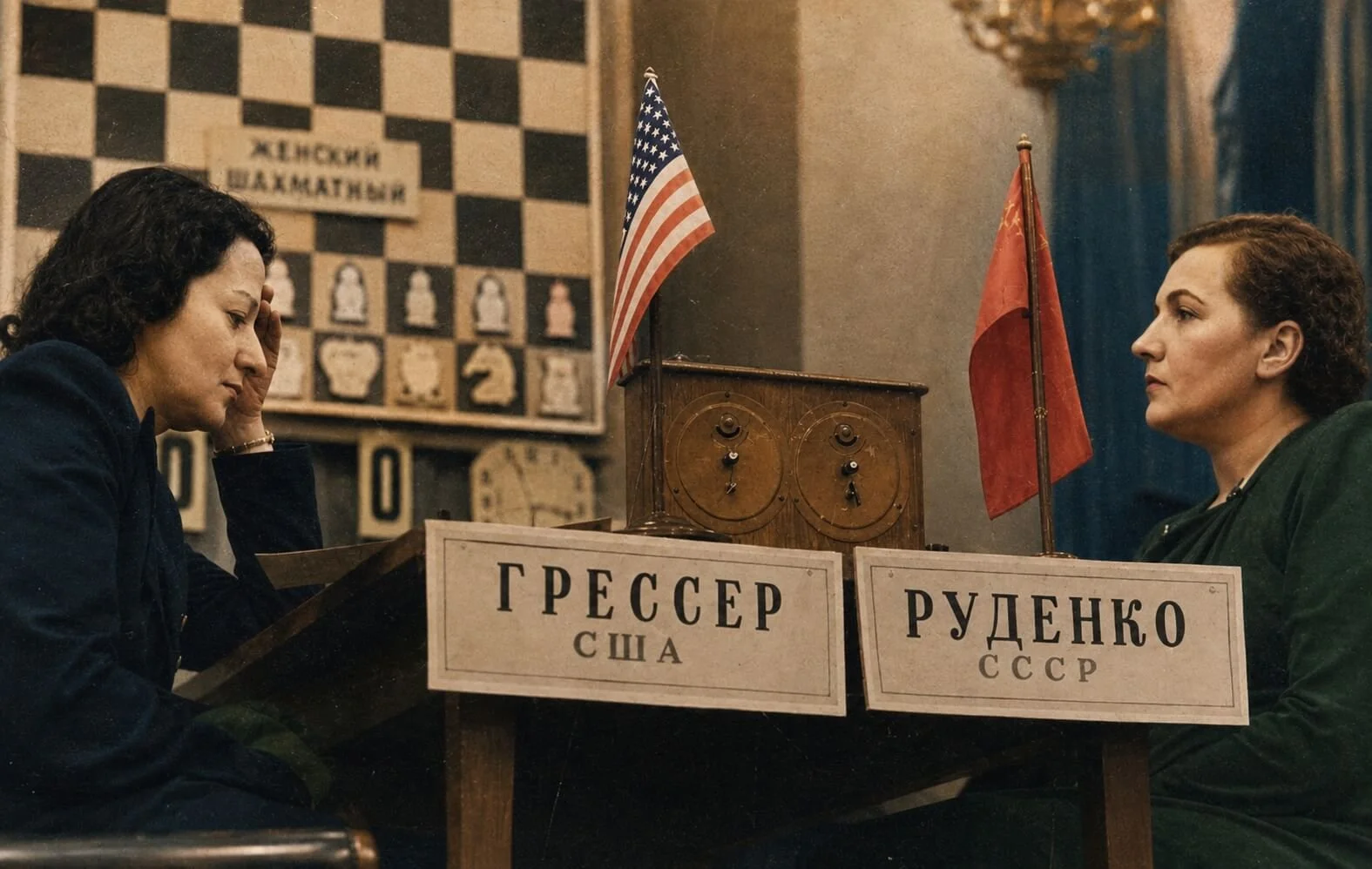
Lyudmila Rudenko
Lyudmila Rudenko was the second Women’s World Chess Champion and the first Soviet woman to hold the title. Born in Lubny in 1904, she won the 1949 to 1950 Women’s World Championship in Moscow and became a defining figure in Soviet women’s chess. This profile explores her chess career, wartime service during the Siege of Leningrad, and lasting legacy in twentieth-century chess history.