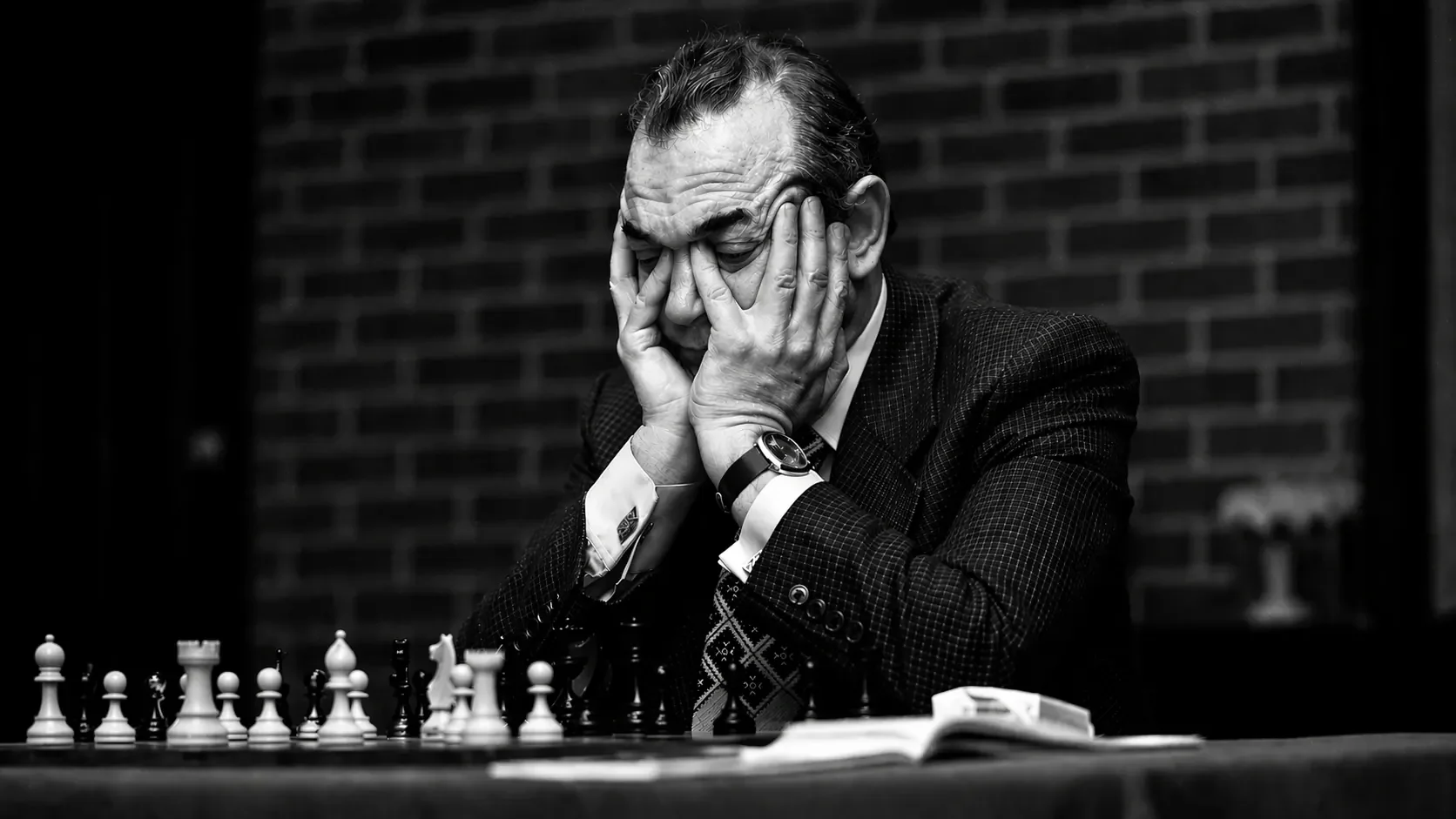
How the Early Soviet State Turned Chess Into a Tool
A look inside the origins of Soviet chess culture. These articles trace how early USSR institutions and political leaders transformed chess into a tool for education, discipline, and national development, setting the foundation for decades of dominance in world chess.
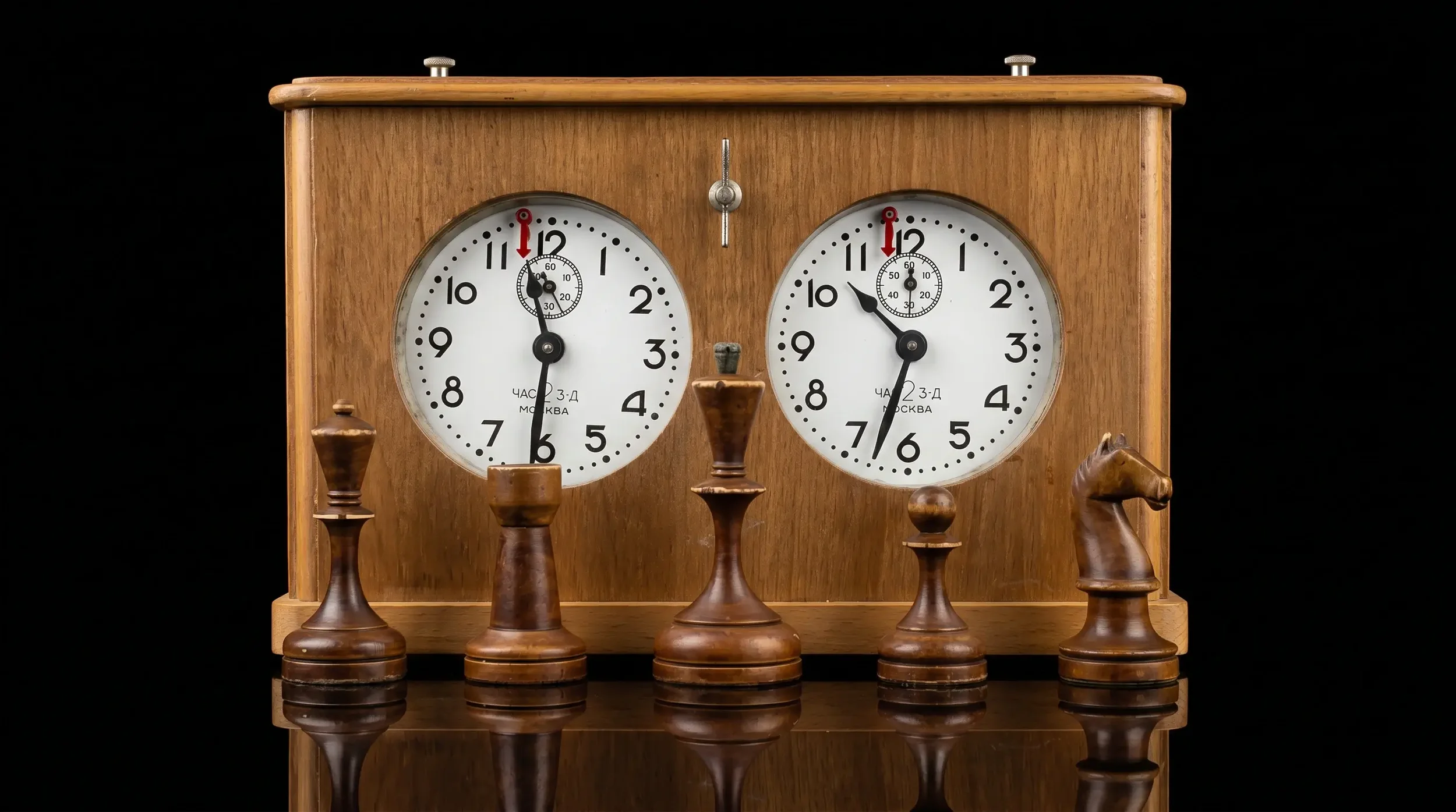
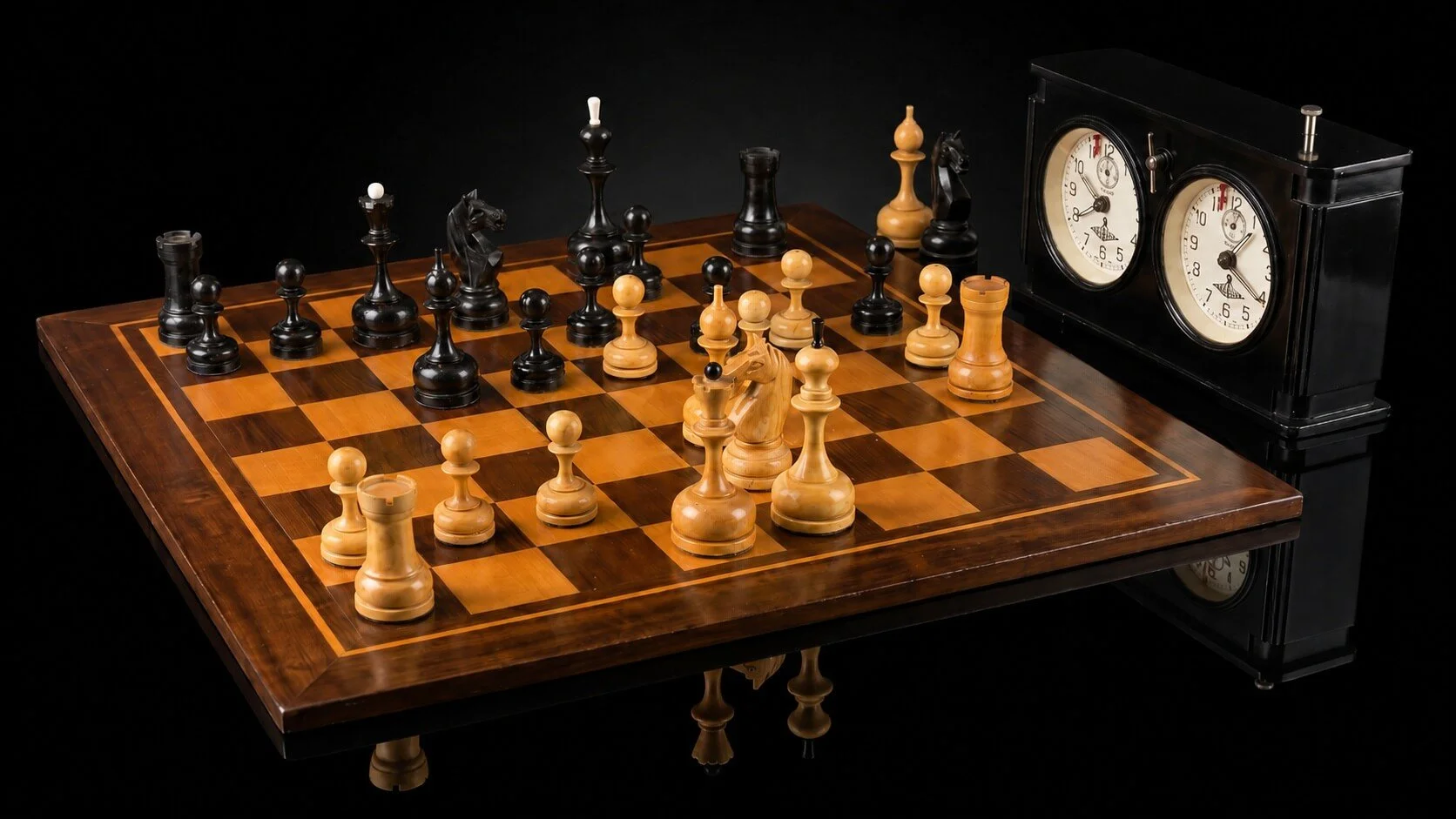
Botvinnik-Flohr II Chess Pieces and Jantar Chess Clock
Explore a 1950s mechanical chess clock from the Second Moscow Watch Factory paired with weighted Botvinnik-Flohr II Olympic chess pieces, a historic design documented at the 1956 Moscow Chess Olympiad and the 1957 USSR Championship.
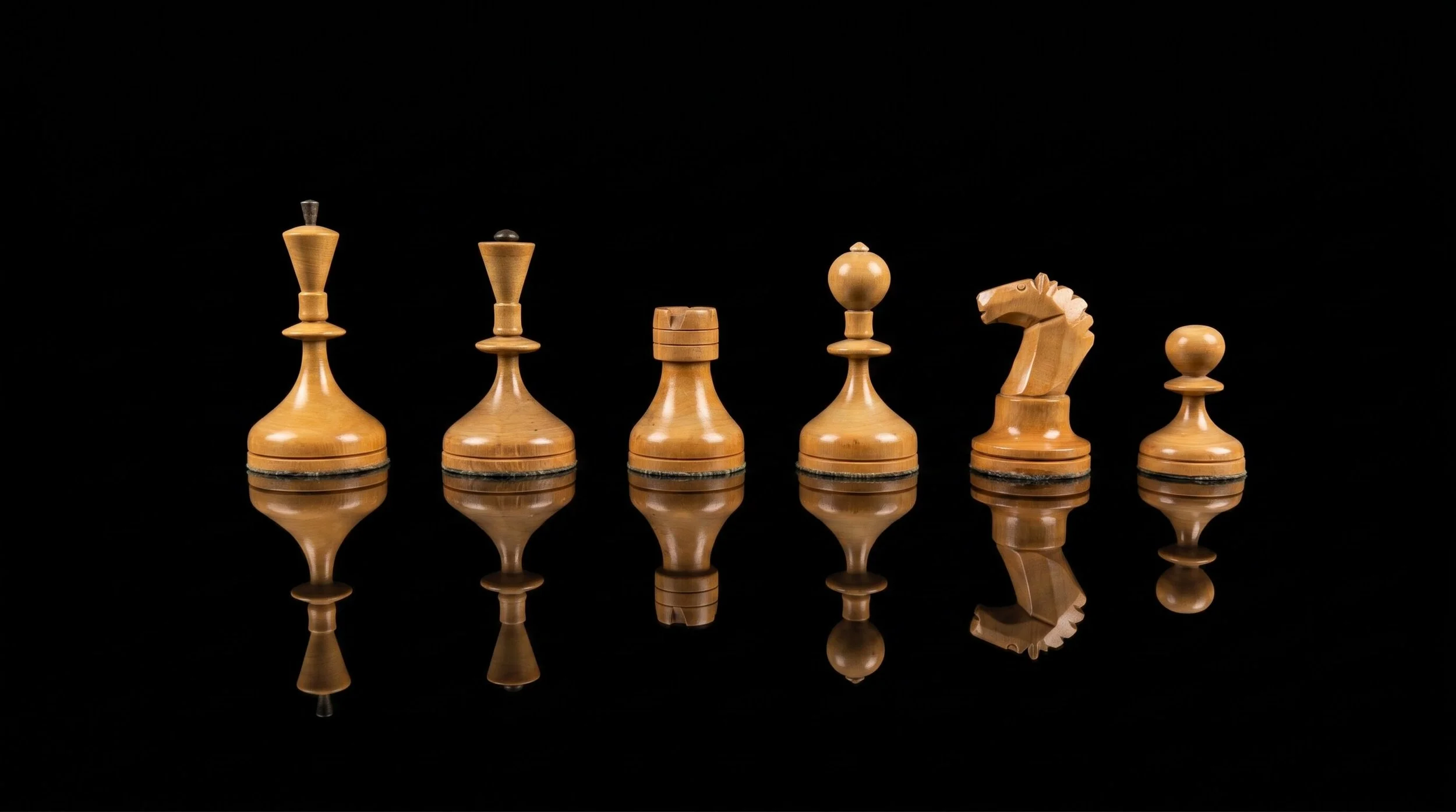
Valdai “Noble” Soviet Chess Set
The Valdai “Noble” chessmen are among the most distinctive Soviet chess sets of the postwar era. Known for their broad bell-bottom bases, funnel-shaped stems, smooth-domed bishops, and angular faceted knights, these wooden sets were produced in the Valdai region and later became favorites among collectors. Their story connects Soviet design, chess culture, workshop production, and the myths surrounding Gulag-era manufacturing.
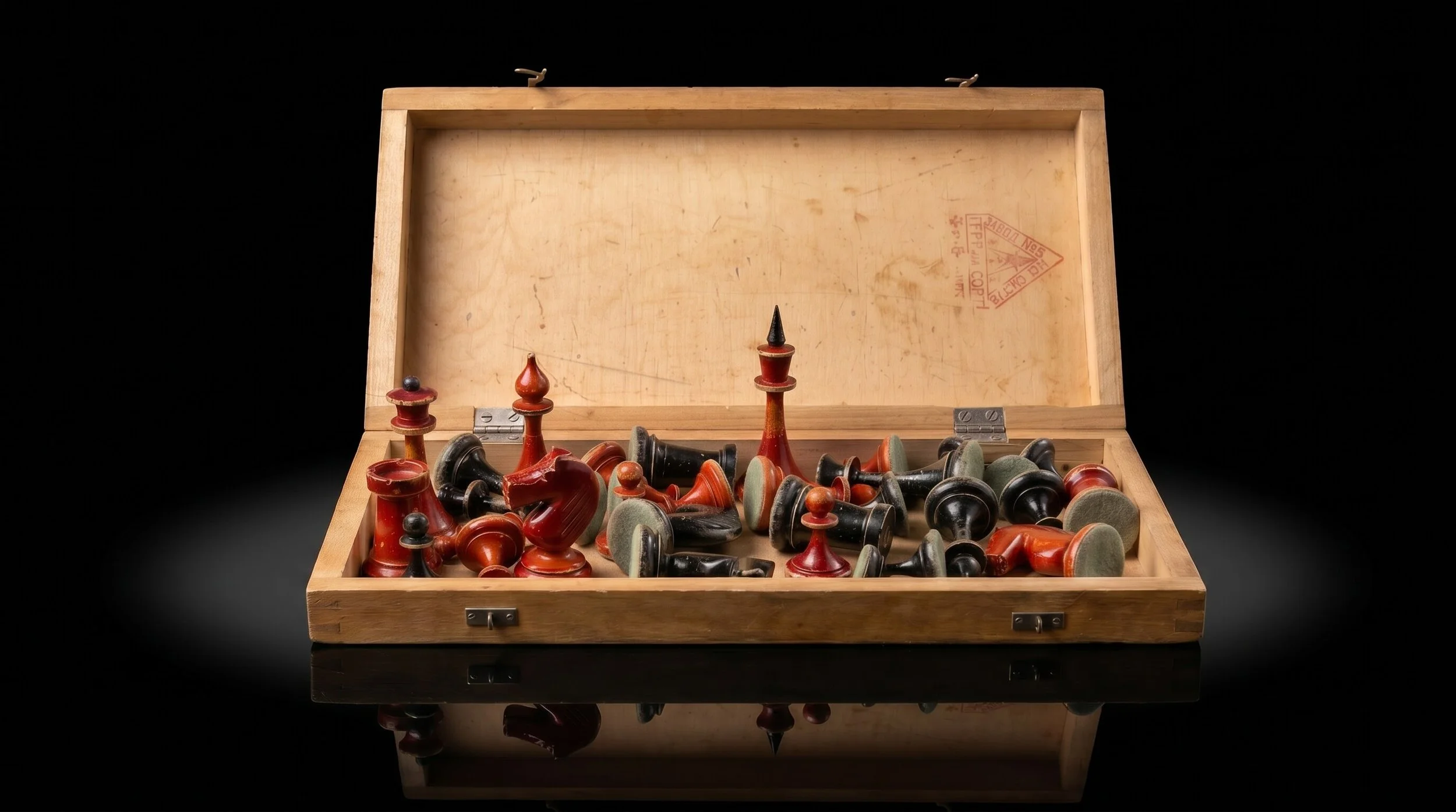
1955 Mordovian Soviet Chess Set
A faded 1955 Soviet chess box stamp reads “ЗАВОД №5,” or Factory No. 5. Here is what the mark tells us about Mordovian chess sets, Soviet quality control, and collector identification.
Perkhushkovskaya Soviet Chess Set
This article examines a Perkhushkovskaya Soviet tournament chess set likely dating from the late 1960s or early 1970s. It focuses on the set’s visual character, tournament design, materials, and place within the practical world of Soviet chess equipment, where sturdy production and recognizable form carried their own appeal.