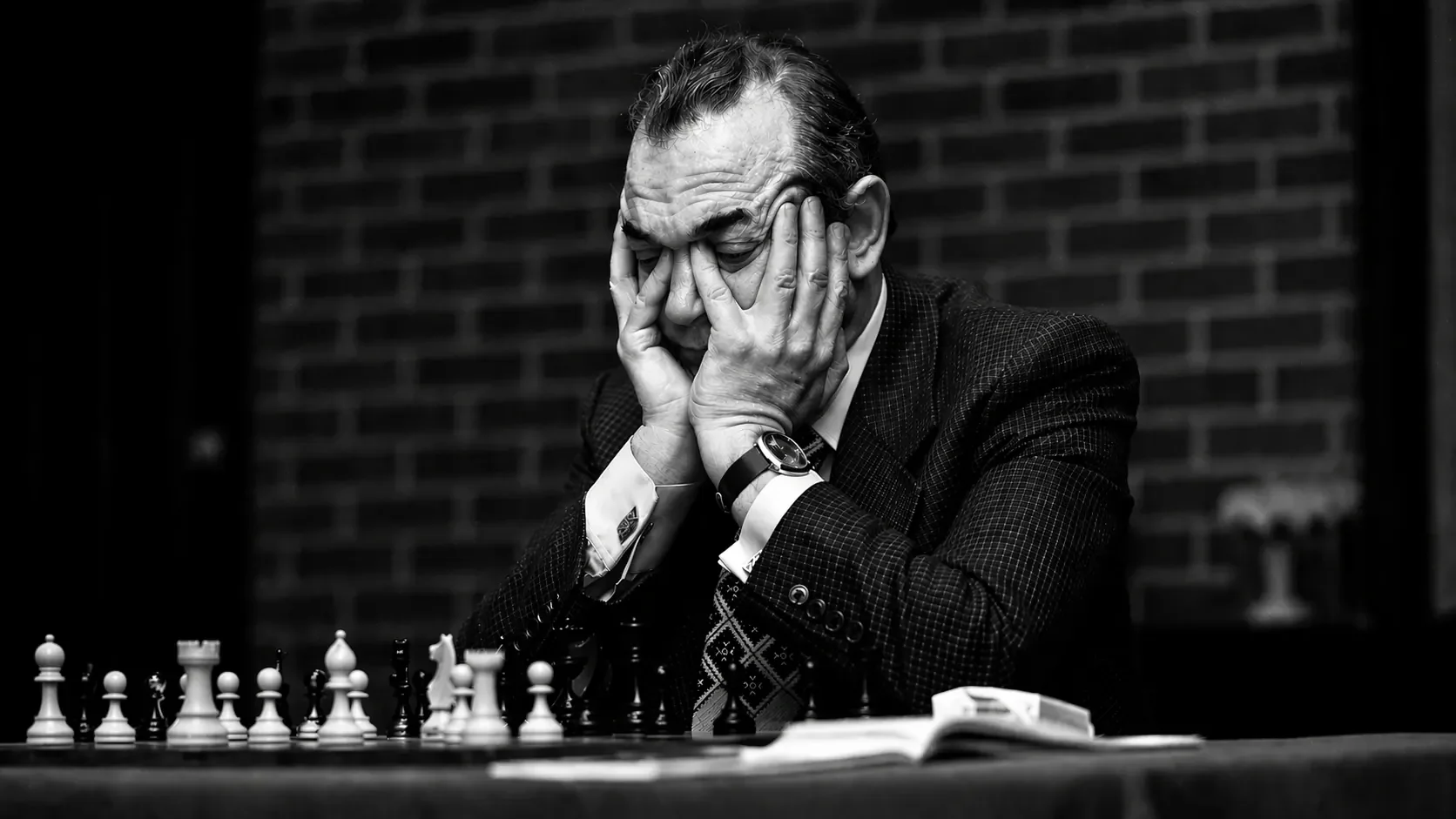
How the Early Soviet State Turned Chess Into a Tool
A look inside the origins of Soviet chess culture. These articles trace how early USSR institutions and political leaders transformed chess into a tool for education, discipline, and national development, setting the foundation for decades of dominance in world chess.
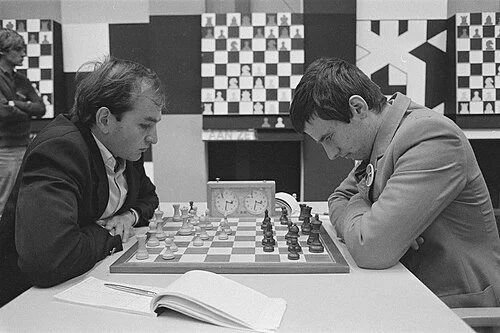
Kiril Georgiev
Kiril Georgiev emerged from Bulgaria’s distinguished chess tradition to become the 1983 World Junior Champion and one of the country’s leading grandmasters. Explore his early development, competitive achievements, playing style, international career, and lasting contribution to Bulgarian chess.
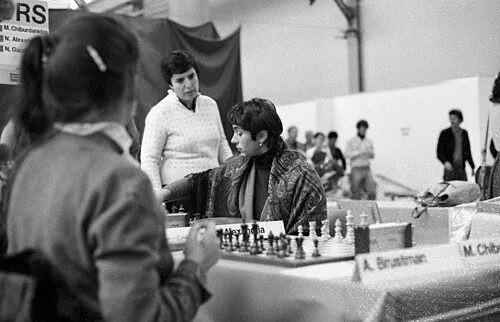
Soviet Triumph at the 25th Chess Olympiad
The 1982 Chess Olympiad in Lucerne produced one of the great late-Soviet team performances. Led by Anatoly Karpov, Garry Kasparov, Mikhail Tal, Maia Chiburdanidze, and Nona Gaprindashvili, the USSR won gold in both competitions.
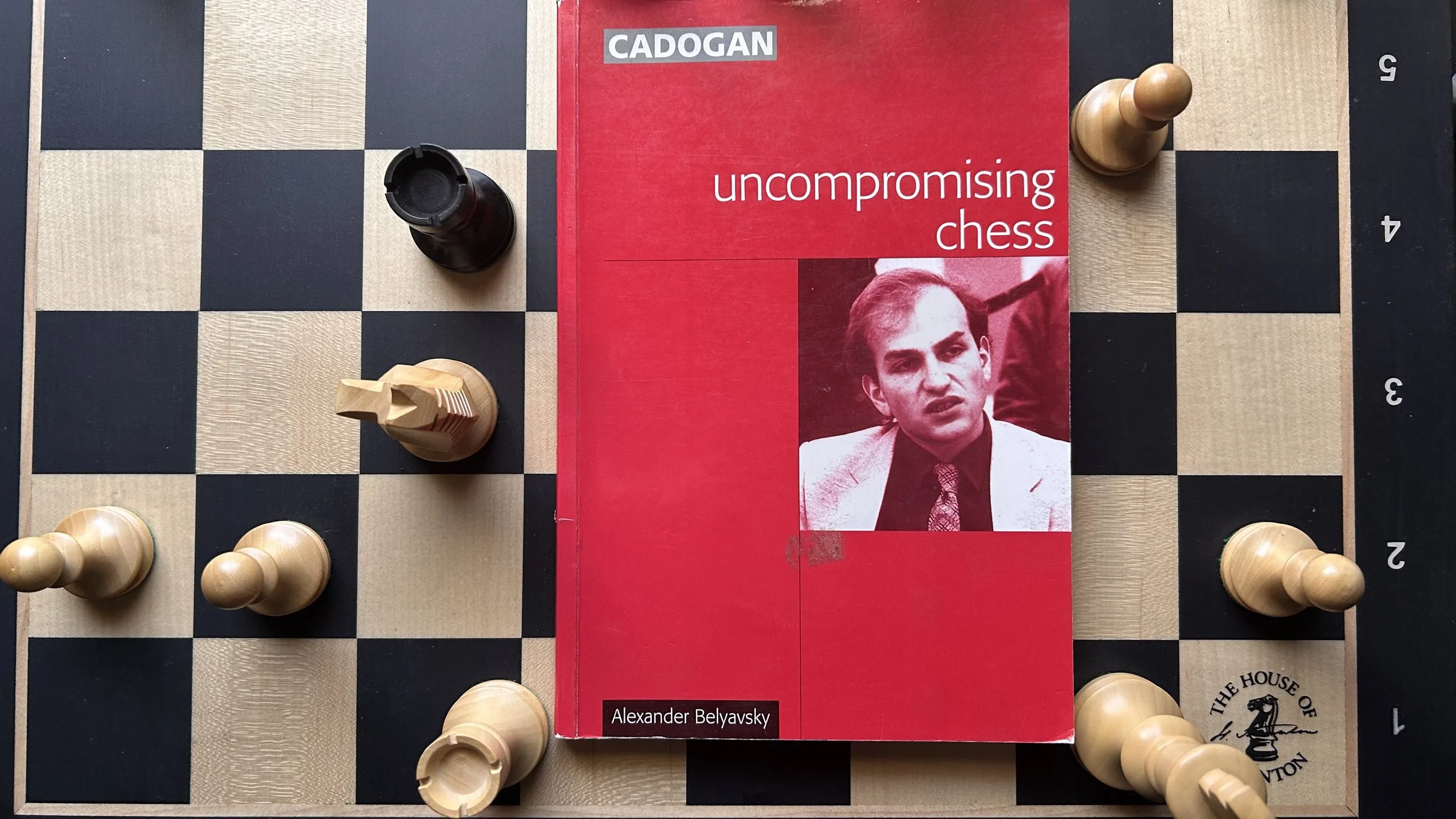
Alexander Beliavsky
Trained in Lviv under Viktor Kart, Alexander Beliavsky won the 1973 World Junior Championship and, a year later, shared the Soviet championship with Mikhail Tal. He went on to win four USSR titles and reached a peak world ranking of No. 3 in 1985. An uncompromising competitor renowned for his dynamic style, Beliavsky also wrote influential books such as Uncompromising Chess and contributed to opening theory in lines like the fianchetto Grünfeld. His career spans decades, and he has defeated nine world champions while later serving as a trainer, theoretician, and author.