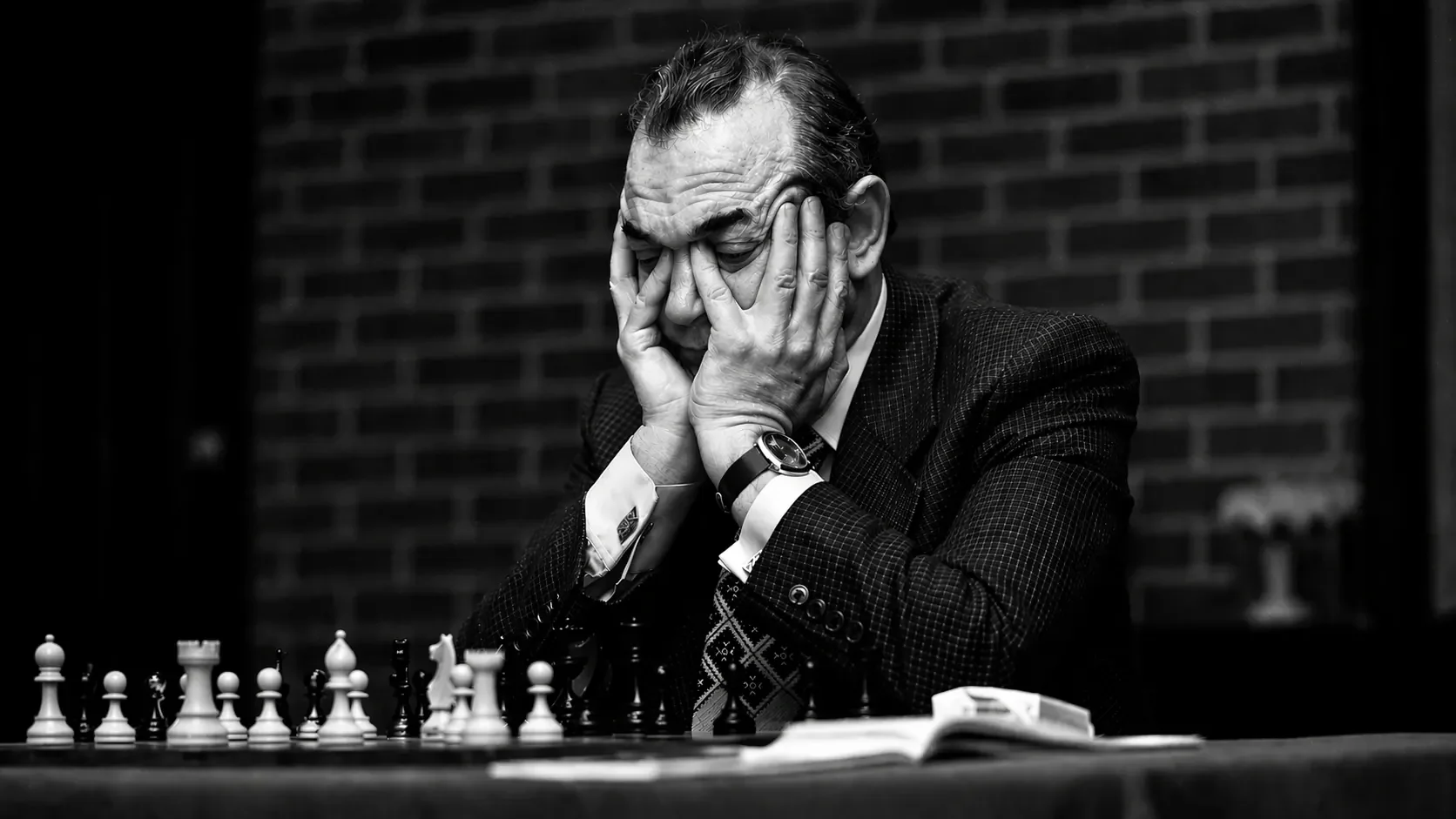
How the Early Soviet State Turned Chess Into a Tool
A look inside the origins of Soviet chess culture. These articles trace how early USSR institutions and political leaders transformed chess into a tool for education, discipline, and national development, setting the foundation for decades of dominance in world chess.
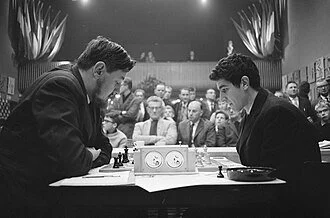
J.H. Donner
J.H. Donner, also known as Jan Hein Donner, was one of the Netherlands’ most distinctive chess grandmasters, recognized for his uncompromising play, incisive writing, and encounters with the Soviet chess elite. This profile examines his development, competitive career, literary influence, international reputation, and enduring place in twentieth-century chess history.
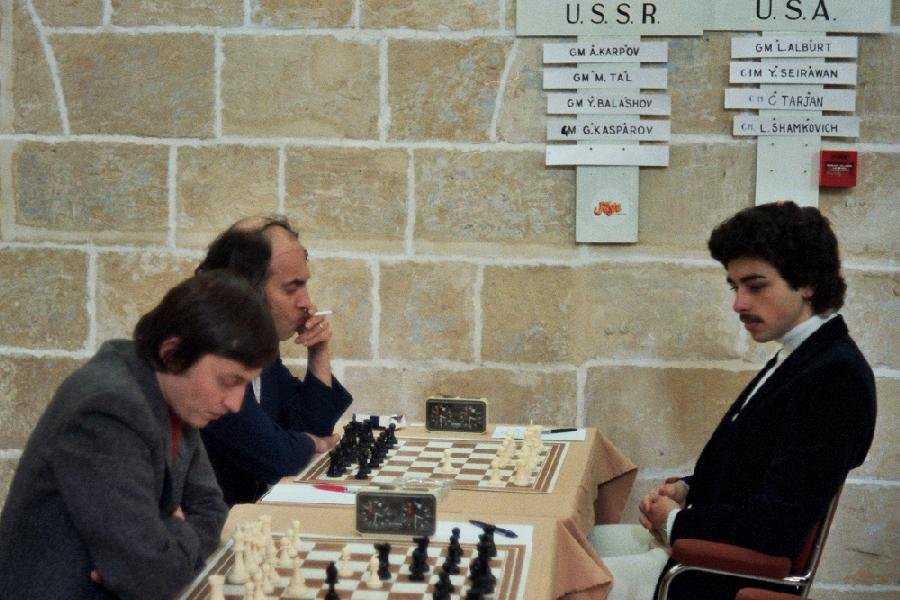
Valetta 1980
At the 1980 Chess Olympiad in Valletta, the Soviet Union reclaimed team gold after a tense tie with Hungary. Discover how Anatoly Karpov, Mikhail Tal, and 17-year-old Olympiad debutant Garry Kasparov contributed to one of chess history’s closest finishes.
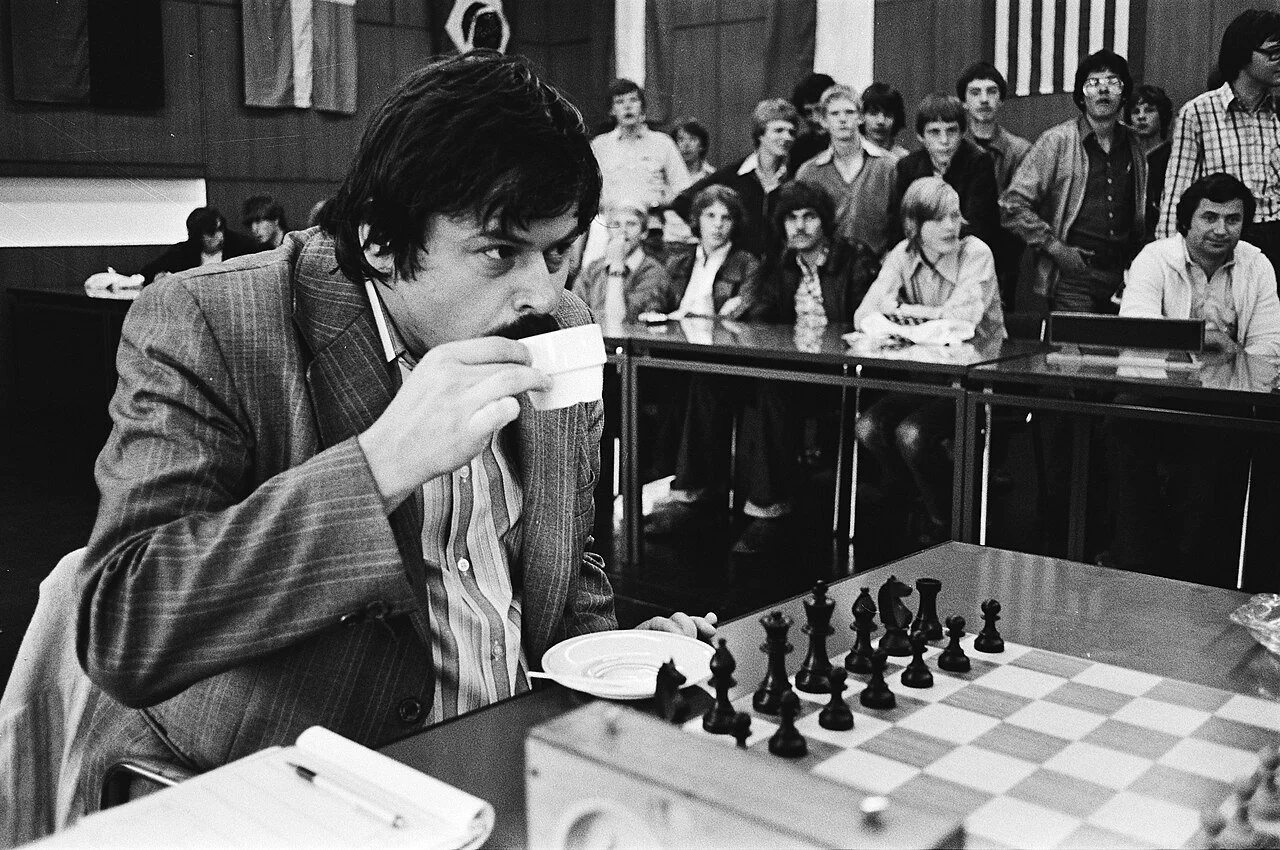
Vlastimil Hort
Vlastimil Hort was among Czechoslovakia’s strongest grandmasters and a prominent non-Soviet challenger during an era dominated by the USSR. This profile examines his early development, Candidates-level achievements, distinctive playing style, international career, contributions beyond tournament play, and enduring place in chess history.
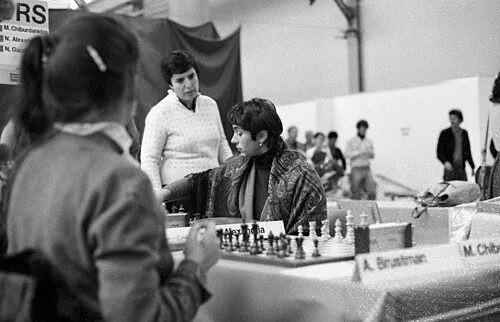
Soviet Triumph at the 25th Chess Olympiad
The 1982 Chess Olympiad in Lucerne produced one of the great late-Soviet team performances. Led by Anatoly Karpov, Garry Kasparov, Mikhail Tal, Maia Chiburdanidze, and Nona Gaprindashvili, the USSR won gold in both competitions.
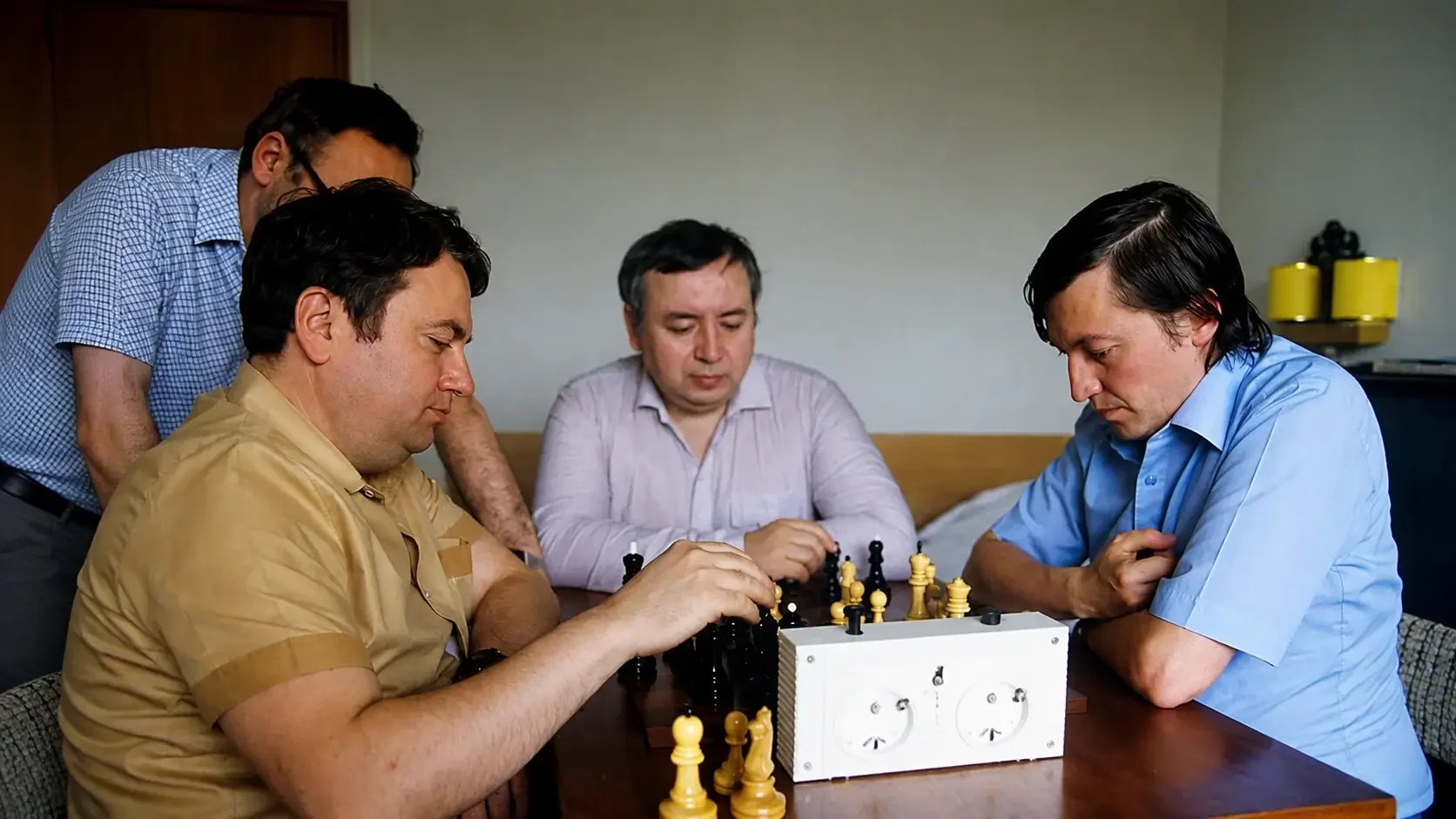
Igor Zaitsev
Igor Zaitsev was more than a Soviet grandmaster. A near-USSR champion, influential opening theorist, trusted second to Anatoly Karpov, and author of Attacking the Strongpoint, Zaitsev shaped elite chess preparation behind the scenes while leaving a lasting mark on Soviet chess history.
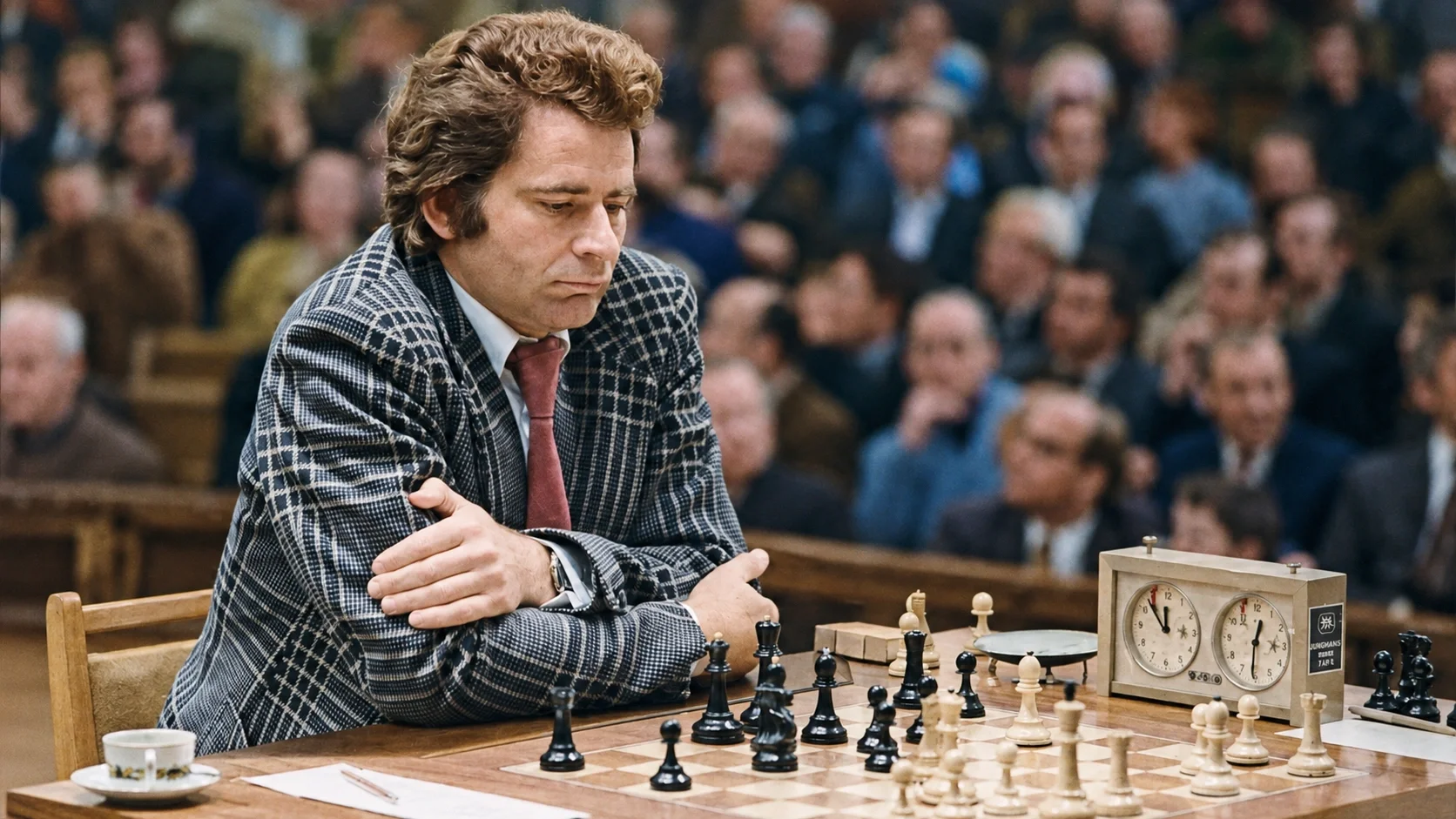
41st USSR Chess Championship
In October 1973, Moscow staged a championship that condensed almost the entire Soviet chess world into one hall. The 41st USSR Championship revealed how the Soviet system responded to Fischer’s 1972 triumph, why Spassky’s return to first place carried unusual force, and how the road from Botvinnik’s age to Karpov’s was already visible before the world title formally changed hands again.
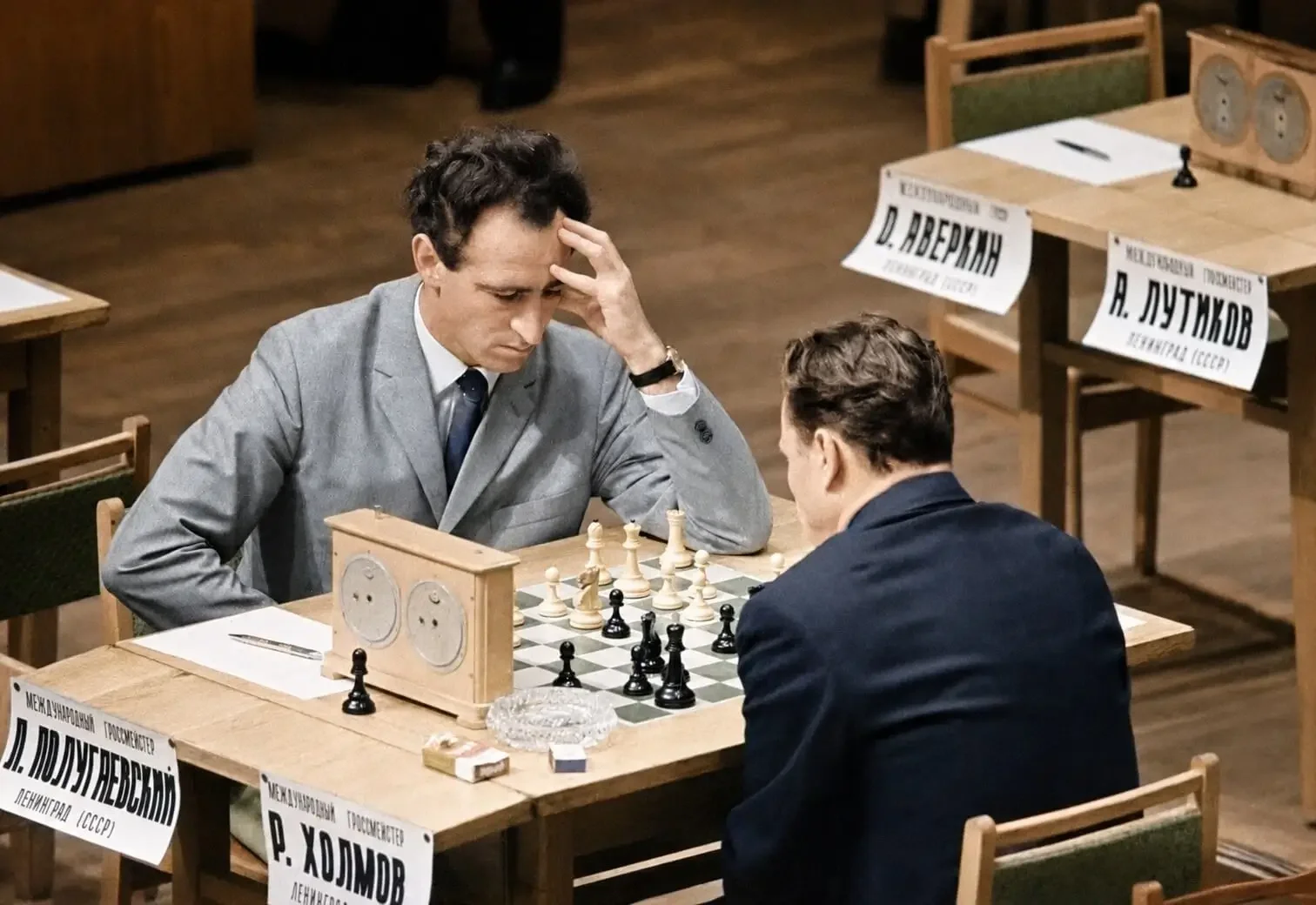
Lev Polugaevsky (Леў Палугаеўскі)
This piece profiles Lev Polugaevsky as a player who married engineer‑like preparation with ferocious over‑the‑board play. It reviews his repeated appearances in world championship cycles and his lasting impact through the Polugaevsky Variation of the Najdorf.