How the Early Soviet State Turned Chess Into a Tool
A look inside the origins of Soviet chess culture. These articles trace how early USSR institutions and political leaders transformed chess into a tool for education, discipline, and national development, setting the foundation for decades of dominance in world chess.
Siegen Chess Olympiad
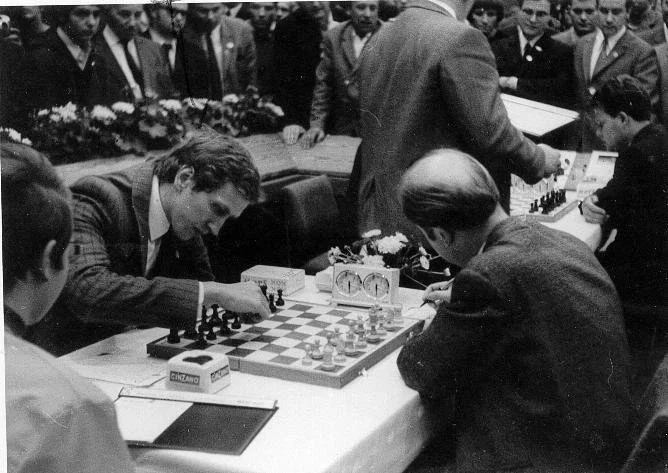
The 1970 Siegen Chess Olympiad brought 60 teams to West Germany and produced the Soviet Union’s narrowest Olympiad victory to date. This profile examines its format, leading contenders, Spassky-Fischer encounter, public reception, FIDE Congress, and one-point finish ahead of Hungary.

Lubomir Kavalek
Lubomir Kavalek was a leading Czechoslovak and American grandmaster whose career crossed the political and competitive boundaries of Cold War chess. This profile examines his early development, international achievements, rivalry with Soviet players, influential work as a trainer and writer, and enduring place in modern chess history.
Lajos Portisch
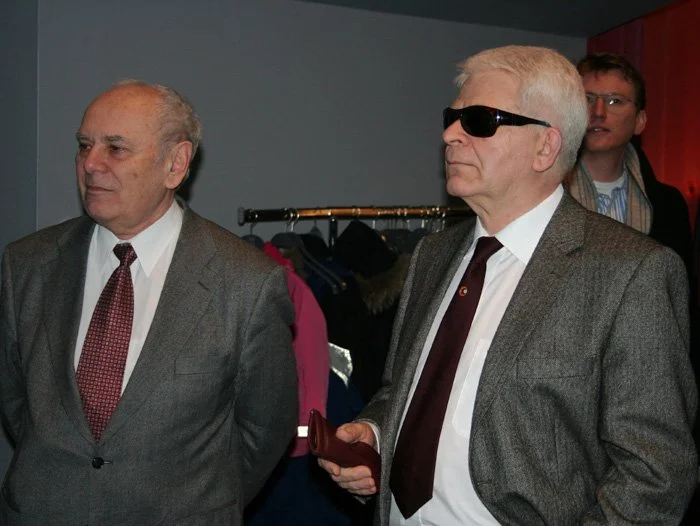
Lajos Portisch was not a Soviet player, but for more than three decades he occupied a place Soviet chess could not ignore. Born in Zalaegerszeg in 1937, the Hungarian grandmaster rose through a chess culture rebuilding after the Second World War and became one of the most consistent challengers to the USSR’s postwar dominance.
Ян Тимман
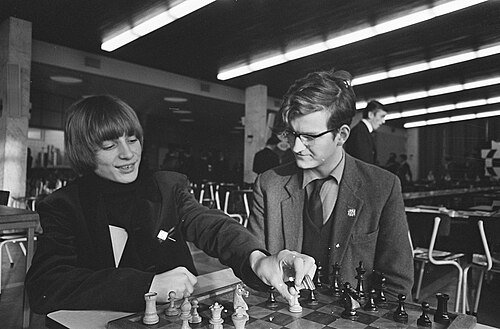
Jan Timman (1951-2026) rose from the Netherlands to become the leading non-Soviet challenger of his generation. This profile examines his early formation, Candidates’ campaigns, creative playing style, influential chess writing, and historical place among the strongest rivals faced by the Soviet chess elite.

Бобби Фишер
Bobby Fischer was the Soviet chess establishment’s most consequential foreign rival. This profile follows his Brooklyn childhood, early chess formation, meteoric rise, 1972 world championship victory, uncompromising style, troubled later years, and legacy as the player who most directly challenged Soviet dominance.
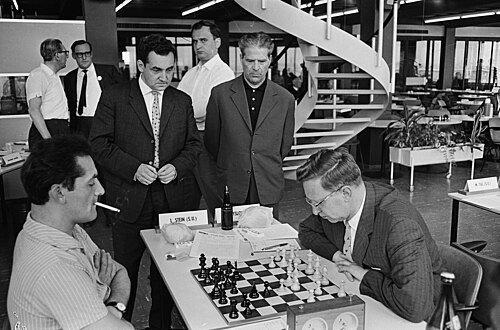
The 1964 Interzonal at Amsterdam
The 1964 Amsterdam Interzonal was a pivotal stage in the 1966 World Championship cycle. This article examines its format, field, Soviet stakes, four-way first-place finish, and the qualification rule that left Leonid Stein and David Bronstein outside the Candidates matches.
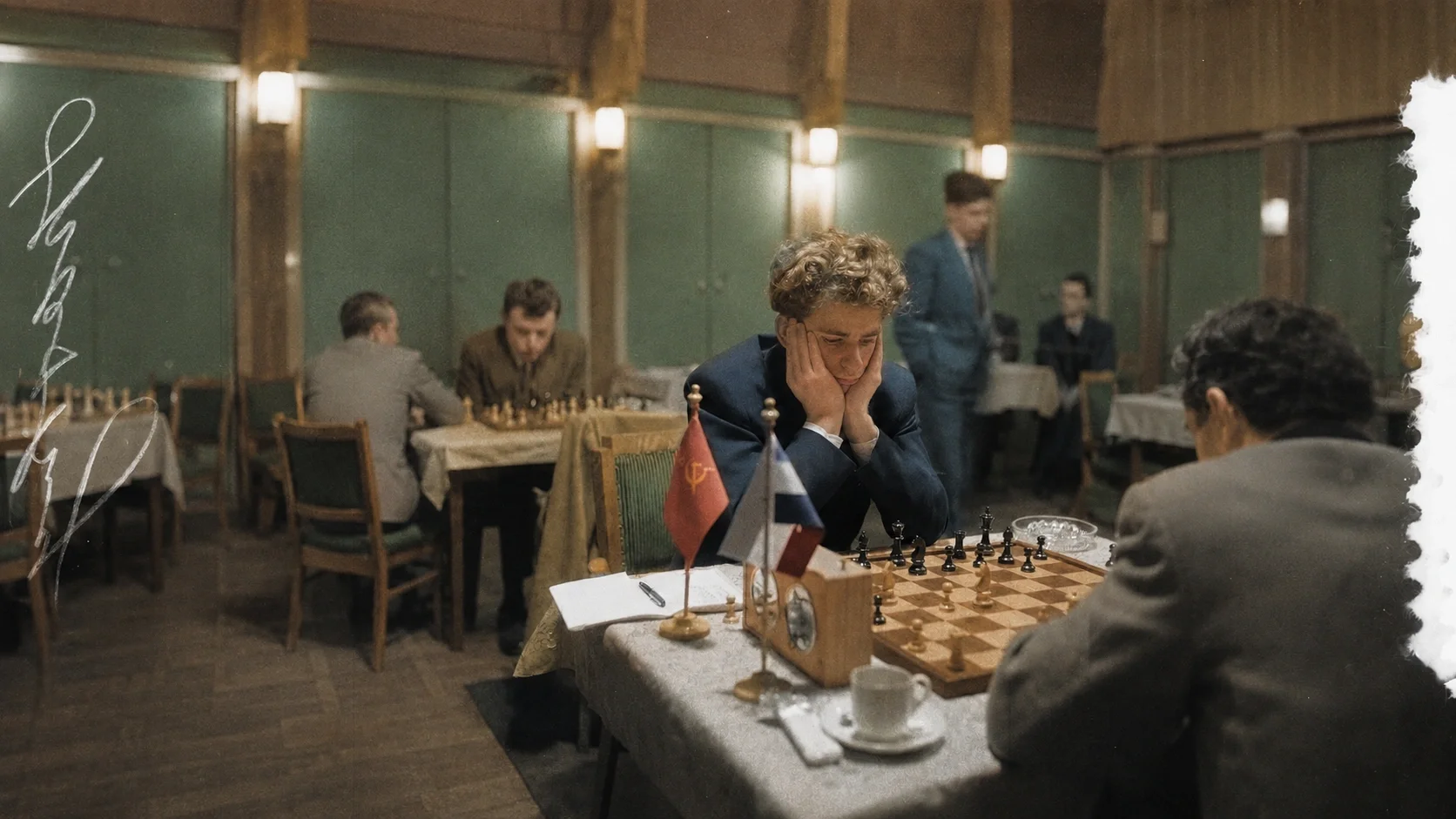
Boris Spassky
Boris Spassky was one of the great universal players in chess history. A World Junior Champion, Grandmaster at 18, two-time USSR Champion, 10th World Chess Champion, seven-time Candidates participant, and Soviet Olympiad star, he became a central figure in Cold War chess and one of the defining players of the 20th century.
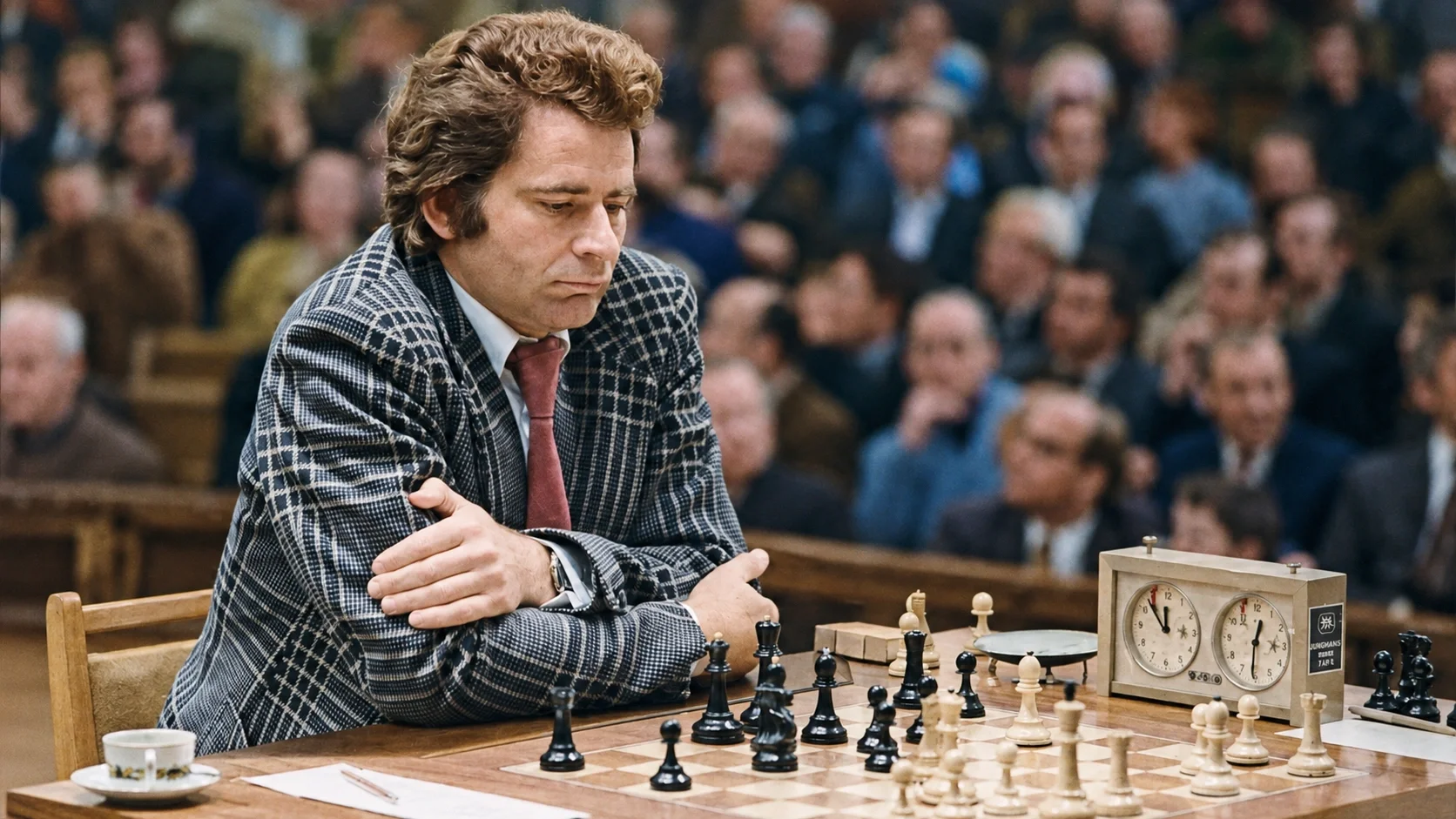
41st USSR Chess Championship
In October 1973, Moscow staged a championship that condensed almost the entire Soviet chess world into one hall. The 41st USSR Championship revealed how the Soviet system responded to Fischer’s 1972 triumph, why Spassky’s return to first place carried unusual force, and how the road from Botvinnik’s age to Karpov’s was already visible before the world title formally changed hands again.
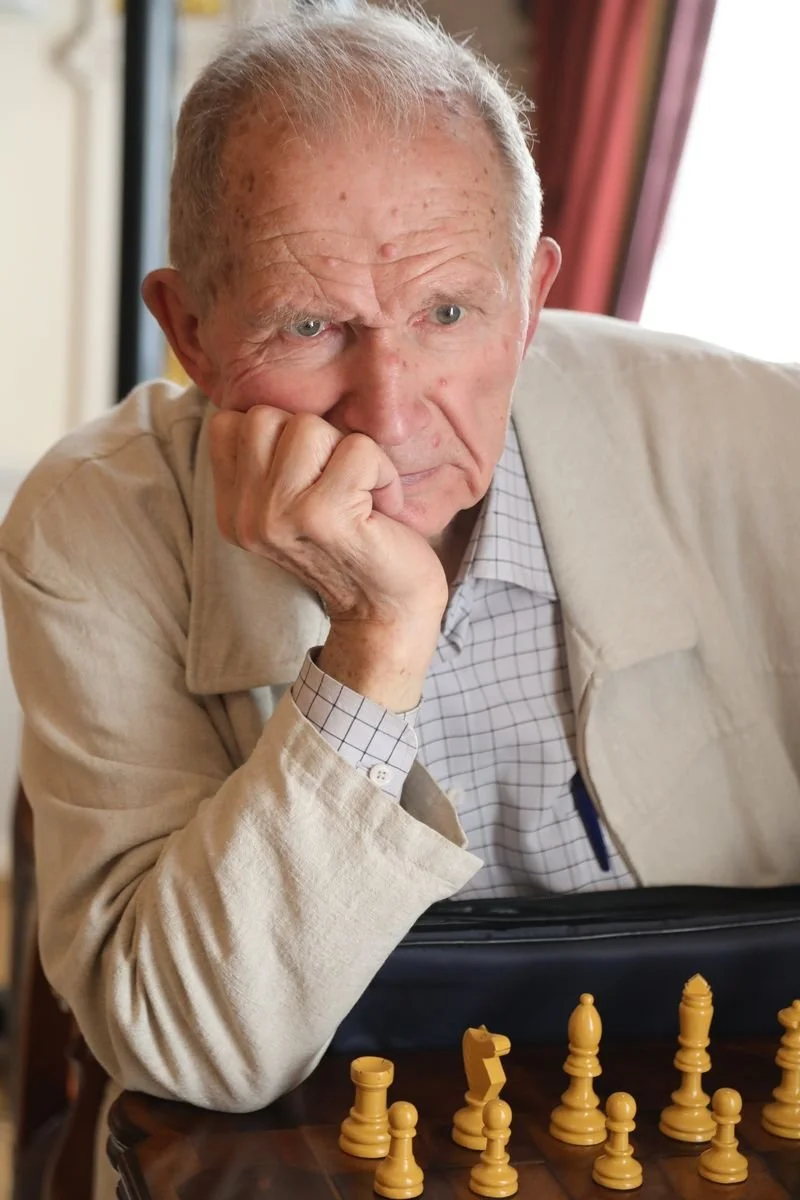
Alexander Nikitin
This article positions Alexander Nikitin as more than a second: he was a strategic thinker who helped shape world champions. Through his engineering background and analytical approach, he developed Kasparov and other talents while stressing the importance of preparation and structure.
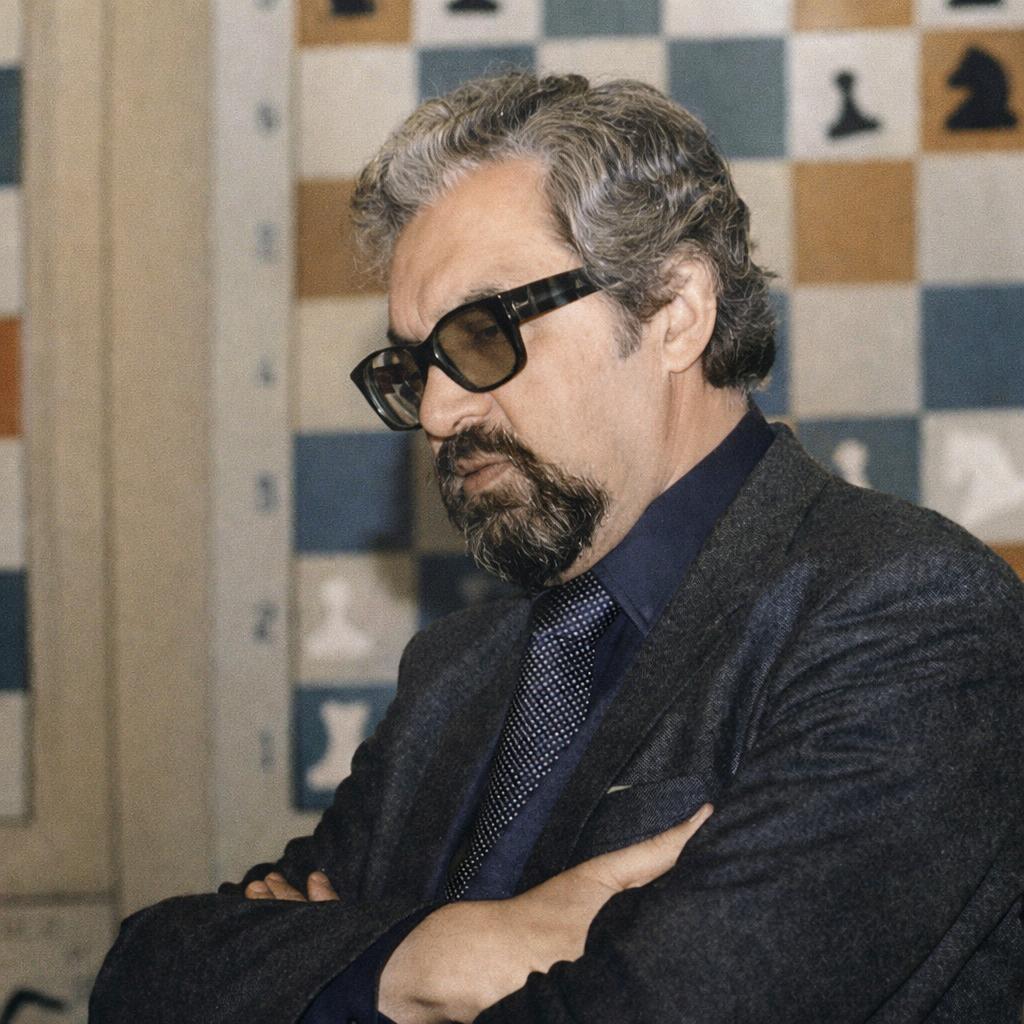
Vladimir Bagirov
Vladimir Bagirov may not have been a household name, but his deep tournament runs and meticulous opening work made him indispensable to Soviet chess. The piece underscores his roles as a player, second and theoretician, illustrating the depth of Soviet professional chess.