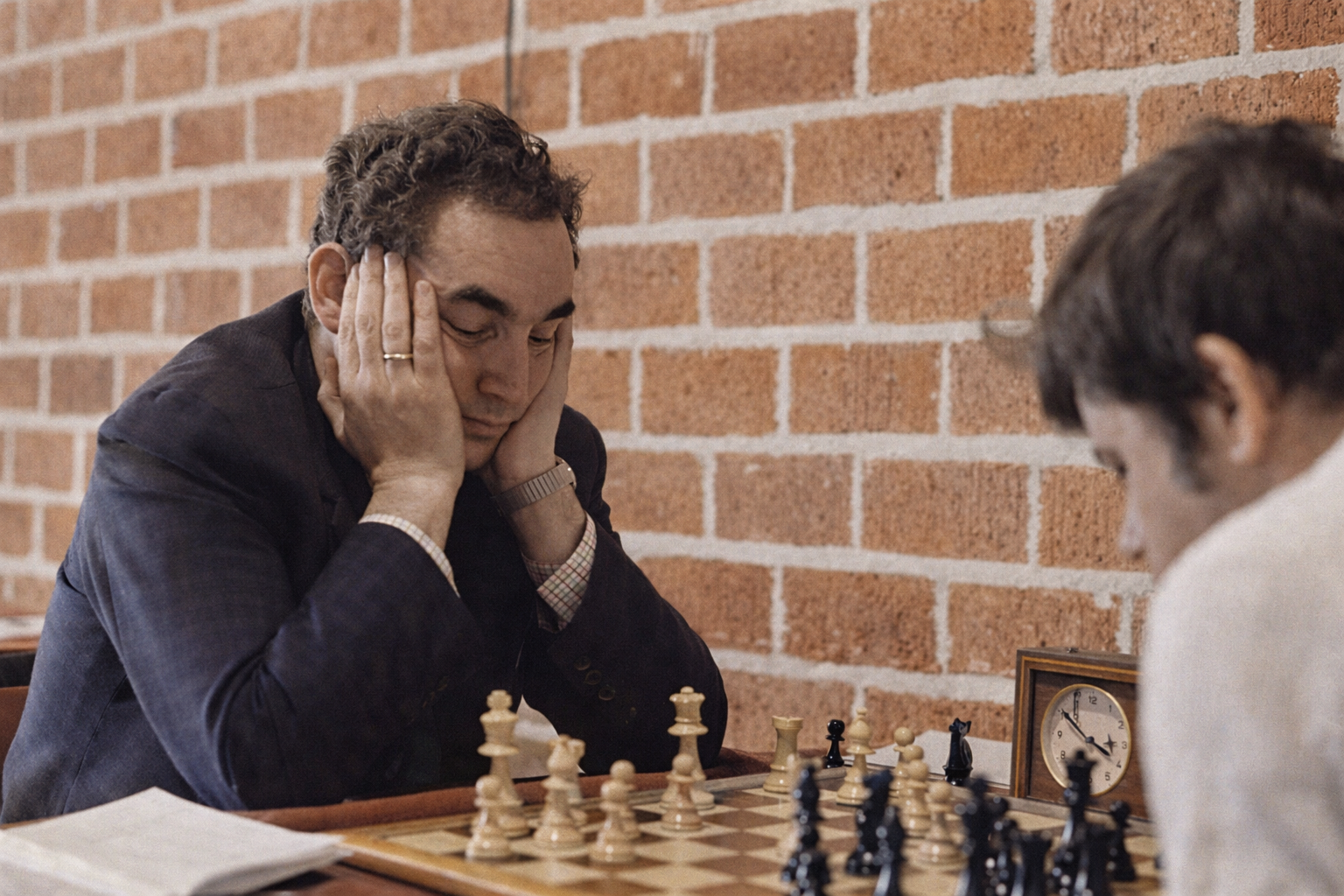
How the Early Soviet State Turned Chess Into a Tool
A look inside the origins of Soviet chess culture. These articles trace how early USSR institutions and political leaders transformed chess into a tool for education, discipline, and national development, setting the foundation for decades of dominance in world chess.
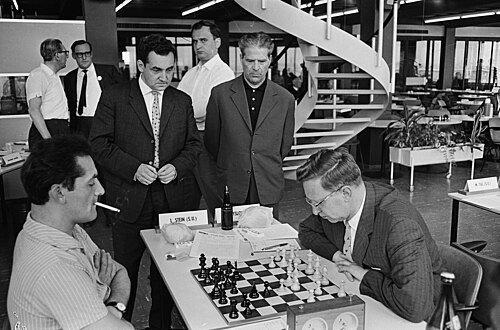
The 1964 Interzonal at Amsterdam
The 1964 Amsterdam Interzonal was a pivotal stage in the 1966 World Championship cycle. This article examines its format, field, Soviet stakes, four-way first-place finish, and the qualification rule that left Leonid Stein and David Bronstein outside the Candidates matches.
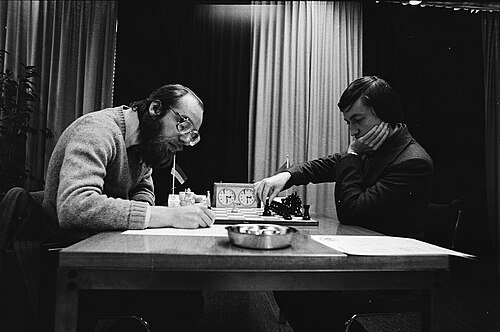
Tilburg 1979
Tilburg 1979 was one of the defining Interpolis chess tournaments of the late 1970s, bringing Anatoly Karpov, Oleg Romanishin, Lajos Portisch, Vlastimil Hort, Jan Timman, Vasily Smyslov, and other leading grandmasters into a compact Dutch arena. This article examines the event’s organization, field, Soviet relevance, competitive course, critical games, reception, and later historical assessment.
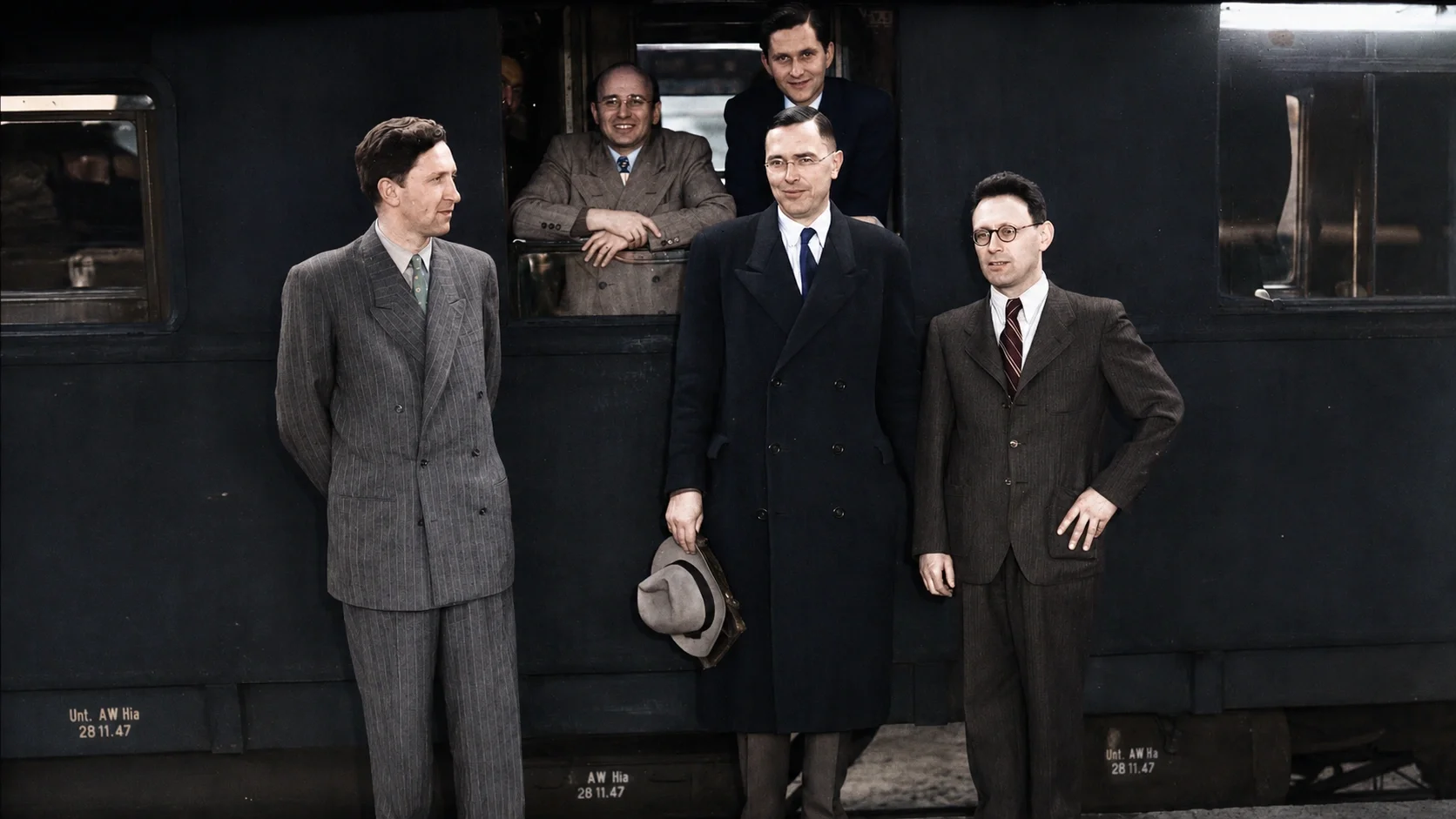
Vasily Smyslov
Vasily Smyslov was one of the essential figures of Soviet chess history: the seventh World Chess Champion, a master of positional clarity, and one of the greatest endgame players the game has ever known. From his rise in Moscow to his world championship victory over Mikhail Botvinnik in 1957, Smyslov embodied chess as an art of balance, logic, and harmony. His long career, musical gifts, Olympiad success, theoretical contributions, and enduring influence make him one of the most complete champions of the twentieth century.