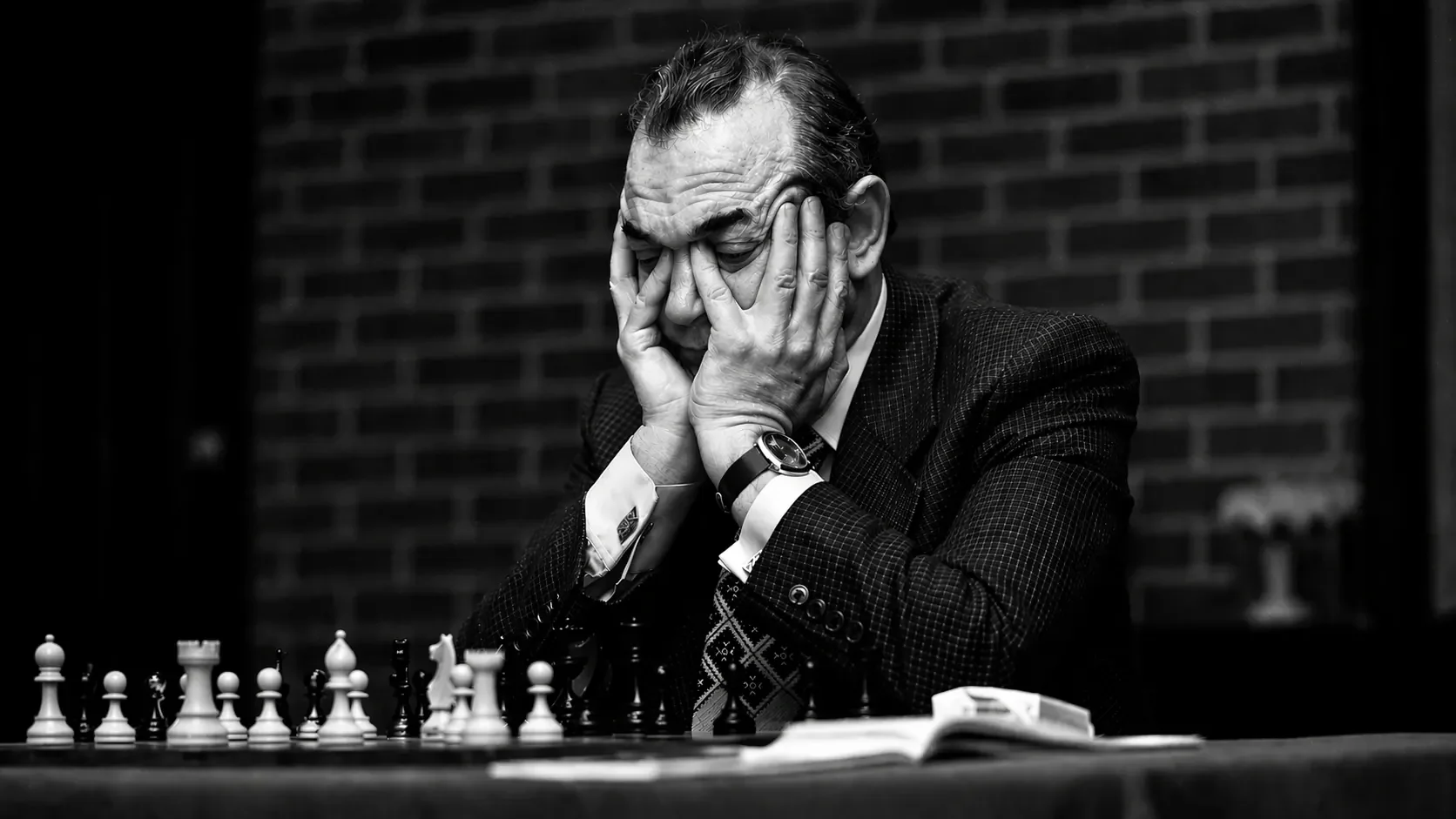
How the Early Soviet State Turned Chess Into a Tool
A look inside the origins of Soviet chess culture. These articles trace how early USSR institutions and political leaders transformed chess into a tool for education, discipline, and national development, setting the foundation for decades of dominance in world chess.
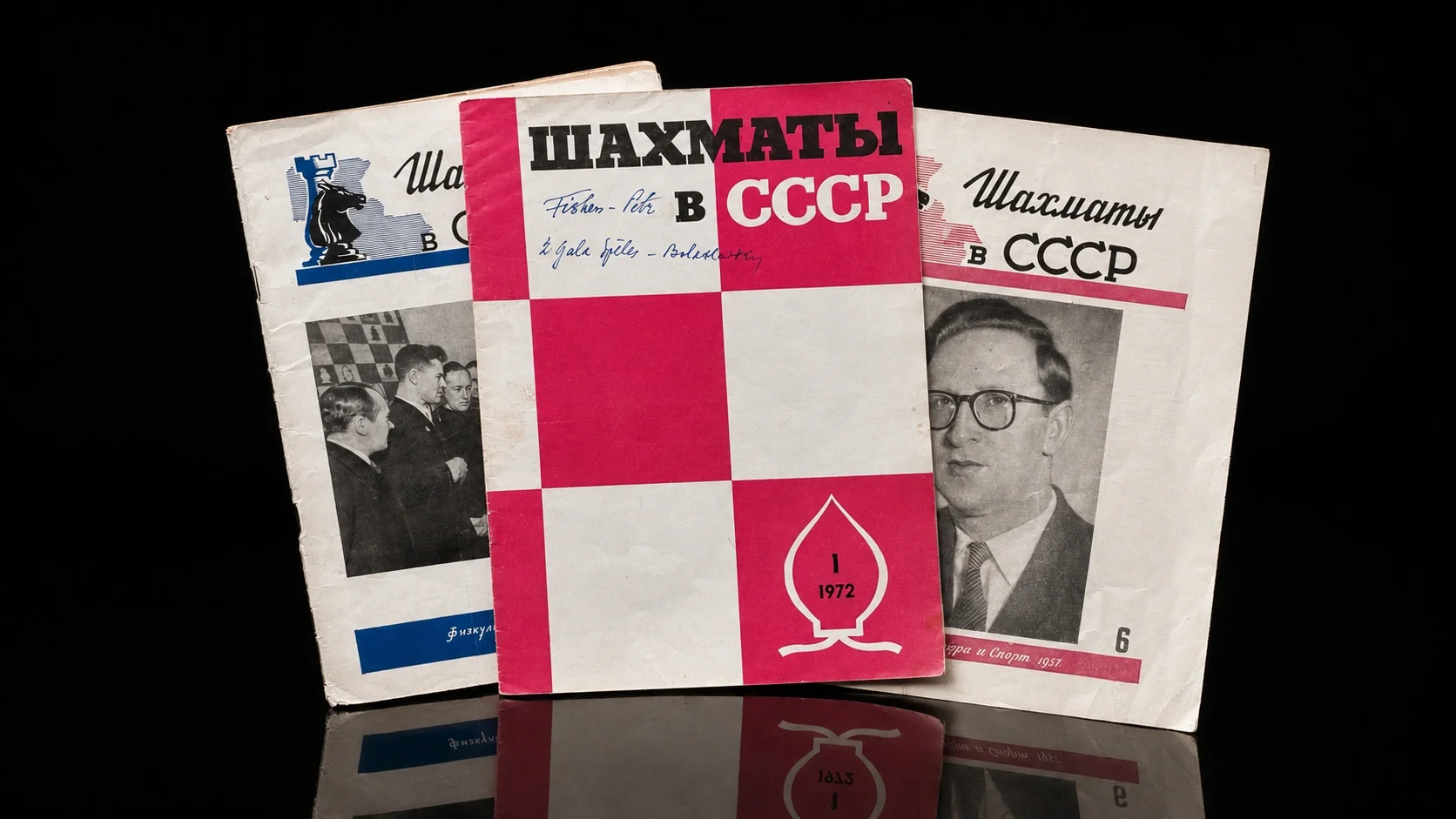
Shakmatty v SSSR
Shakhmaty v SSSR was one of the central publications of Soviet chess culture. Founded in 1931 on the basis of Shakhmatny Listok, the magazine documented tournament life, opening theory, player profiles, Soviet chess organization, and the growth of chess as a mass cultural project.
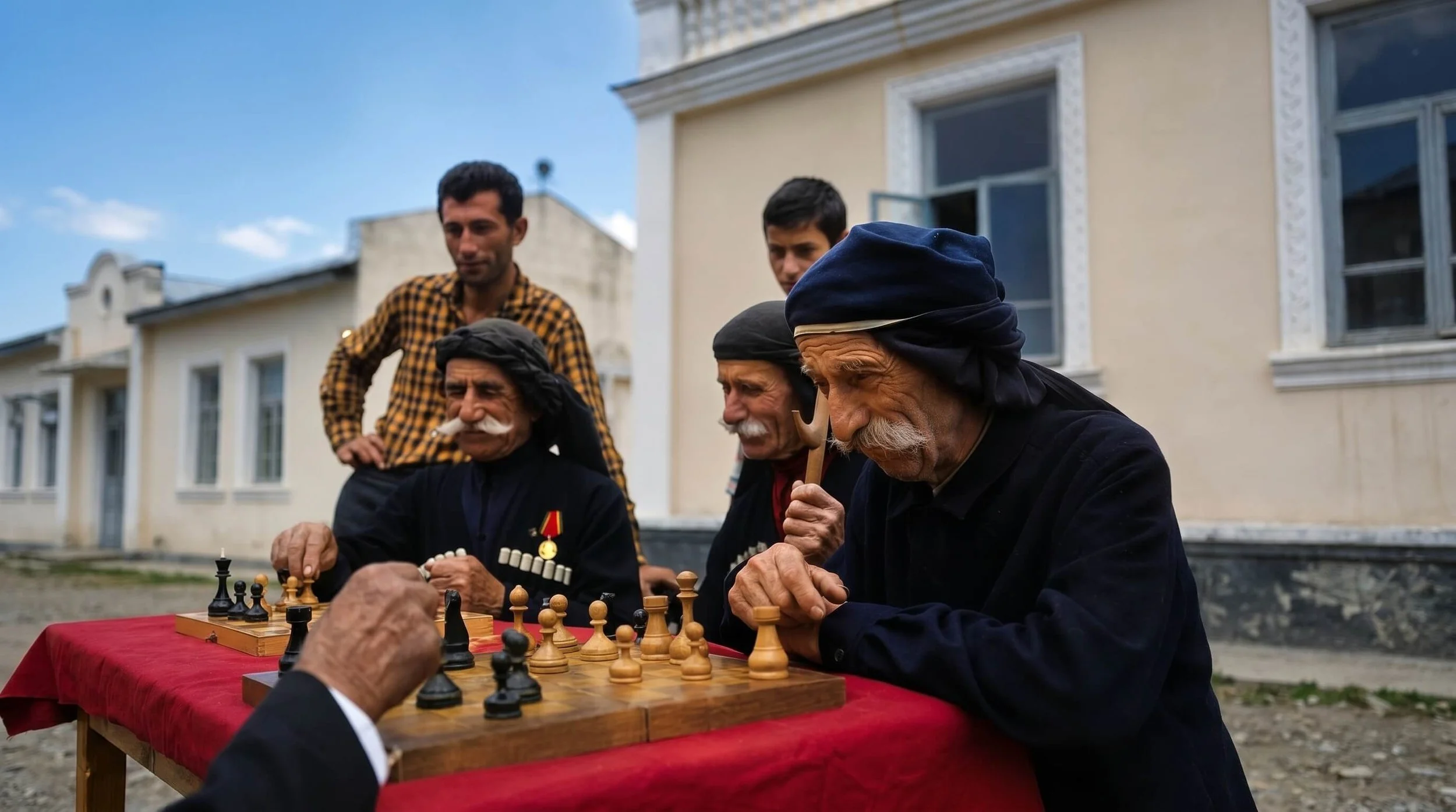
Chess in Abkhazia
In August 1967, elderly Abkhaz men were photographed playing chess in Lykhny, then part of the Abkhaz ASSR within the Georgian SSR. The image captures Soviet chess far from the tournament hall.
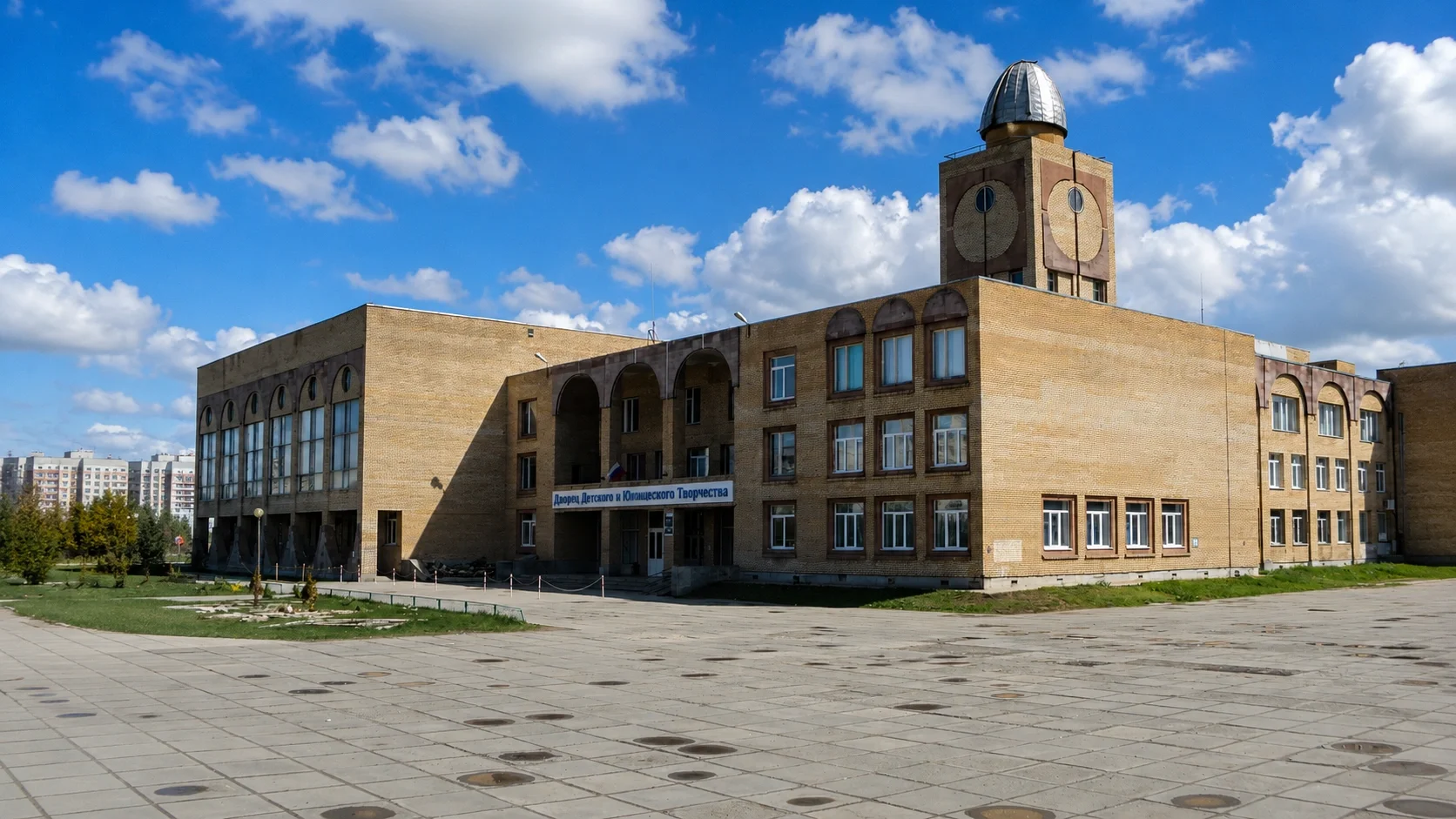
Pioneer’s Palace
The Young Pioneer Palaces shaped Soviet childhood through education, ideology, science, culture, sport, and chess. This article traces their origins, role in the Soviet School of Chess, architectural evolution, and transformation after 1991.
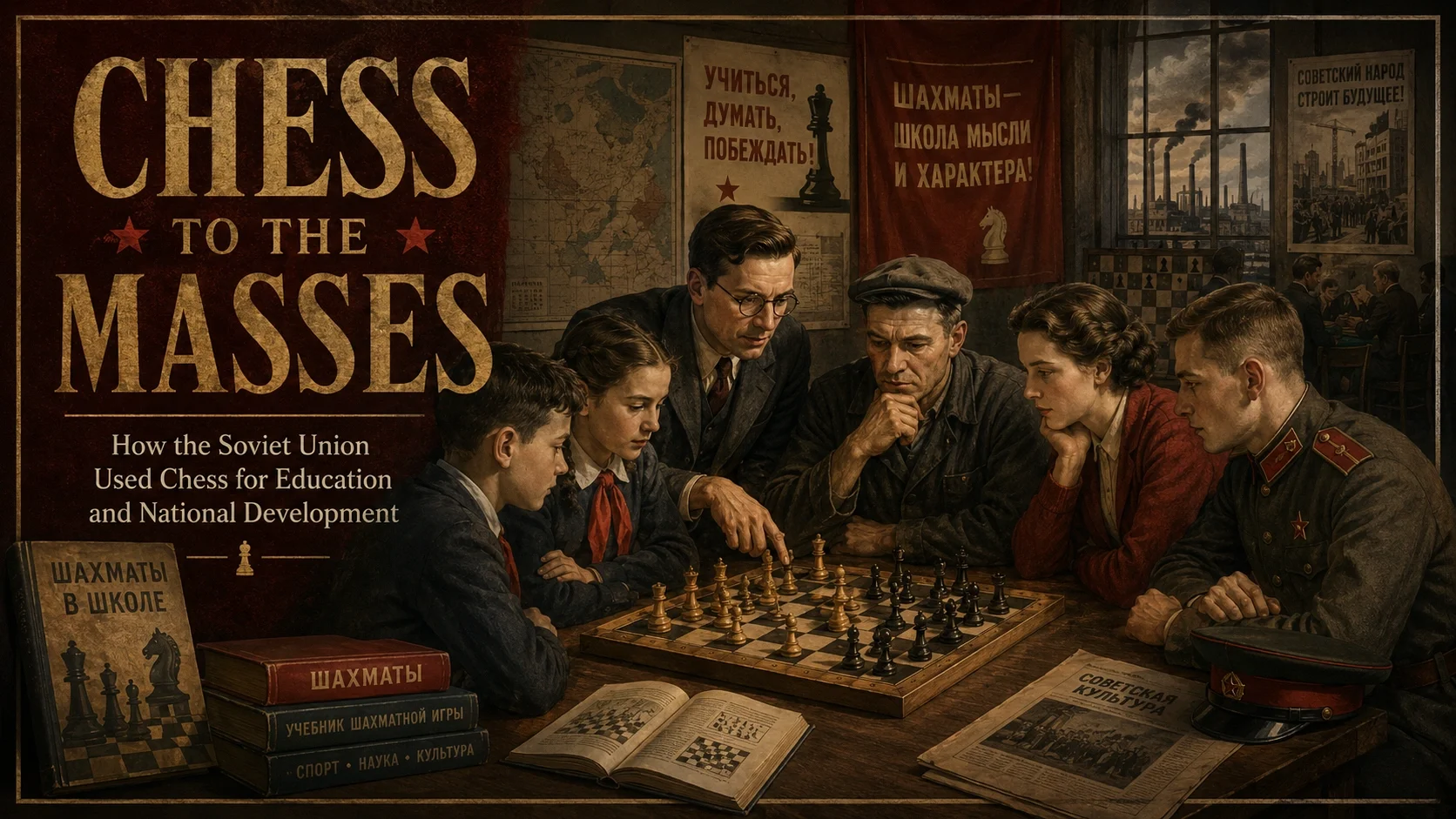
Chess to the Masses (Шахматы — в массы!)
“Chess to the masses” was one of the Soviet Union’s most influential cultural slogans. This article explores how chess moved from private clubs into schools, factories, military institutions, youth programs, and public life, becoming a tool of education, discipline, and national development.
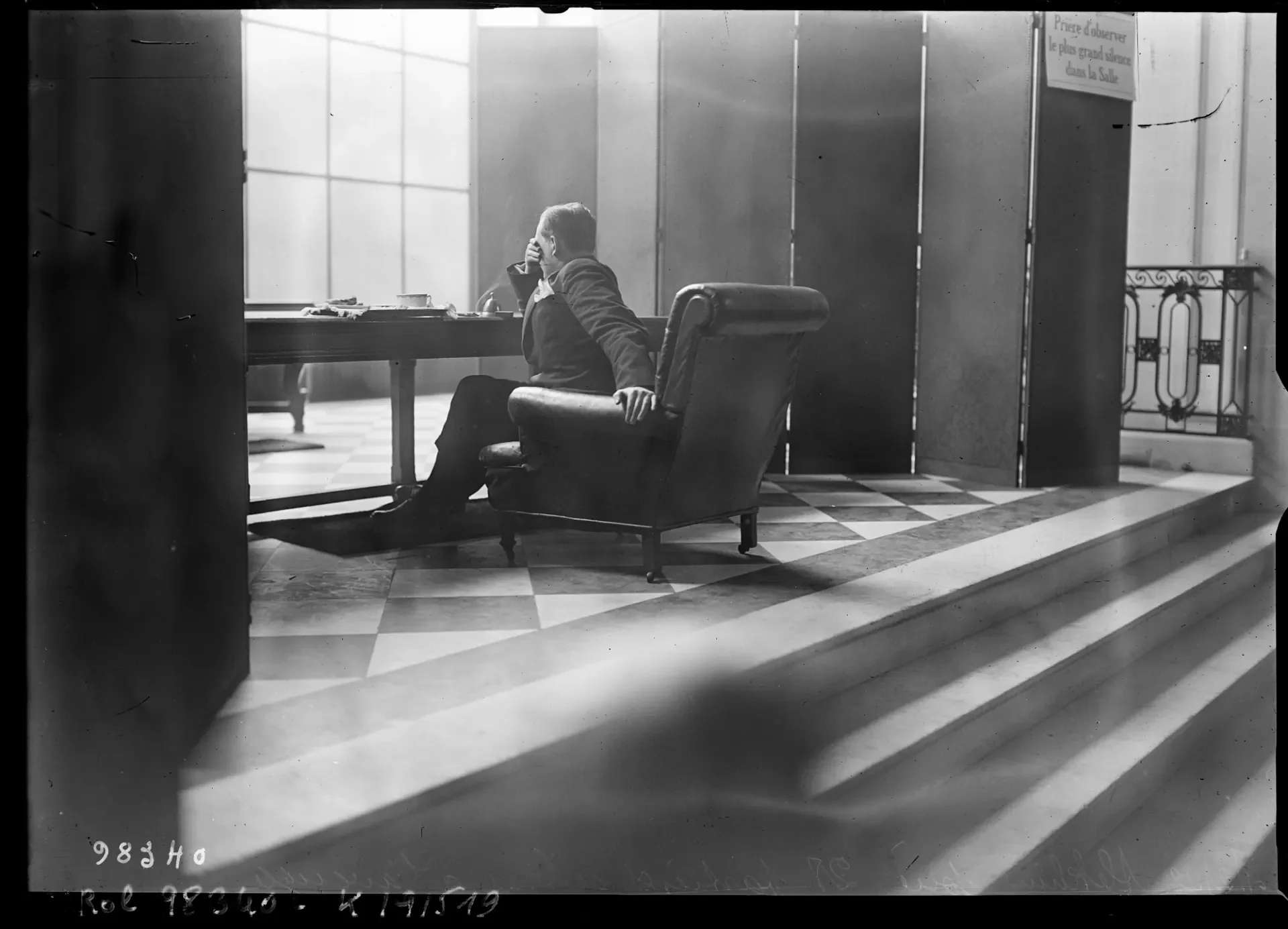
Alekhine’s Blindfold Simul in Paris 1925
In February 1925, Alexander Alekhine stunned Paris by playing 28 blindfold games at once inside the hall of Le Petit Parisien. Still two years from becoming World Champion, Alekhine turned memory, calculation, and endurance into public theater, scoring 22 wins, 3 draws, and 3 losses in one of the great blindfold exhibitions of chess history.
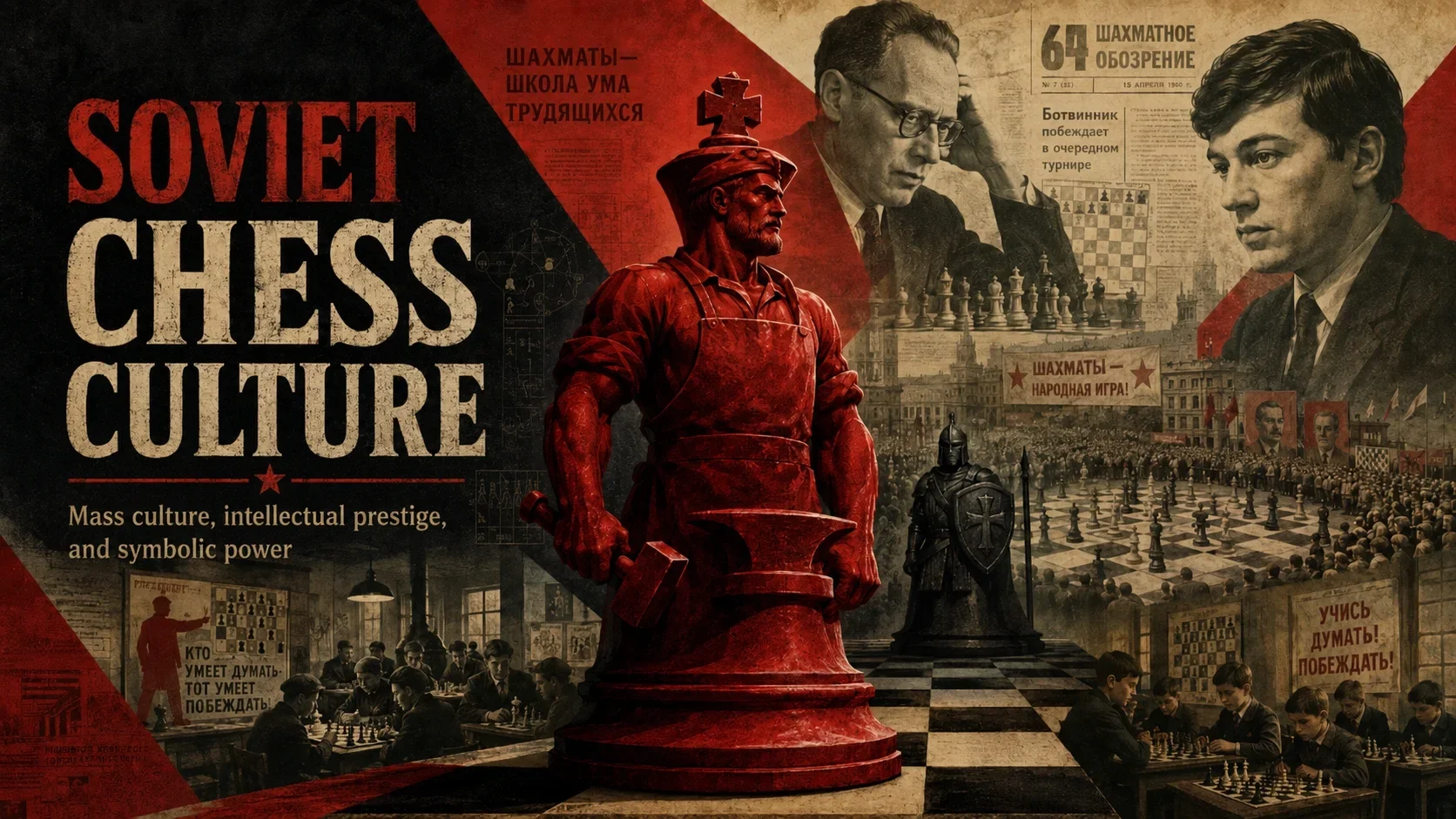
Soviet Chess Culture
The USSR made chess a civic language. Policy and media pushed “chess to the masses,” elite training turned champions into cultural envoys, Cold War matches served as soft‑power theater, and even boards and pieces carried messages—most vividly in the State Porcelain Factory’s “Reds vs Whites” set where a blacksmith confronts a skeletal “Capital.”