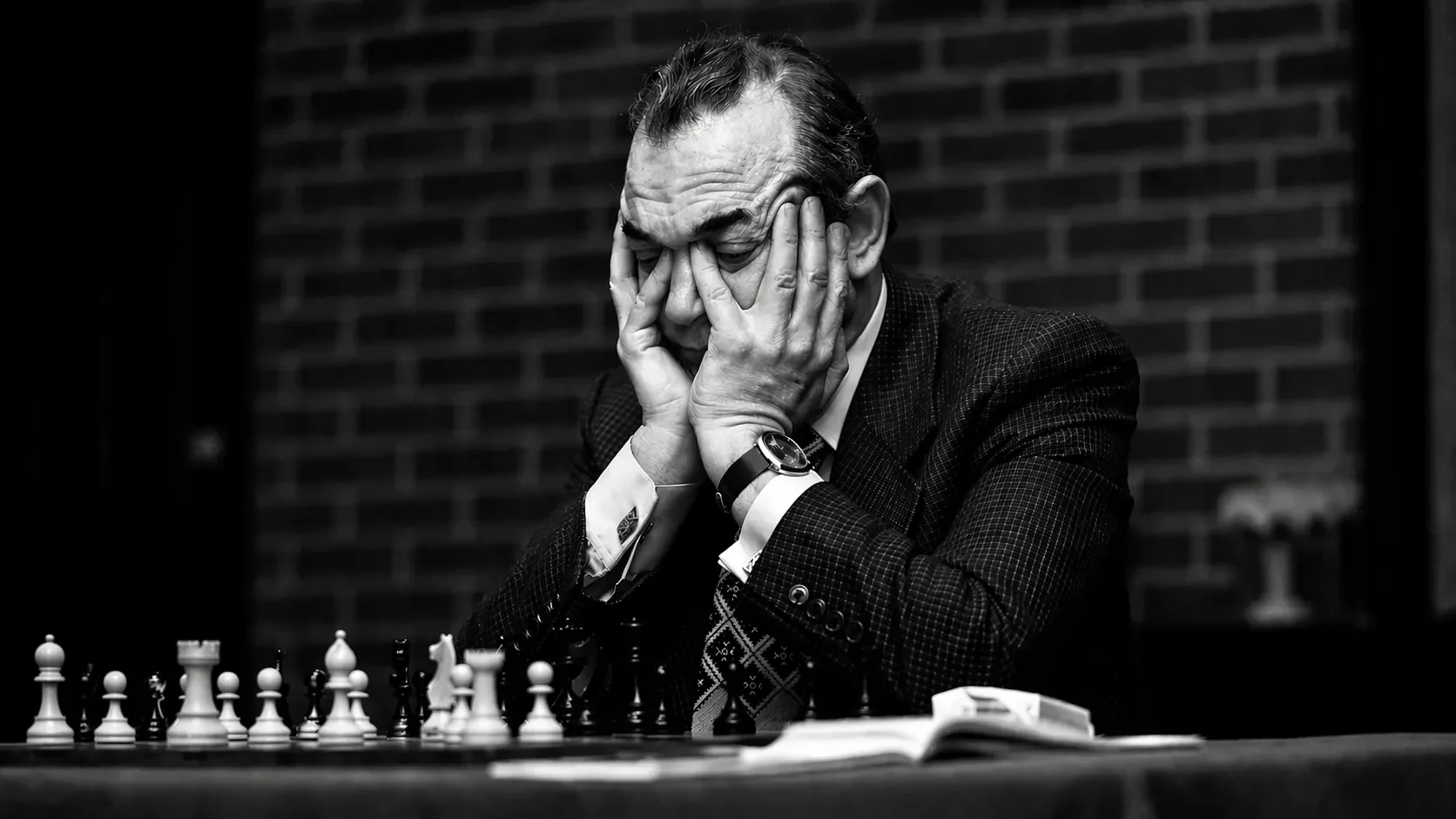
How the Early Soviet State Turned Chess Into a Tool
A look inside the origins of Soviet chess culture. These articles trace how early USSR institutions and political leaders transformed chess into a tool for education, discipline, and national development, setting the foundation for decades of dominance in world chess.
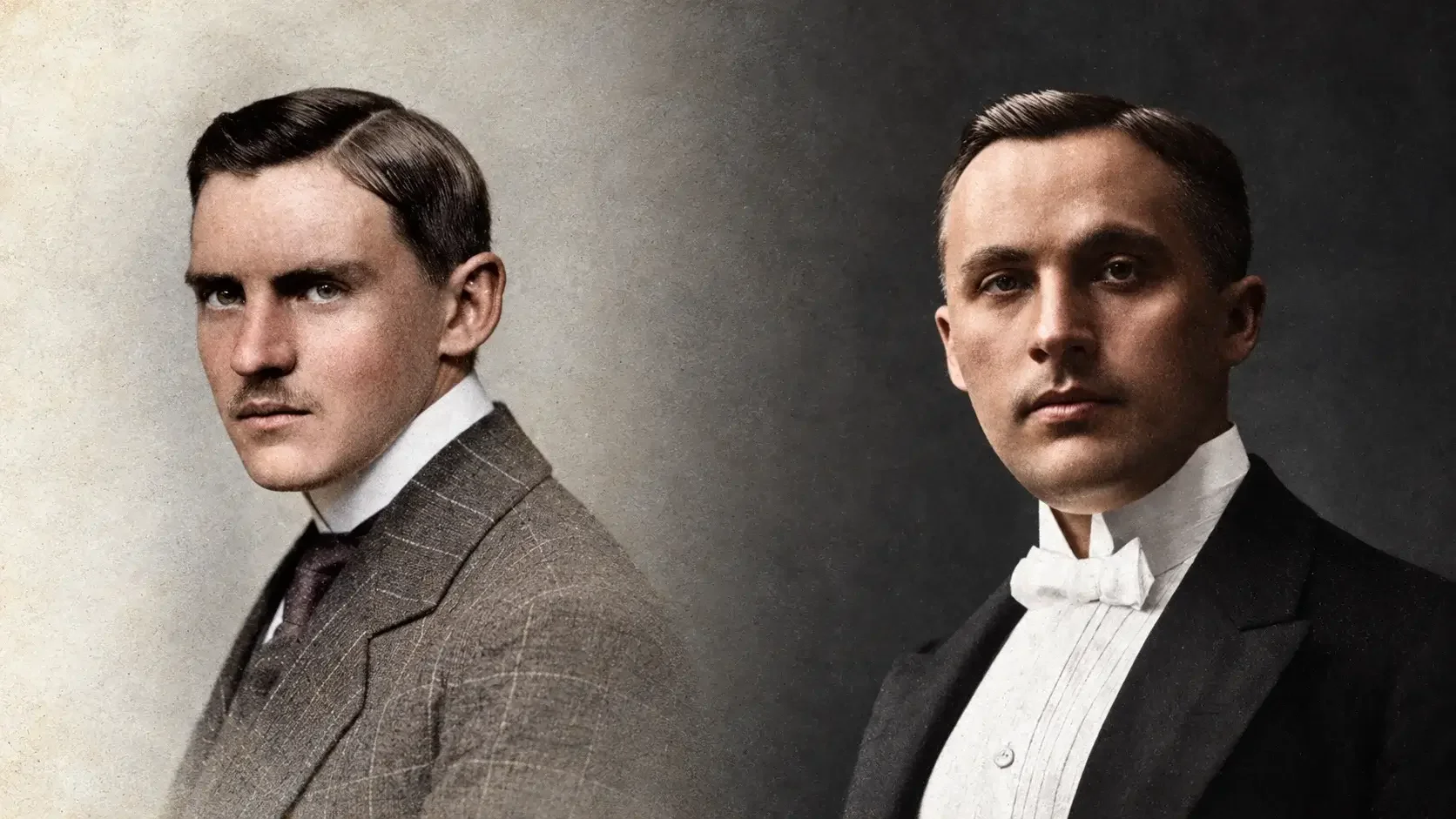
Alekhine and Bogoljubow in Germany 1914
After the Mannheim tournament was interrupted by the First World War in 1914, Alexander Alekhine and Efim Bogoljubow shared imprisonment in Rastatt and supervised residence in Baden-Baden. Contemporary reports and later recollections document their blindfold chess games, living conditions, and different paths out of internment.
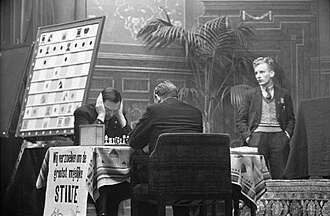
The World Chess Championship of 1937
The 1937 World Chess Championship brought Max Euwe and Alexander Alekhine together for a scheduled 30-game rematch staged across nine Dutch cities. This article examines its private organization, decisive turning points, contemporary press coverage, Soviet analytical reception, and legacy following Alekhine's becoming the first former champion to regain the title.