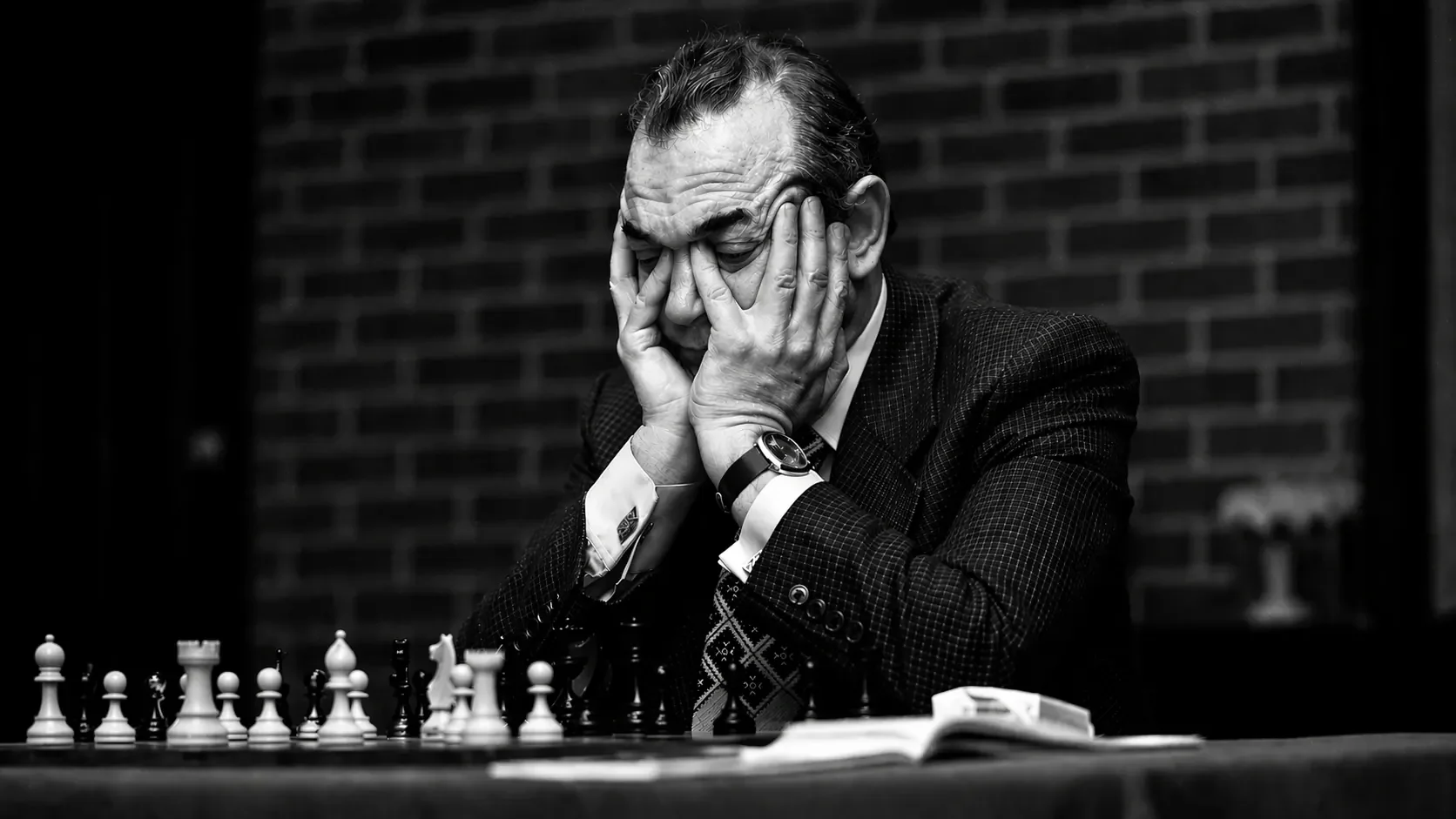
How the Early Soviet State Turned Chess Into a Tool
A look inside the origins of Soviet chess culture. These articles trace how early USSR institutions and political leaders transformed chess into a tool for education, discipline, and national development, setting the foundation for decades of dominance in world chess.
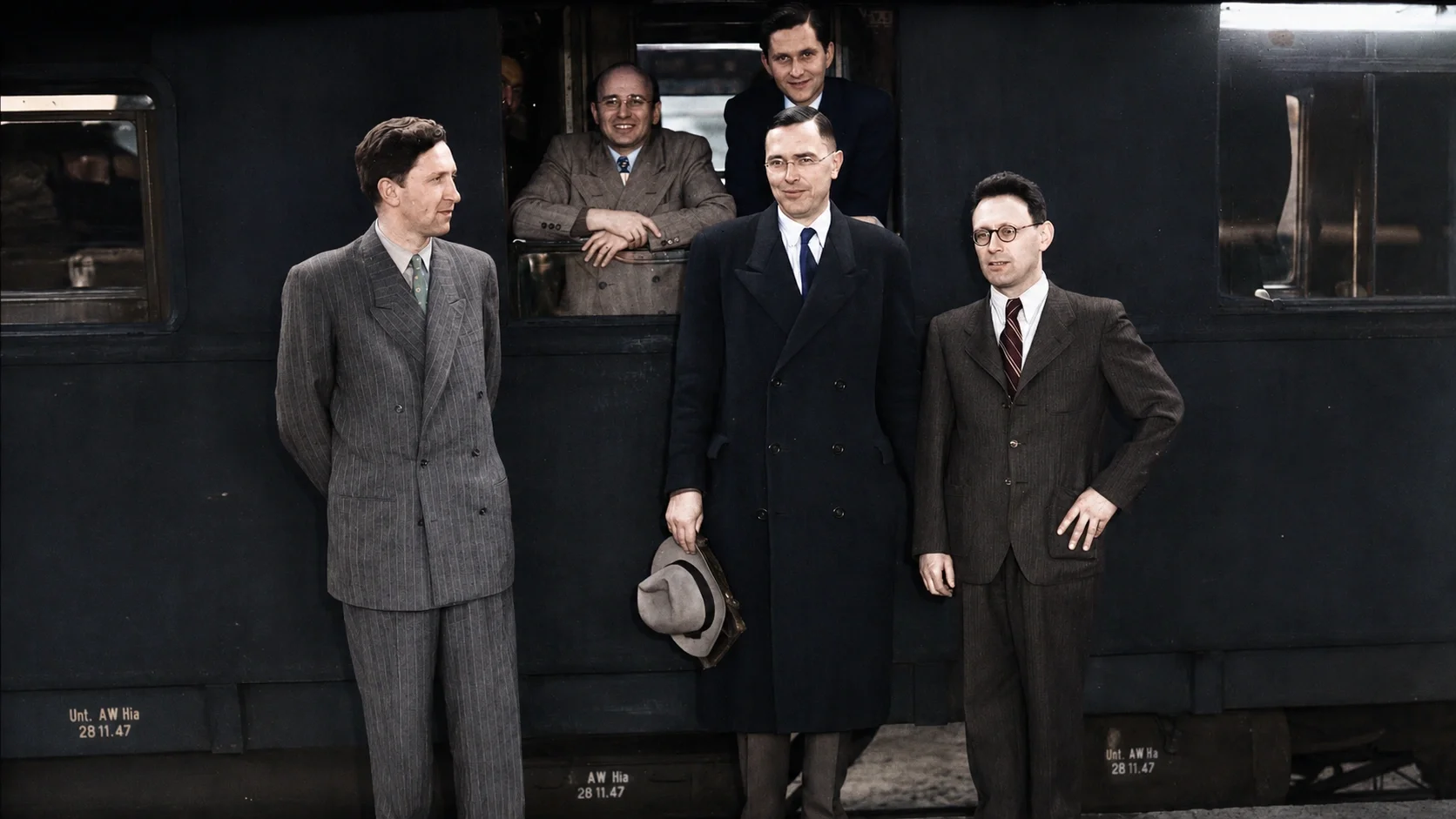
Vasily Smyslov
Vasily Smyslov was one of the essential figures of Soviet chess history: the seventh World Chess Champion, a master of positional clarity, and one of the greatest endgame players the game has ever known. From his rise in Moscow to his world championship victory over Mikhail Botvinnik in 1957, Smyslov embodied chess as an art of balance, logic, and harmony. His long career, musical gifts, Olympiad success, theoretical contributions, and enduring influence make him one of the most complete champions of the twentieth century.
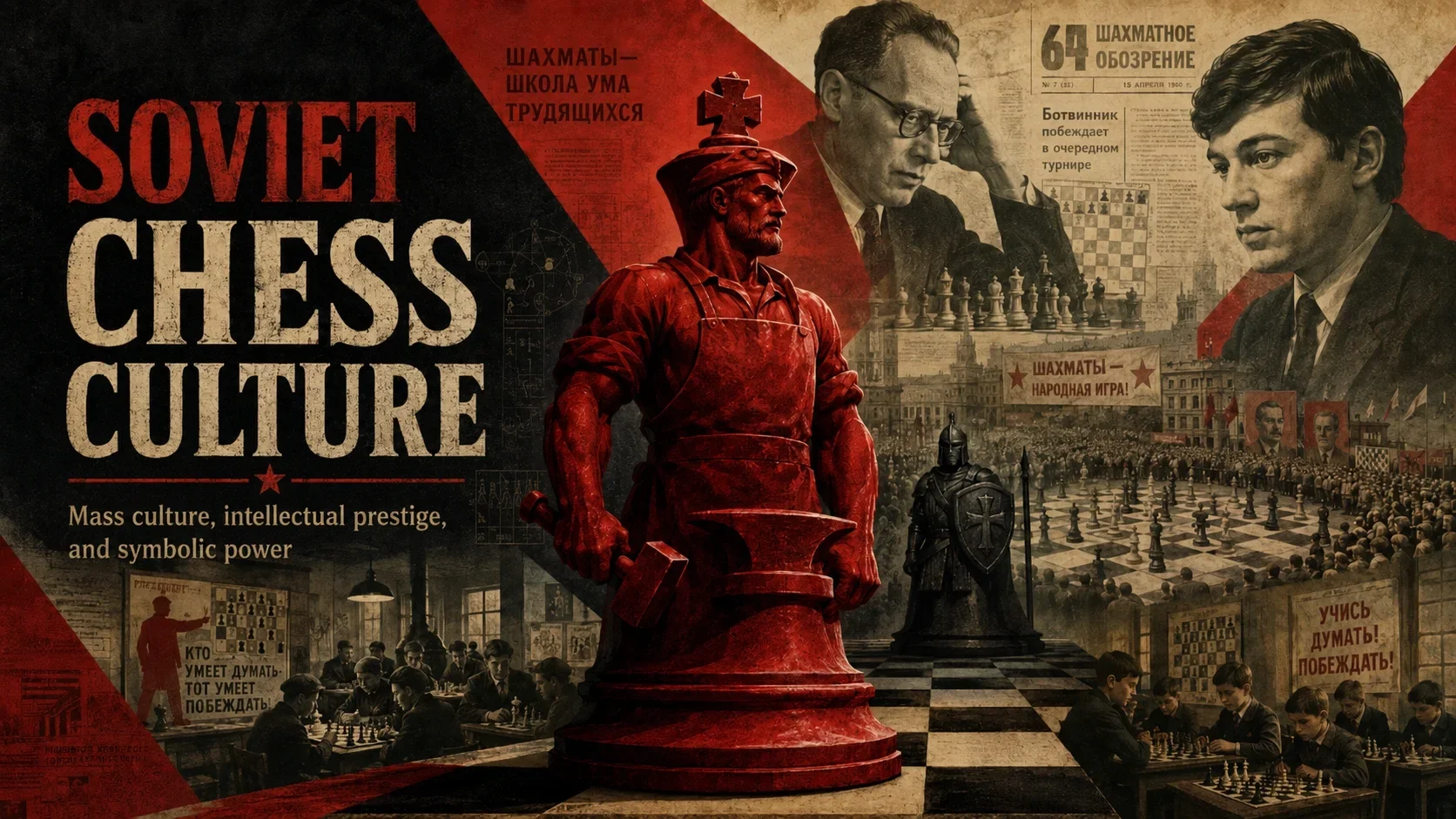
Soviet Chess Culture
The USSR made chess a civic language. Policy and media pushed “chess to the masses,” elite training turned champions into cultural envoys, Cold War matches served as soft‑power theater, and even boards and pieces carried messages—most vividly in the State Porcelain Factory’s “Reds vs Whites” set where a blacksmith confronts a skeletal “Capital.”
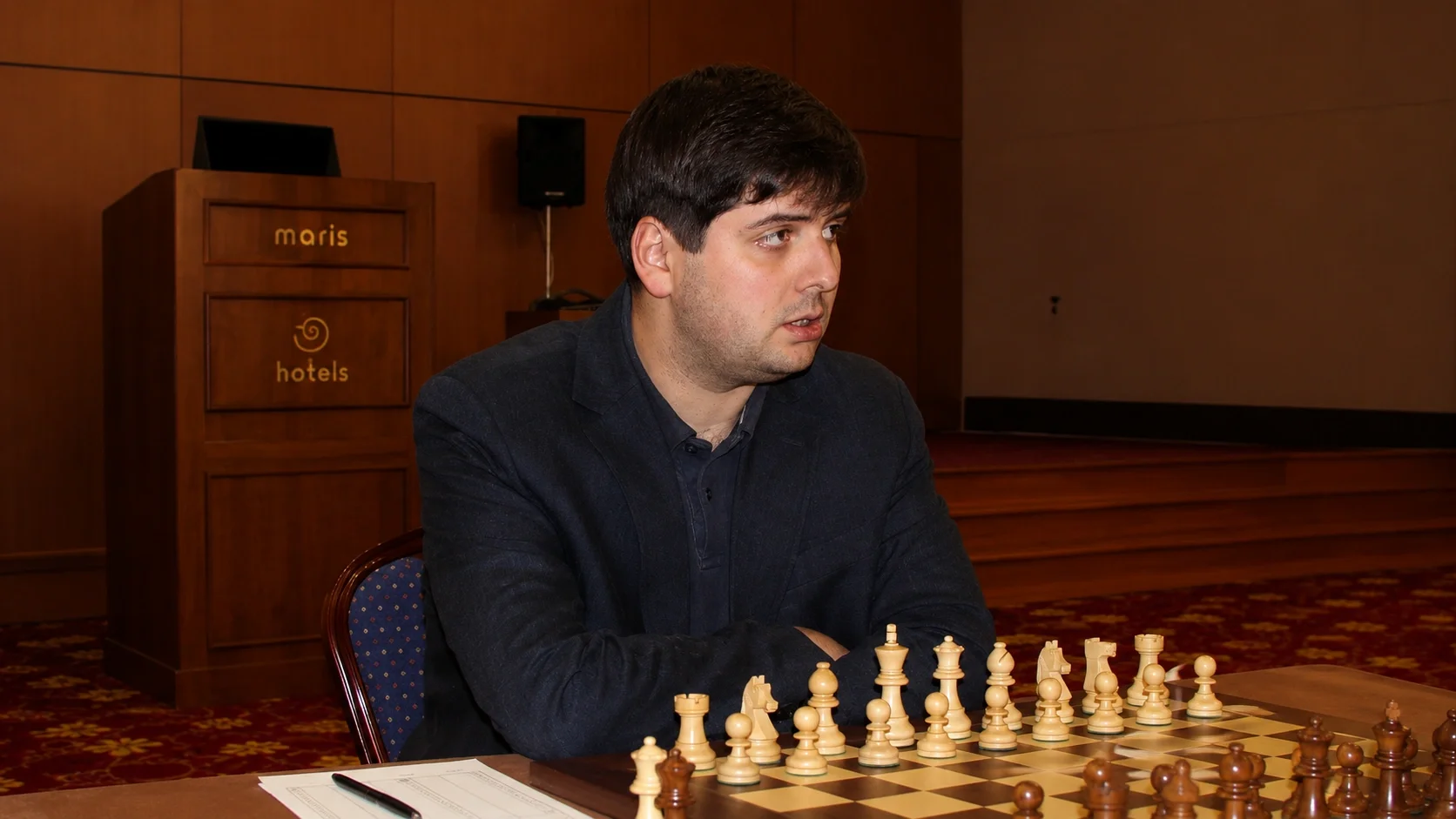
Peter Svidler
Peter Svidler stands among the defining grandmasters of post-Soviet chess. An eight-time Russian Champion, World Cup winner, Candidates contender, Olympiad gold medalist, and one of the game’s most respected commentators, Svidler’s career links elite competition with analysis, wit, scholarship, and modern chess culture.
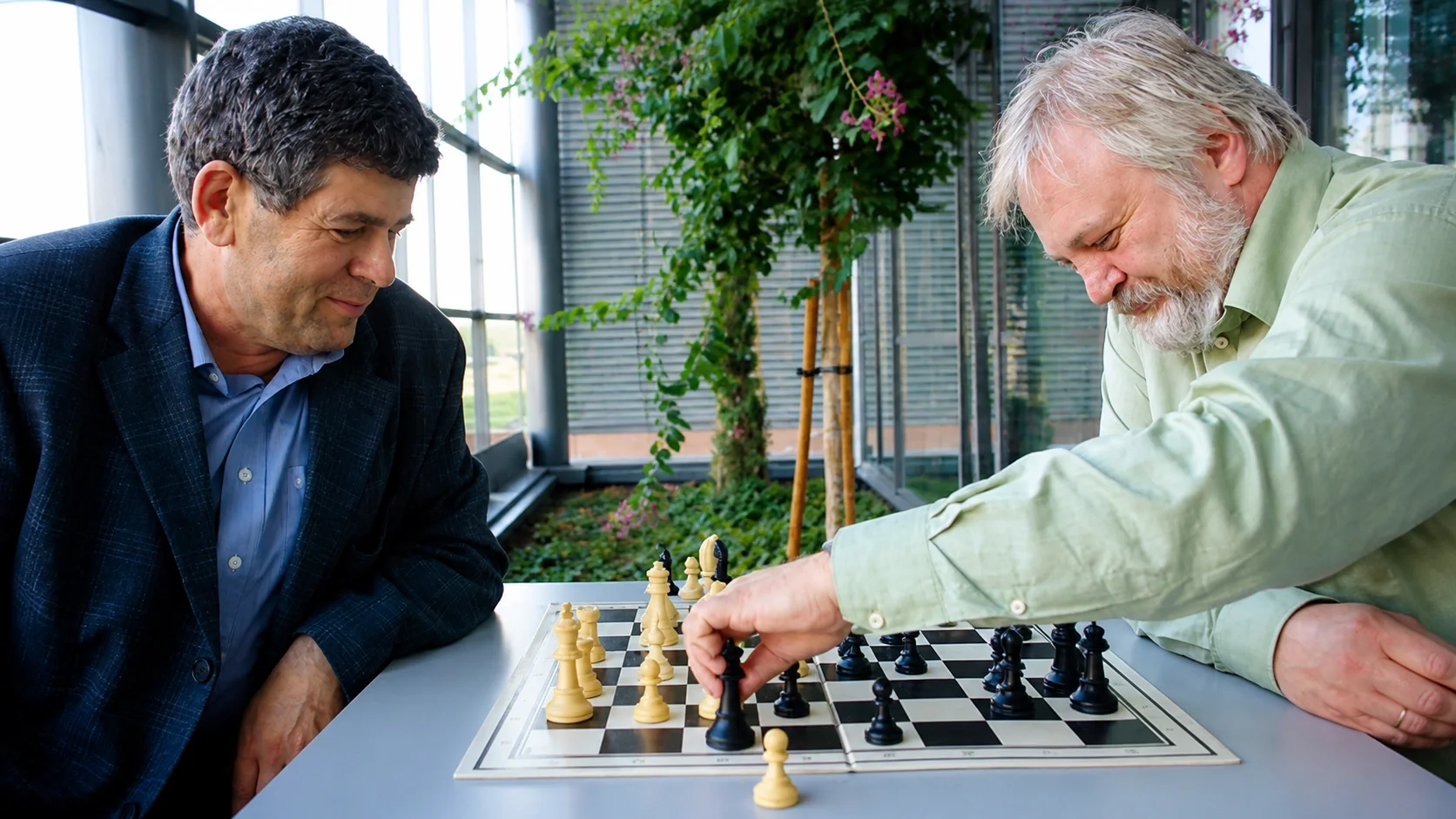
Mark Dvoretsky
Mark Dvoretsky was one of the most influential chess trainers of the Soviet and post-Soviet era. An International Master, Honored Trainer, author, and mentor to elite grandmasters, he transformed chess education through rigorous calculation work, endgame study, disciplined self-analysis, and a demanding intellectual approach that shaped generations of serious players.
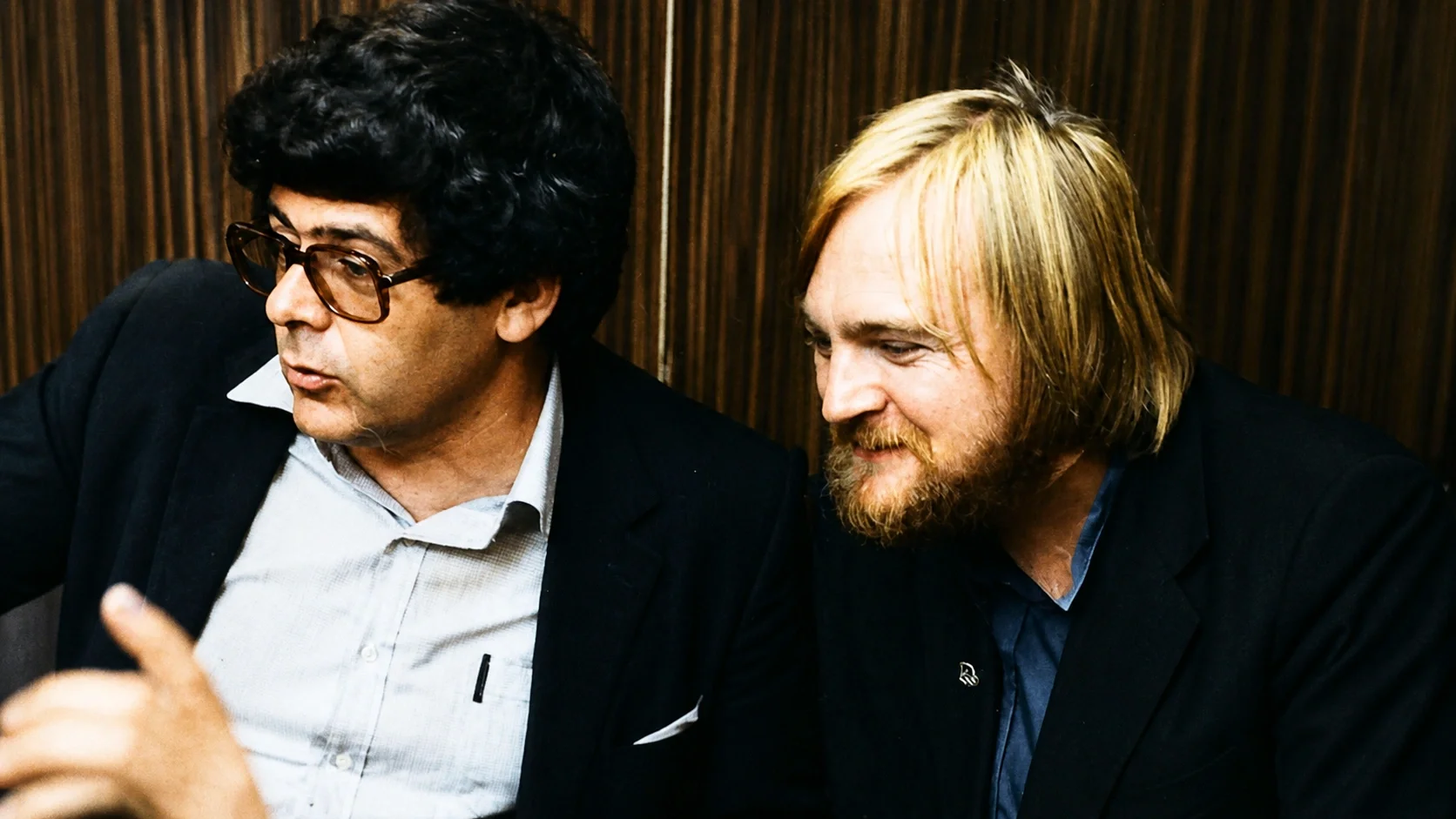
Artur Yusupov
Artur Yusupov (b. 1960) learned chess at Moscow’s Young Pioneers’ Palace and rose to prominence by winning the 1977 World Junior Championship and reaching the Candidates’ semifinals three times. After a near-fatal burglary in 1990, he moved to Germany, where he balanced tournament success with teaching and authored a landmark nine-volume training series. Today, he is celebrated as both a Soviet-born grandmaster and an influential trainer whose students include Peter Svidler and Sergei Movsesian
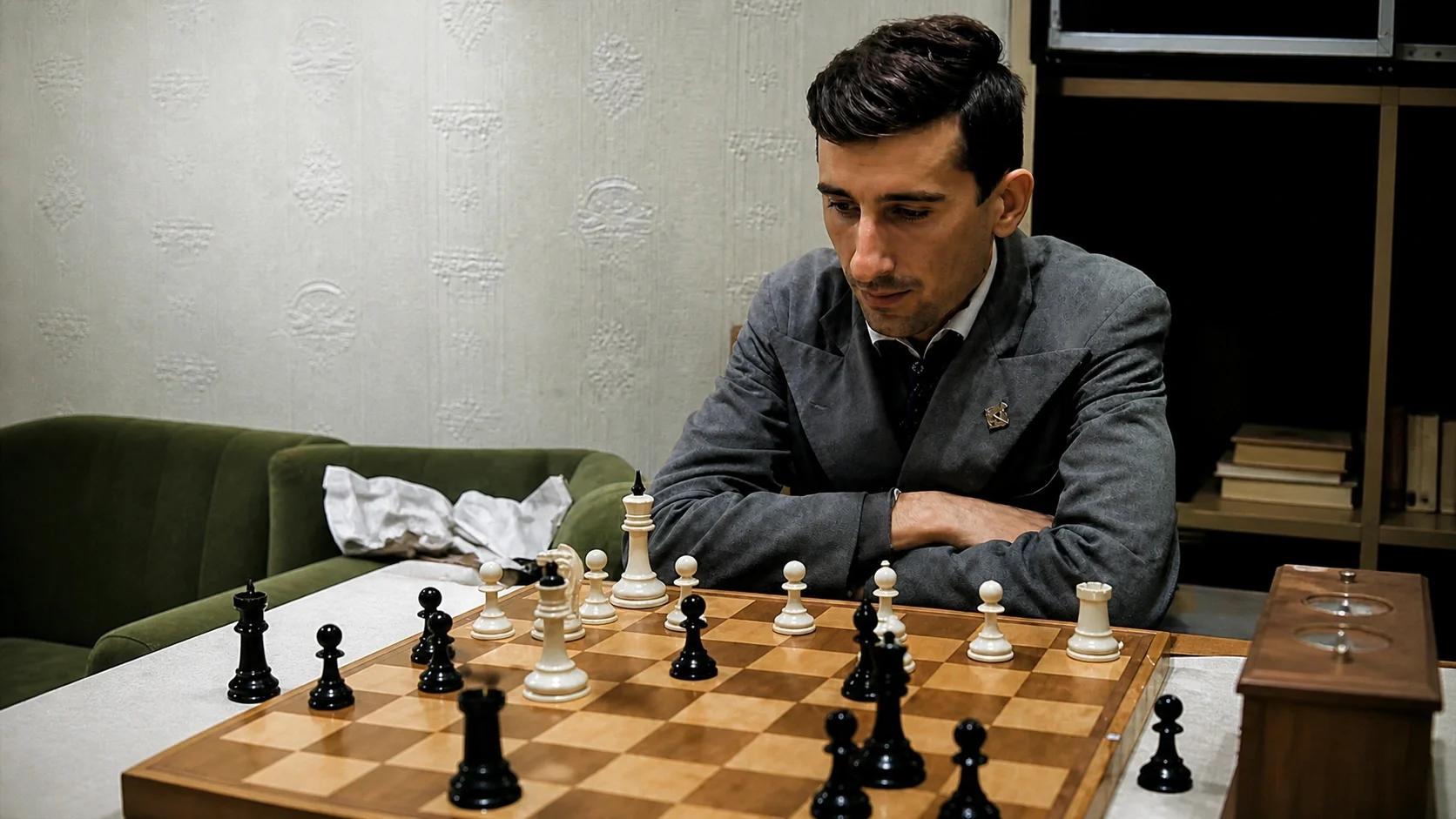
Igor Bondarevsky
Igor Bondarevsky was more than a Soviet grandmaster. He was a 1940 USSR co-champion, a respected opening theoretician, an author, and the trainer who helped shape Boris Spassky’s rise to the World Championship. This profile examines his life, playing career, coaching methods, and lasting influence on Soviet chess.
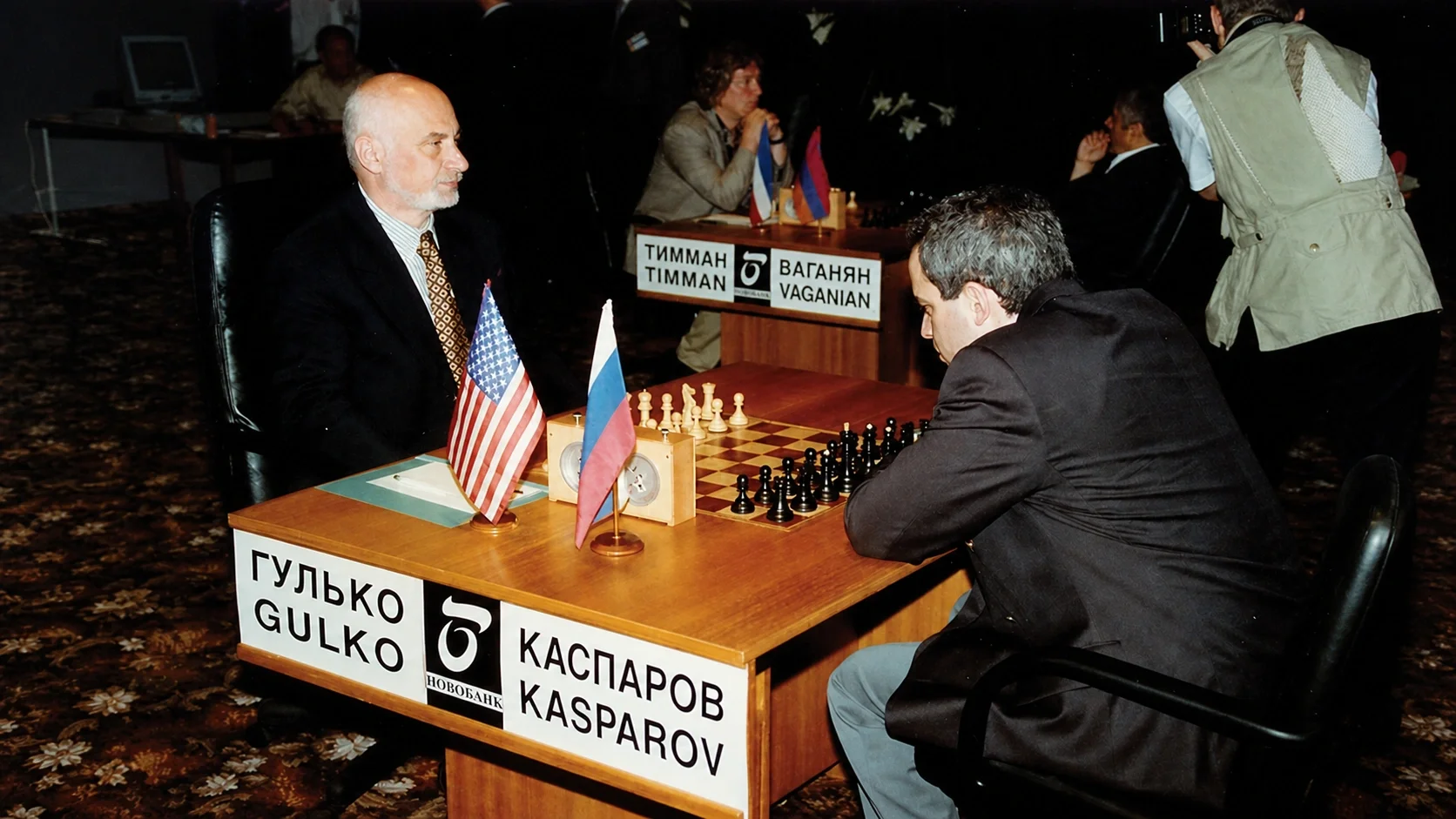
Boris Gulko
Boris Gulko is the only player to win both the Soviet and U.S. Chess Championships. His story joins elite chess, political courage, emigration, and decades of teaching in America.
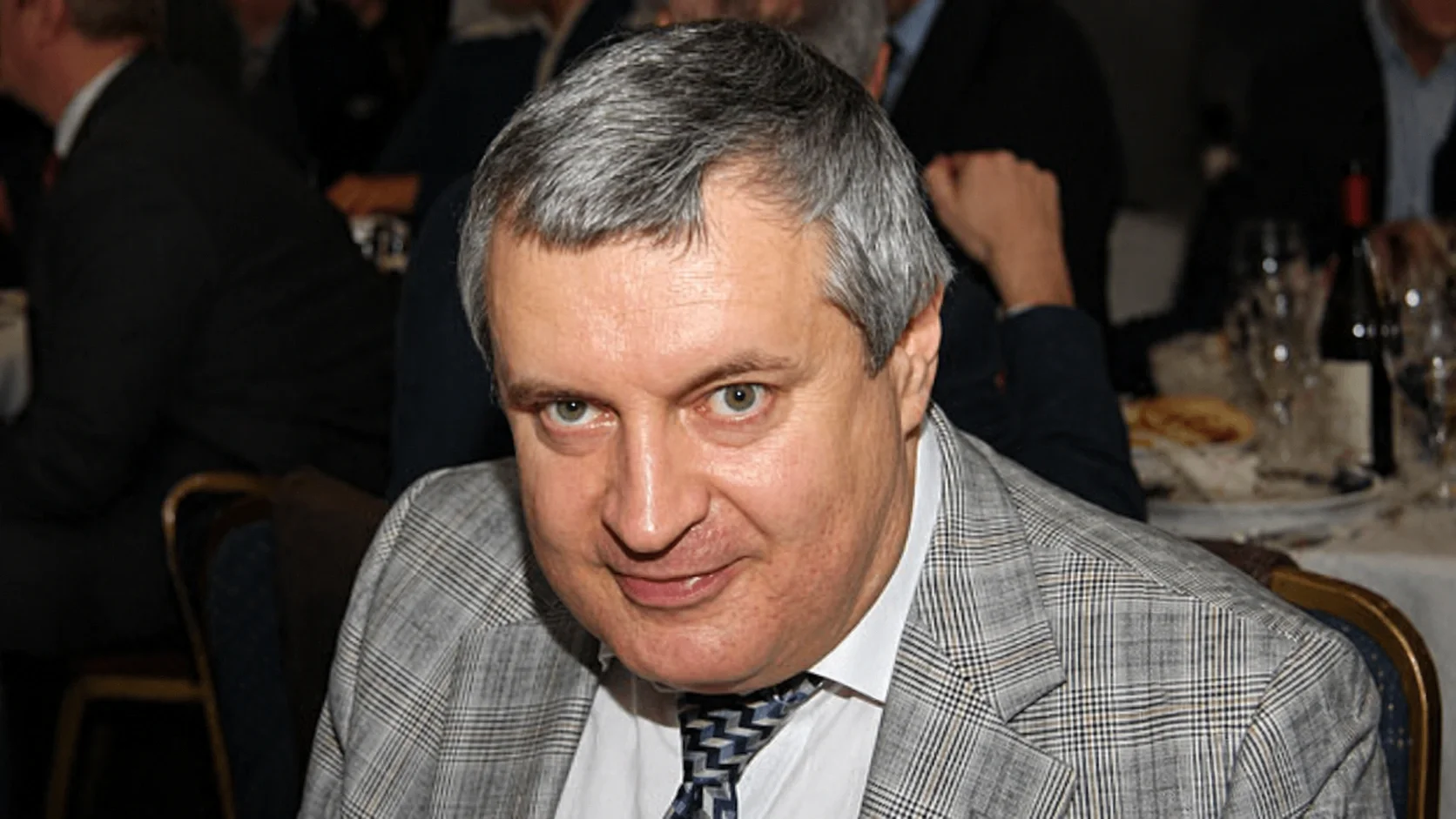
Alexander Chernin
Alexander Chernin stands as one of the most formidable yet underrecognized figures of late Soviet chess. A co-champion of the USSR in 1985 and a Candidates contender, his career reflects the extraordinary depth of the Soviet chess system. Beyond his tournament successes, Chernin emerged as a leading theoretician and trainer, shaping future generations of elite players and extending the intellectual legacy of Soviet chess into the modern era.
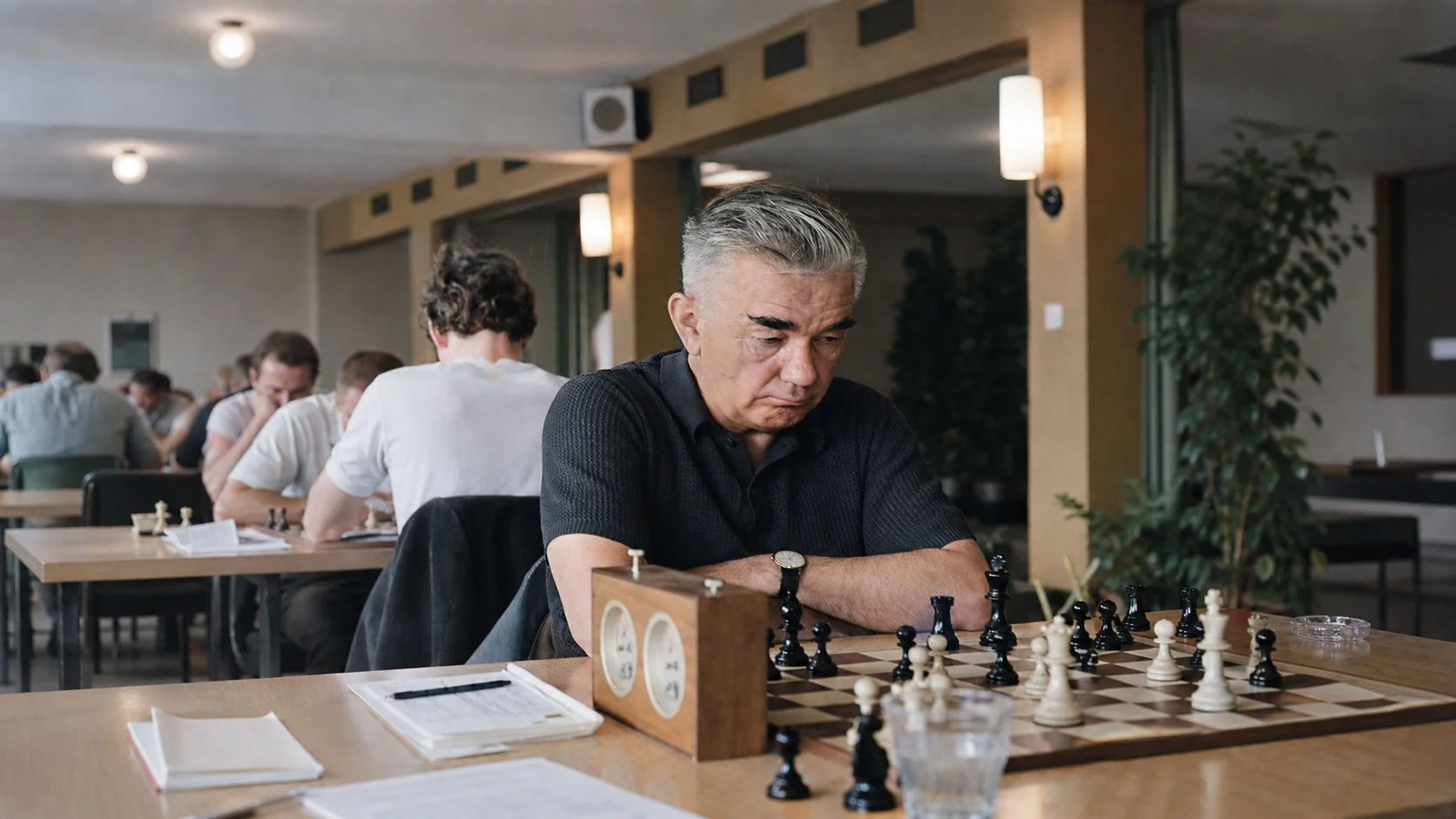
Alexander Kotov
Born in Tula on 12 August 1913, Alexander Kotov rose from an engineering background to become one of Soviet chess history’s most influential grandmasters, writers, and organizers. After moving to Moscow in 1935, he worked as an engineer and helped design mortars during World War II, earning the Order of Lenin. His chess career advanced rapidly: he became a master in 1938, finished second to Mikhail Botvinnik in the 1939 USSR Championship, won the Moscow title in 1941, shared first in the 1948 Soviet Championship, and dominated the 1952 Saltsjöbaden Interzonal with an undefeated 16½/20.
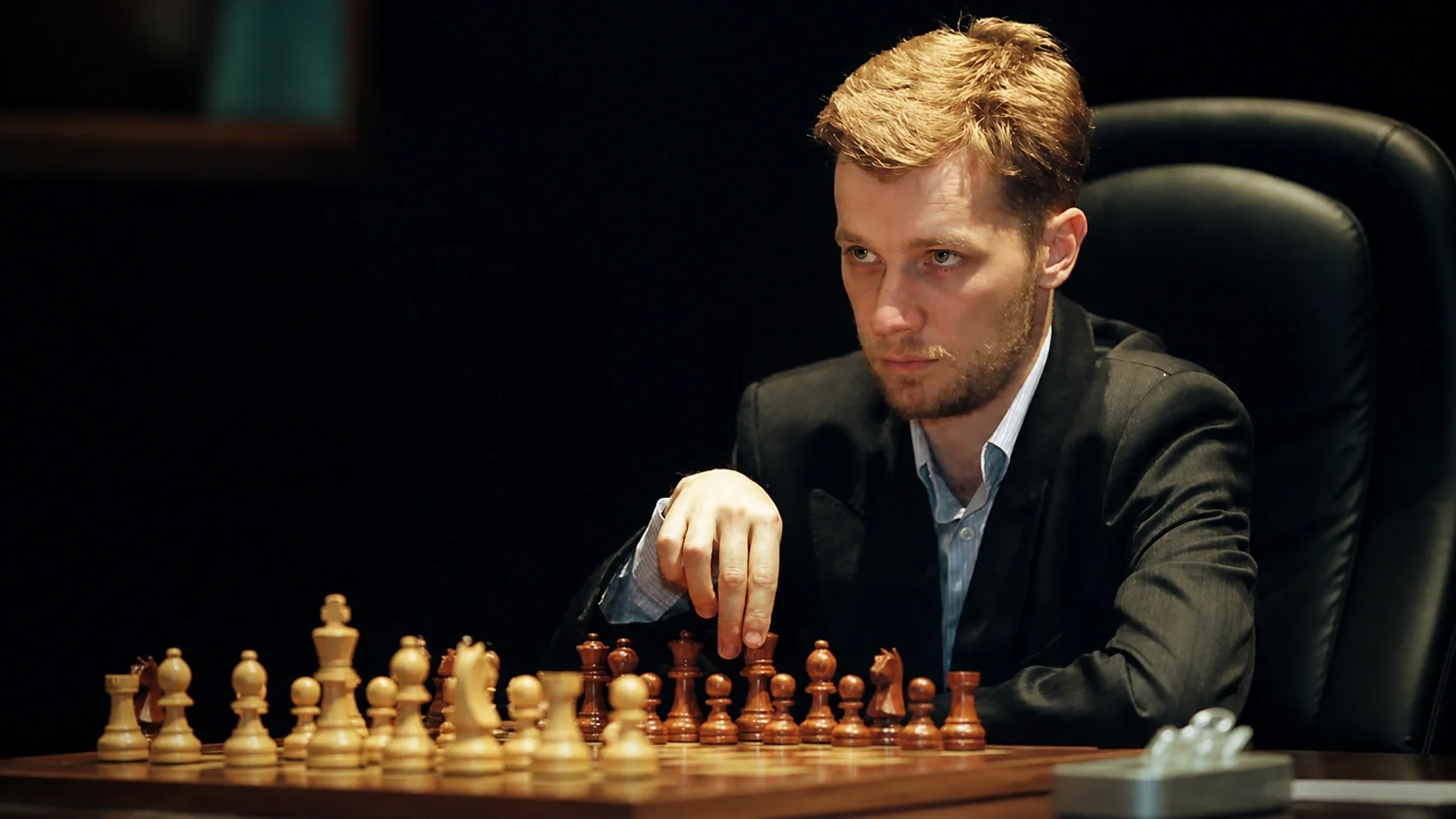
Alexander Khalifman
Alexander Khalifman, born in Leningrad in 1966, rose from the Soviet junior chess system to become the 1999 FIDE World Chess Champion. A Russian champion, Olympiad gold medalist, opening theoretician, author, and coach, Khalifman represents one of the most intellectually serious links between late Soviet chess culture and the modern professional era.
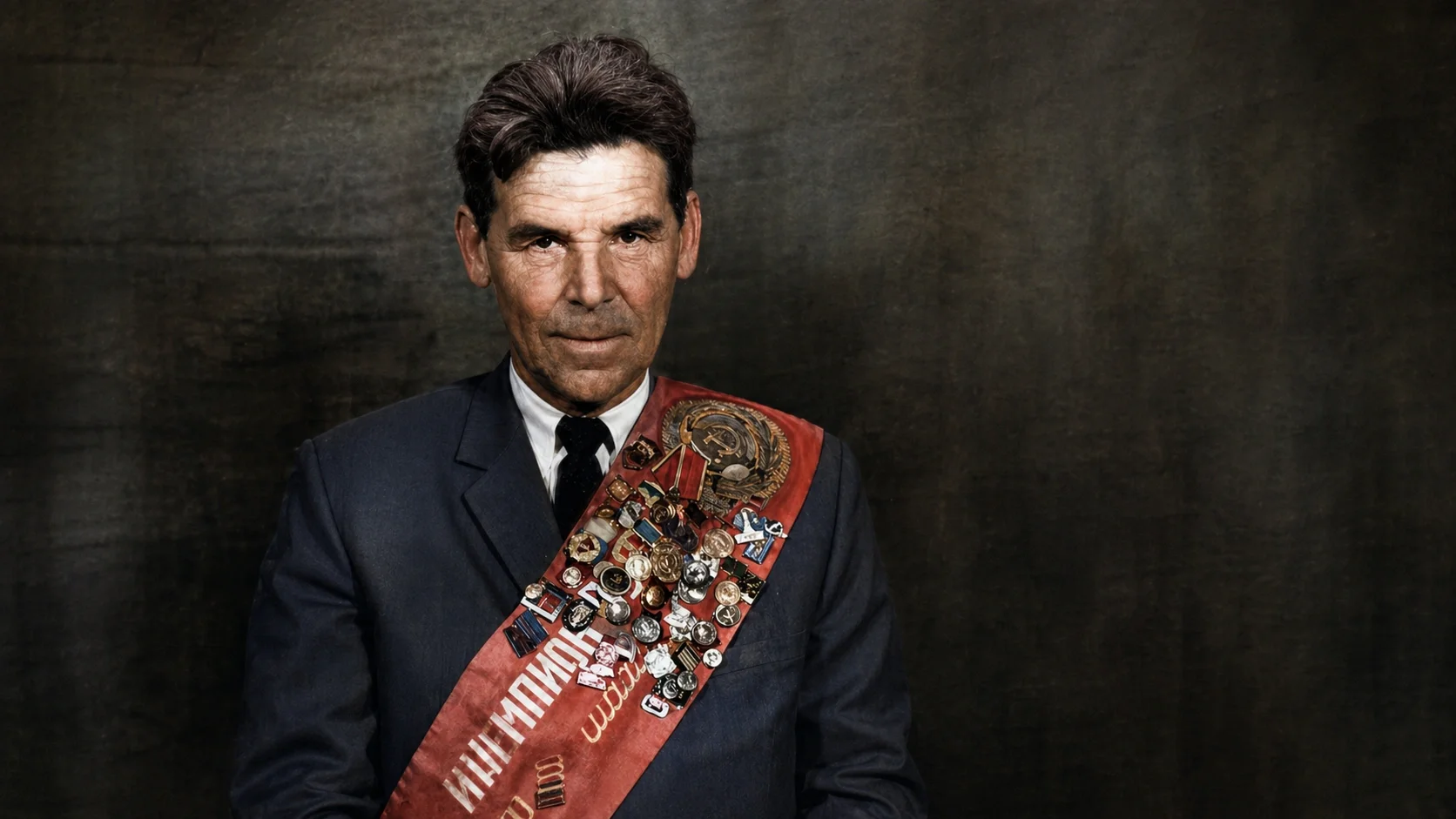
Rashid Nezhmetdinov
Rashid Nezhmetdinov remains one of the most beloved attacking players in chess history. A five-time Russian champion, International Master, and legendary tactician, “Nezh” built a career filled with sacrificial brilliance, fearless initiative, and unforgettable victories over elite Soviet grandmasters.
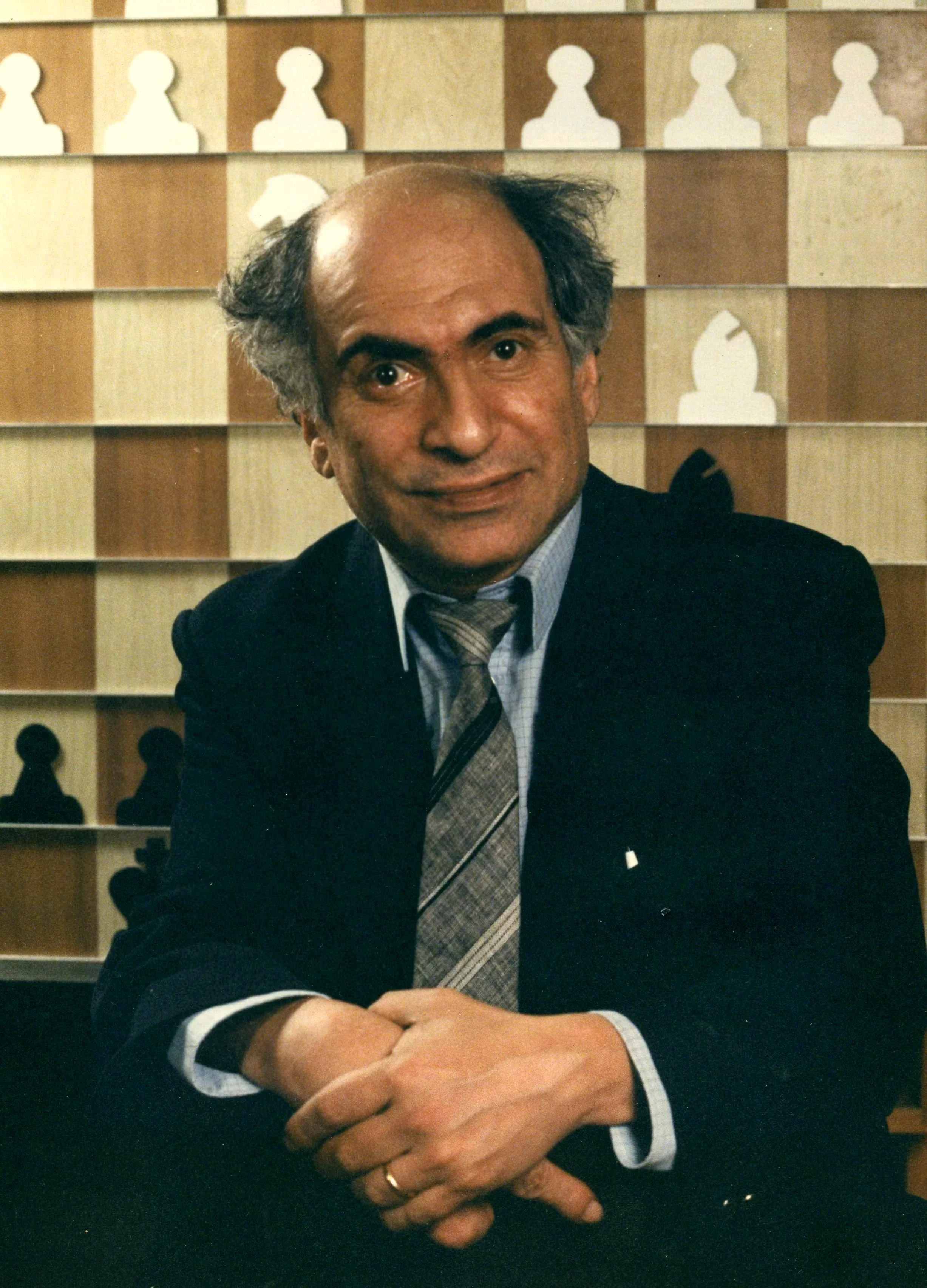
Mikhail Tal
Mikhail Tal was more than the Magician from Riga. This profile examines his rise from Riga prodigy to 1960 World Champion, his tactical imagination, his Soviet chess context, his writings, his health struggles, and the creative legacy that still shapes modern chess.
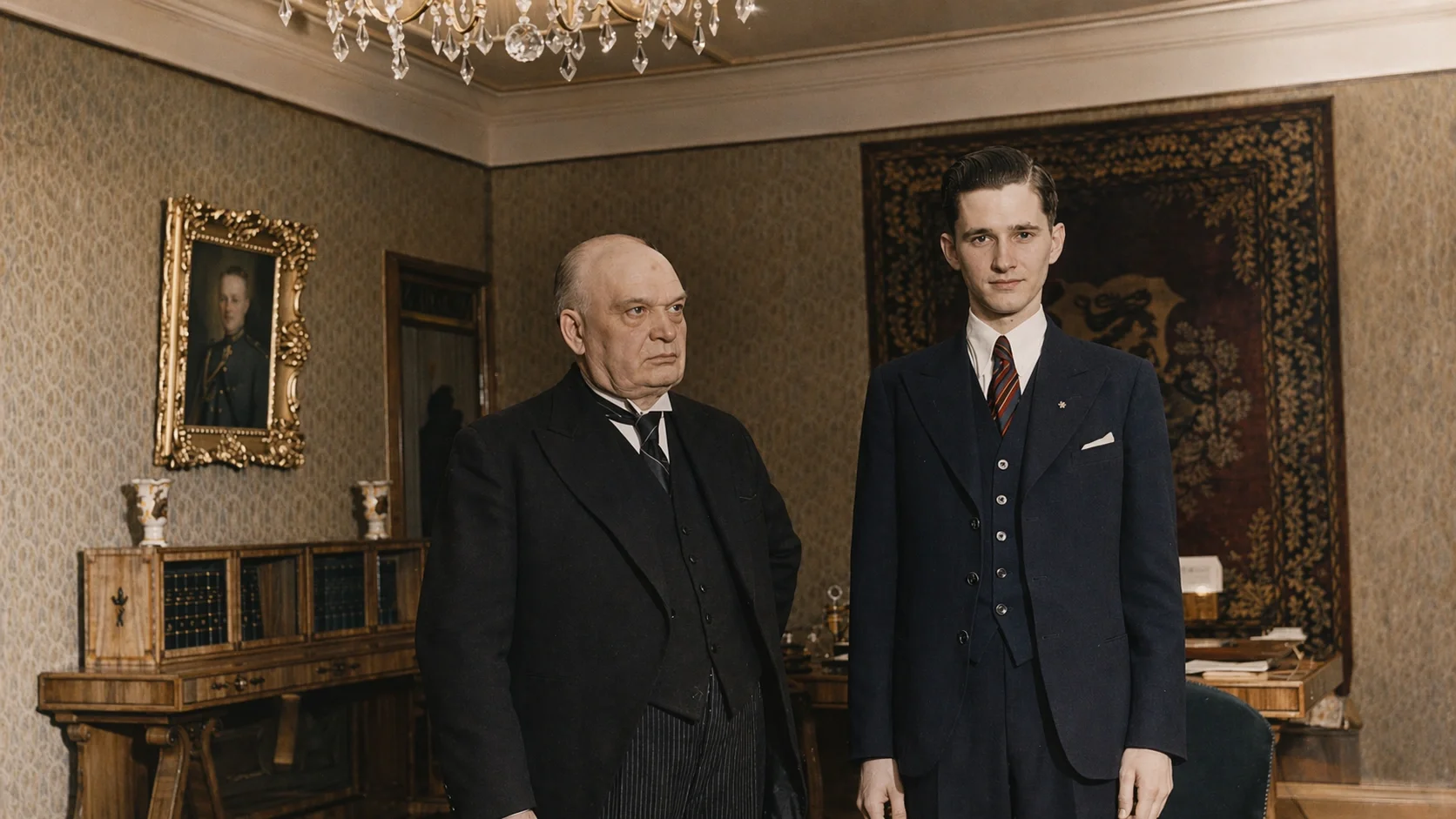
Paul Keres and President Konstantin Päts, Estonia, 1938
In December 1938, Paul Keres returned to Estonia after his landmark triumph at the AVRO tournament in the Netherlands. President Konstantin Päts received the young chess master at Kadriorg Palace, honored him with a gold watch, and helped turn Keres’s victory into a national celebration. The meeting captured a brief, powerful moment in Estonian chess history before war and occupation changed the course of Keres’s life and career.
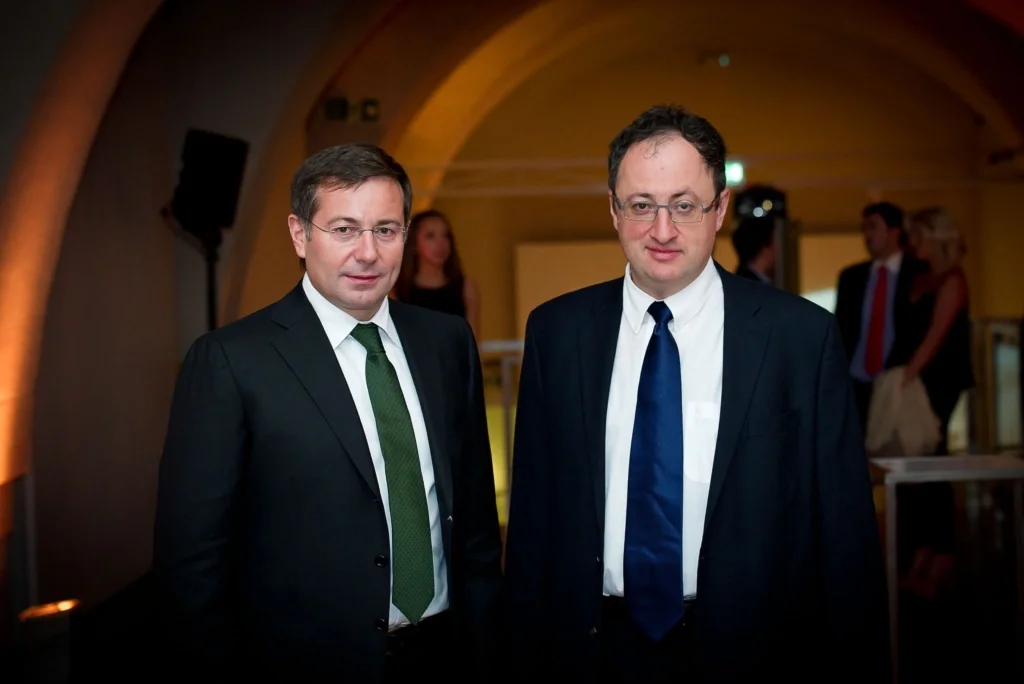
Boris Gelfand
Boris Gelfand stands among the most durable and intellectually serious grandmasters of the modern era. Born in Minsk in 1968, trained in the late Soviet chess system, and later representing Israel, Gelfand built a career defined by depth, preparation, and remarkable longevity. He became a grandmaster in 1989, reached the world elite by the early 1990s, won the 2009 FIDE World Cup, captured the 2011 Candidates Matches, and challenged Viswanathan Anand for the World Championship in Moscow in 2012. His later books on decision-making have made him one of the most respected chess authors and teachers of his generation. FIDE lists Gelfand as an Israeli grandmaster born in 1968, and Chess.com notes his long elite standing, including nearly twenty-seven years in the world top thirty.
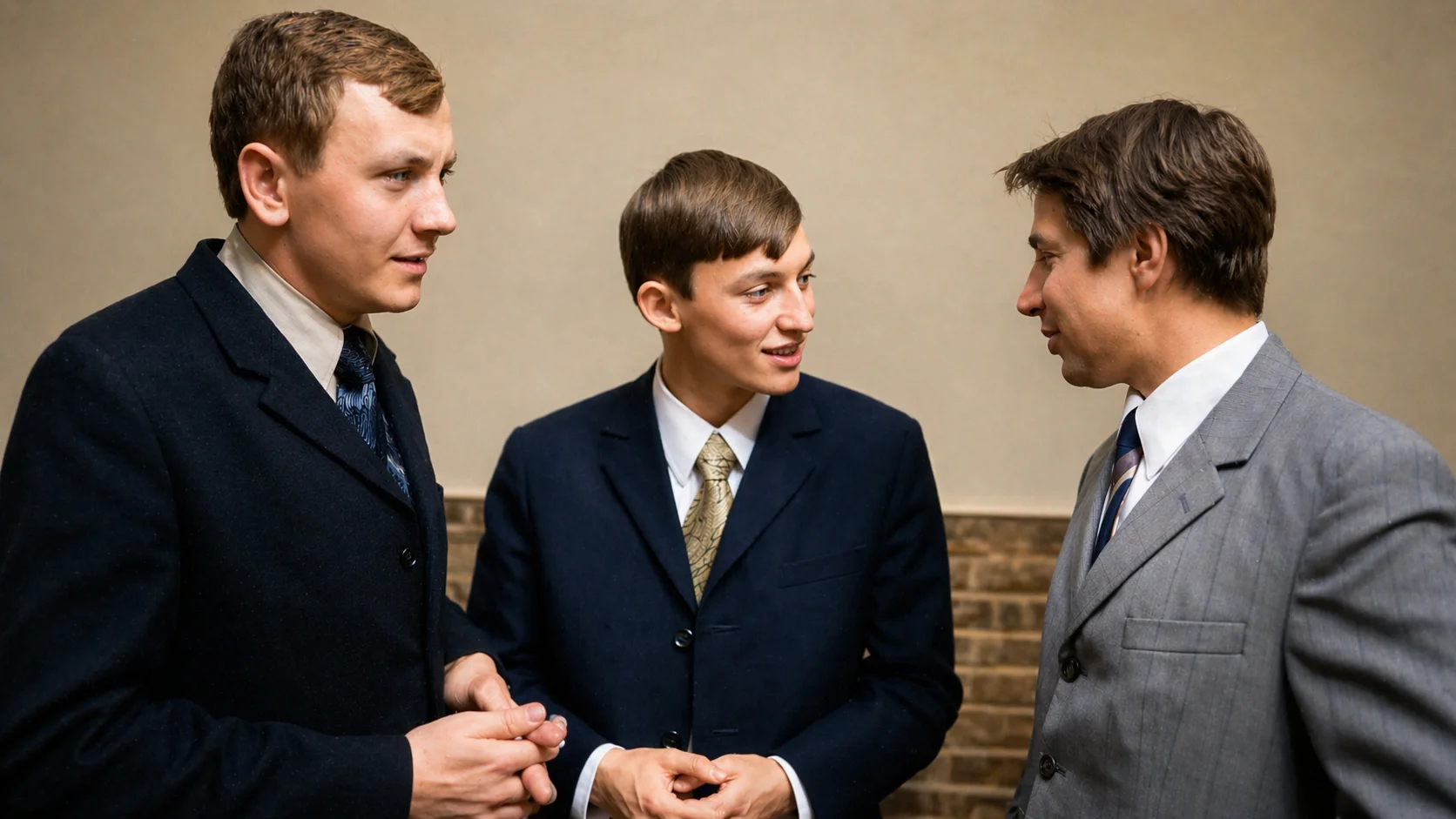
Vladimir Savon
Vladimir Savon was one of Soviet chess’s most underrated grandmasters, best known for winning the 1971 USSR Chess Championship ahead of Mikhail Tal and Vasily Smyslov. This profile examines his life, career, style, work as a trainer, and lasting place in Soviet and Ukrainian chess history.
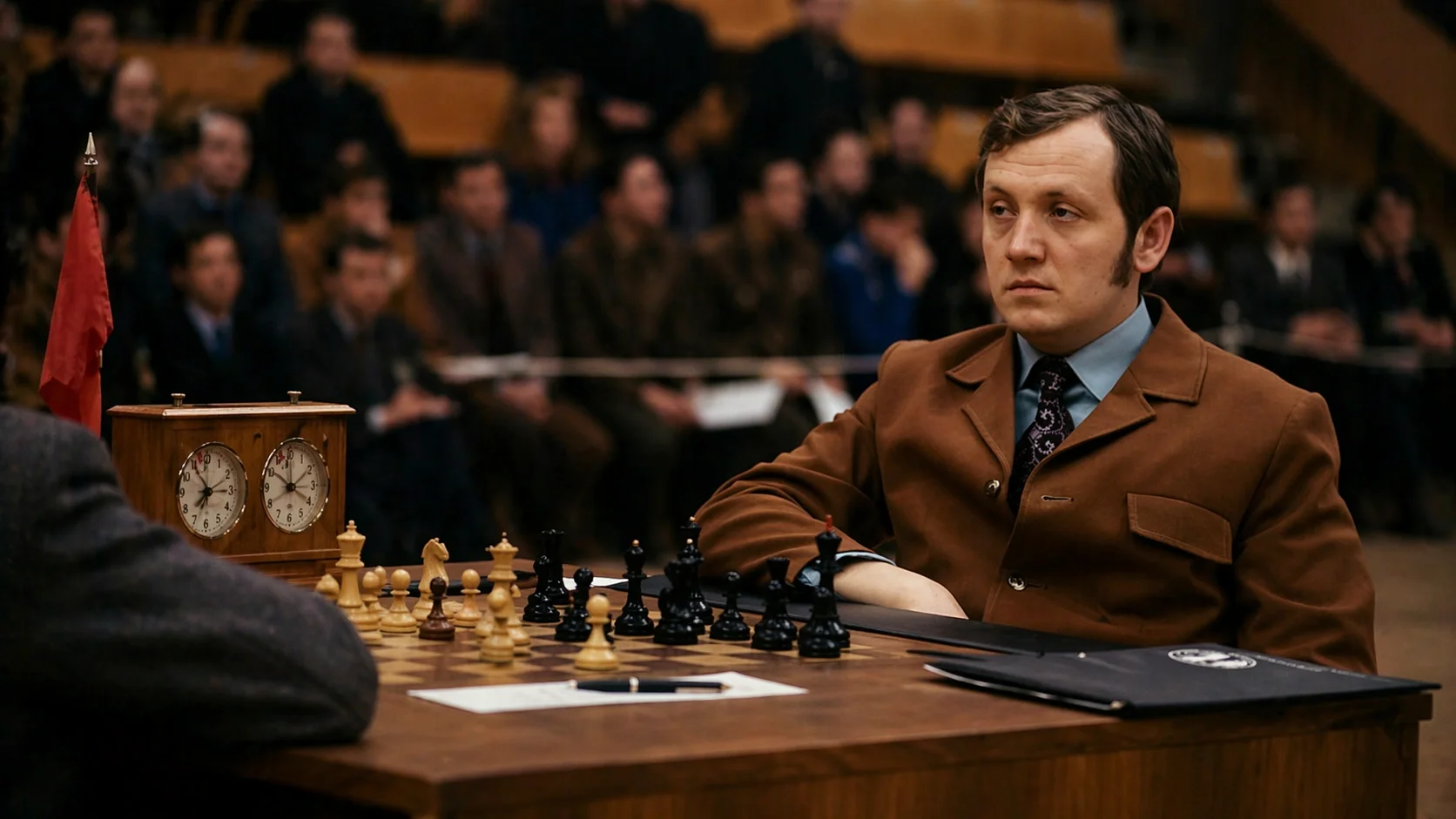
Yuri Balashov
Yuri Balashov rose from the Soviet chess school to become one of the strongest grandmasters of his generation. This profile explores his life, major tournament achievements, work with Anatoly Karpov, playing style, and enduring place in chess history.
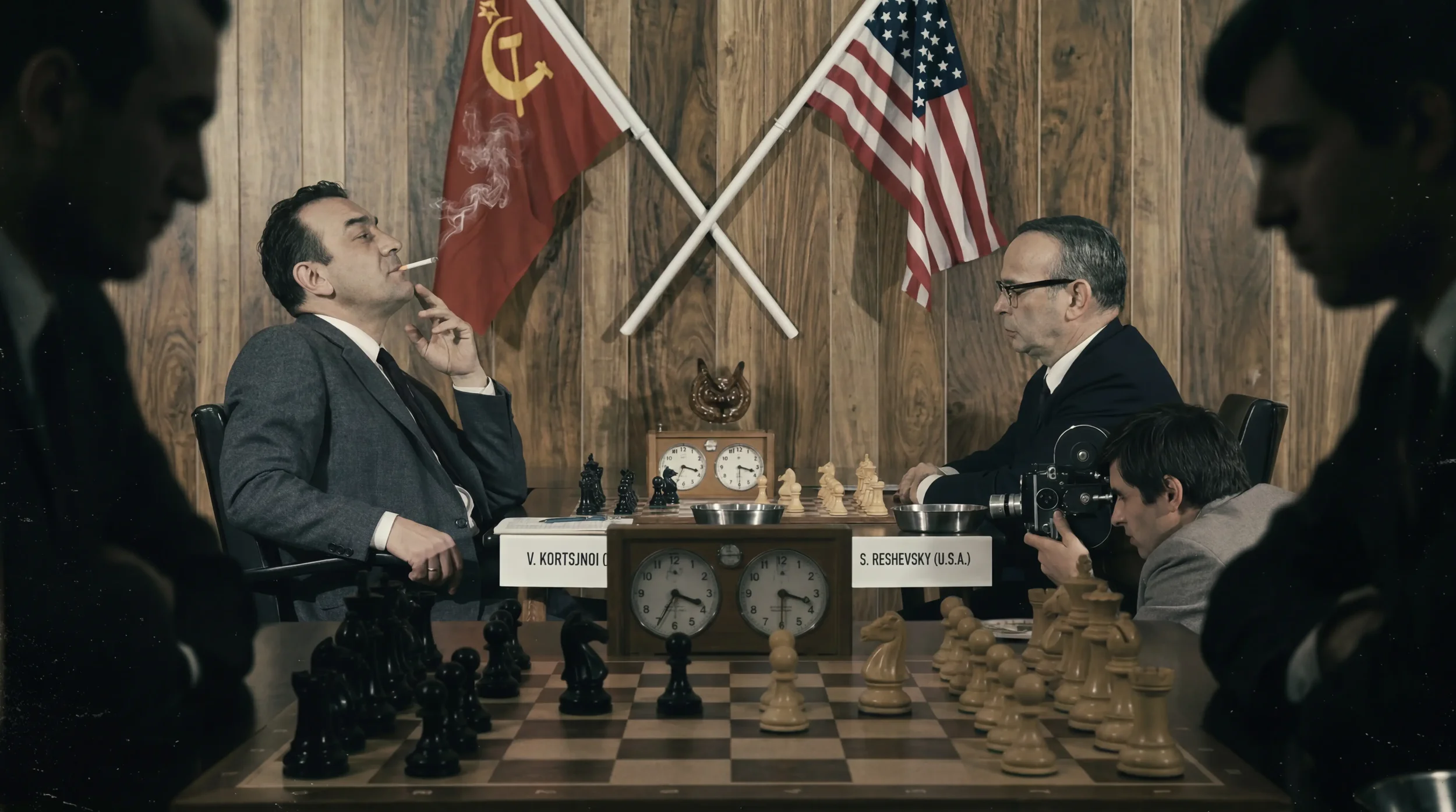
Viktor Korchnoi
Viktor Korchnoi was one of the fiercest competitors in chess history, a four-time Soviet champion, two-time world title challenger, and one of the greatest players never to win the crown. This profile traces his life from wartime Leningrad to defection, exile, and an extraordinary late career that secured his place among the game’s most formidable figures.
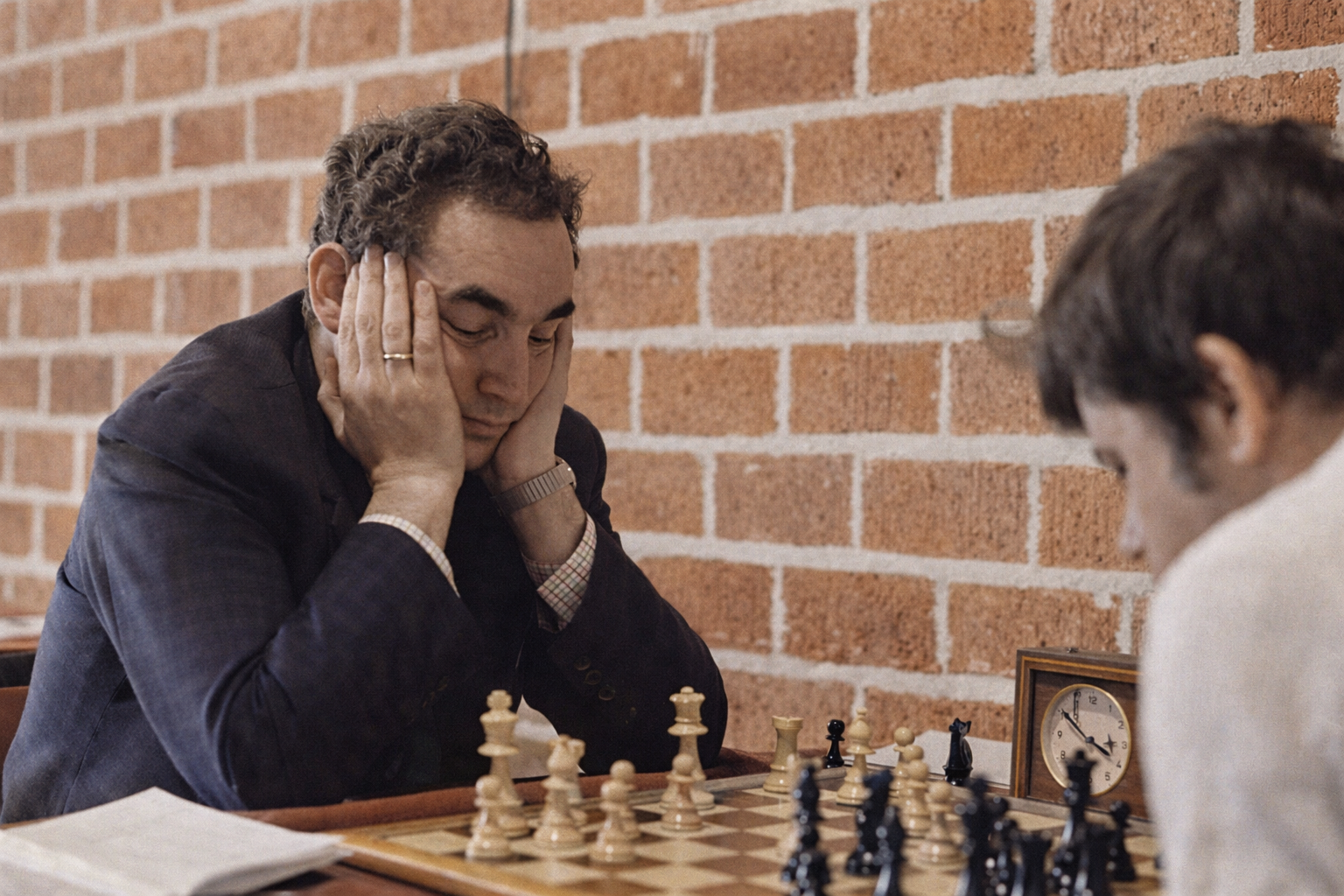
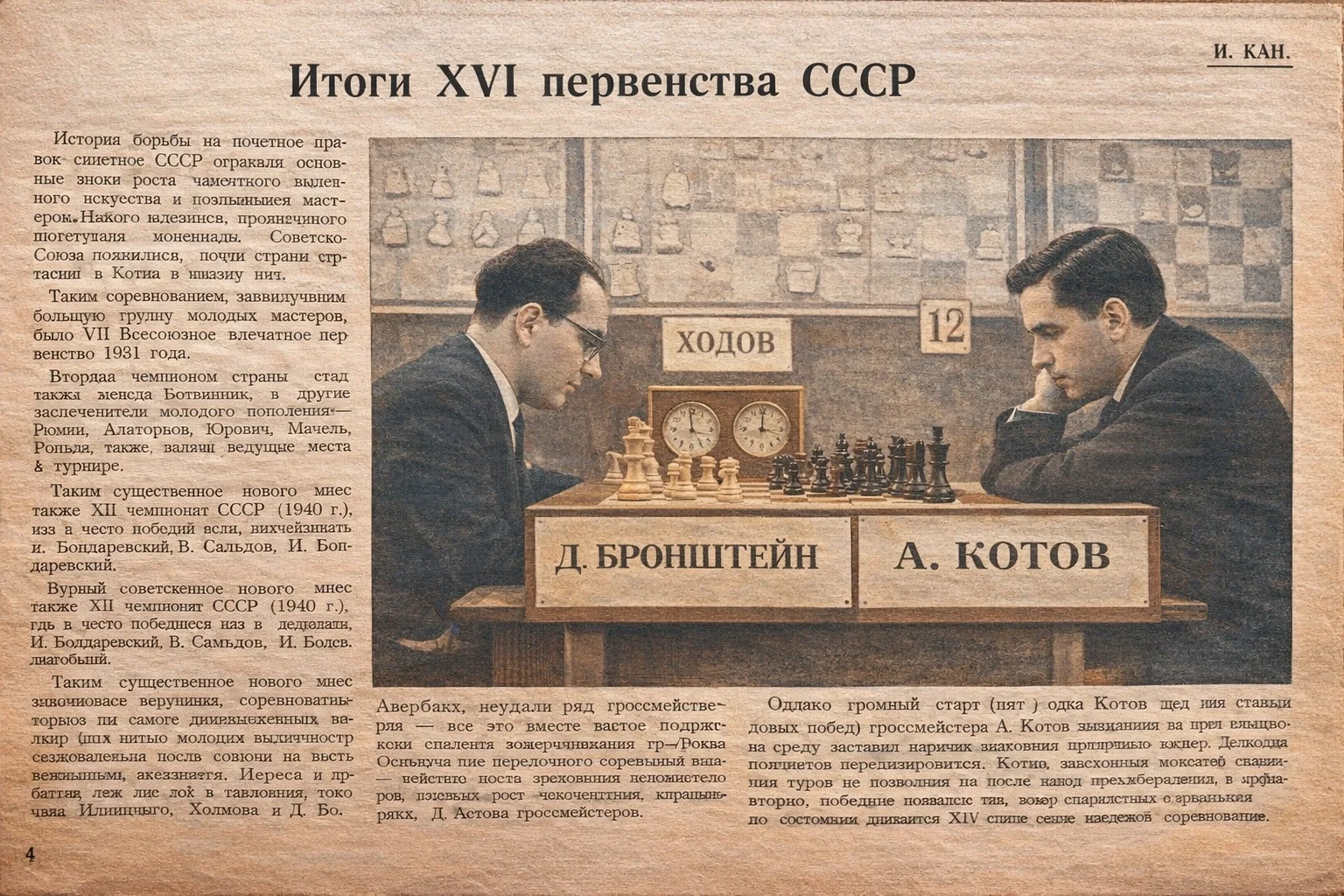
Results of the 16th USSR Championship
This article combines pages 4 through 7 of a Soviet report on the 16th USSR Championship, tracing Bronstein’s rise, Kotov’s shared victory, Furman’s breakthrough, Keres’s disappointment, and the broader institutional pressures inside Soviet chess.
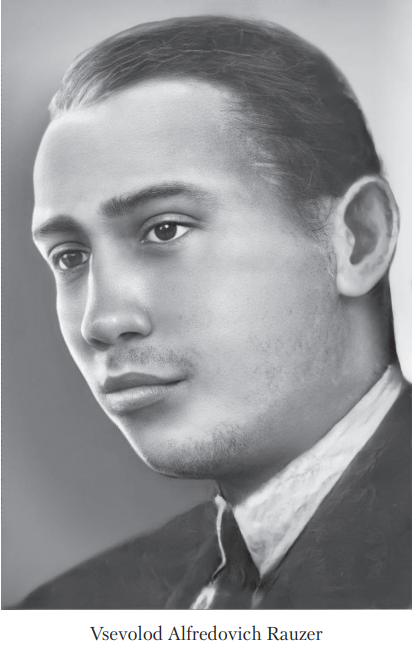
Vsevolod Rauzer
More than just a Sicilian variation, Vsevolod Rauzer emerges here as a pioneering thinker whose analytical mind shaped early Soviet chess. The piece traces his journey from self‑study in Kiev to national prominence and emphasizes his lasting theoretical contributions.