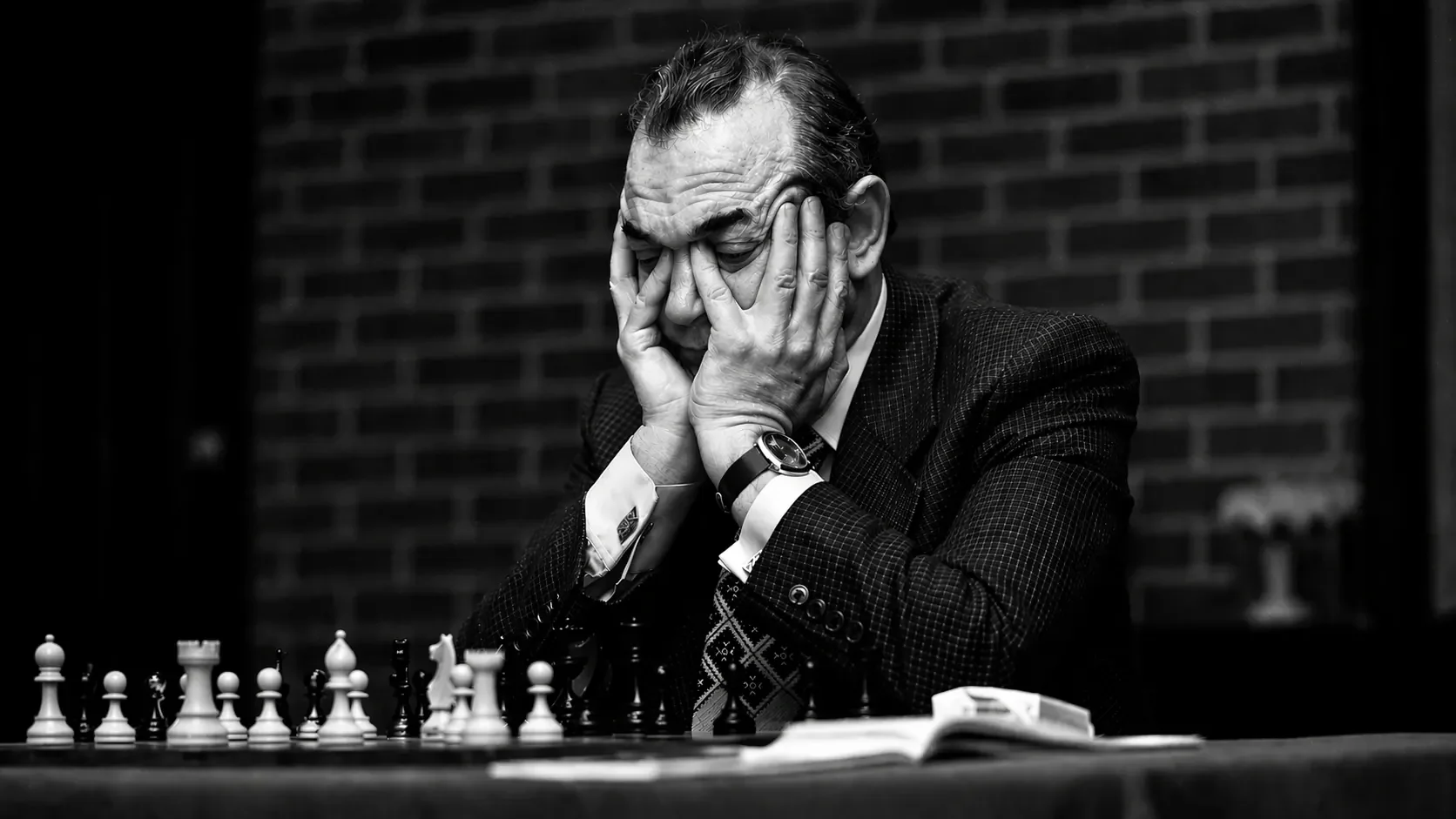
How the Early Soviet State Turned Chess Into a Tool
A look inside the origins of Soviet chess culture. These articles trace how early USSR institutions and political leaders transformed chess into a tool for education, discipline, and national development, setting the foundation for decades of dominance in world chess.

Lubomir Kavalek
Lubomir Kavalek was a leading Czechoslovak and American grandmaster whose career crossed the political and competitive boundaries of Cold War chess. This profile examines his early development, international achievements, rivalry with Soviet players, influential work as a trainer and writer, and enduring place in modern chess history.

Gideon Ståhlberg
Gideon Ståhlberg was one of Sweden’s greatest chess players, celebrated for his international tournament successes, Olympiad performances, and encounters with the Soviet elite. This profile examines his career, playing style, writings, and lasting place in chess history.

The 1964 Interzonal at Amsterdam
The 1964 Amsterdam Interzonal was a pivotal stage in the 1966 World Championship cycle. This article examines its format, field, Soviet stakes, four-way first-place finish, and the qualification rule that left Leonid Stein and David Bronstein outside the Candidates matches.