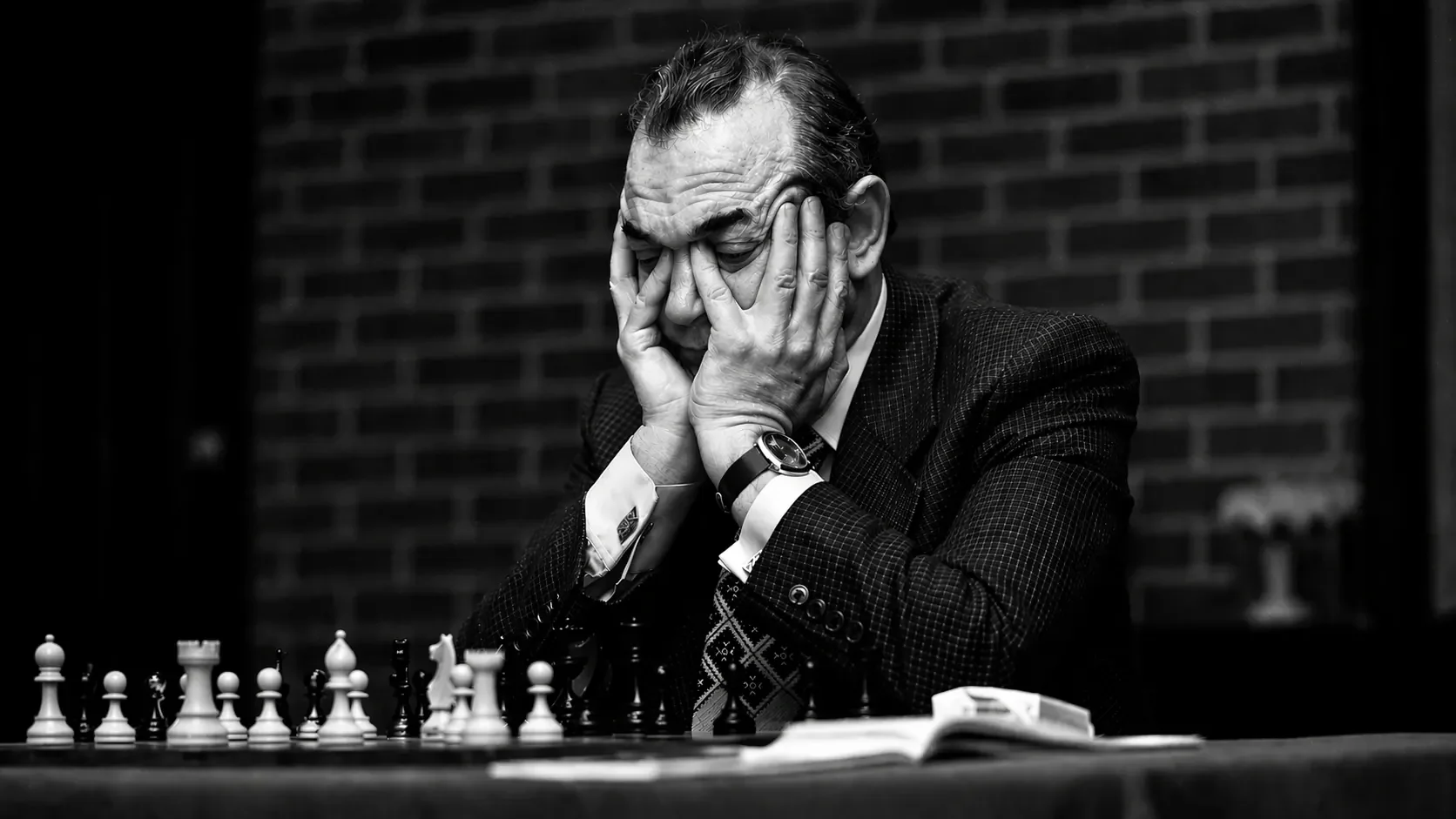
How the Early Soviet State Turned Chess Into a Tool
A look inside the origins of Soviet chess culture. These articles trace how early USSR institutions and political leaders transformed chess into a tool for education, discipline, and national development, setting the foundation for decades of dominance in world chess.

Бобби Фишер
Bobby Fischer was the Soviet chess establishment’s most consequential foreign rival. This profile follows his Brooklyn childhood, early chess formation, meteoric rise, 1972 world championship victory, uncompromising style, troubled later years, and legacy as the player who most directly challenged Soviet dominance.

Netherlands vs. USSR Friendly Team Match
The Netherlands vs. USSR Friendly Team Match stands as a revealing episode in postwar chess culture, bringing Dutch chess into direct contact with the Soviet school at a time when international team events carried both sporting and institutional weight. This article examines the match’s organization, format, leading participants, competitive course, press reception, and later historical significance.
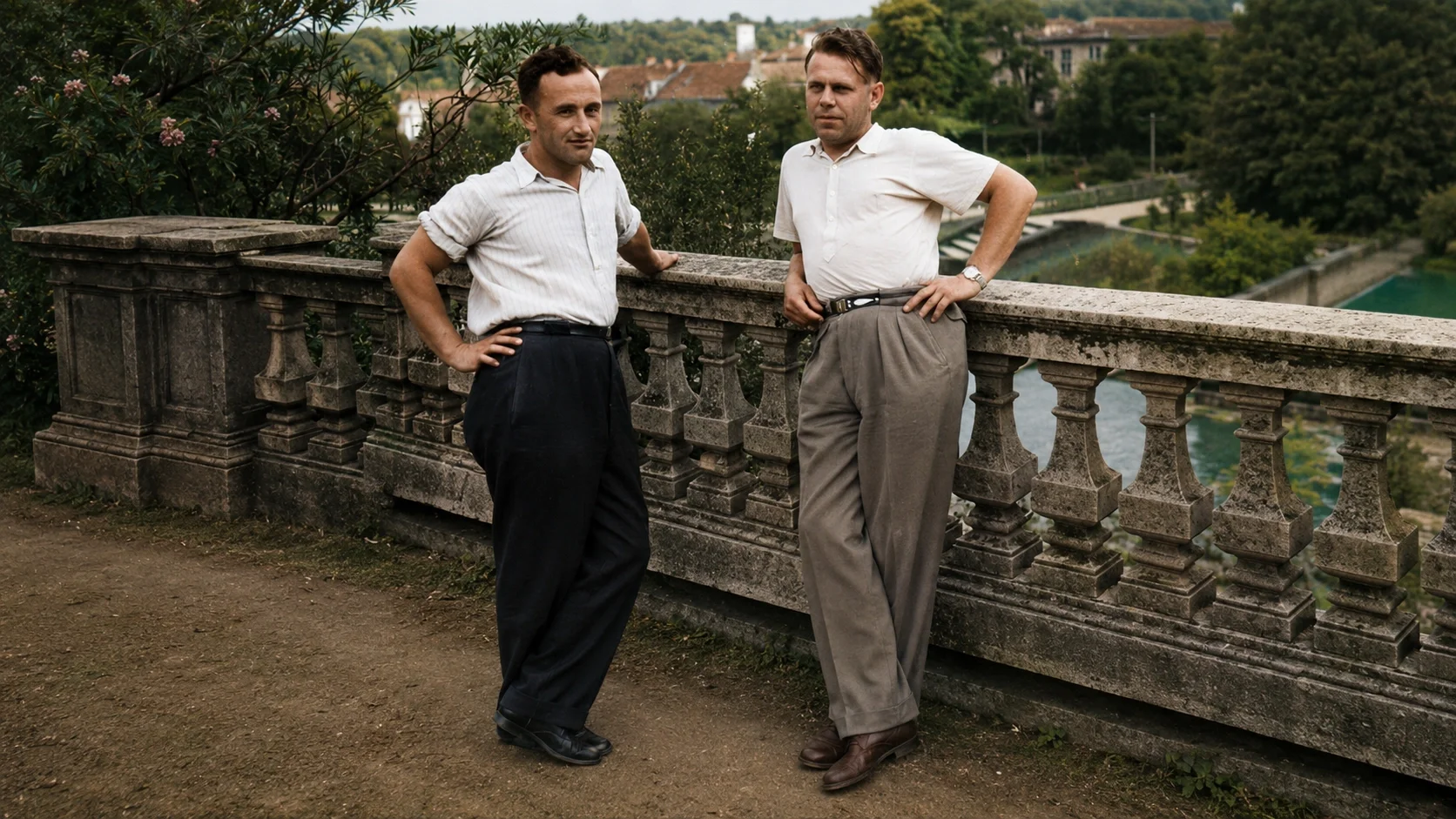
Efim Geller and Counterplay as Chess Theory
Efim Geller helped turn dynamic chess into theory. Through his opening work, especially in the King’s Indian Defense, he showed that counterplay could be prepared, organized, and used at the highest level.
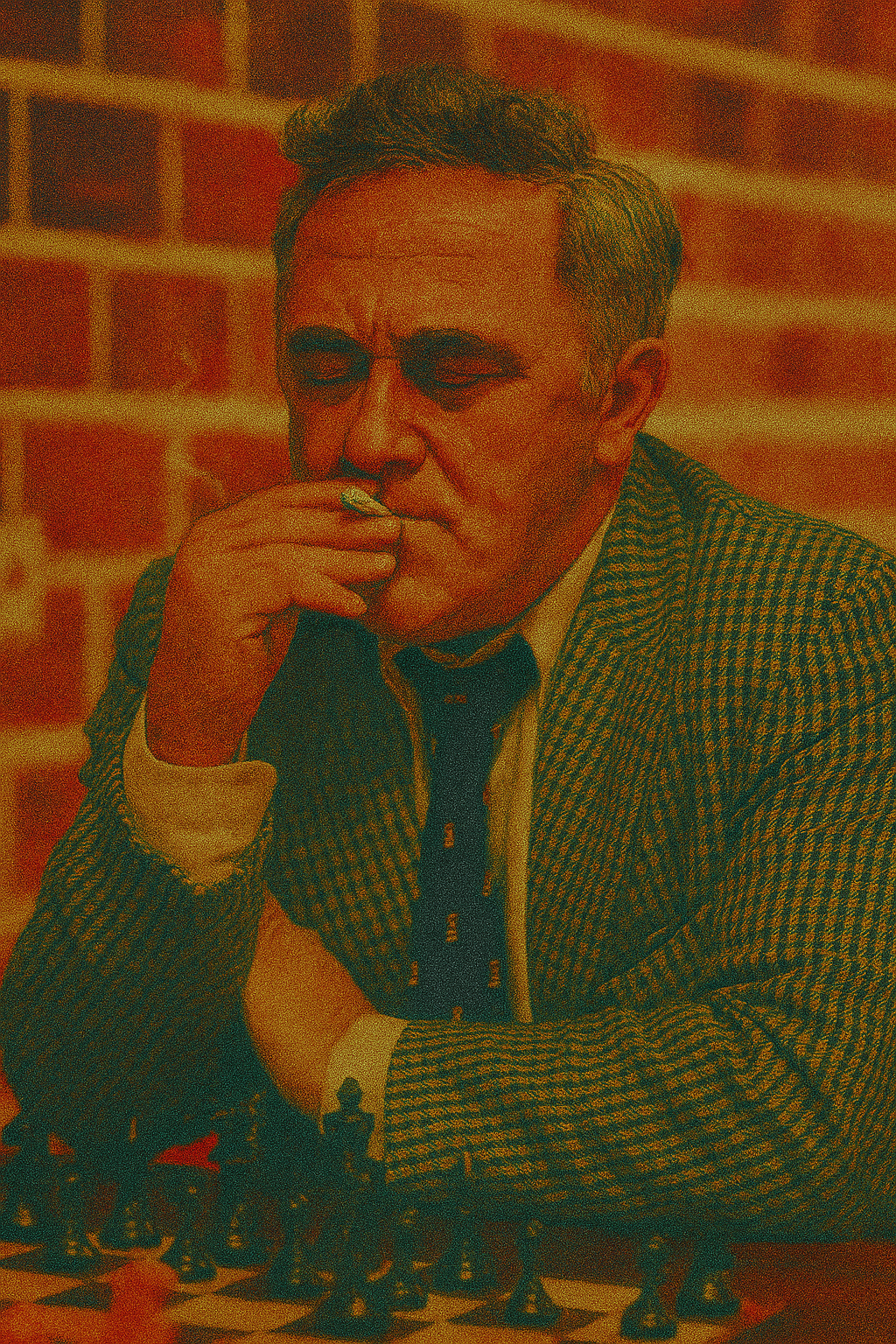
Efim Geller (Єфім Геллер)
This profile celebrates Efim Geller’s remarkable record: he twice won the Soviet championship, qualified for the Candidates six times and produced theoretical ideas that still shape modern openings. Along the way he defeated eight world champions in classical games.