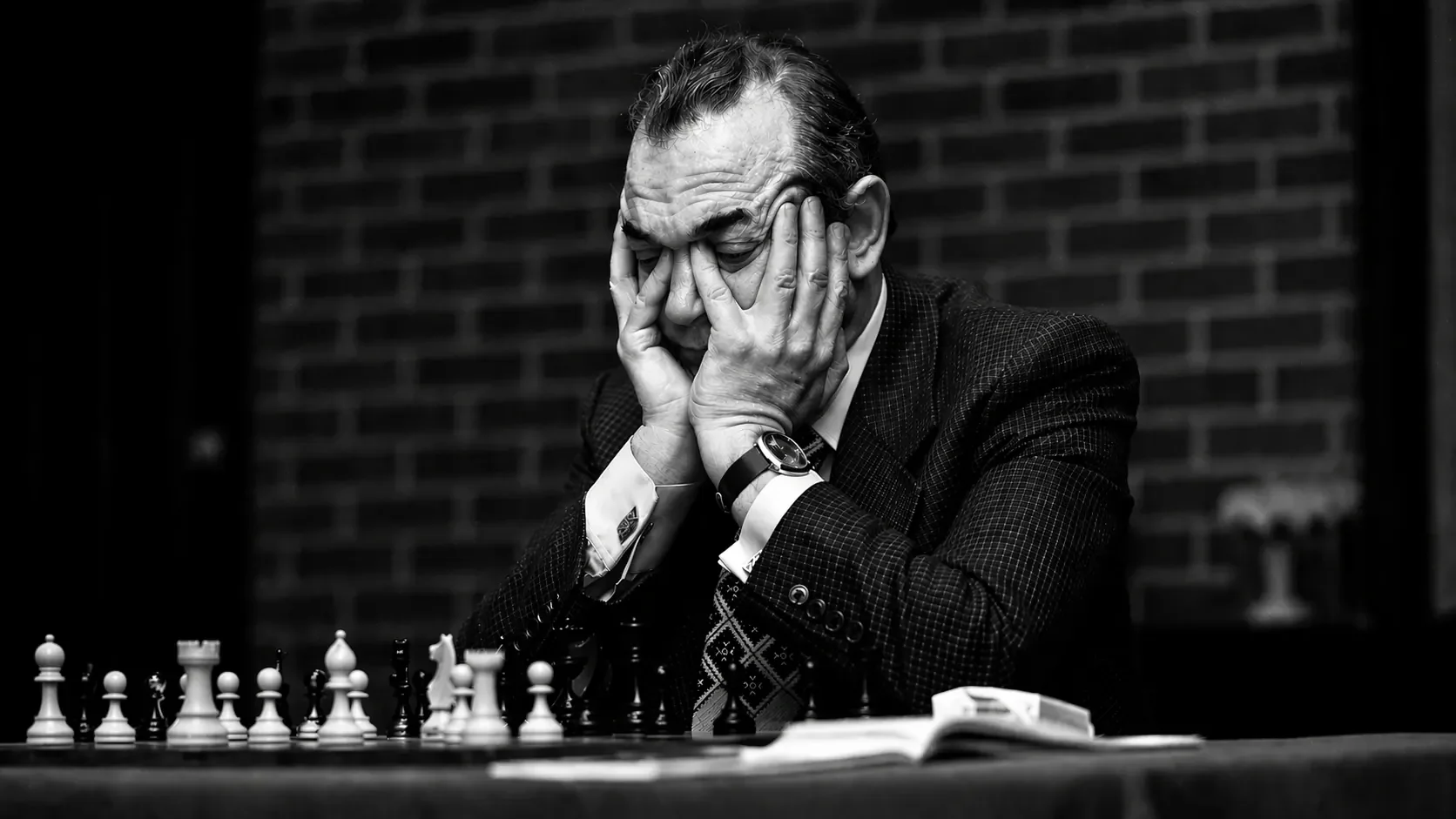
How the Early Soviet State Turned Chess Into a Tool
A look inside the origins of Soviet chess culture. These articles trace how early USSR institutions and political leaders transformed chess into a tool for education, discipline, and national development, setting the foundation for decades of dominance in world chess.
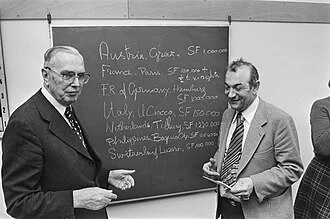
Max Euwe
Max Euwe, the Dutch mathematician and fifth world chess champion, occupied a distinctive place in twentieth-century chess. This profile traces his 1935 victory over Alexander Alekhine, his contests with Soviet champions, his analytical style, his influential writing, and his later presidency of FIDE.
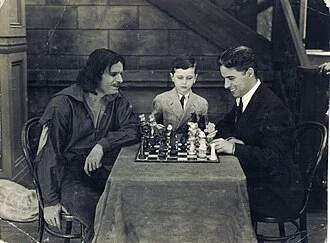
Samuel Reshevsky
Samuel Reshevsky stood outside the Soviet chess system yet became one of its most durable and revealing rivals. This profile traces his prodigy years, American career, battles with Soviet champions, playing style, writings, and lasting place in twentieth-century chess history.
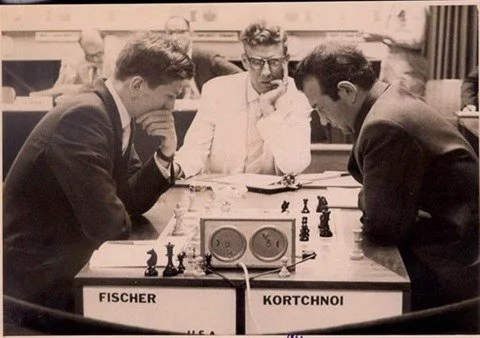
Sousse Interzonal 1967
Held in Tunisia, the 1967 Sousse Interzonal brought the world championship cycle to Africa and ended with Bent Larsen winning by 1½ points. This documented history examines Fischer’s withdrawal, the Soviet challenge, the playoff for sixth place, and the tournament’s lasting significance.
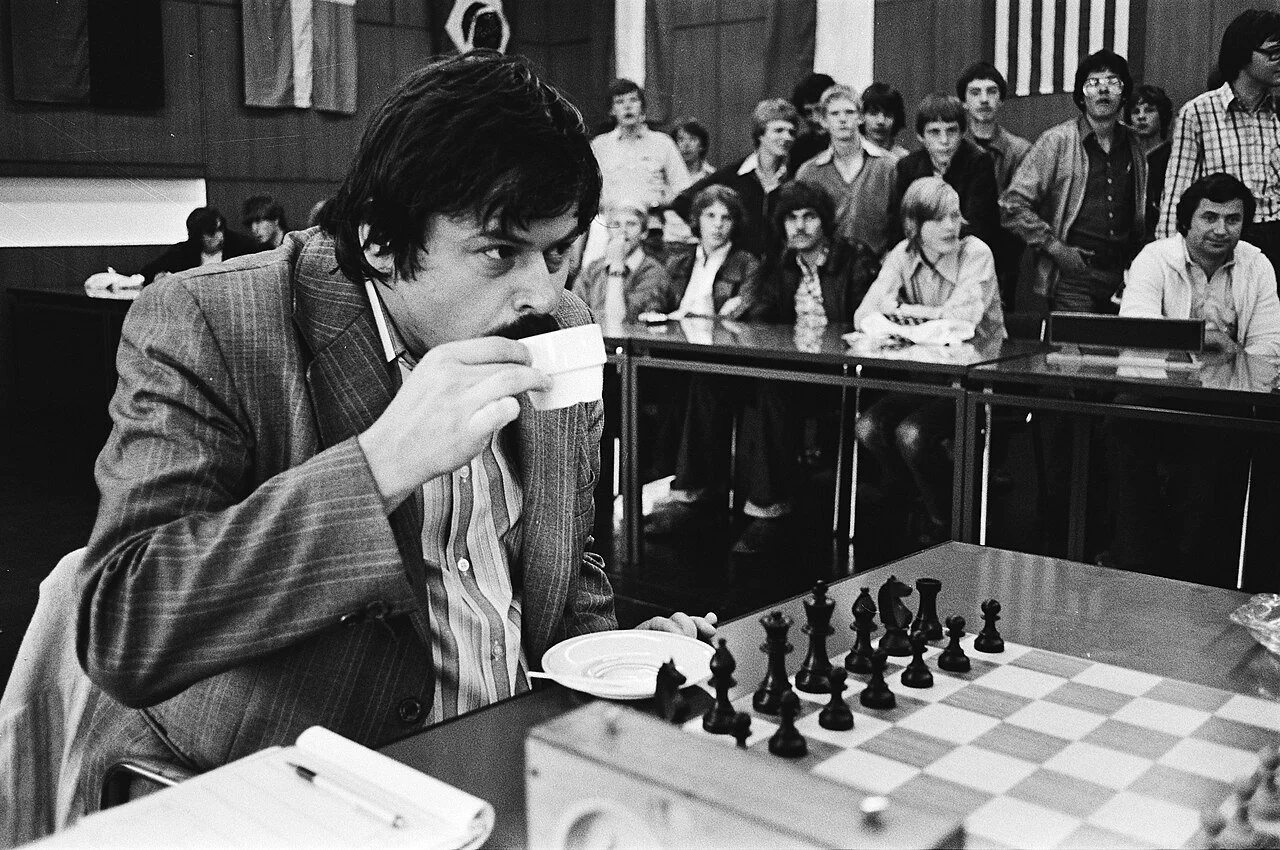
Vlastimil Hort
Vlastimil Hort was among Czechoslovakia’s strongest grandmasters and a prominent non-Soviet challenger during an era dominated by the USSR. This profile examines his early development, Candidates-level achievements, distinctive playing style, international career, contributions beyond tournament play, and enduring place in chess history.
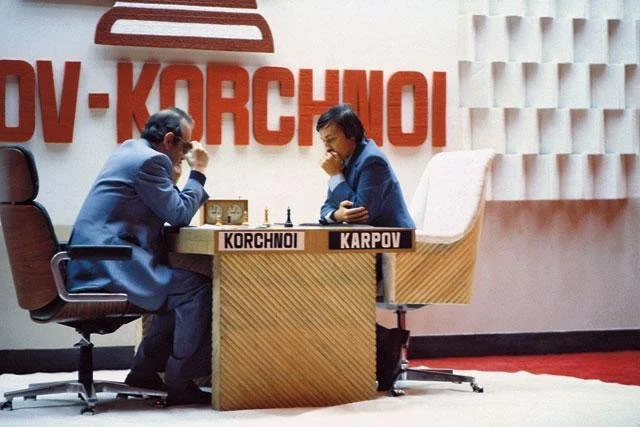
Karpov Korchnoi: Baguio 1978
Anatoly Karpov and Viktor Korchnoi’s 1978 World Chess Championship in Baguio City, Philippines, became one of chess history’s most dramatic title matches. This deeply researched account examines the 32-game struggle, Korchnoi’s comeback from 5-2 to 5-5, Cold War pressures, off-board controversies, and Karpov’s victory in Game 32.

Netherlands vs. USSR Friendly Team Match
The Netherlands vs. USSR Friendly Team Match stands as a revealing episode in postwar chess culture, bringing Dutch chess into direct contact with the Soviet school at a time when international team events carried both sporting and institutional weight. This article examines the match’s organization, format, leading participants, competitive course, press reception, and later historical significance.

Anatoly Karpov
Anatoly Karpov became one of the defining figures in Soviet chess history through precision, positional mastery, and extraordinary competitive consistency. This profile examines his early development, rise to the world championship, rivalry era, post-Soviet career, playing style, public roles, and enduring place in chess culture.