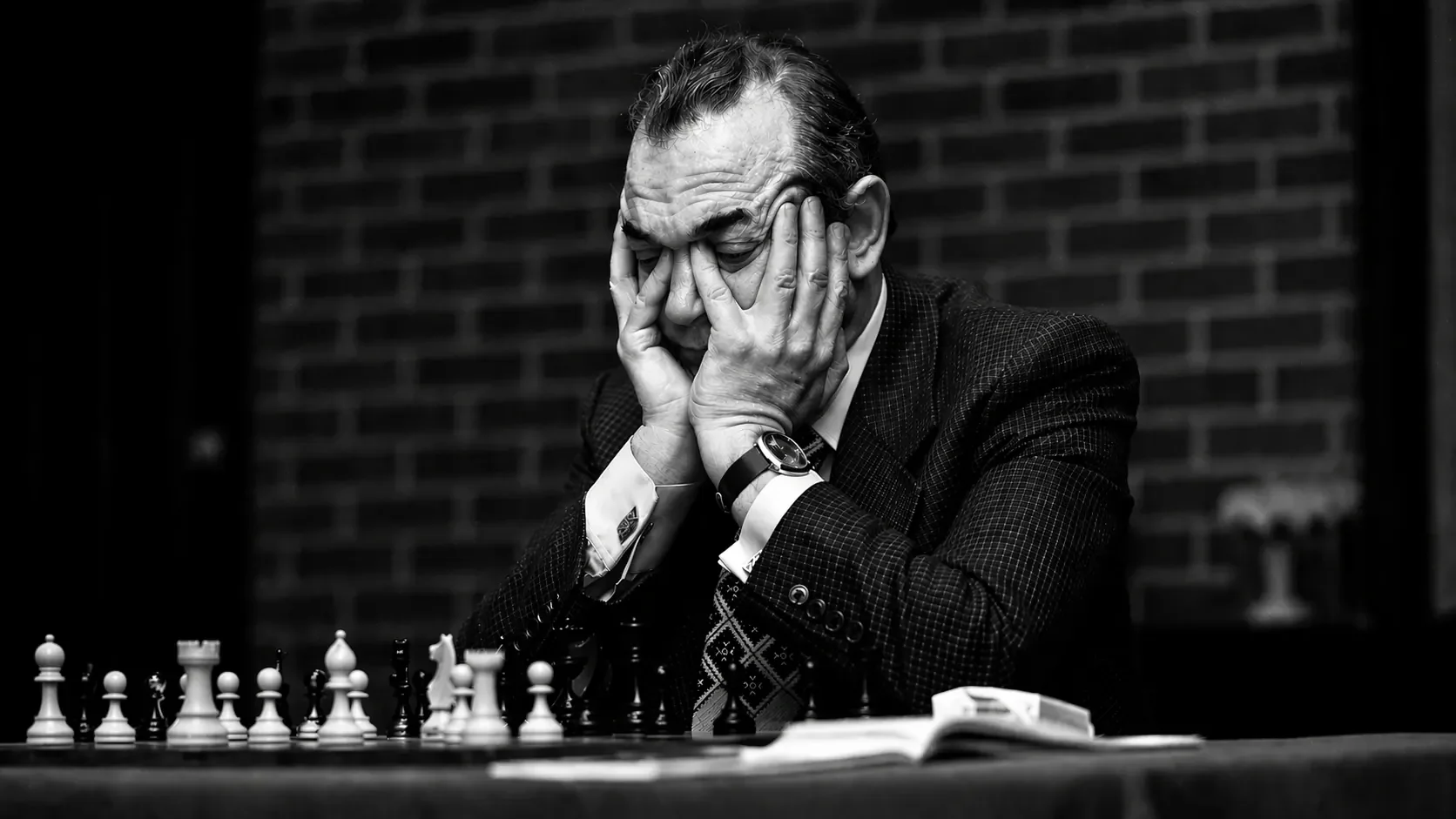
How the Early Soviet State Turned Chess Into a Tool
A look inside the origins of Soviet chess culture. These articles trace how early USSR institutions and political leaders transformed chess into a tool for education, discipline, and national development, setting the foundation for decades of dominance in world chess.
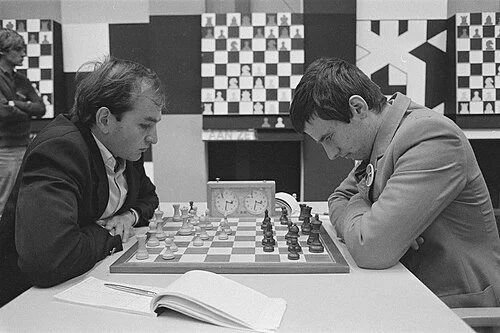
Kiril Georgiev
Kiril Georgiev emerged from Bulgaria’s distinguished chess tradition to become the 1983 World Junior Champion and one of the country’s leading grandmasters. Explore his early development, competitive achievements, playing style, international career, and lasting contribution to Bulgarian chess.
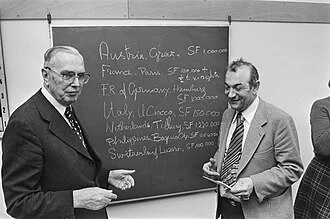
Max Euwe
Max Euwe, the Dutch mathematician and fifth world chess champion, occupied a distinctive place in twentieth-century chess. This profile traces his 1935 victory over Alexander Alekhine, his contests with Soviet champions, his analytical style, his influential writing, and his later presidency of FIDE.
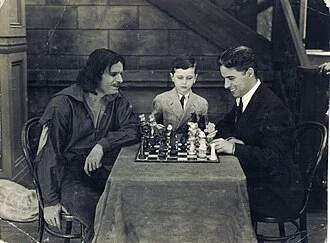
Samuel Reshevsky
Samuel Reshevsky stood outside the Soviet chess system yet became one of its most durable and revealing rivals. This profile traces his prodigy years, American career, battles with Soviet champions, playing style, writings, and lasting place in twentieth-century chess history.

Svetozar Gligoric
Svetozar Gligorić was Yugoslavia’s leading postwar grandmaster, an eleven-time national champion, and a three-time World Championship Candidate. This researched profile examines his life, Olympiad record, playing style, theoretical work, journalism, international influence, and lasting chess legacy.

Lubomir Kavalek
Lubomir Kavalek was a leading Czechoslovak and American grandmaster whose career crossed the political and competitive boundaries of Cold War chess. This profile examines his early development, international achievements, rivalry with Soviet players, influential work as a trainer and writer, and enduring place in modern chess history.
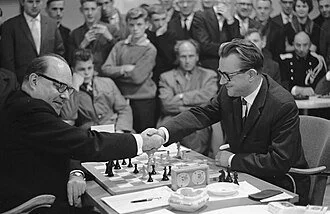
Gideon Ståhlberg
Gideon Ståhlberg was one of Sweden’s greatest chess players, celebrated for his international tournament successes, Olympiad performances, and encounters with the Soviet elite. This profile examines his career, playing style, writings, and lasting place in chess history.
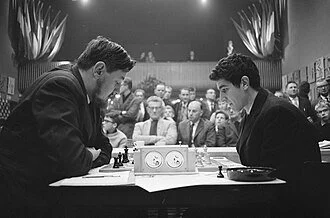
J.H. Donner
J.H. Donner, also known as Jan Hein Donner, was one of the Netherlands’ most distinctive chess grandmasters, recognized for his uncompromising play, incisive writing, and encounters with the Soviet chess elite. This profile examines his development, competitive career, literary influence, international reputation, and enduring place in twentieth-century chess history.
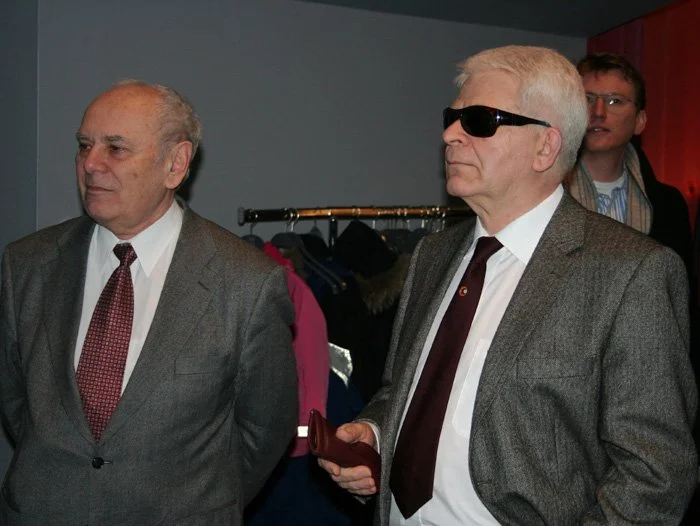
Lajos Portisch
Lajos Portisch was not a Soviet player, but for more than three decades he occupied a place Soviet chess could not ignore. Born in Zalaegerszeg in 1937, the Hungarian grandmaster rose through a chess culture rebuilding after the Second World War and became one of the most consistent challengers to the USSR’s postwar dominance.
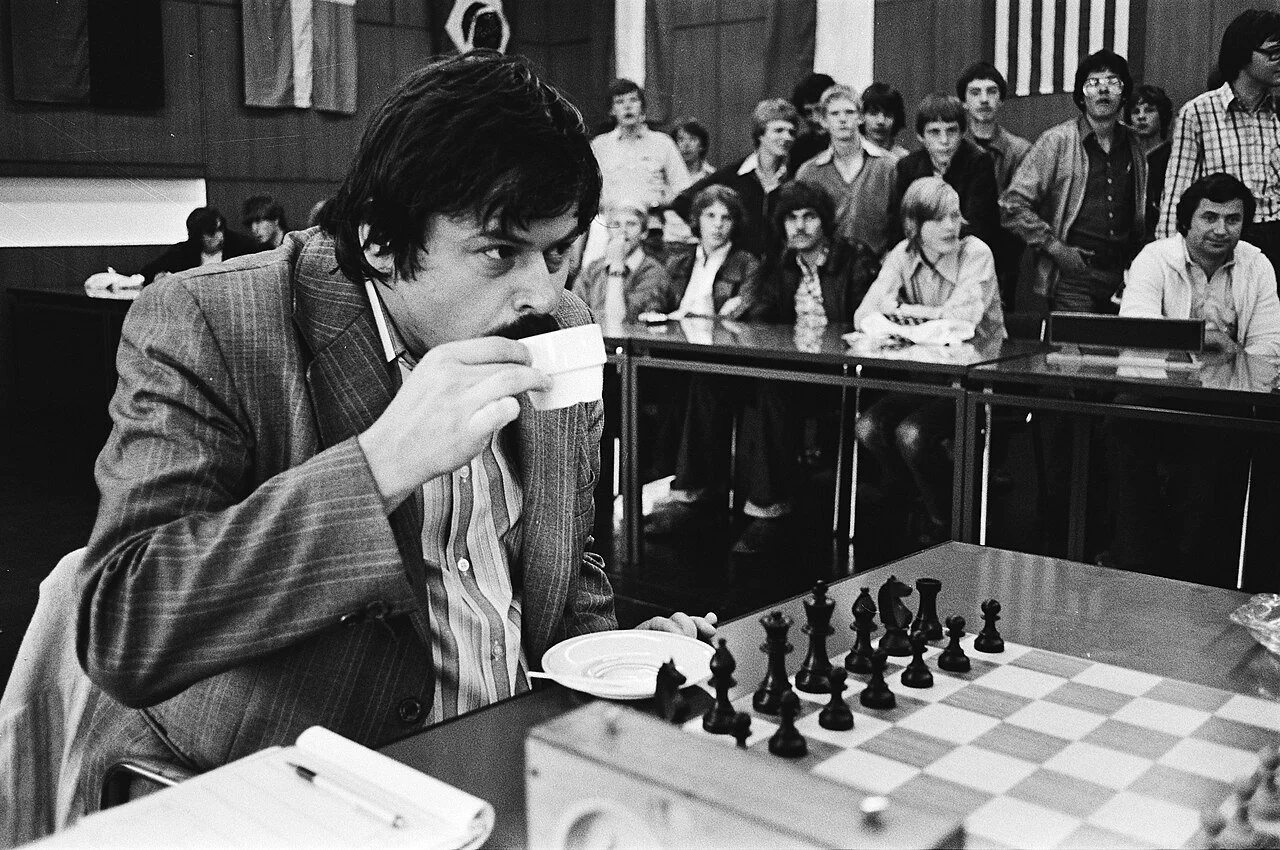
Vlastimil Hort
Vlastimil Hort was among Czechoslovakia’s strongest grandmasters and a prominent non-Soviet challenger during an era dominated by the USSR. This profile examines his early development, Candidates-level achievements, distinctive playing style, international career, contributions beyond tournament play, and enduring place in chess history.
Ян Тимман
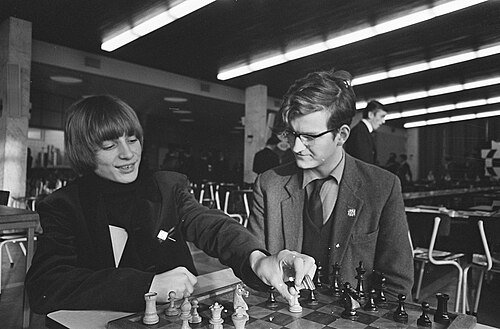
Jan Timman (1951-2026) rose from the Netherlands to become the leading non-Soviet challenger of his generation. This profile examines his early formation, Candidates’ campaigns, creative playing style, influential chess writing, and historical place among the strongest rivals faced by the Soviet chess elite.

Бобби Фишер
Bobby Fischer was the Soviet chess establishment’s most consequential foreign rival. This profile follows his Brooklyn childhood, early chess formation, meteoric rise, 1972 world championship victory, uncompromising style, troubled later years, and legacy as the player who most directly challenged Soviet dominance.