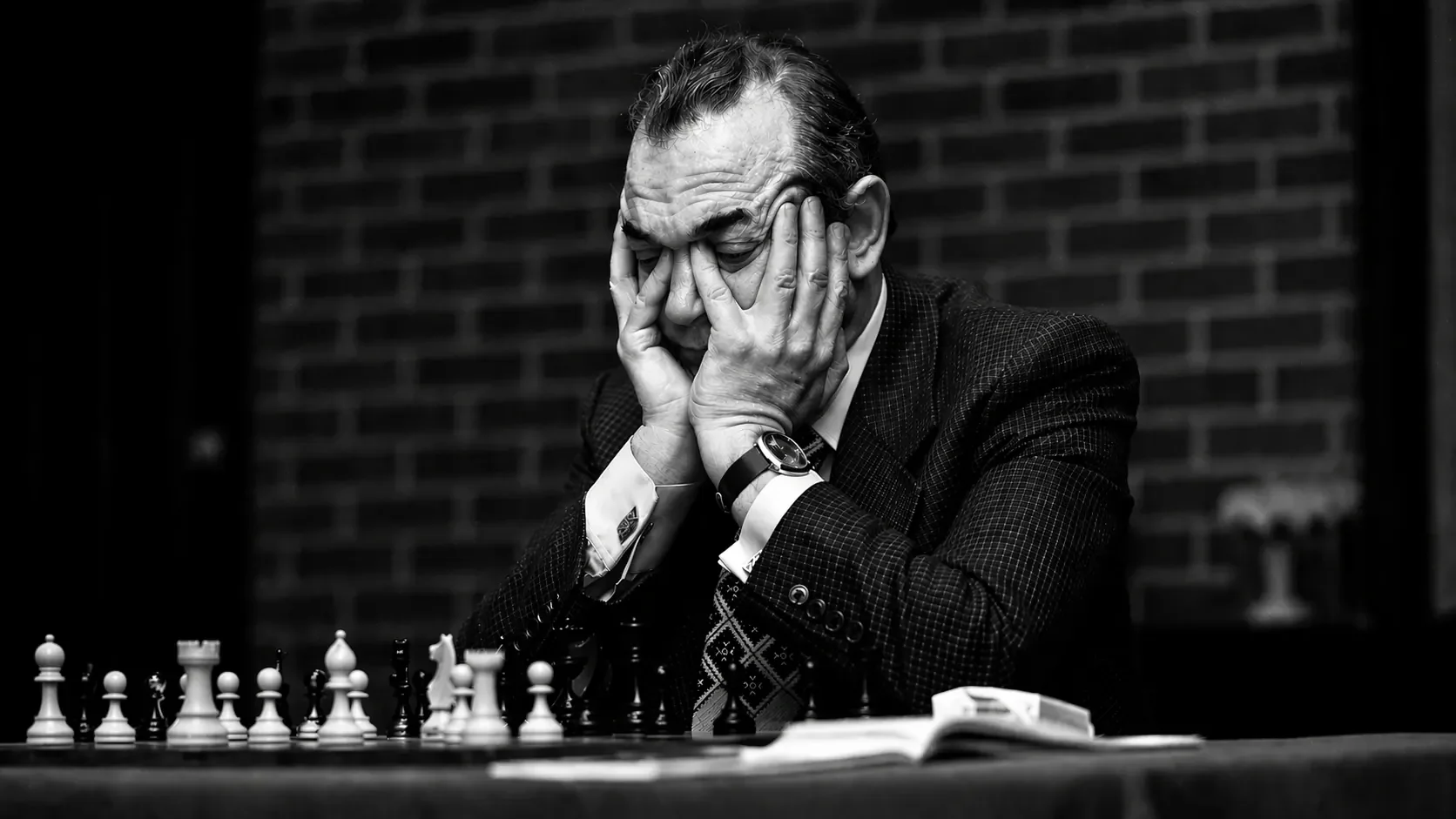
How the Early Soviet State Turned Chess Into a Tool
A look inside the origins of Soviet chess culture. These articles trace how early USSR institutions and political leaders transformed chess into a tool for education, discipline, and national development, setting the foundation for decades of dominance in world chess.

Lubomir Kavalek
Lubomir Kavalek was a leading Czechoslovak and American grandmaster whose career crossed the political and competitive boundaries of Cold War chess. This profile examines his early development, international achievements, rivalry with Soviet players, influential work as a trainer and writer, and enduring place in modern chess history.
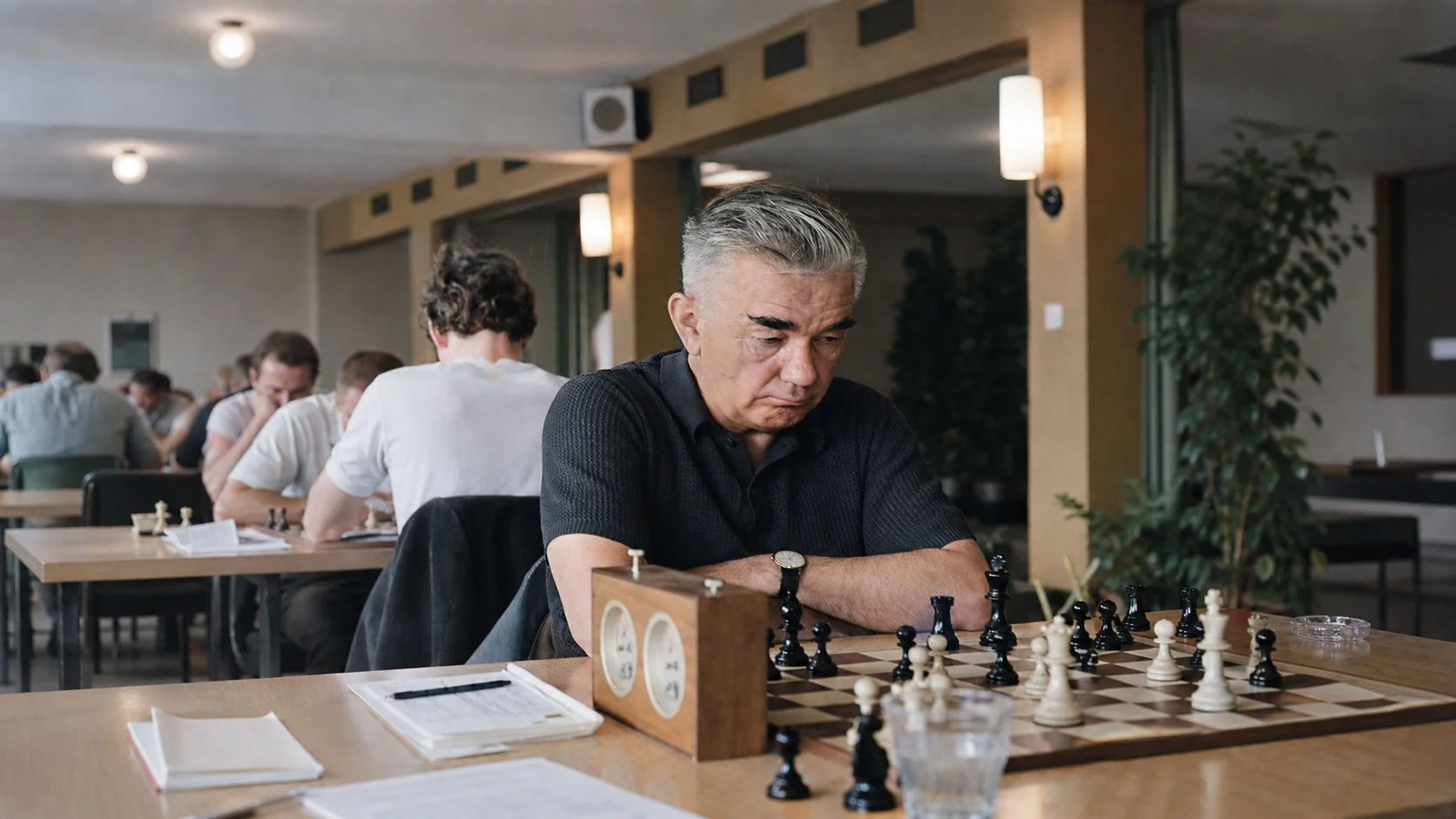
Alexander Kotov
Born in Tula on 12 August 1913, Alexander Kotov rose from an engineering background to become one of Soviet chess history’s most influential grandmasters, writers, and organizers. After moving to Moscow in 1935, he worked as an engineer and helped design mortars during World War II, earning the Order of Lenin. His chess career advanced rapidly: he became a master in 1938, finished second to Mikhail Botvinnik in the 1939 USSR Championship, won the Moscow title in 1941, shared first in the 1948 Soviet Championship, and dominated the 1952 Saltsjöbaden Interzonal with an undefeated 16½/20.