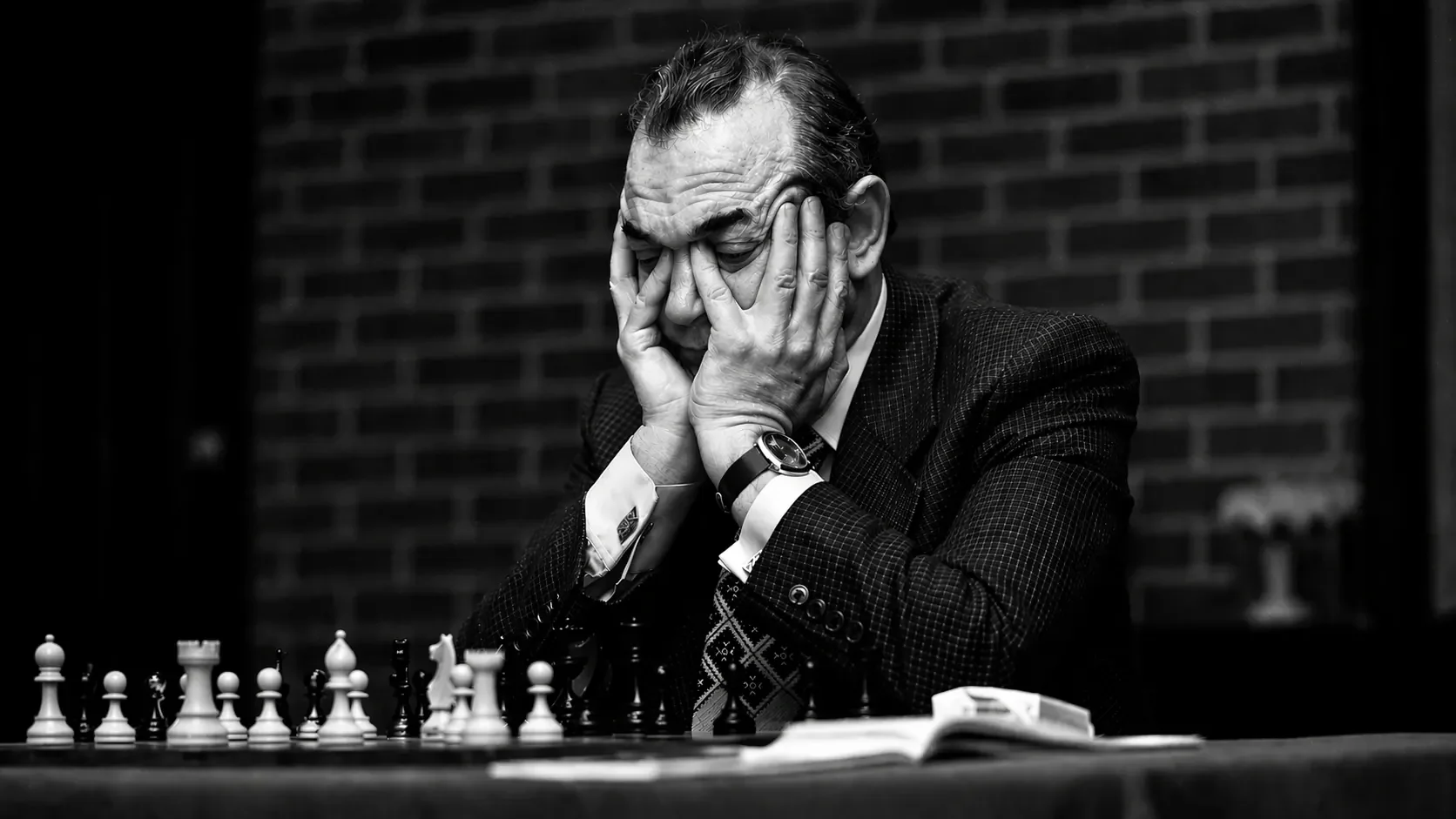
How the Early Soviet State Turned Chess Into a Tool
A look inside the origins of Soviet chess culture. These articles trace how early USSR institutions and political leaders transformed chess into a tool for education, discipline, and national development, setting the foundation for decades of dominance in world chess.
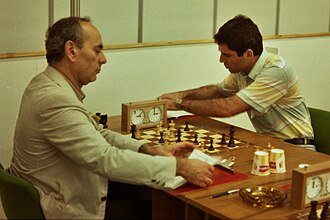
The 1986 Dubai Chess Olympiad
The 1986 Dubai Chess Olympiad drew a record 108 open teams to the UAE. Israel’s exclusion prompted boycotts and a major FIDE dispute. Led by Garry Kasparov and Anatoly Karpov, the Soviet Union recovered from a mid-event setback to edge England by half a point. Nona Gaprindashvili scored a perfect 10/10 as the Soviet women also won gold.
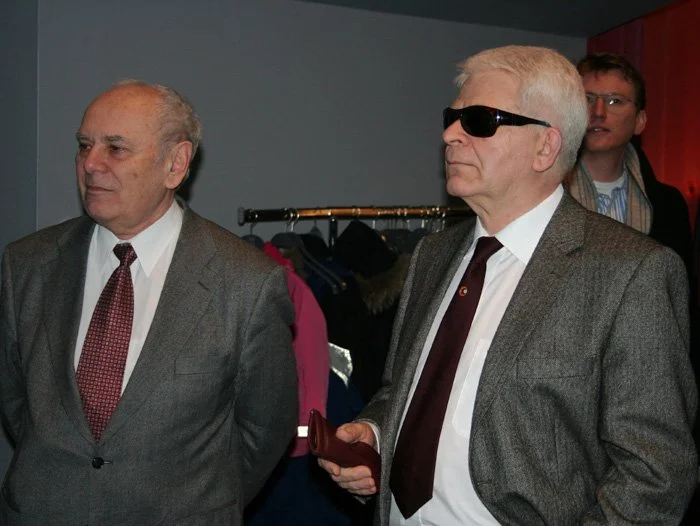
Lajos Portisch
Lajos Portisch was not a Soviet player, but for more than three decades he occupied a place Soviet chess could not ignore. Born in Zalaegerszeg in 1937, the Hungarian grandmaster rose through a chess culture rebuilding after the Second World War and became one of the most consistent challengers to the USSR’s postwar dominance.
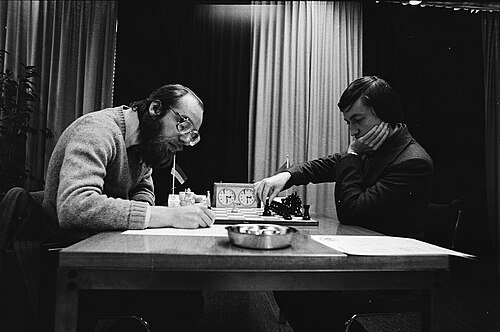
Tilburg 1979
Tilburg 1979 was one of the defining Interpolis chess tournaments of the late 1970s, bringing Anatoly Karpov, Oleg Romanishin, Lajos Portisch, Vlastimil Hort, Jan Timman, Vasily Smyslov, and other leading grandmasters into a compact Dutch arena. This article examines the event’s organization, field, Soviet relevance, competitive course, critical games, reception, and later historical assessment.