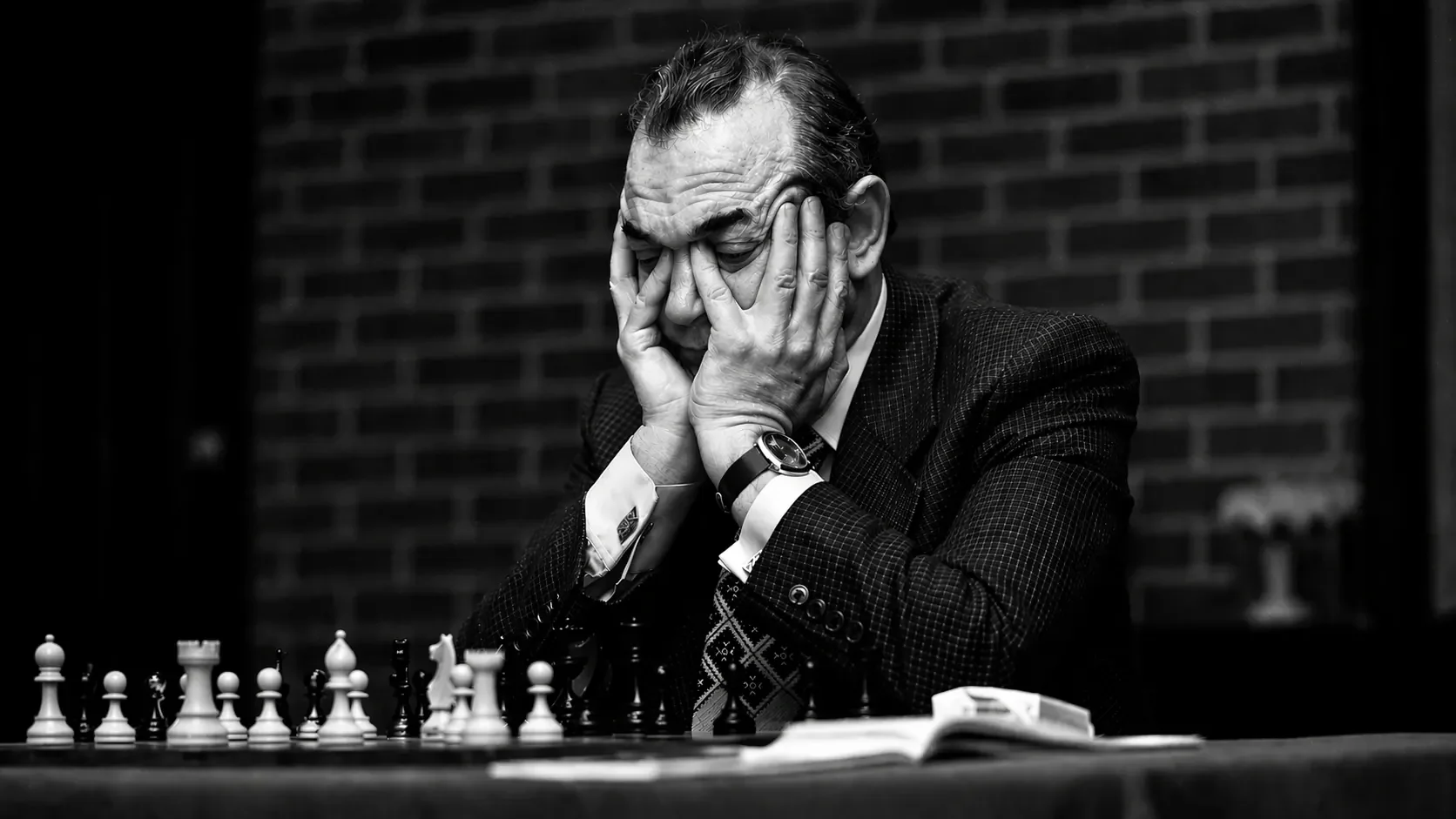
How the Early Soviet State Turned Chess Into a Tool
A look inside the origins of Soviet chess culture. These articles trace how early USSR institutions and political leaders transformed chess into a tool for education, discipline, and national development, setting the foundation for decades of dominance in world chess.
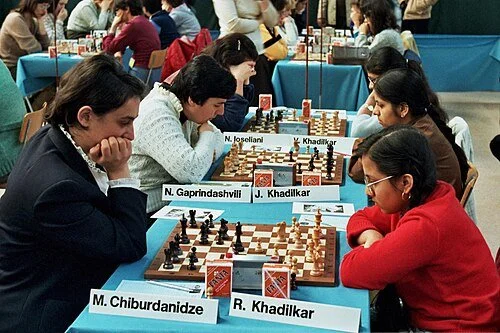
Women’s Chess in Georgia
Nona Gaprindashvili and Maia Chiburdanidze held the women’s world chess title in succession from 1962 to 1991. Behind their success stood families, dedicated coaches, and a growing network of clubs and competitions. This profile traces how Georgia developed its women’s chess tradition and sustained it across generations.
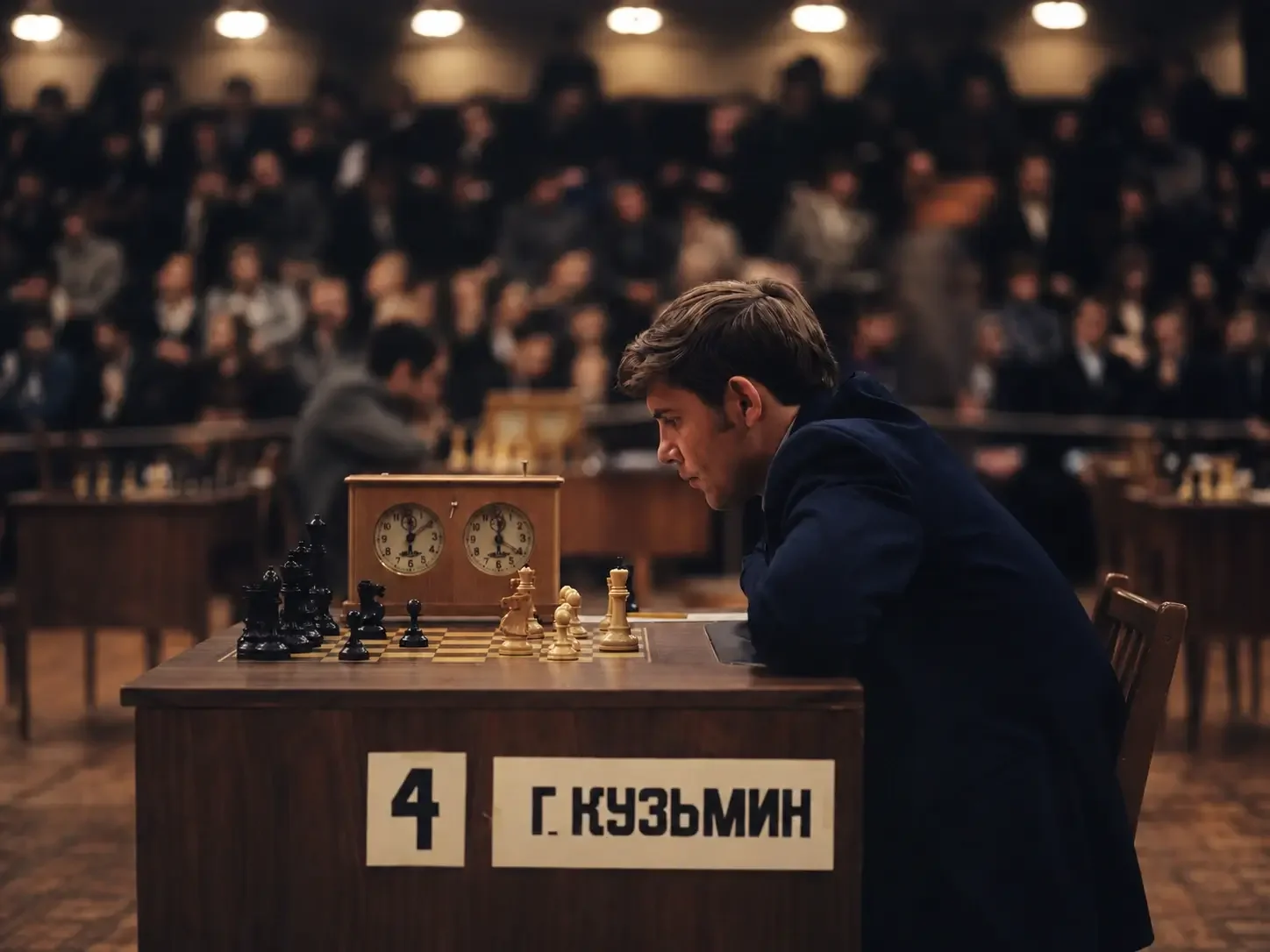
Gennadi Kuzmin
Gennadi Kuzmin rose from Voroshilovgrad’s regional chess culture to the world top 15, two Interzonals, and the Soviet Olympiad team. He later became an influential trainer, working with Maia Chiburdanidze, Ruslan Ponomariov, and generations of Ukrainian players.
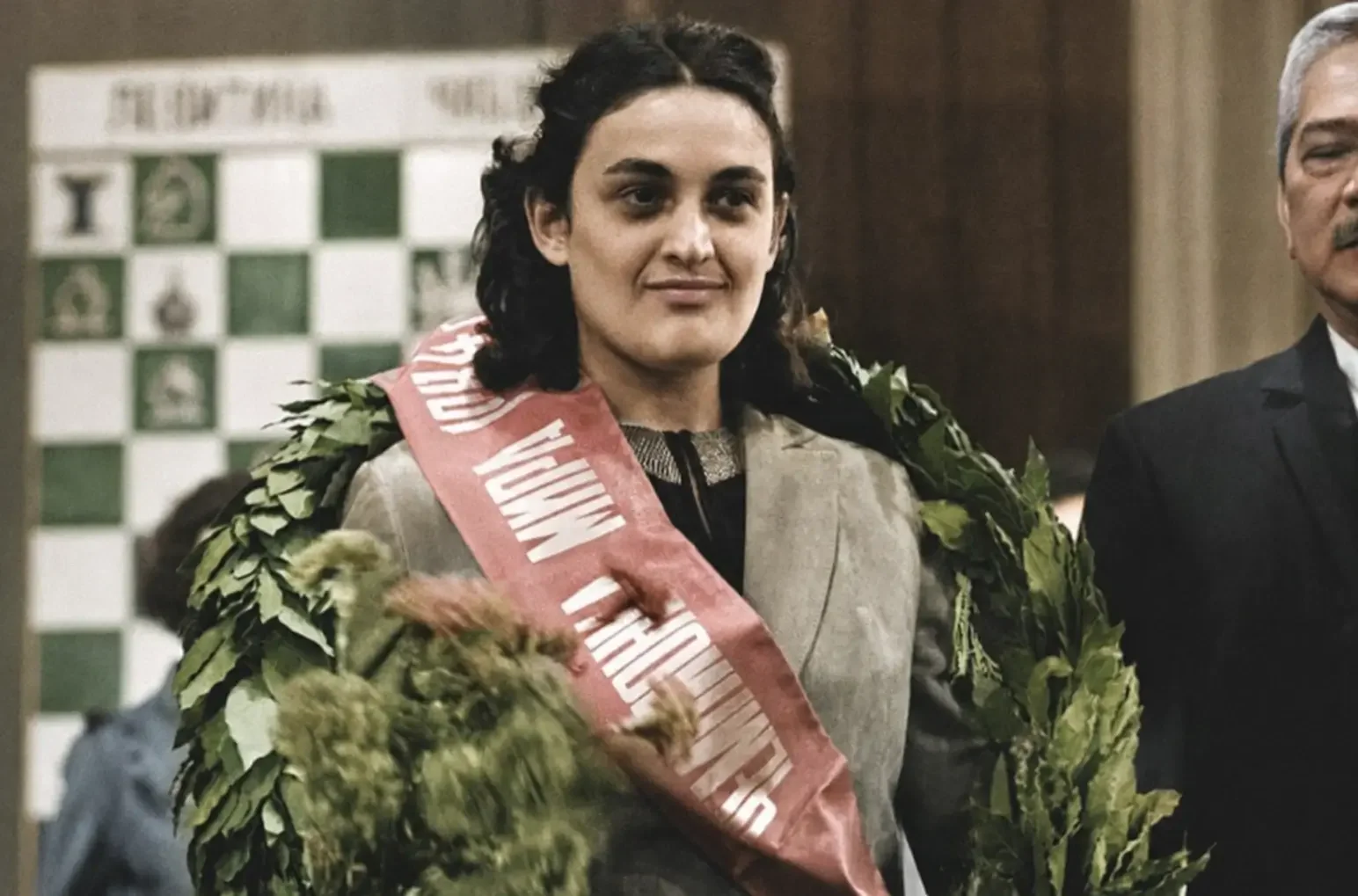
Maia Chiburdanidze
Maia Chiburdanidze became Women’s World Chess Champion at 17 and held the crown for 13 years. This profile examines her Georgian upbringing, Soviet career, playing style, Grandmaster title, Olympiad record, and lasting place in chess history.