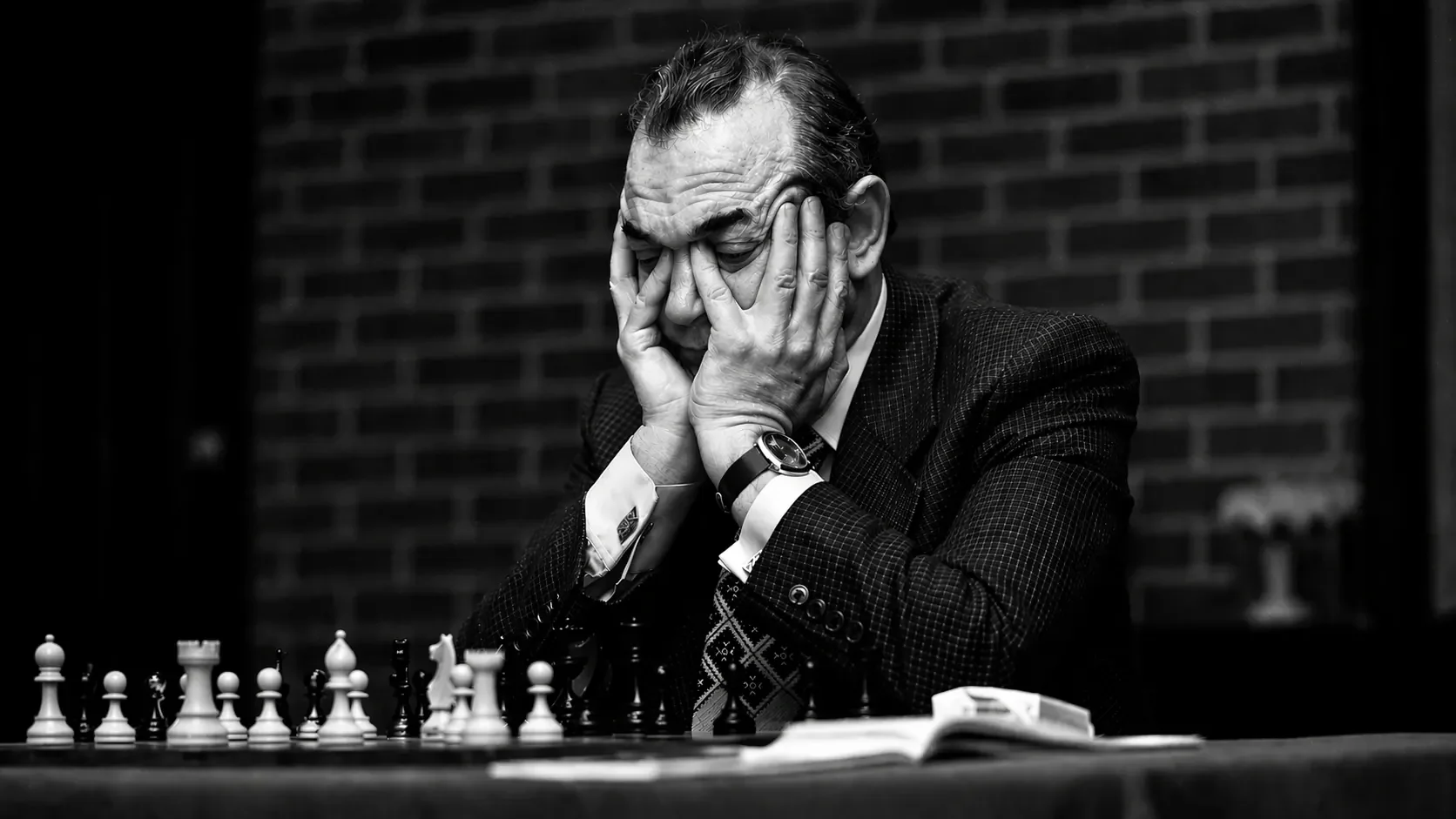
How the Early Soviet State Turned Chess Into a Tool
A look inside the origins of Soviet chess culture. These articles trace how early USSR institutions and political leaders transformed chess into a tool for education, discipline, and national development, setting the foundation for decades of dominance in world chess.
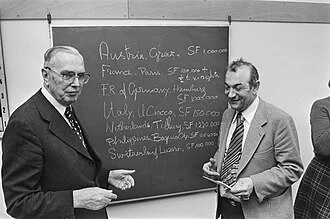
Max Euwe
Max Euwe, the Dutch mathematician and fifth world chess champion, occupied a distinctive place in twentieth-century chess. This profile traces his 1935 victory over Alexander Alekhine, his contests with Soviet champions, his analytical style, his influential writing, and his later presidency of FIDE.
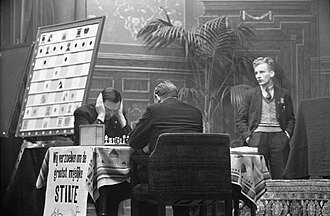
The World Chess Championship of 1937
The 1937 World Chess Championship brought Max Euwe and Alexander Alekhine together for a scheduled 30-game rematch staged across nine Dutch cities. This article examines its private organization, decisive turning points, contemporary press coverage, Soviet analytical reception, and legacy following Alekhine's becoming the first former champion to regain the title.
Samuel Reshevsky
Samuel Reshevsky stood outside the Soviet chess system yet became one of its most durable and revealing rivals. This profile traces his prodigy years, American career, battles with Soviet champions, playing style, writings, and lasting place in twentieth-century chess history.

The 1976 Euwe Schaakvierkamp
At the 1976 Euwe Schaakvierkamp in Amsterdam, Anatoly Karpov won Max Euwe’s seventy-fifth-birthday jubilee event ahead of Walter Browne, Jan Timman, and Fridrik Olafsson. This article explains the tournament’s organization, cultural setting, competitive meaning, and later place in chess memory.