How the Early Soviet State Turned Chess Into a Tool
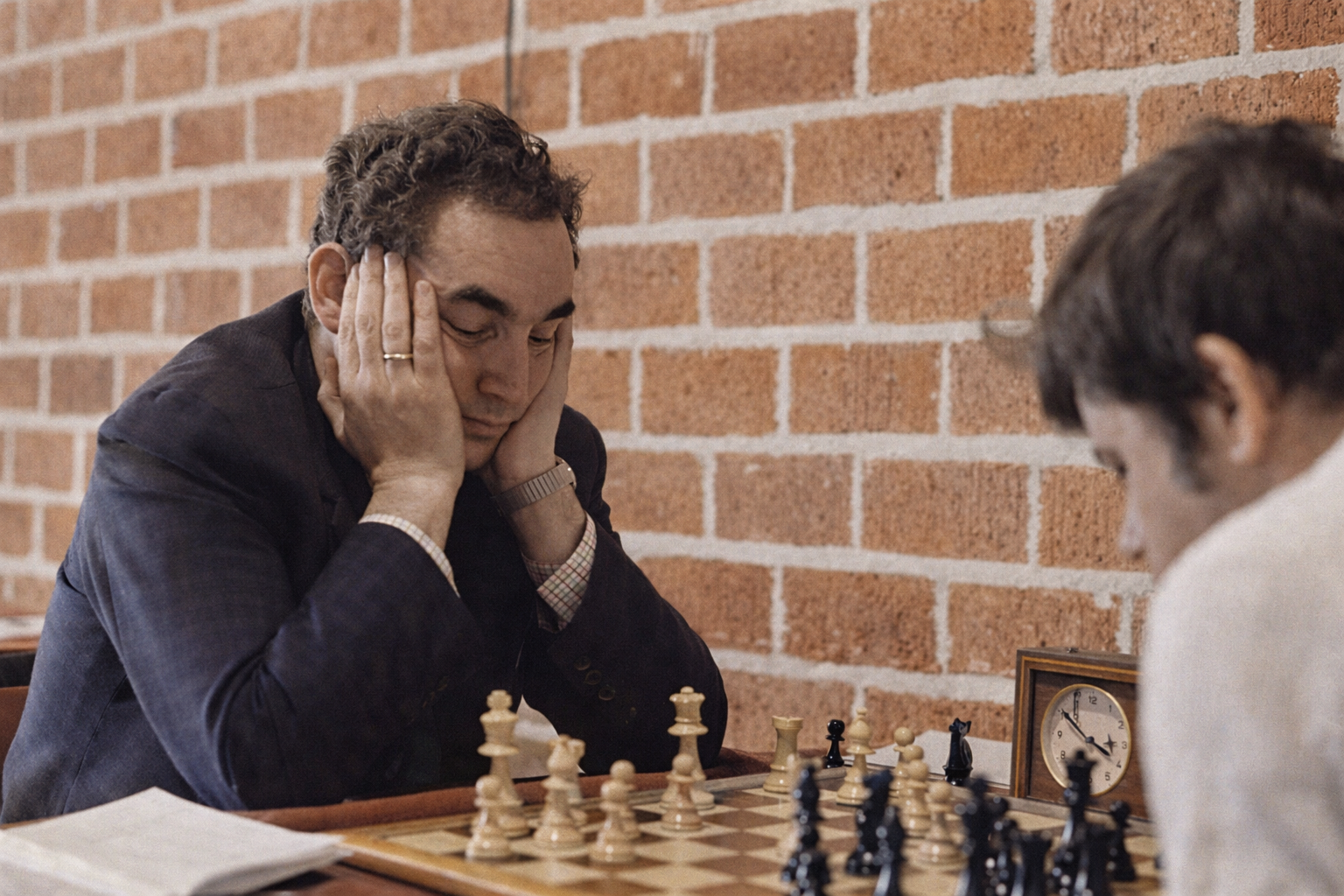
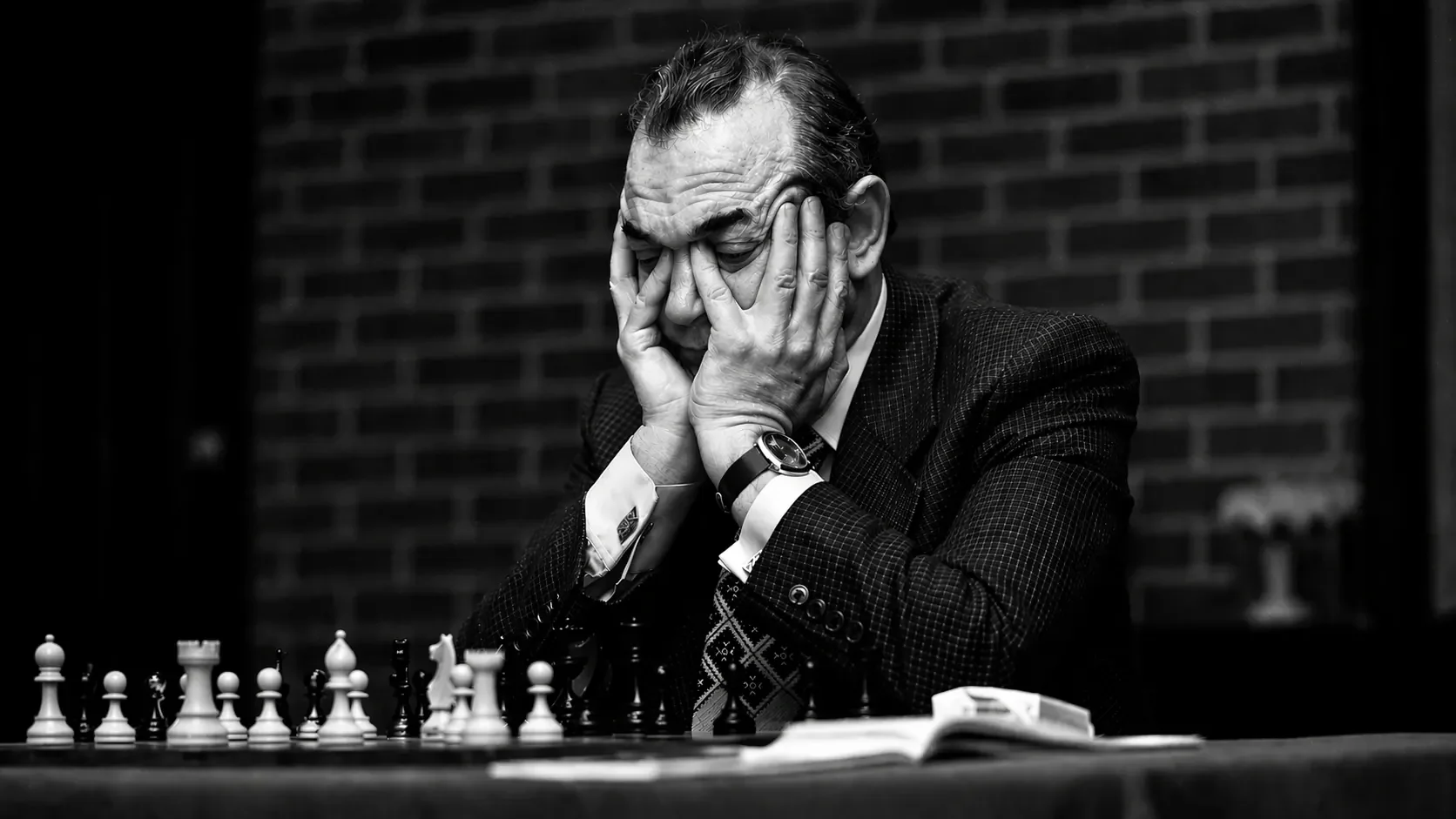
A look inside the origins of Soviet chess culture. These articles trace how early USSR institutions and political leaders transformed chess into a tool for education, discipline, and national development, setting the foundation for decades of dominance in world chess.
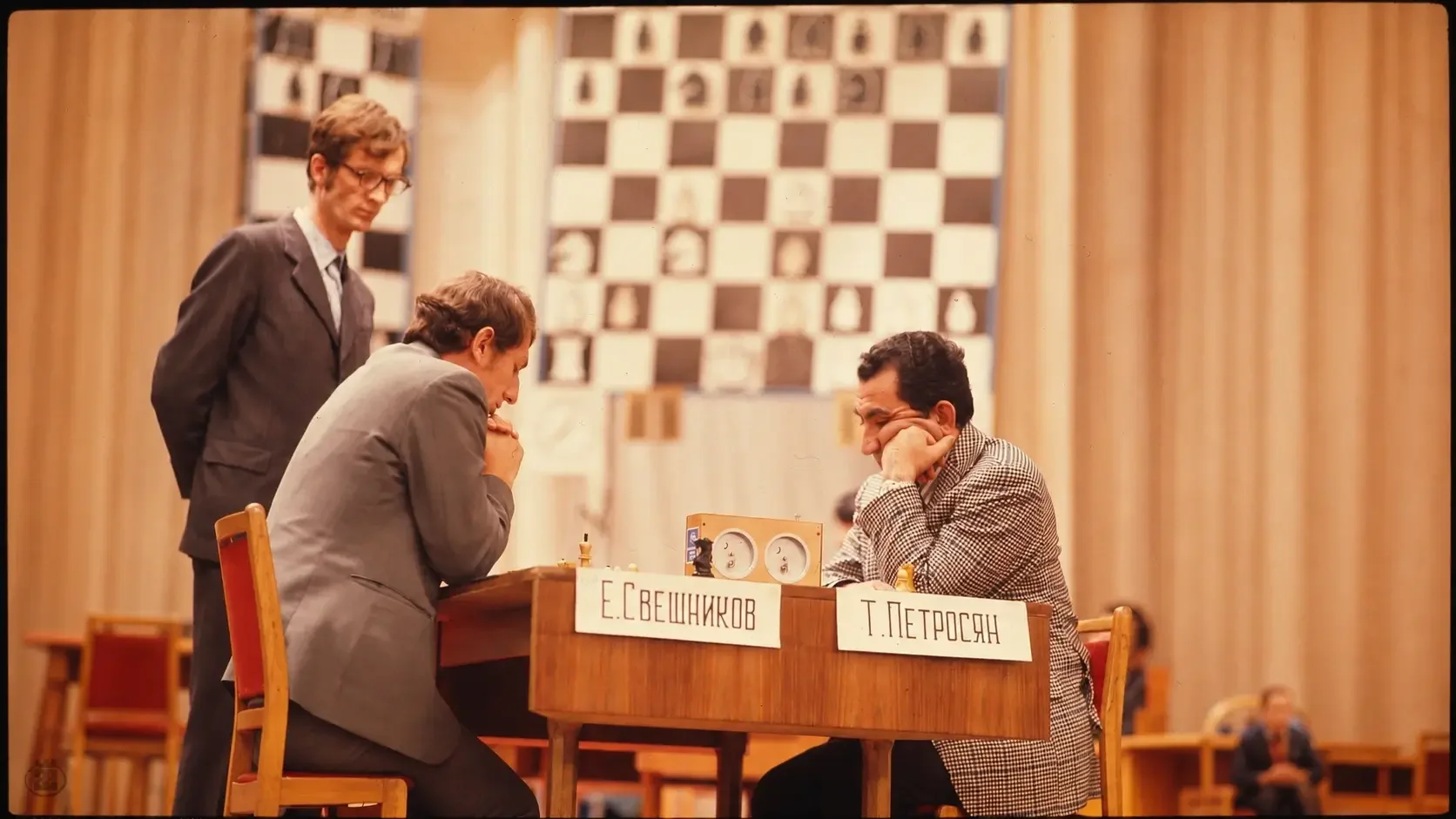
Evgeni Sveshnikov
Evgeni Sveshnikov was a Soviet grandmaster, influential chess theoretician, trainer, author, and world senior champion. This profile examines his Chelyabinsk upbringing, tournament career, collaboration with Gennadi Timoshchenko, years representing Latvia, and lasting influence on the Sicilian Defense.
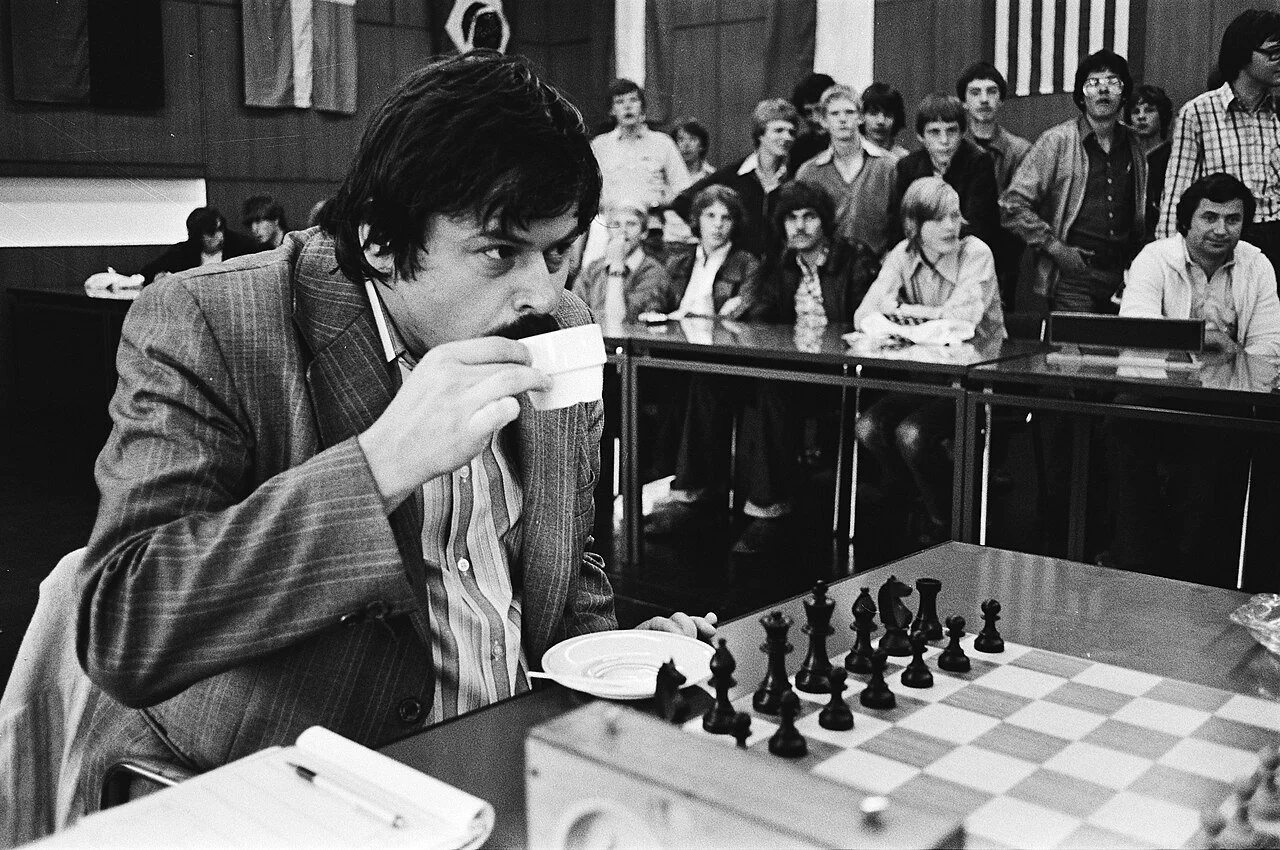
Vlastimil Hort
Vlastimil Hort was among Czechoslovakia’s strongest grandmasters and a prominent non-Soviet challenger during an era dominated by the USSR. This profile examines his early development, Candidates-level achievements, distinctive playing style, international career, contributions beyond tournament play, and enduring place in chess history.

Бобби Фишер
Bobby Fischer was the Soviet chess establishment’s most consequential foreign rival. This profile follows his Brooklyn childhood, early chess formation, meteoric rise, 1972 world championship victory, uncompromising style, troubled later years, and legacy as the player who most directly challenged Soviet dominance.