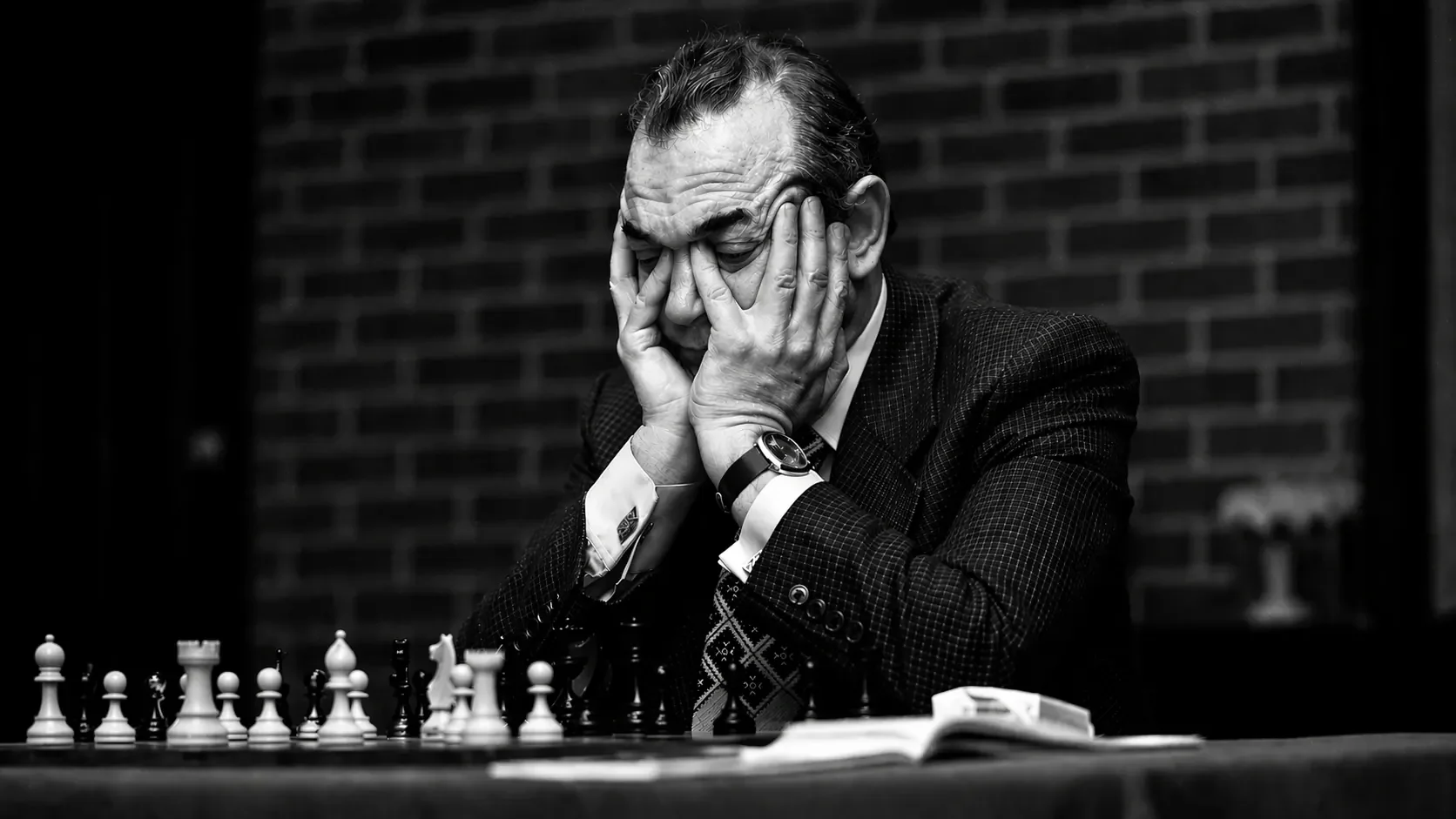
How the Early Soviet State Turned Chess Into a Tool
A look inside the origins of Soviet chess culture. These articles trace how early USSR institutions and political leaders transformed chess into a tool for education, discipline, and national development, setting the foundation for decades of dominance in world chess.
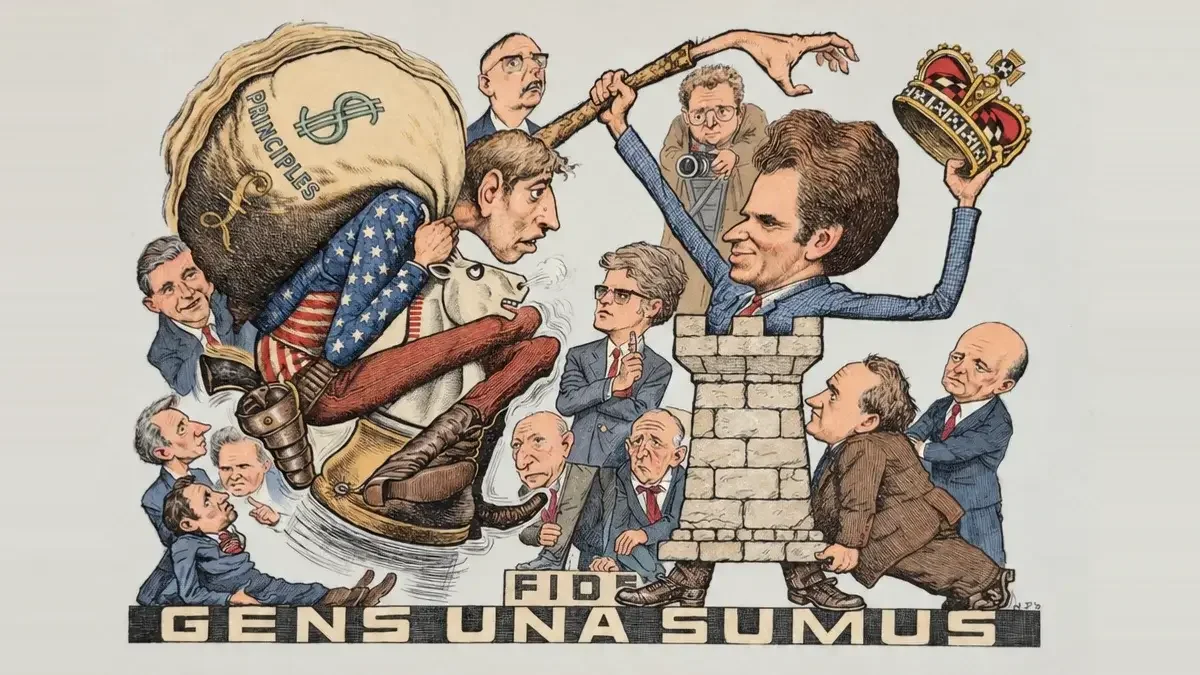
Spassky-Fischer, Reykjavik 1972 Caricature
Bobby Fischer, Boris Spassky, and the personalities surrounding the 1972 World Chess Championship appear in a caricature filled with chess symbolism.
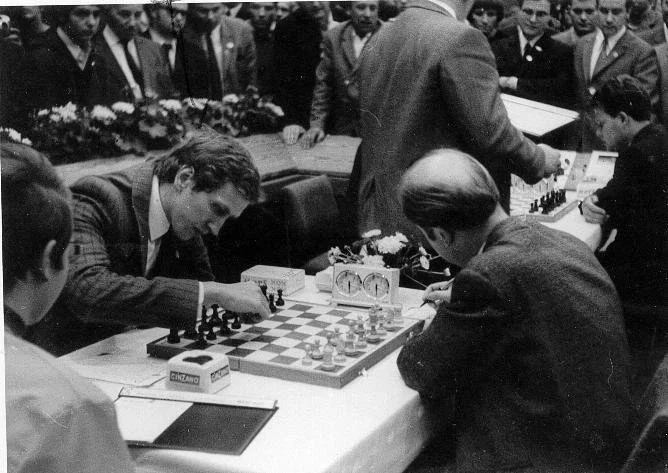
Siegen Chess Olympiad
The 1970 Siegen Chess Olympiad brought 60 teams to West Germany and produced the Soviet Union’s narrowest Olympiad victory to date. This profile examines its format, leading contenders, Spassky-Fischer encounter, public reception, FIDE Congress, and one-point finish ahead of Hungary.
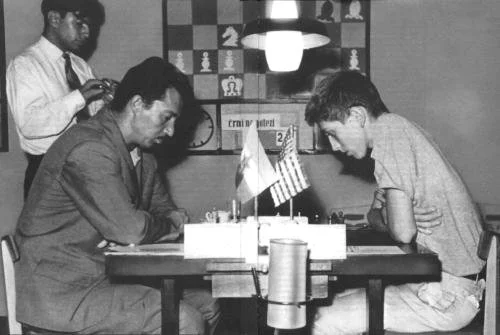
Portorož Interzonal of 1958
The 1958 Portorož Interzonal brought Mikhail Tal, Tigran Petrosian, Svetozar Gligorić, David Bronstein, Pál Benko, Friðrik Ólafsson, and fifteen-year-old Bobby Fischer into one decisive world championship qualifier. Tal overtook Petrosian to win, and a dramatic final round completed the six-player Candidates field.
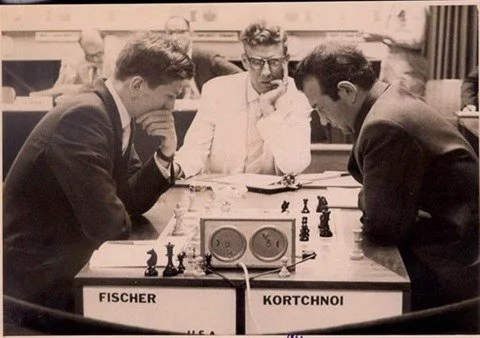
Sousse Interzonal 1967
Held in Tunisia, the 1967 Sousse Interzonal brought the world championship cycle to Africa and ended with Bent Larsen winning by 1½ points. This documented history examines Fischer’s withdrawal, the Soviet challenge, the playoff for sixth place, and the tournament’s lasting significance.
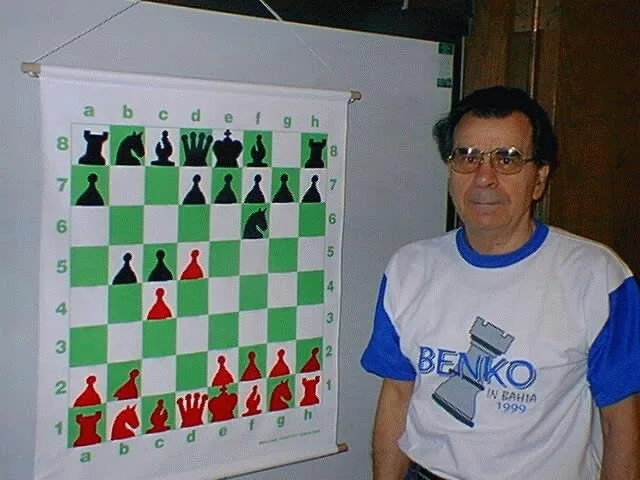

Бобби Фишер
Bobby Fischer was the Soviet chess establishment’s most consequential foreign rival. This profile follows his Brooklyn childhood, early chess formation, meteoric rise, 1972 world championship victory, uncompromising style, troubled later years, and legacy as the player who most directly challenged Soviet dominance.