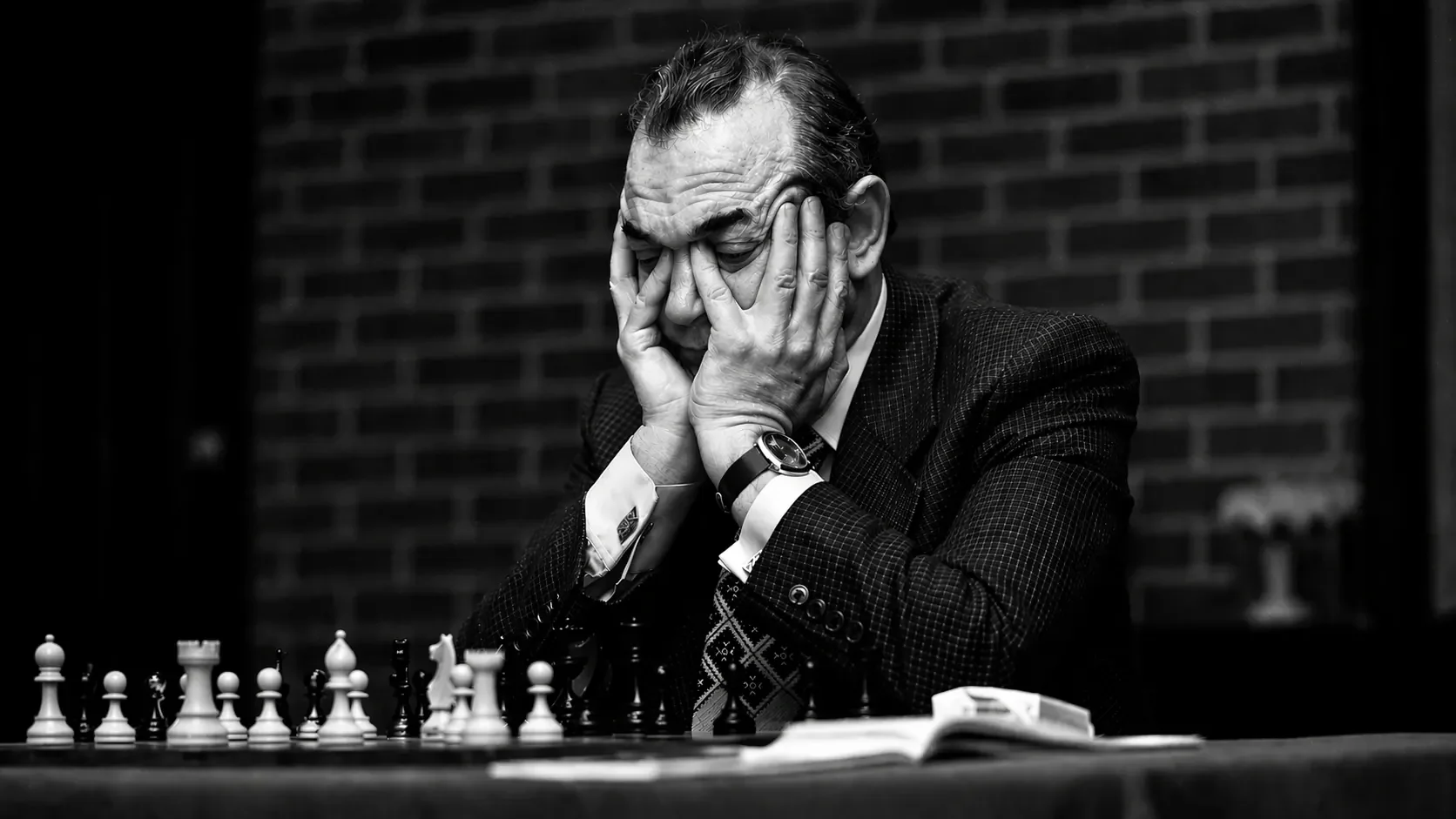
How the Early Soviet State Turned Chess Into a Tool
A look inside the origins of Soviet chess culture. These articles trace how early USSR institutions and political leaders transformed chess into a tool for education, discipline, and national development, setting the foundation for decades of dominance in world chess.
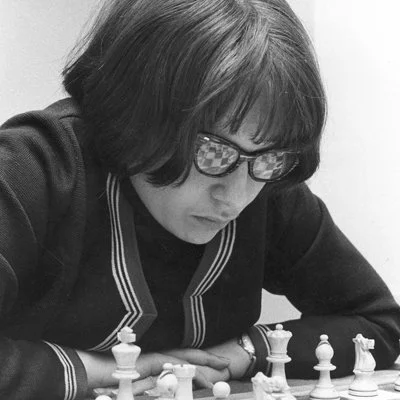
Alla Kushnir
Alla Kushnir was Nona Gaprindashvili’s principal challenger, contesting three women’s world championship matches and winning Olympiad gold for both the Soviet Union and Israel. Her later career as a classicist and numismatist gives her biography uncommon intellectual depth.
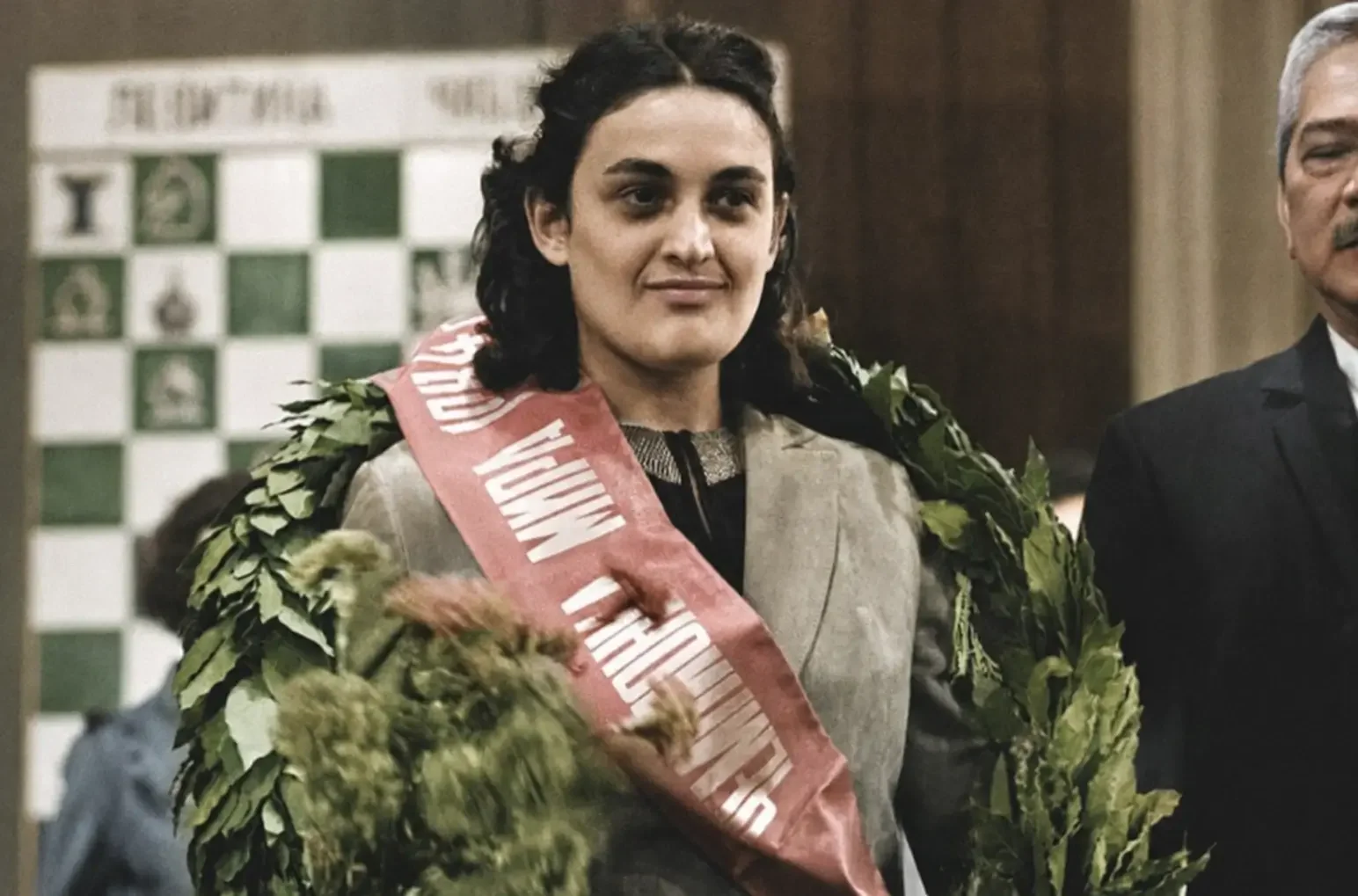
Maia Chiburdanidze
Maia Chiburdanidze became Women’s World Chess Champion at 17 and held the crown for 13 years. This profile examines her Georgian upbringing, Soviet career, playing style, Grandmaster title, Olympiad record, and lasting place in chess history.
Nona Gaprindashvili
Nona Gaprindashvili was women’s world chess champion from 1962 to 1978 and the first woman awarded FIDE’s Grandmaster title. This profile explores her Georgian upbringing, rise through Soviet chess, dynamic playing style, institutional work, later competitive achievements, and lasting influence on international chess.
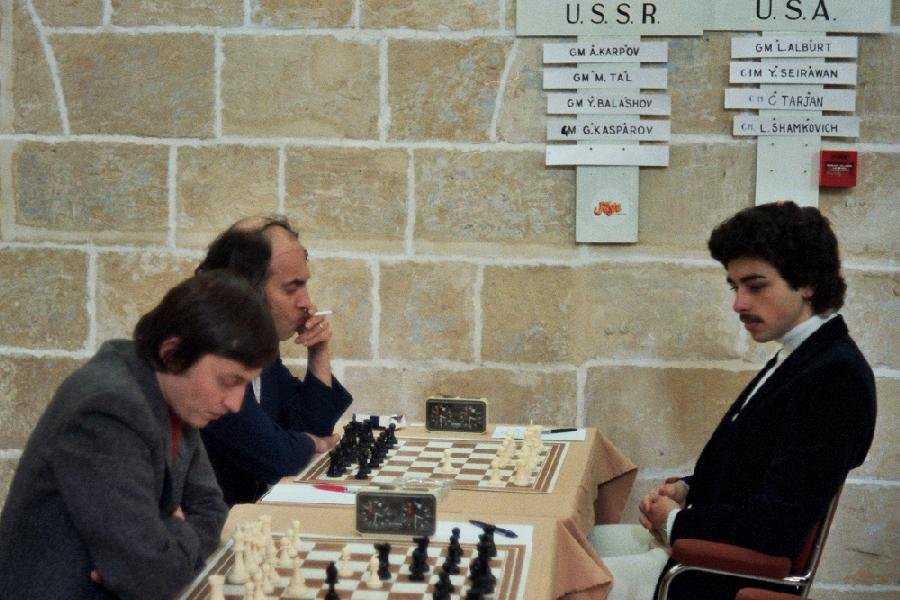
Valetta 1980
At the 1980 Chess Olympiad in Valletta, the Soviet Union reclaimed team gold after a tense tie with Hungary. Discover how Anatoly Karpov, Mikhail Tal, and 17-year-old Olympiad debutant Garry Kasparov contributed to one of chess history’s closest finishes.