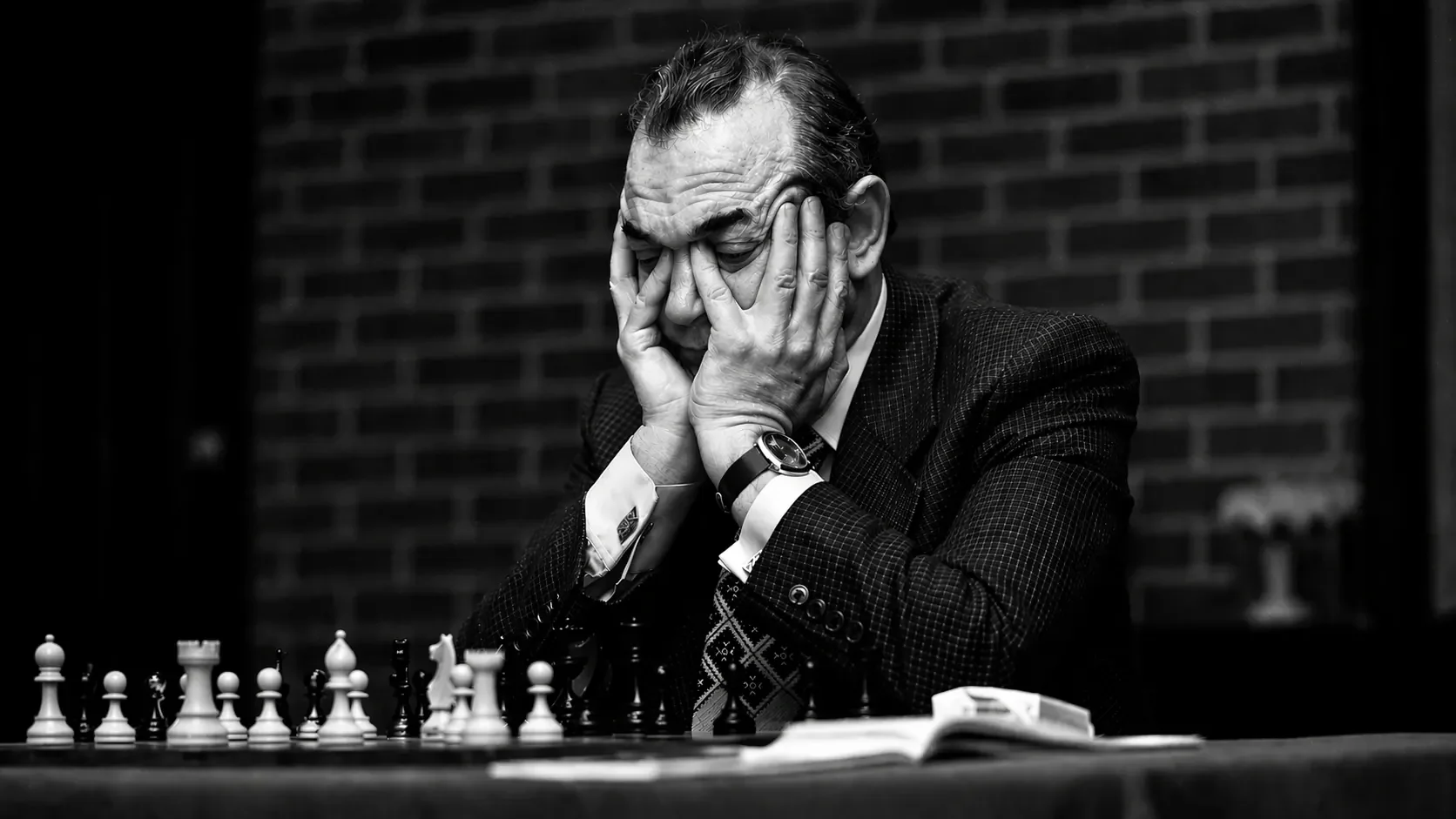
How the Early Soviet State Turned Chess Into a Tool
A look inside the origins of Soviet chess culture. These articles trace how early USSR institutions and political leaders transformed chess into a tool for education, discipline, and national development, setting the foundation for decades of dominance in world chess.

Lubomir Kavalek
Lubomir Kavalek was a leading Czechoslovak and American grandmaster whose career crossed the political and competitive boundaries of Cold War chess. This profile examines his early development, international achievements, rivalry with Soviet players, influential work as a trainer and writer, and enduring place in modern chess history.
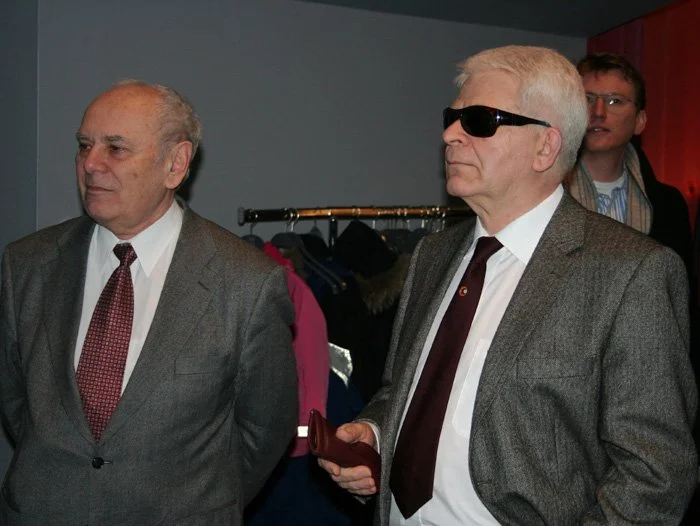
Lajos Portisch
Lajos Portisch was not a Soviet player, but for more than three decades he occupied a place Soviet chess could not ignore. Born in Zalaegerszeg in 1937, the Hungarian grandmaster rose through a chess culture rebuilding after the Second World War and became one of the most consistent challengers to the USSR’s postwar dominance.
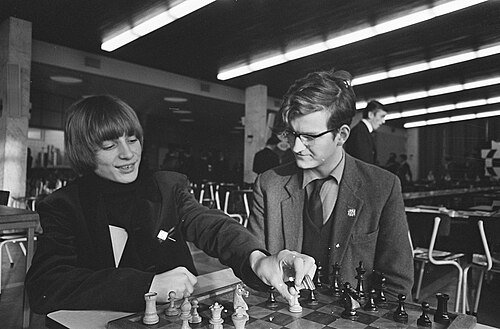
Ян Тимман
Jan Timman (1951-2026) rose from the Netherlands to become the leading non-Soviet challenger of his generation. This profile examines his early formation, Candidates’ campaigns, creative playing style, influential chess writing, and historical place among the strongest rivals faced by the Soviet chess elite.

The 1976 Euwe Schaakvierkamp
At the 1976 Euwe Schaakvierkamp in Amsterdam, Anatoly Karpov won Max Euwe’s seventy-fifth-birthday jubilee event ahead of Walter Browne, Jan Timman, and Fridrik Olafsson. This article explains the tournament’s organization, cultural setting, competitive meaning, and later place in chess memory.
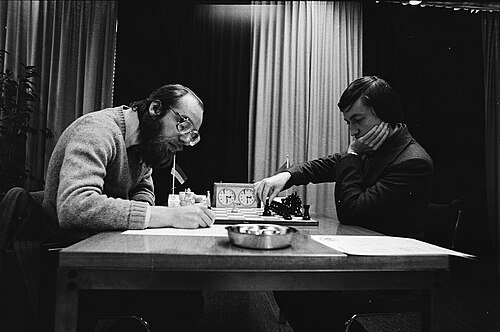
Tilburg 1979
Tilburg 1979 was one of the defining Interpolis chess tournaments of the late 1970s, bringing Anatoly Karpov, Oleg Romanishin, Lajos Portisch, Vlastimil Hort, Jan Timman, Vasily Smyslov, and other leading grandmasters into a compact Dutch arena. This article examines the event’s organization, field, Soviet relevance, competitive course, critical games, reception, and later historical assessment.
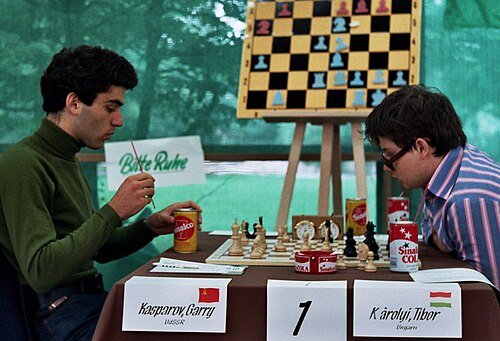
Garry Kasparov
A scholarly profile of Garry Kasparov, tracing his early life in Baku, rise through Soviet chess, world championship career, rivalry with Anatoly Karpov, contributions as an author and theoretician, and enduring place in chess history.

Anatoly Karpov
Anatoly Karpov became one of the defining figures in Soviet chess history through precision, positional mastery, and extraordinary competitive consistency. This profile examines his early development, rise to the world championship, rivalry era, post-Soviet career, playing style, public roles, and enduring place in chess culture.