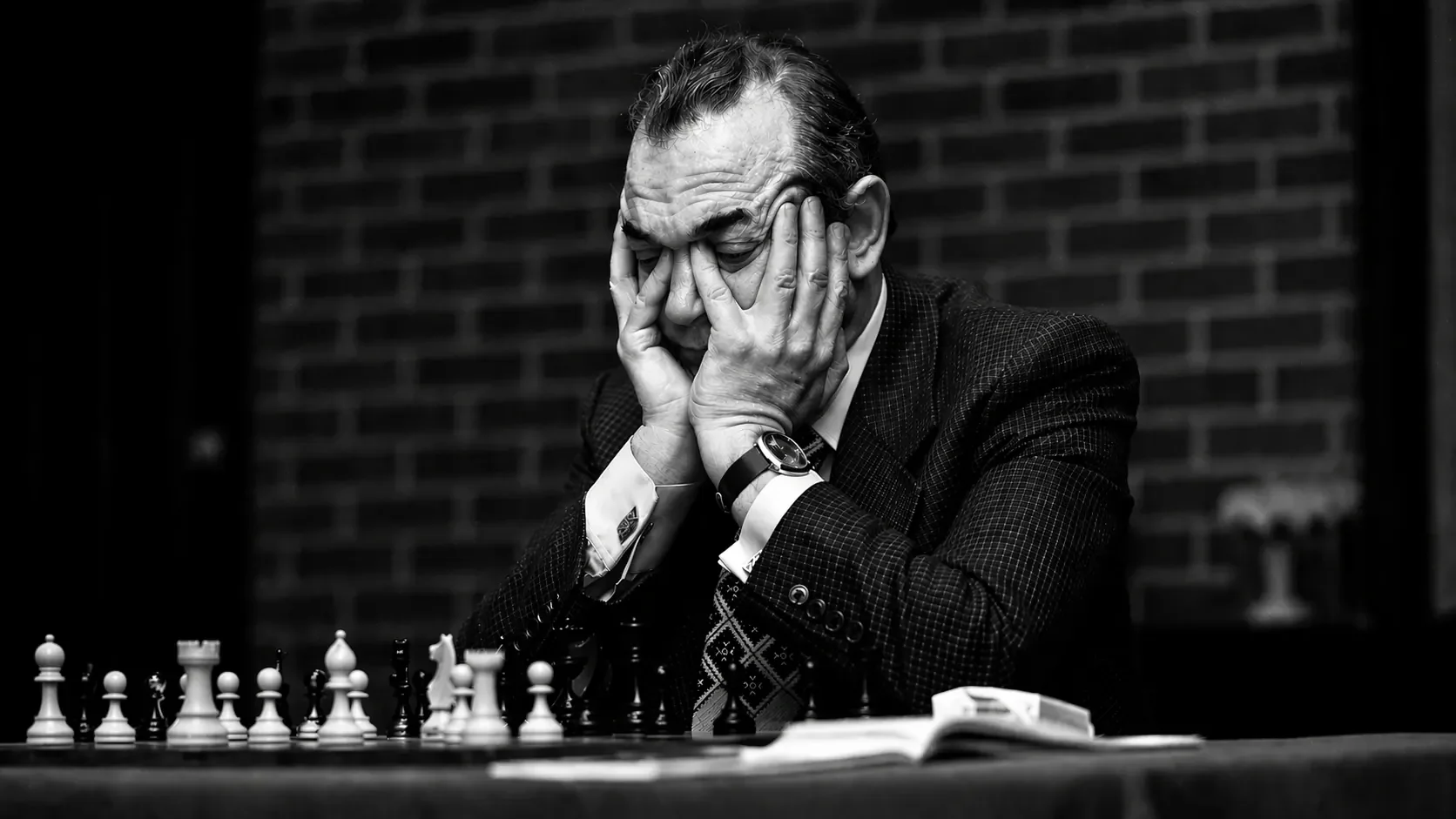
How the Early Soviet State Turned Chess Into a Tool
A look inside the origins of Soviet chess culture. These articles trace how early USSR institutions and political leaders transformed chess into a tool for education, discipline, and national development, setting the foundation for decades of dominance in world chess.
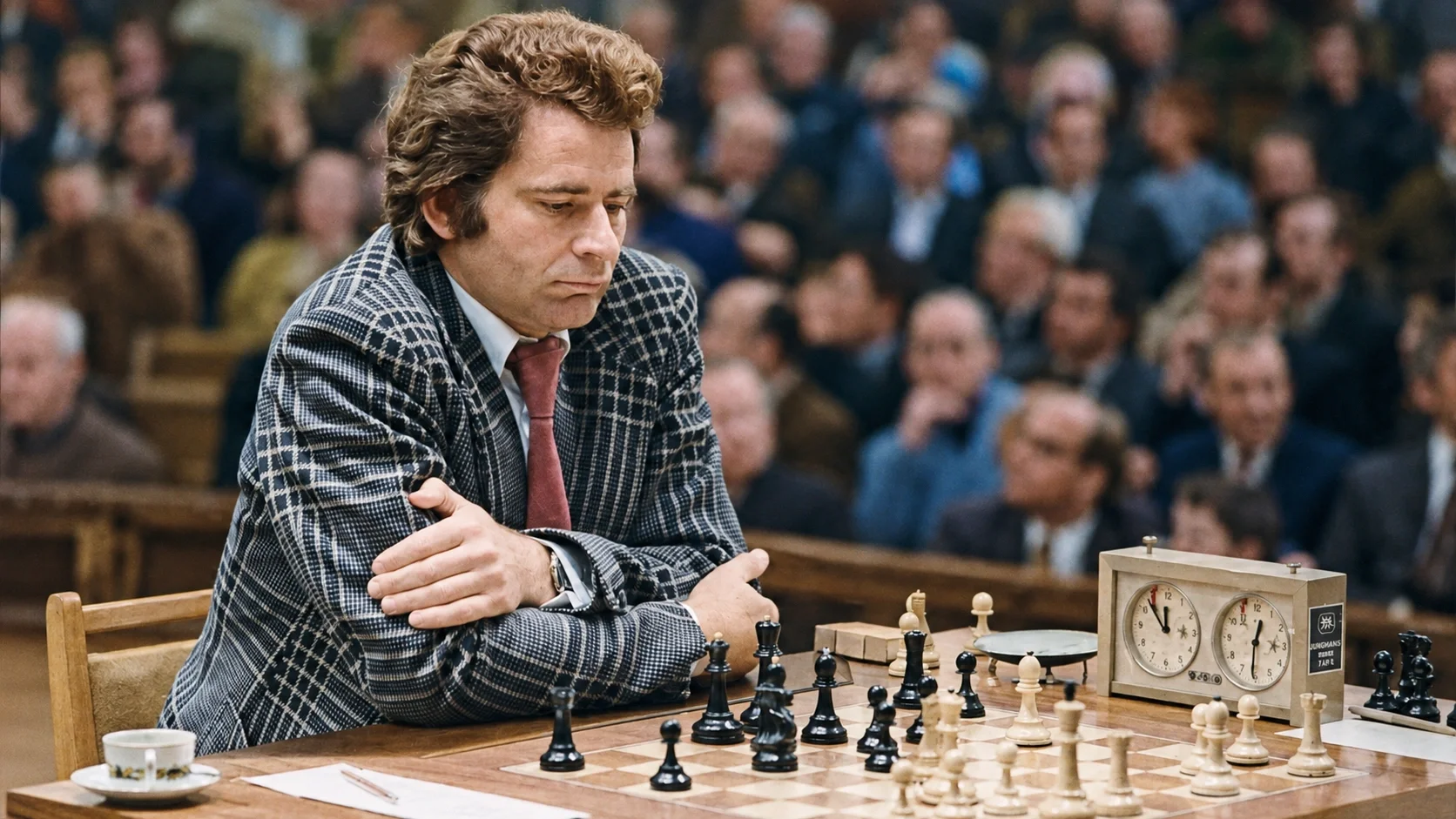
41st USSR Chess Championship
In October 1973, Moscow staged a championship that condensed almost the entire Soviet chess world into one hall. The 41st USSR Championship revealed how the Soviet system responded to Fischer’s 1972 triumph, why Spassky’s return to first place carried unusual force, and how the road from Botvinnik’s age to Karpov’s was already visible before the world title formally changed hands again.
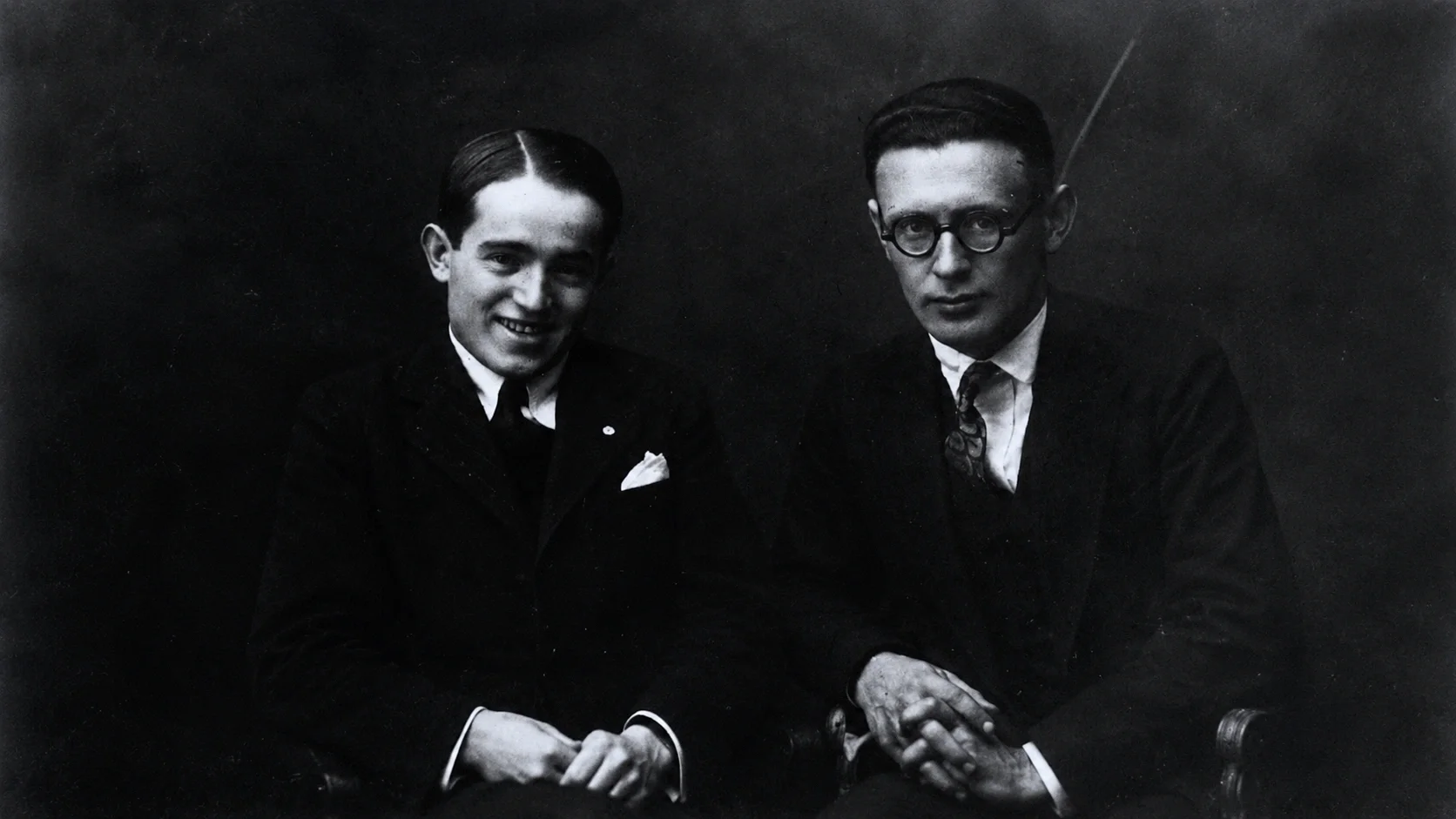
Salomon Flohr
Salo Flohr rose from the insecurity of a poor Jewish refugee childhood to become one of the strongest chess players of the interwar era, Czechoslovakia’s leading master, and a serious world championship contender before war and exile altered the course of his career. His legacy belongs to tournament success, Olympiad excellence, positional technique, endgame precision, opening theory, and Soviet chess journalism.
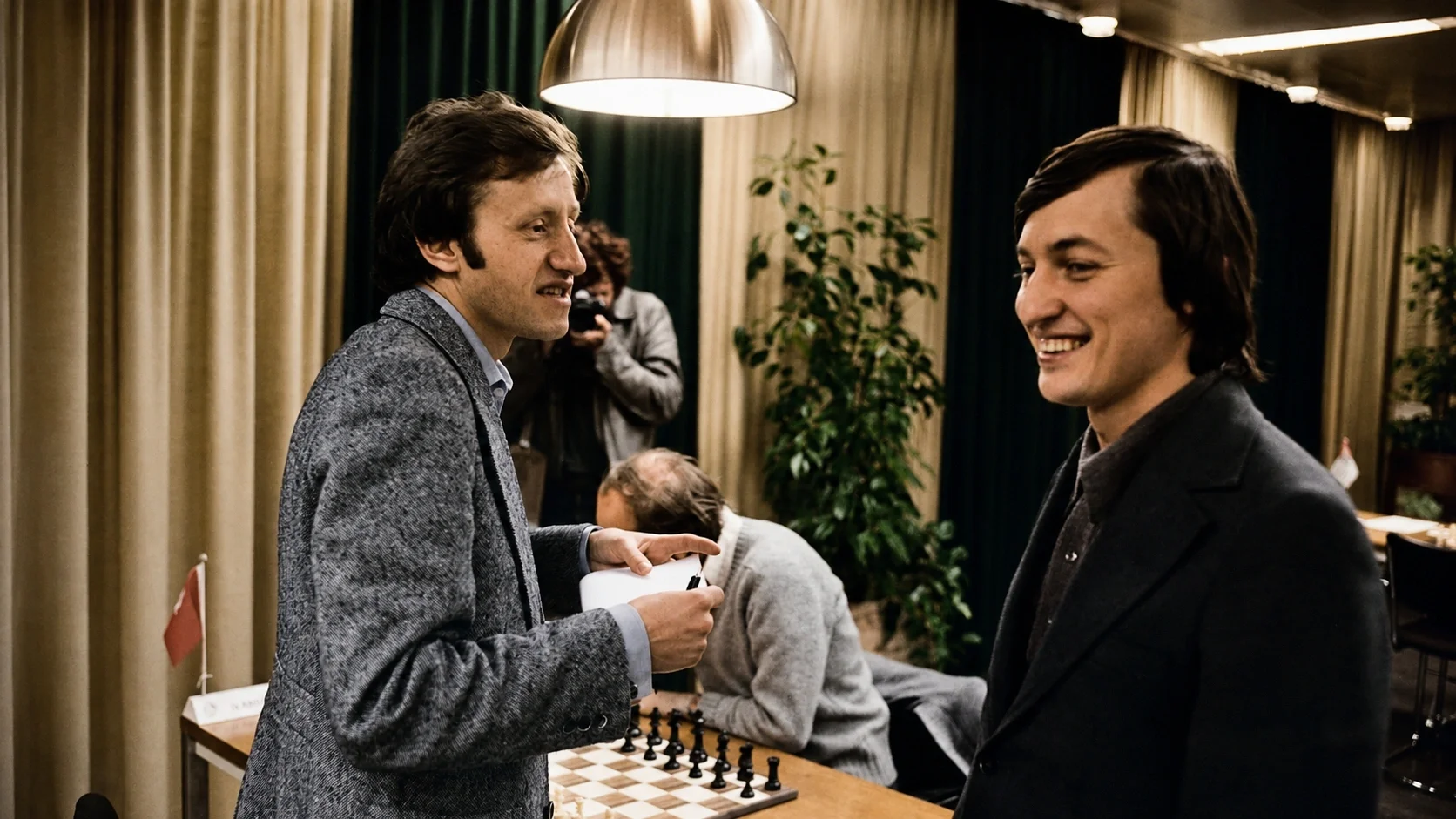
Oleg Romanishin
Oleg Romanishin emerged from Lviv’s rich chess culture as one of the Soviet school’s most imaginative grandmasters. This profile explores his rise, tournament career, theoretical contributions, creative style, Ukrainian legacy, and lasting place in chess history.
Vladimir Alatortsev
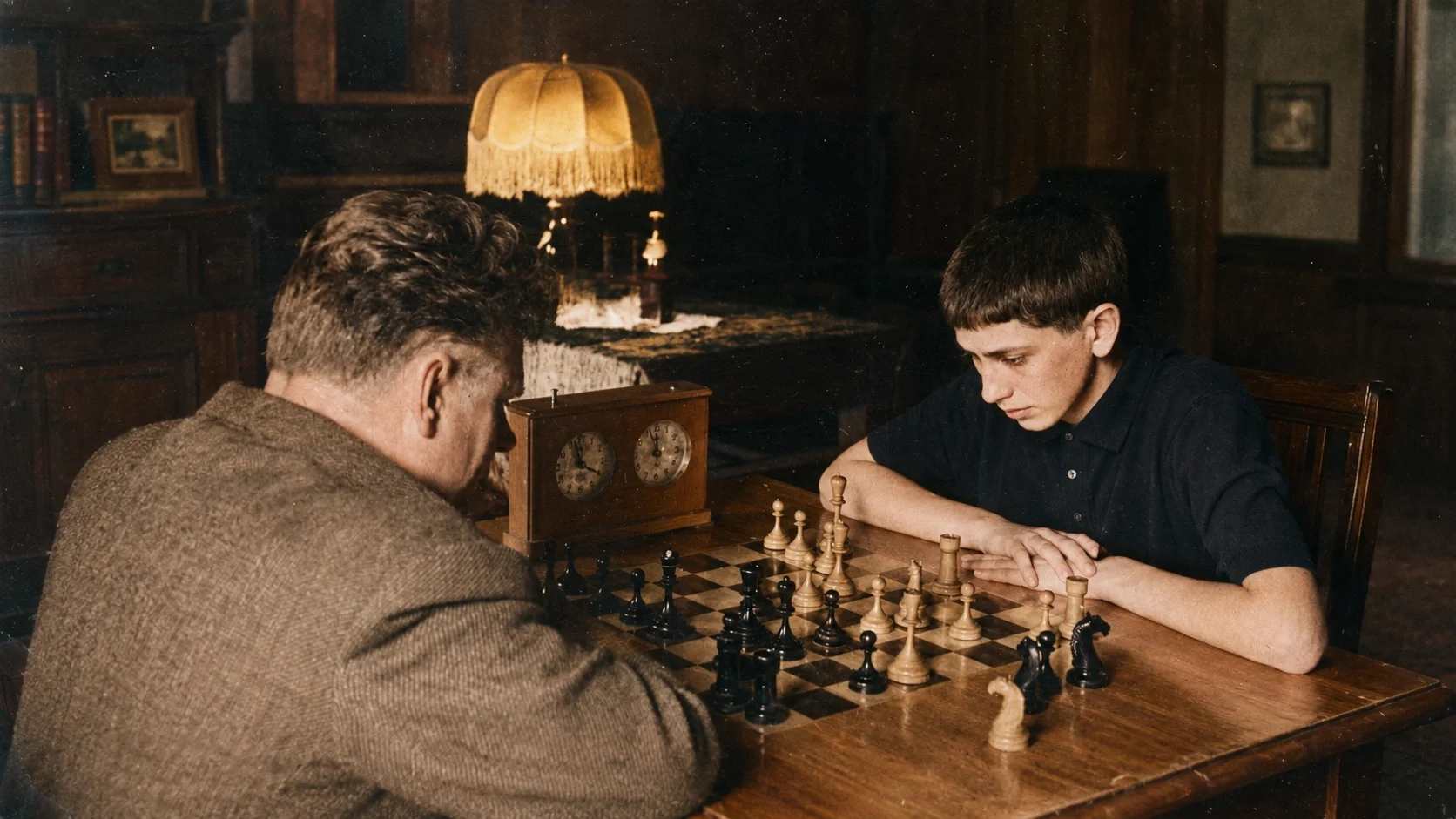
Vladimir Alatortsev was one of the quiet architects of Soviet chess. A leading master of the 1930s, a rival of Botvinnik, a trainer of Vasily Smyslov, and later a major organizer and theorist, Alatortsev helped shape the Soviet chess world from inside its institutions. His career reveals how Soviet chess dominance was built through competition, teaching, research, journalism, and disciplined organization.
Rafael Vaganian
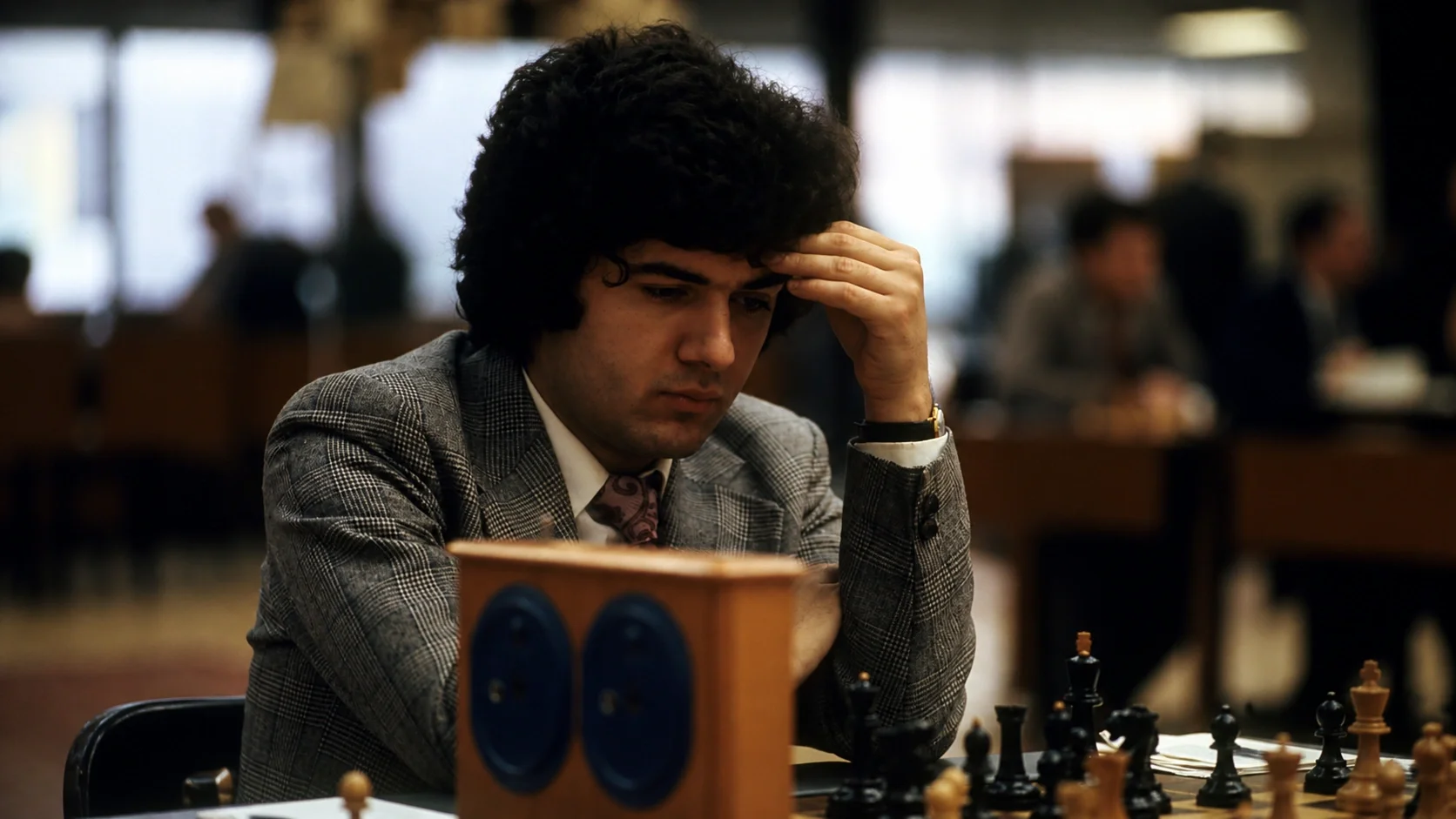
Rafael Vaganian stands among the great Soviet-Armenian grandmasters: a prodigy from Yerevan, a Soviet champion, a Candidates contender, and a lasting representative of Armenia’s chess tradition. This profile traces his rise through the Soviet school, his dynamic style, major tournament successes, team achievements, and enduring role in modern chess history.
Pioneer’s Palace
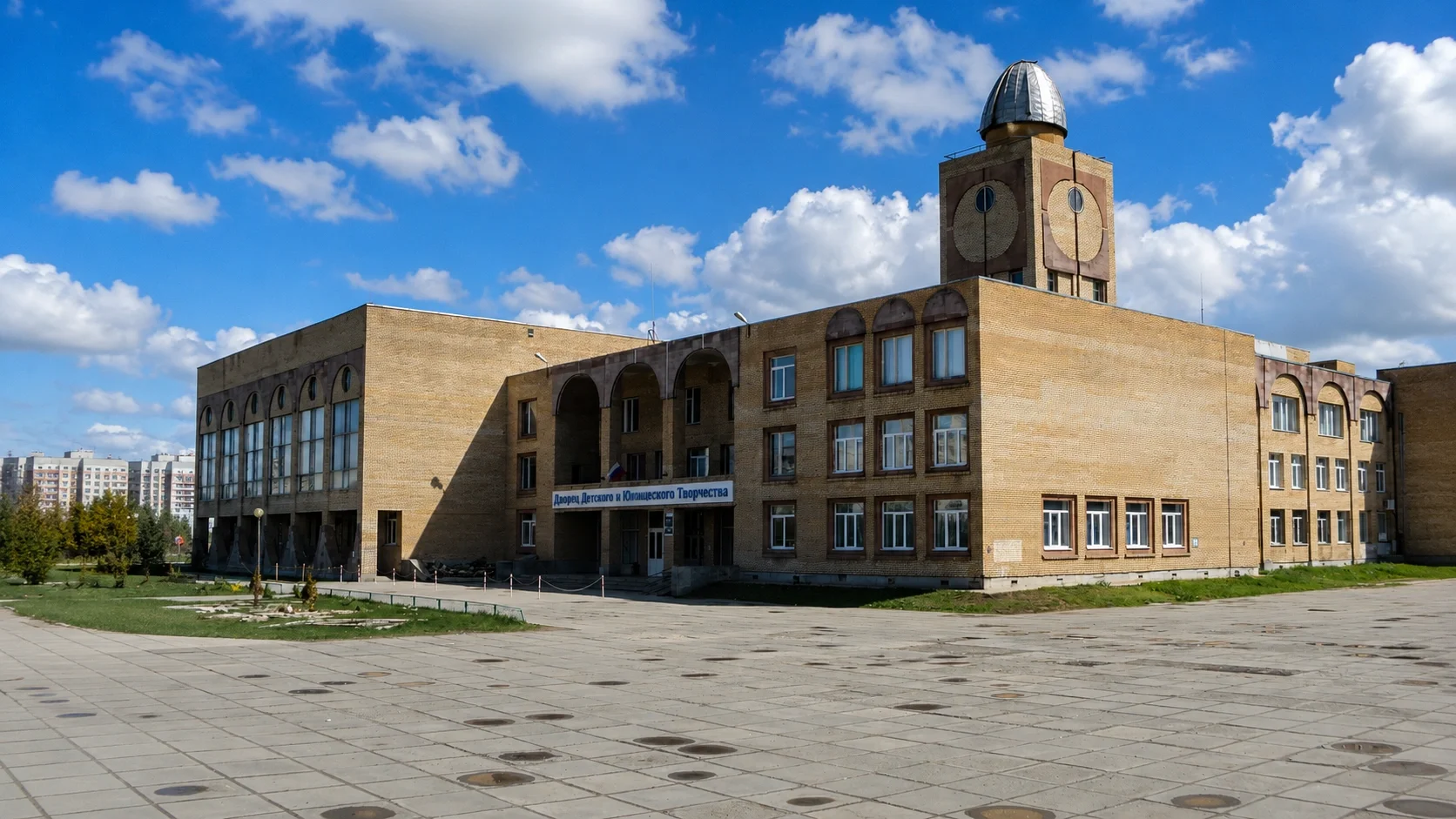
The Young Pioneer Palaces shaped Soviet childhood through education, ideology, science, culture, sport, and chess. This article traces their origins, role in the Soviet School of Chess, architectural evolution, and transformation after 1991.
Dynamic Chess Before Engines
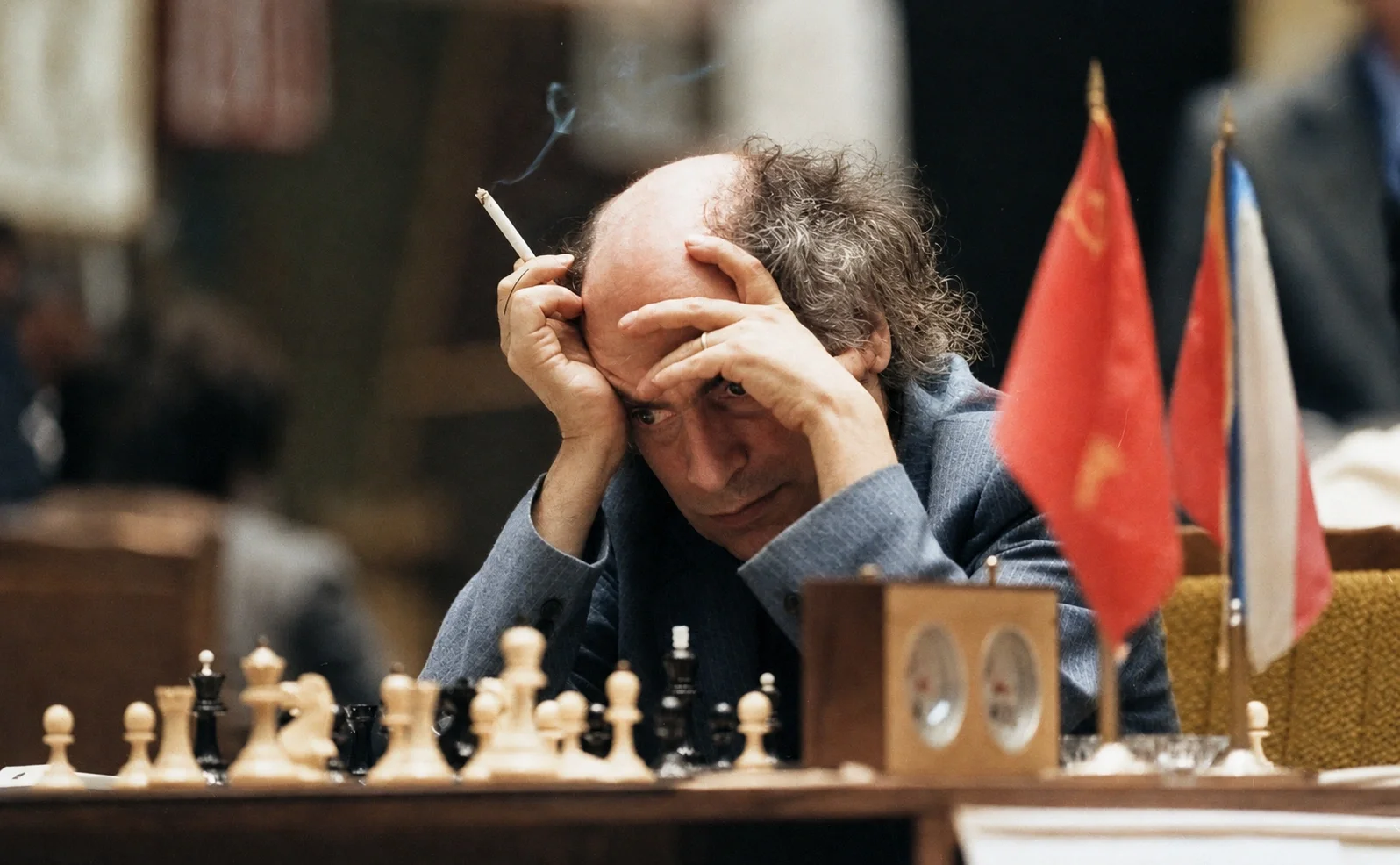
Mikhail Tal changed the way chess players understood sacrifice. His attacks were not merely spectacular. They exposed the human difficulty of defense and helped define the modern language of initiative, compensation, and practical pressure.
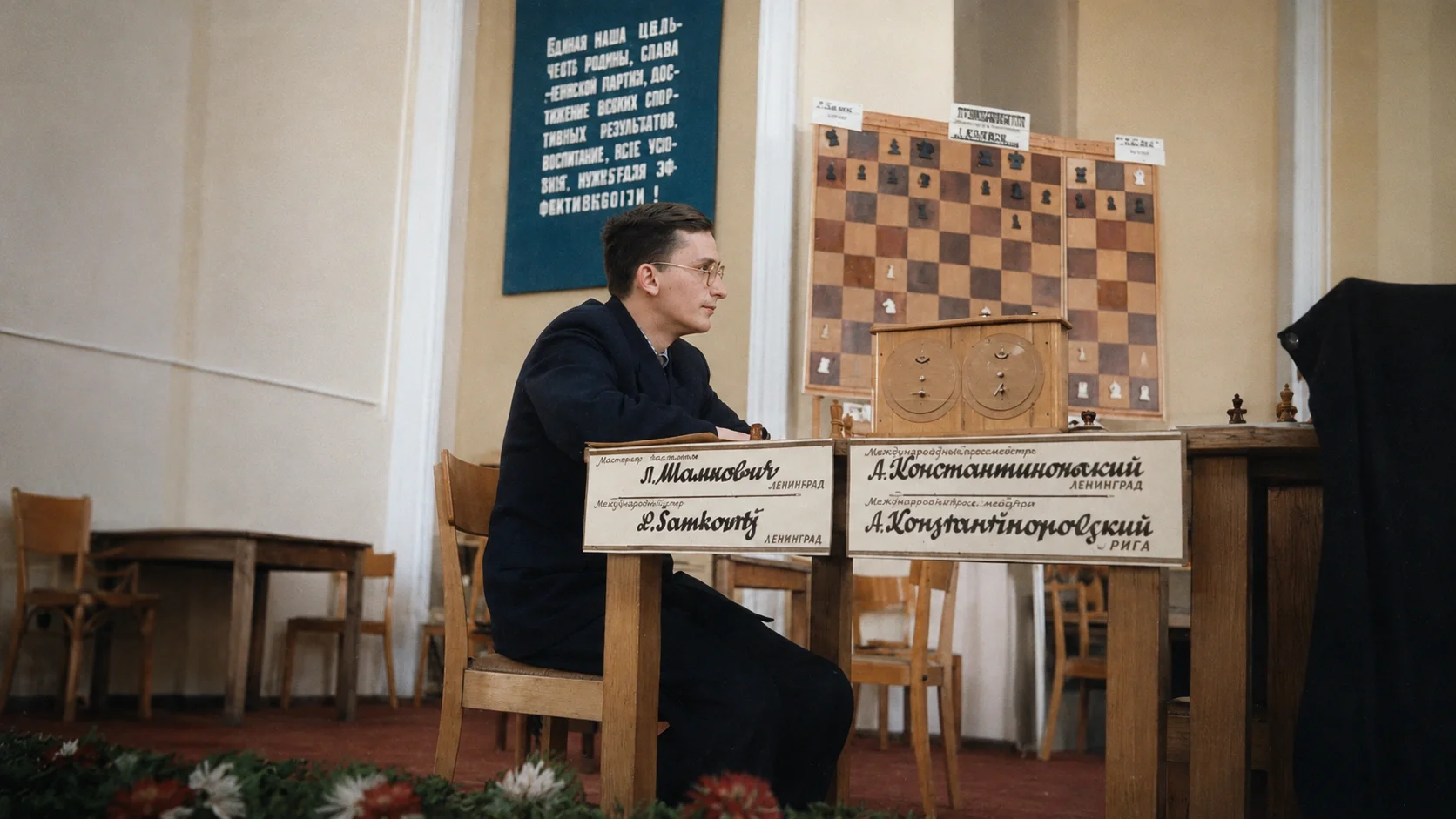
Leonid Shamkovich
Leonid Shamkovich was a Soviet-trained grandmaster whose career crossed some of the most important chess worlds of the twentieth century: postwar Soviet chess, elite opening theory, émigré chess culture, and American tournament life. Remembered as “The Prince” for his refined manner, Shamkovich became known for deep preparation, sharp tactical imagination, influential work in the Grünfeld Defense, and a long second career as an author, analyst, trainer, and U.S. Chess Hall of Fame inductee.
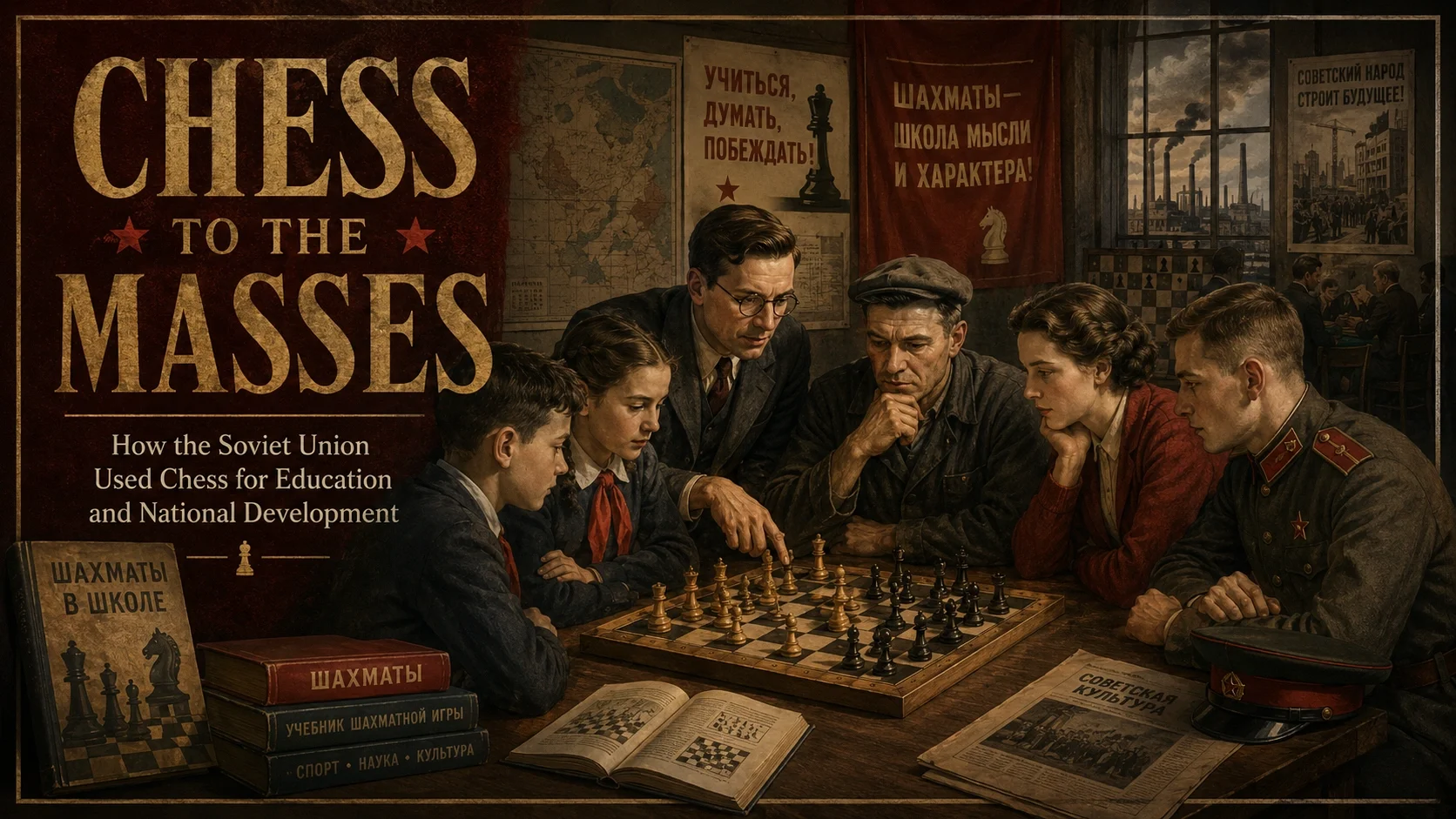
Chess to the Masses (Шахматы — в массы!)
“Chess to the masses” was one of the Soviet Union’s most influential cultural slogans. This article explores how chess moved from private clubs into schools, factories, military institutions, youth programs, and public life, becoming a tool of education, discipline, and national development.
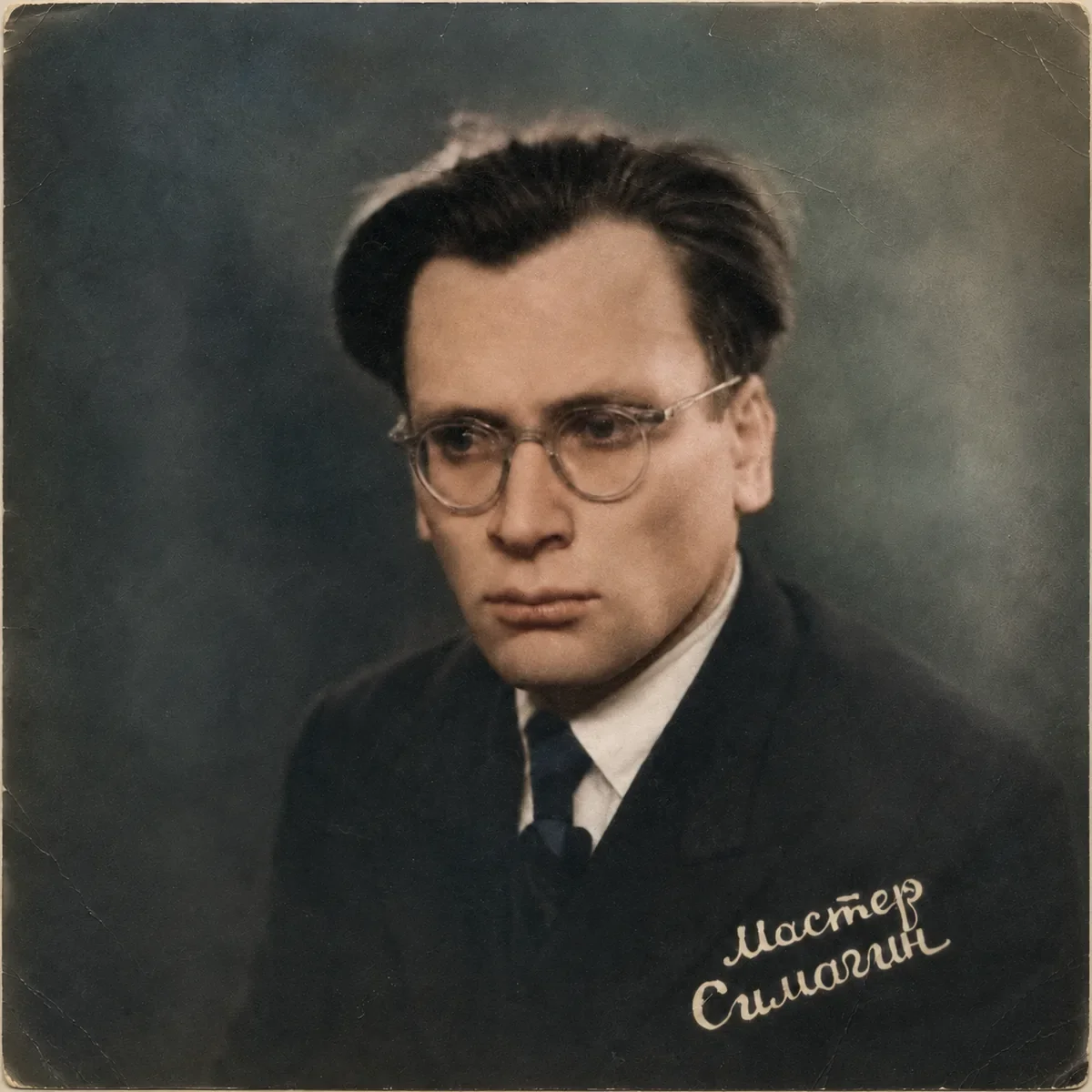
Vladimir Simagin
Vladimir Simagin was a Soviet grandmaster, Moscow champion, opening theorist, correspondence master, writer, and influential trainer. Known for his imaginative sacrifices and deep analytical style, he helped prepare elite players such as Vasily Smyslov while developing ideas that still appear in modern chess theory. Though less famous than many Soviet champions, Simagin remains one of the most original and important creative figures in Soviet chess history.
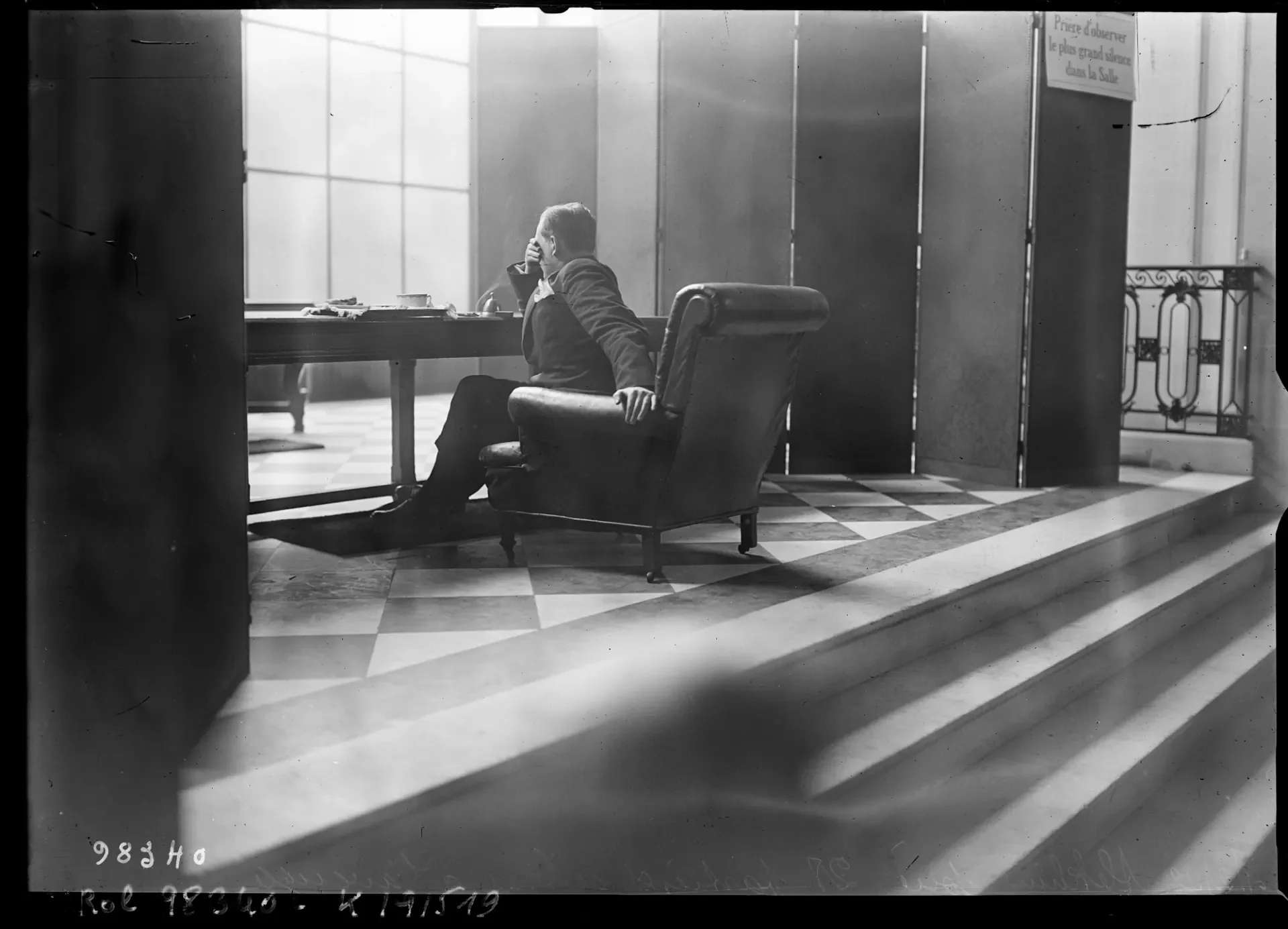
Alekhine’s Blindfold Simul in Paris 1925
In February 1925, Alexander Alekhine stunned Paris by playing 28 blindfold games at once inside the hall of Le Petit Parisien. Still two years from becoming World Champion, Alekhine turned memory, calculation, and endurance into public theater, scoring 22 wins, 3 draws, and 3 losses in one of the great blindfold exhibitions of chess history.
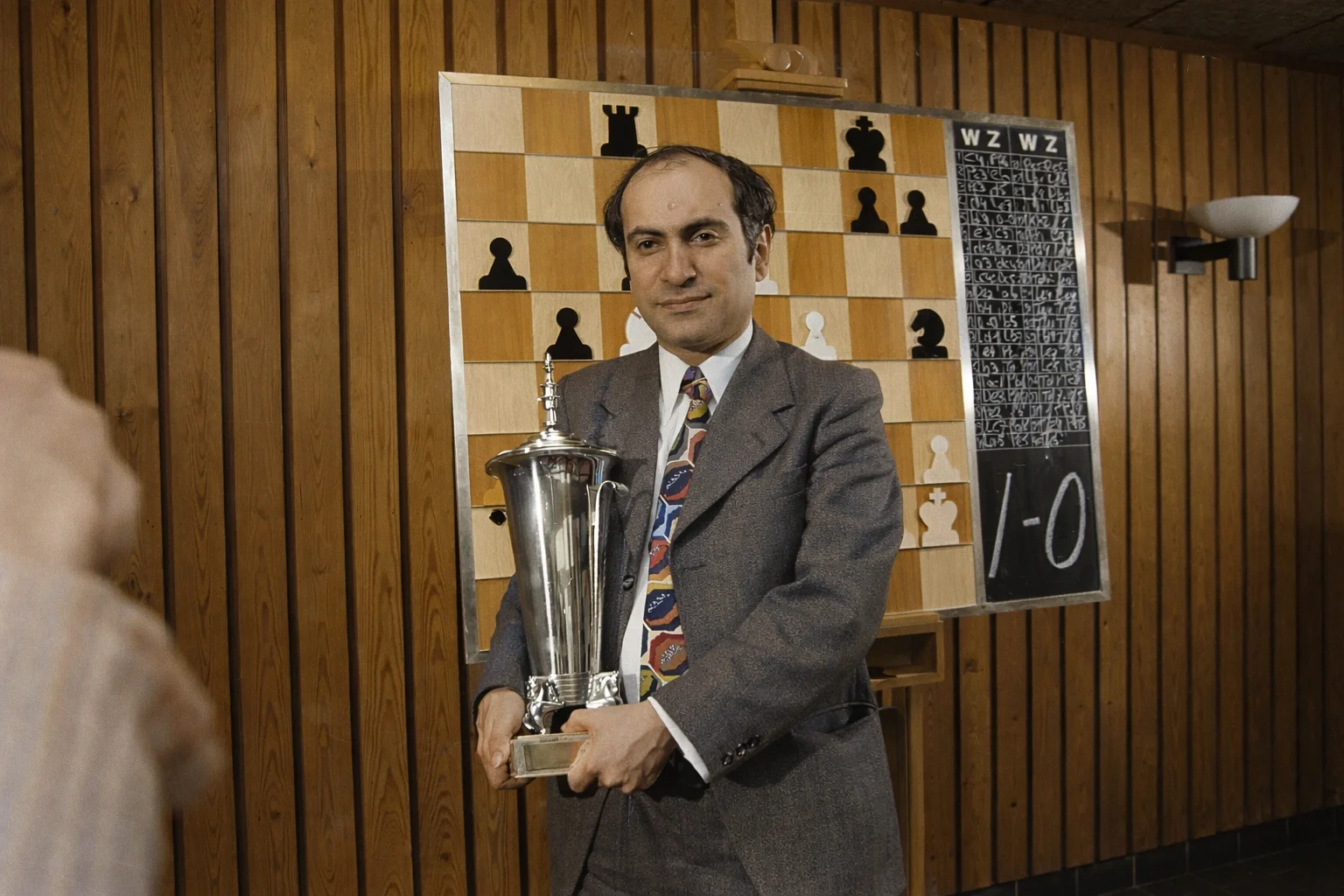
Mikhail Tal’s Victory at Wijk aan Zee 1973
In 1973, Mikhail Tal delivered one of the most compelling tournament victories of his career at the Wijk aan Zee Chess Tournament. Already established as a former world champion, Tal entered the event amid persistent health struggles and a changing competitive landscape. He finished undefeated with 10.5 out of 15, securing clear first place against a strong international field. What defined the performance was not only the result, but the method. Tal showed a refined balance between creativity and restraint, adapting his style to the demands of a long round robin tournament.
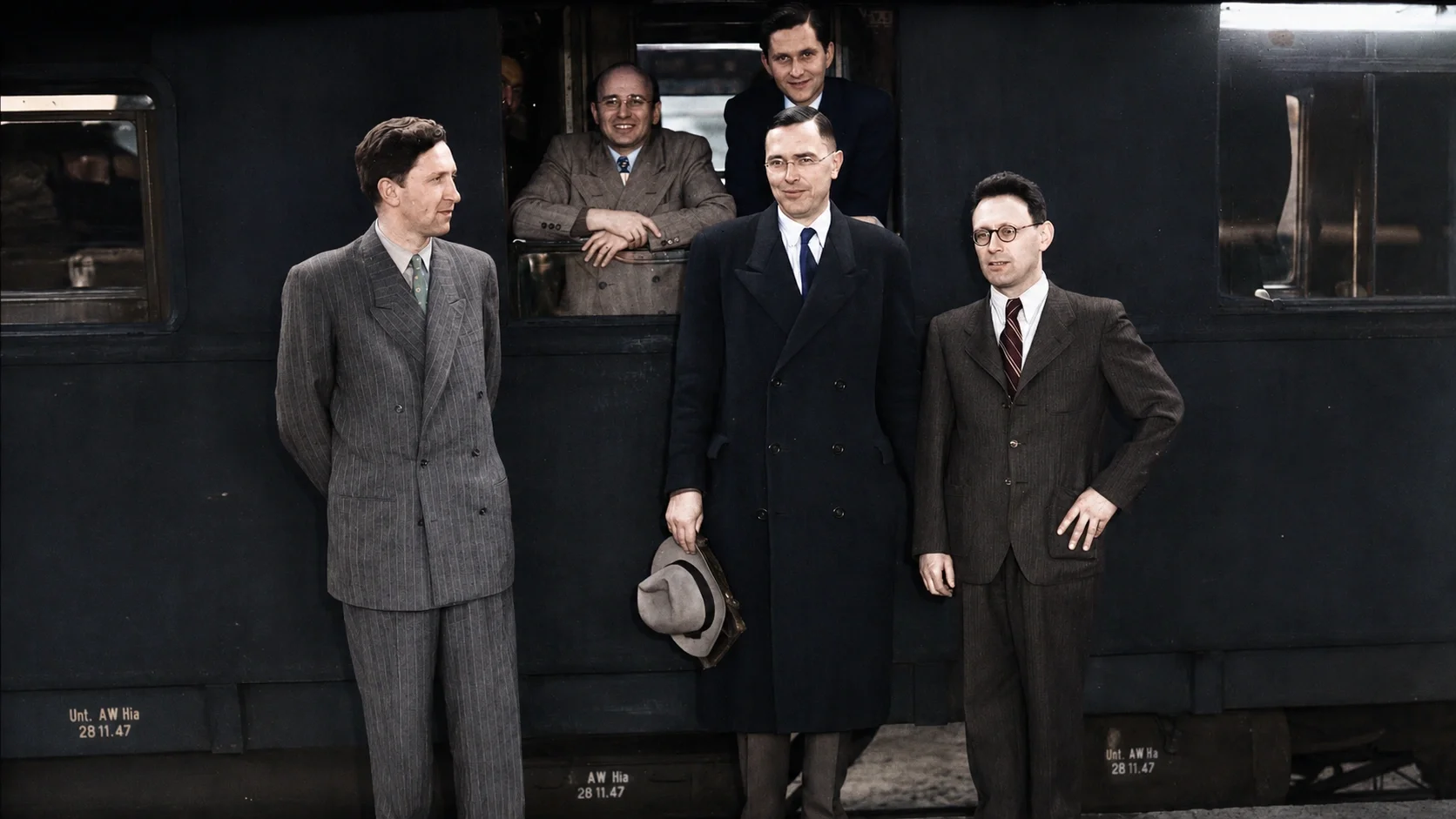
Vasily Smyslov
Vasily Smyslov was one of the essential figures of Soviet chess history: the seventh World Chess Champion, a master of positional clarity, and one of the greatest endgame players the game has ever known. From his rise in Moscow to his world championship victory over Mikhail Botvinnik in 1957, Smyslov embodied chess as an art of balance, logic, and harmony. His long career, musical gifts, Olympiad success, theoretical contributions, and enduring influence make him one of the most complete champions of the twentieth century.
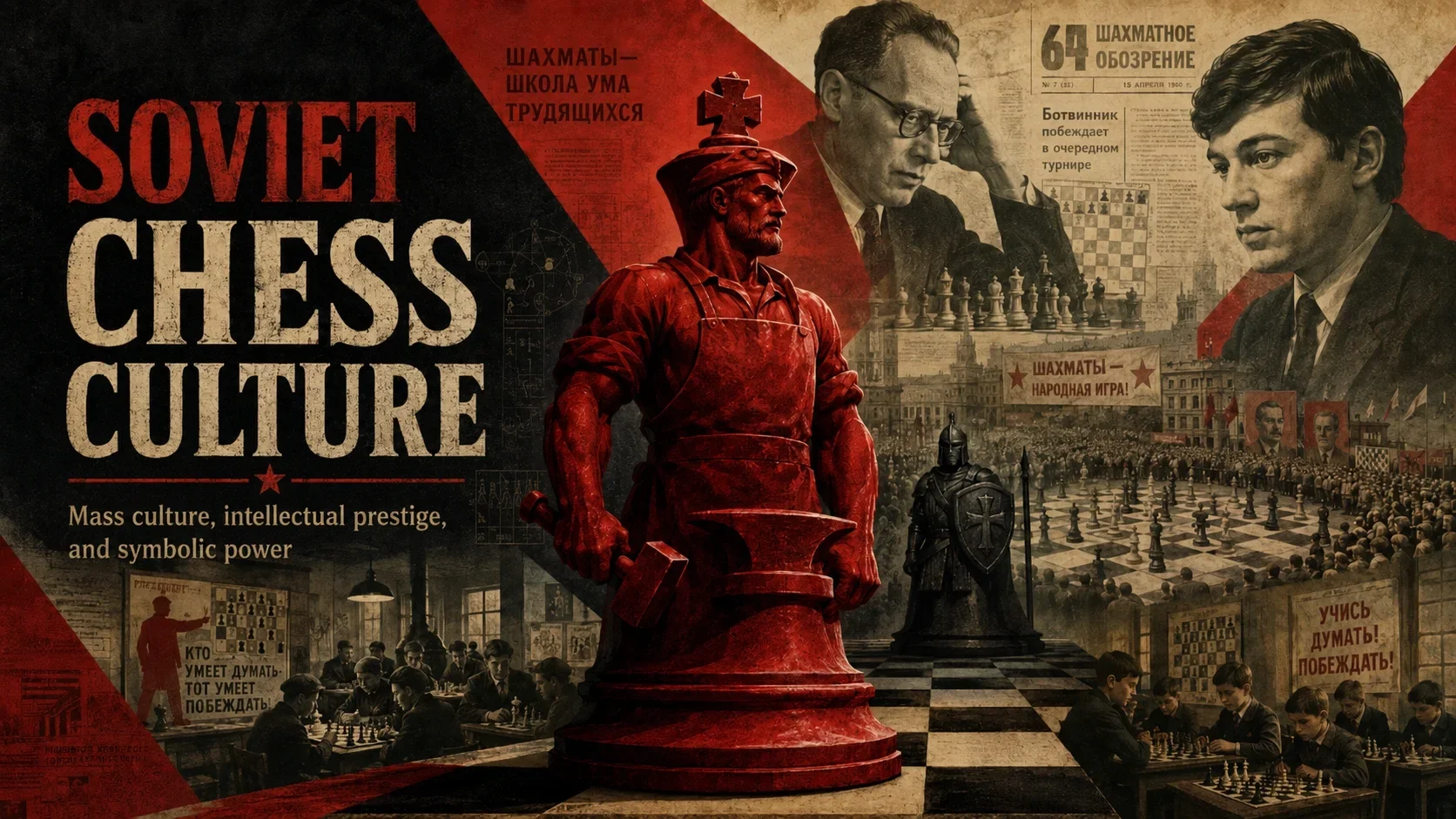
Soviet Chess Culture
The USSR made chess a civic language. Policy and media pushed “chess to the masses,” elite training turned champions into cultural envoys, Cold War matches served as soft‑power theater, and even boards and pieces carried messages—most vividly in the State Porcelain Factory’s “Reds vs Whites” set where a blacksmith confronts a skeletal “Capital.”
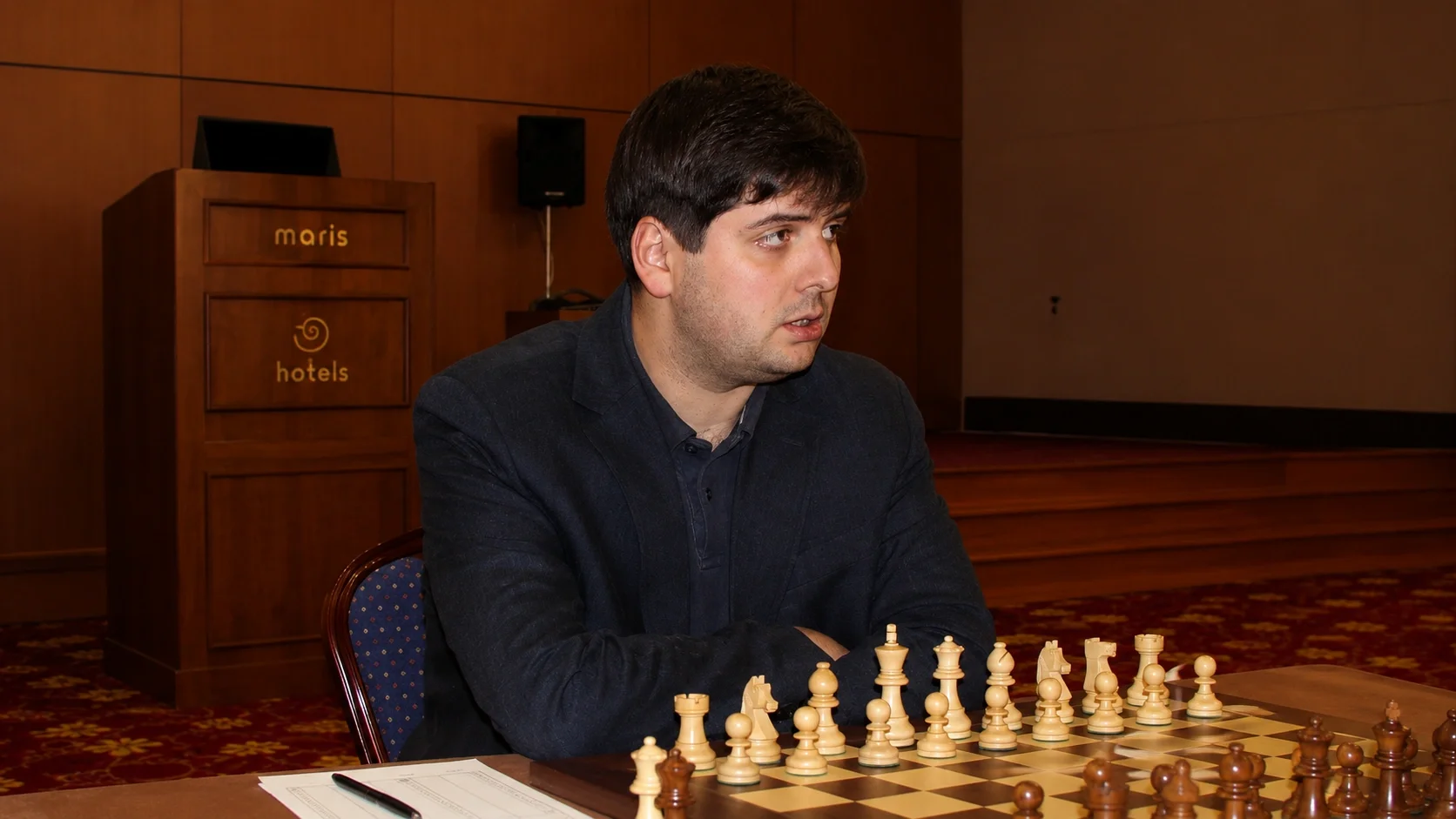
Peter Svidler
Peter Svidler stands among the defining grandmasters of post-Soviet chess. An eight-time Russian Champion, World Cup winner, Candidates contender, Olympiad gold medalist, and one of the game’s most respected commentators, Svidler’s career links elite competition with analysis, wit, scholarship, and modern chess culture.
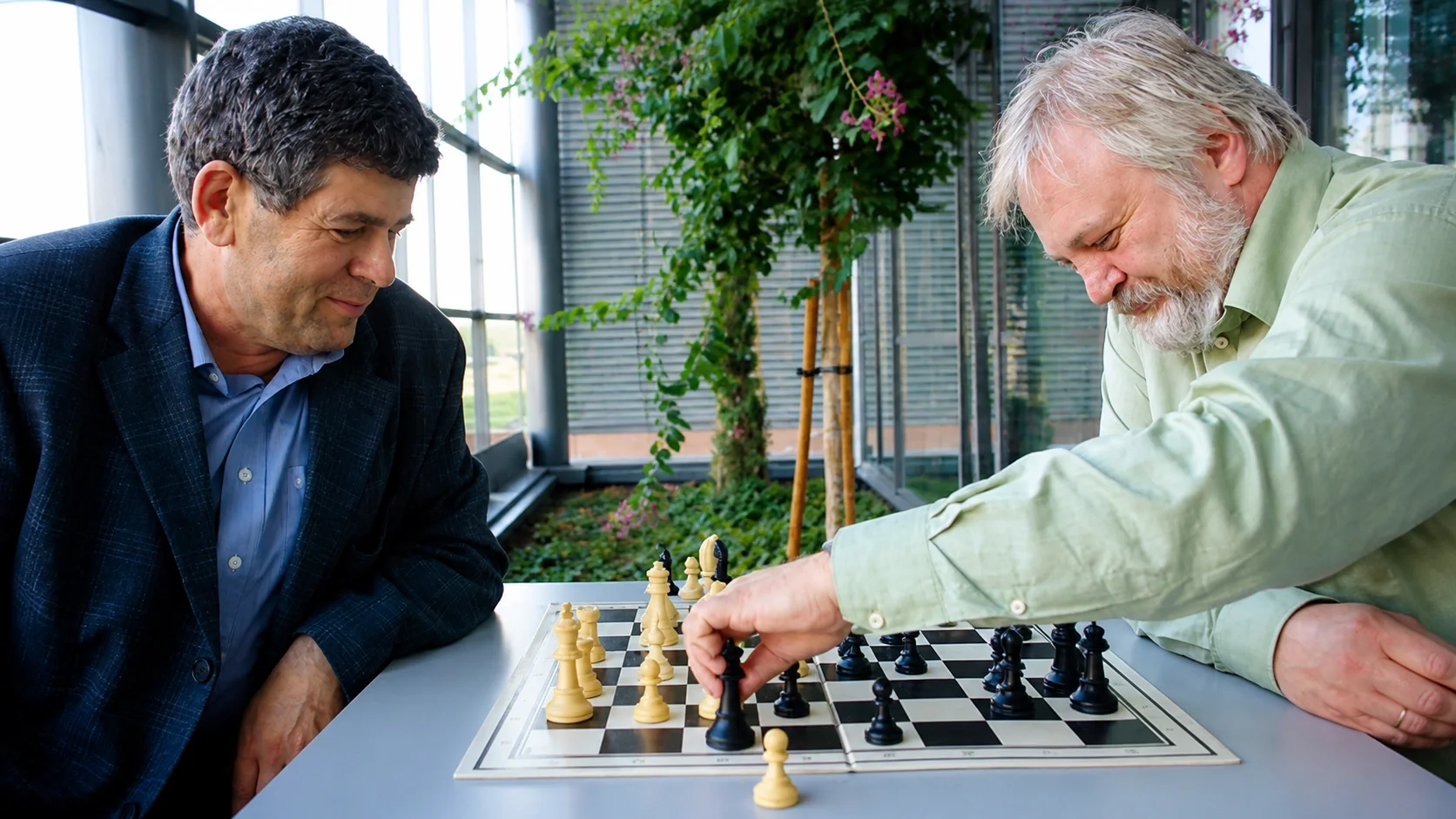
Mark Dvoretsky
Mark Dvoretsky was one of the most influential chess trainers of the Soviet and post-Soviet era. An International Master, Honored Trainer, author, and mentor to elite grandmasters, he transformed chess education through rigorous calculation work, endgame study, disciplined self-analysis, and a demanding intellectual approach that shaped generations of serious players.
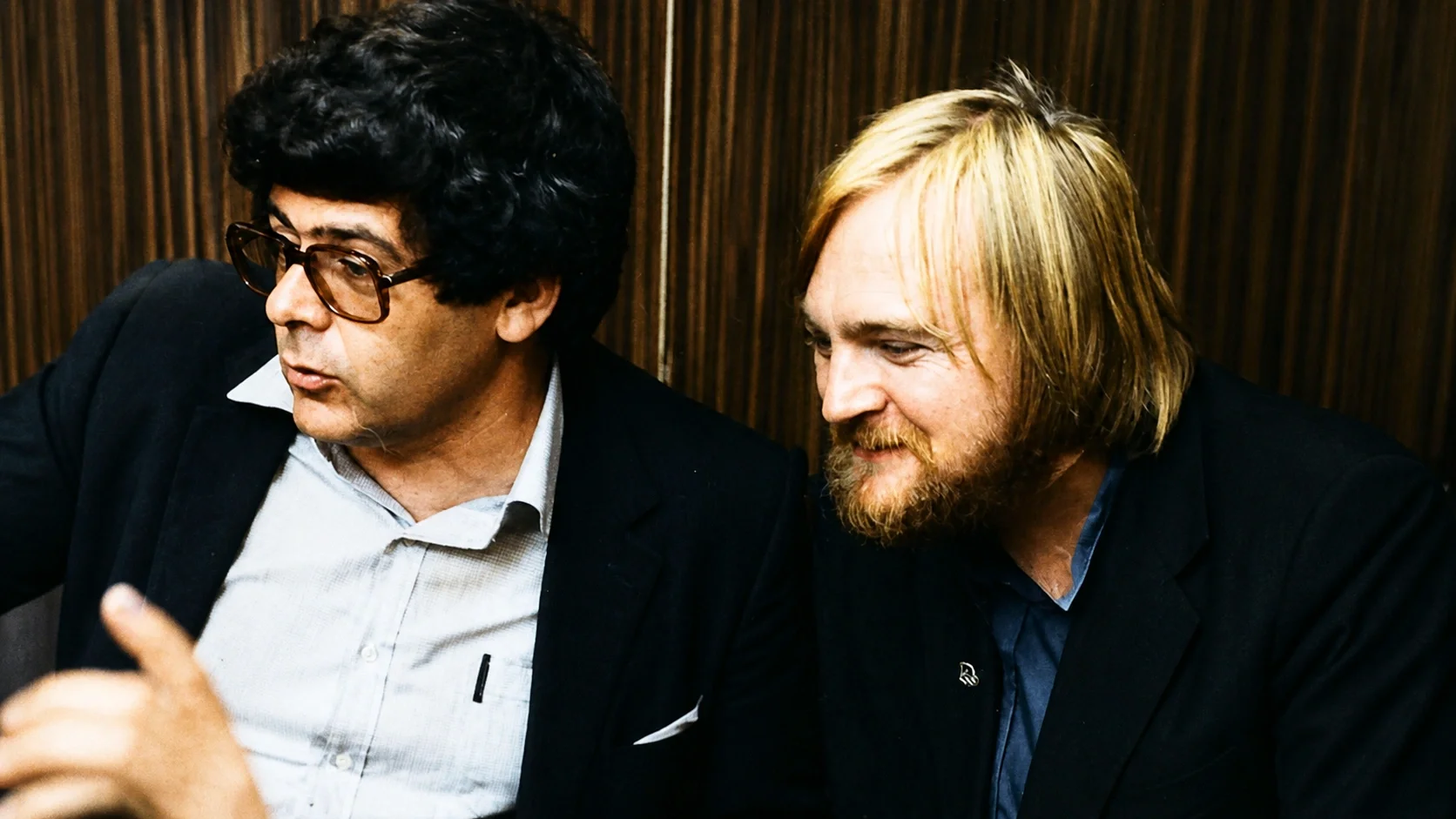
Artur Yusupov
Artur Yusupov (b. 1960) learned chess at Moscow’s Young Pioneers’ Palace and rose to prominence by winning the 1977 World Junior Championship and reaching the Candidates’ semifinals three times. After a near-fatal burglary in 1990, he moved to Germany, where he balanced tournament success with teaching and authored a landmark nine-volume training series. Today, he is celebrated as both a Soviet-born grandmaster and an influential trainer whose students include Peter Svidler and Sergei Movsesian
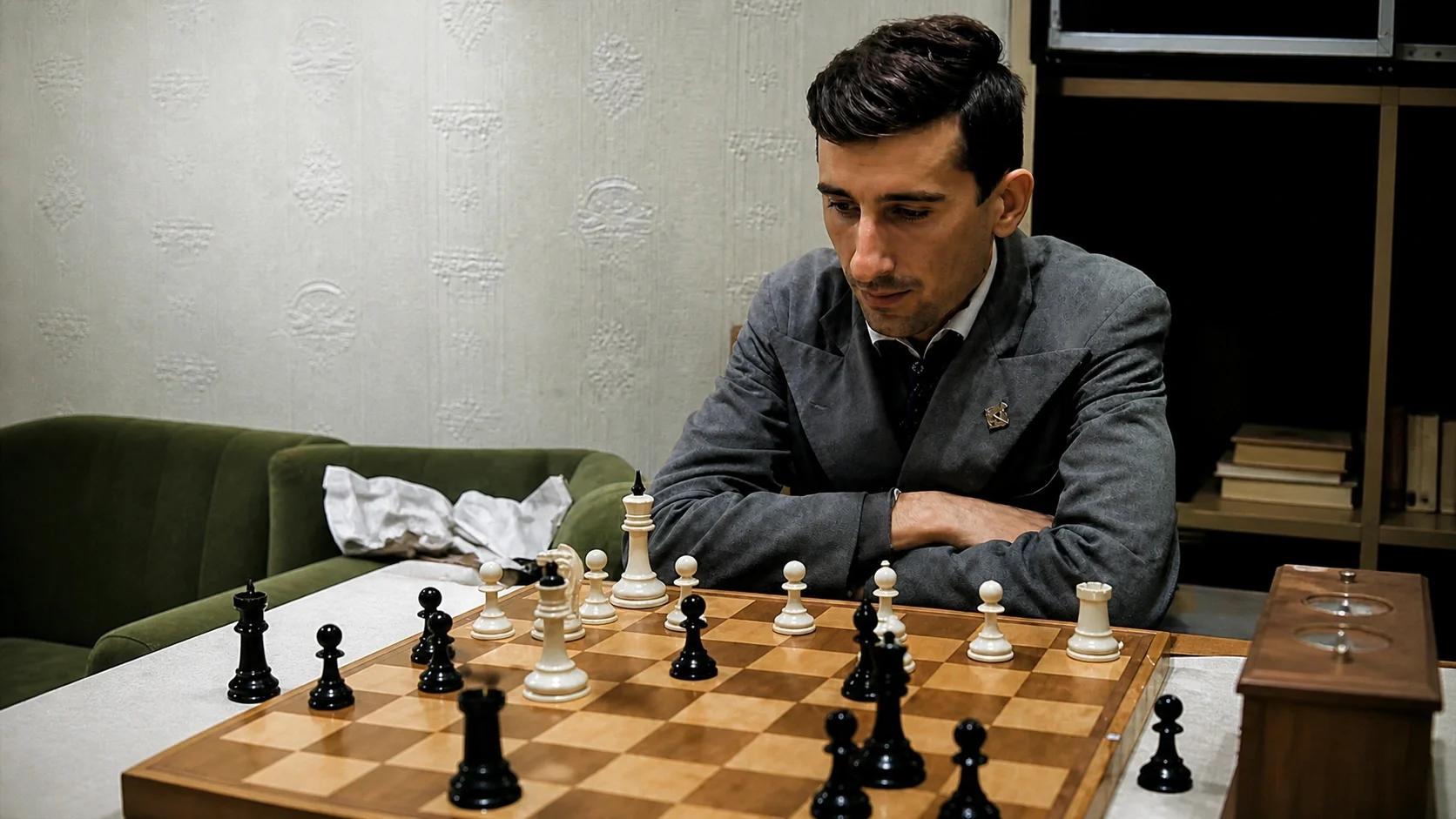
Igor Bondarevsky
Igor Bondarevsky was more than a Soviet grandmaster. He was a 1940 USSR co-champion, a respected opening theoretician, an author, and the trainer who helped shape Boris Spassky’s rise to the World Championship. This profile examines his life, playing career, coaching methods, and lasting influence on Soviet chess.
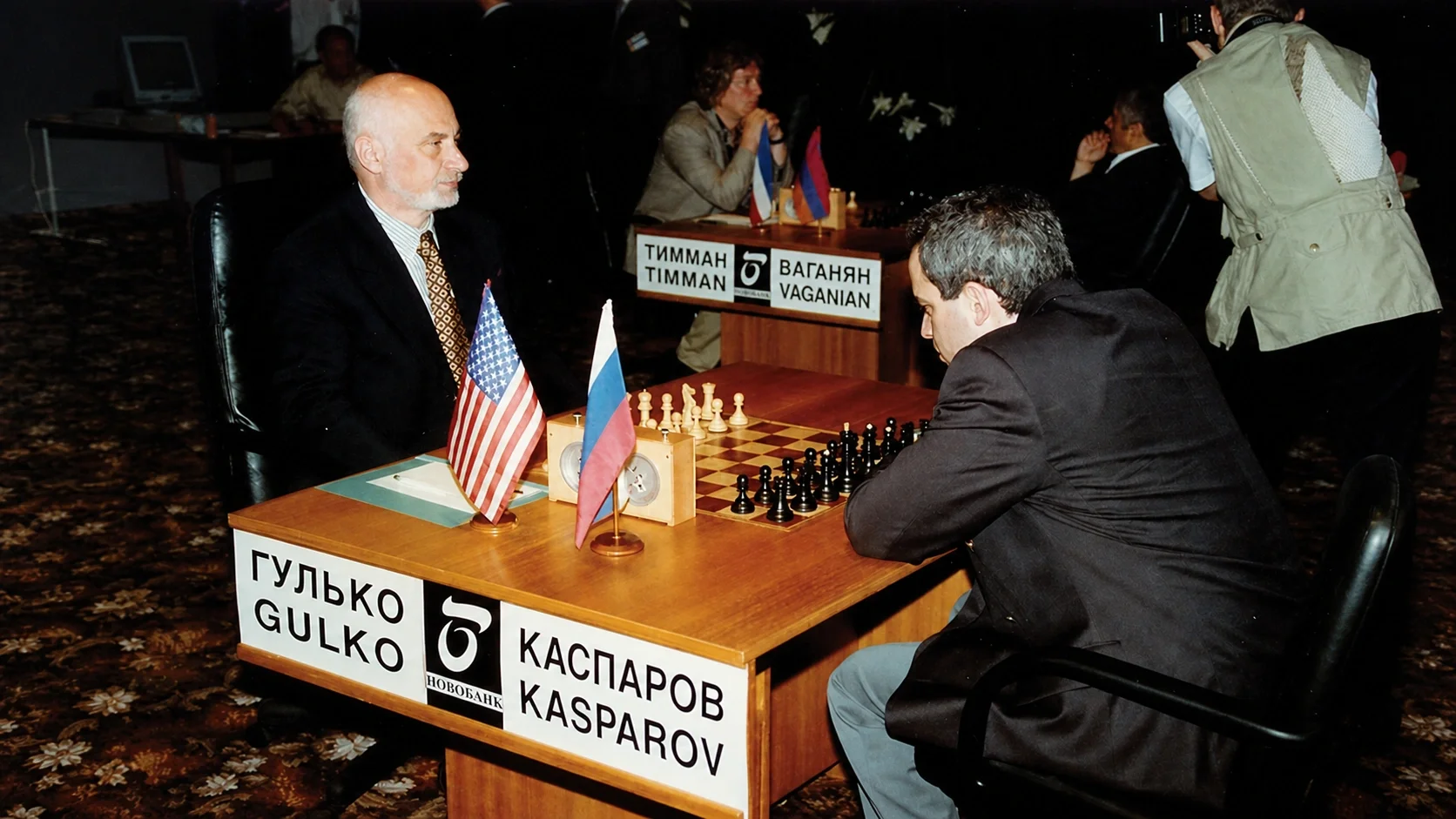
Boris Gulko
Boris Gulko is the only player to win both the Soviet and U.S. Chess Championships. His story joins elite chess, political courage, emigration, and decades of teaching in America.
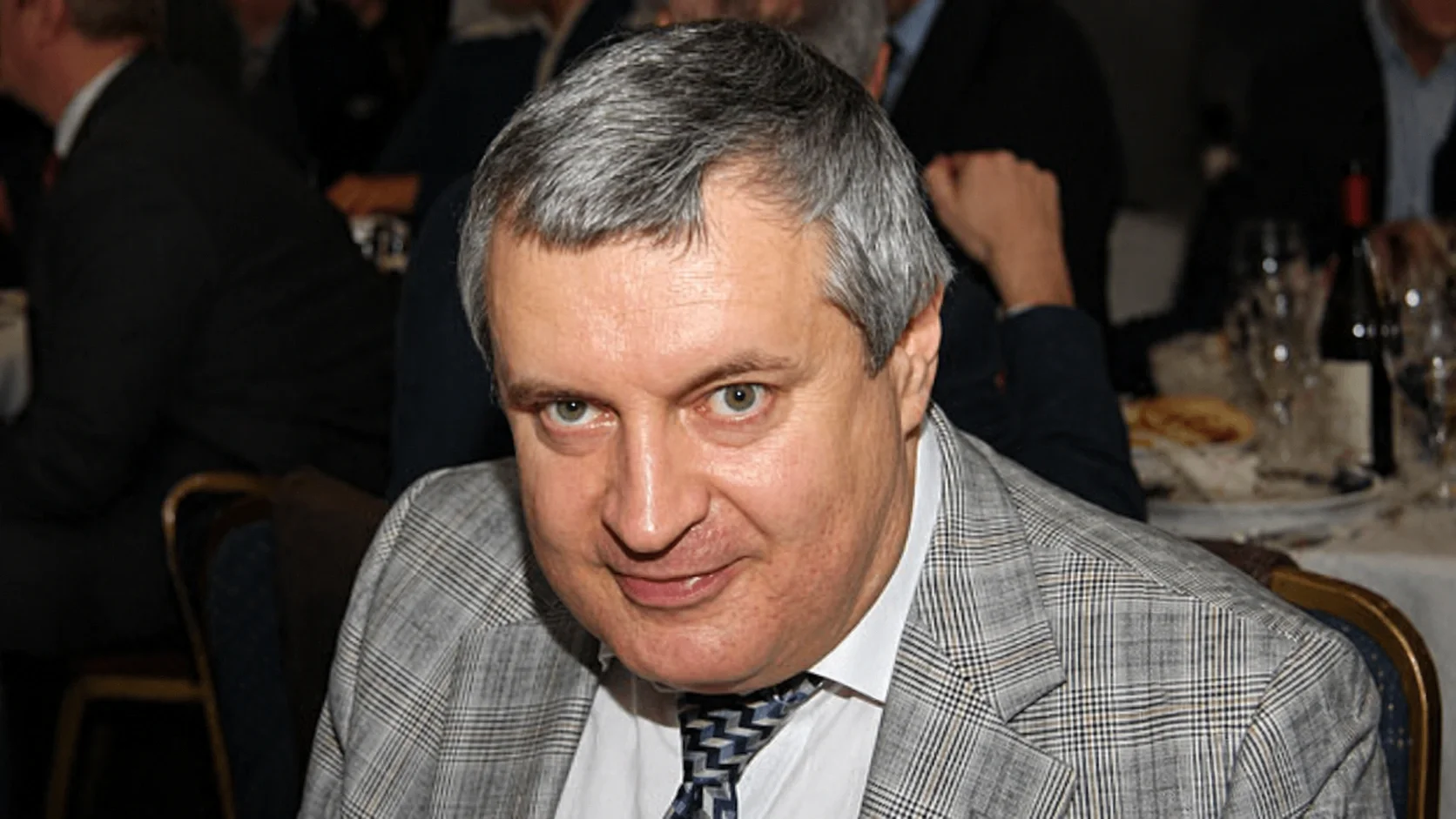
Alexander Chernin
Alexander Chernin stands as one of the most formidable yet underrecognized figures of late Soviet chess. A co-champion of the USSR in 1985 and a Candidates contender, his career reflects the extraordinary depth of the Soviet chess system. Beyond his tournament successes, Chernin emerged as a leading theoretician and trainer, shaping future generations of elite players and extending the intellectual legacy of Soviet chess into the modern era.