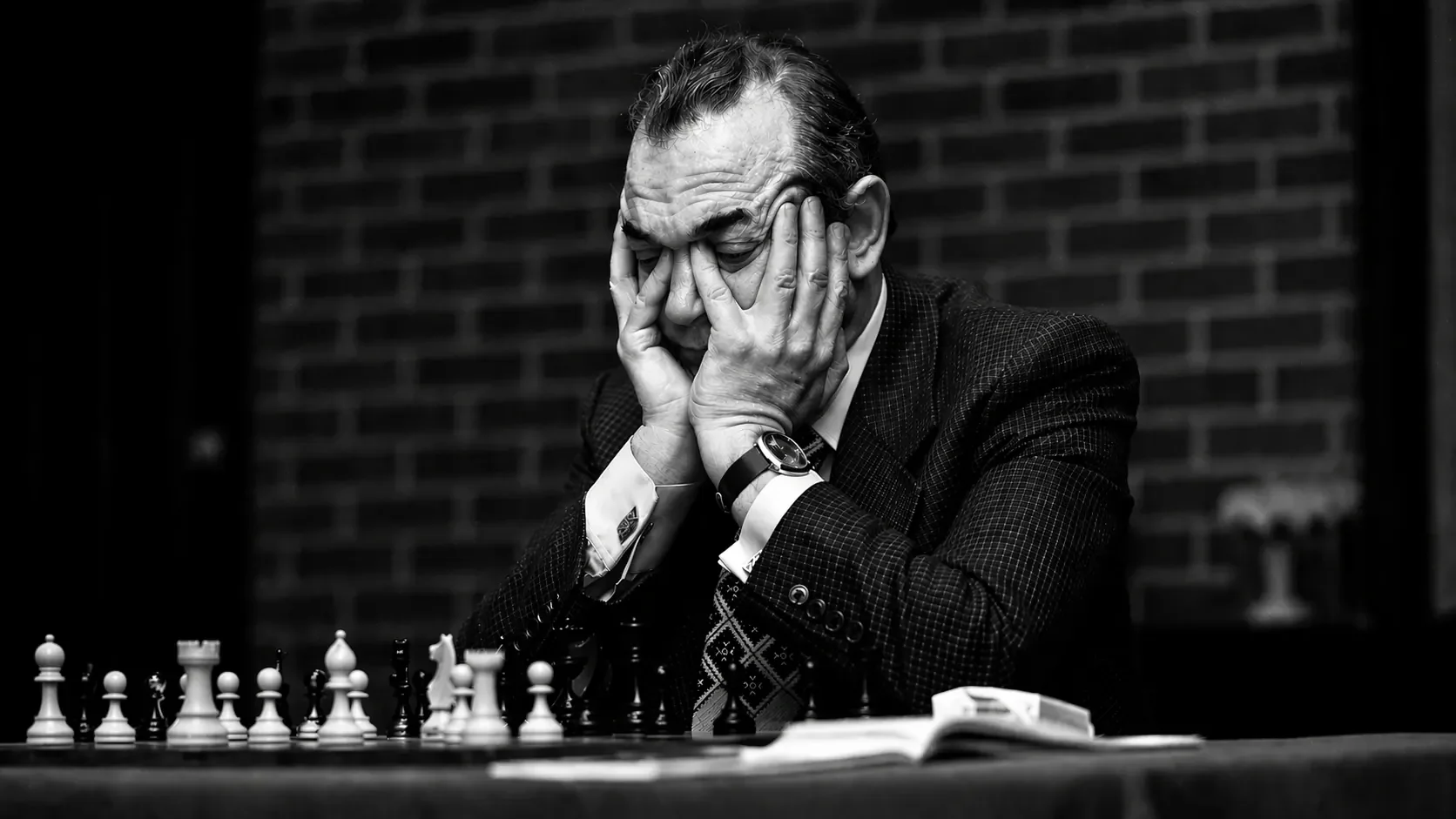
How the Early Soviet State Turned Chess Into a Tool
A look inside the origins of Soviet chess culture. These articles trace how early USSR institutions and political leaders transformed chess into a tool for education, discipline, and national development, setting the foundation for decades of dominance in world chess.
Albert Kapengut
Albert Kapengut was a seven-time Belarusian champion, two-time USSR Championship finalist, influential Modern Benoni theorist, and longtime coach of Boris Gelfand. This profile examines his rise through Soviet chess, restricted international career, analytical work with elite players, and enduring influence on the Minsk chess tradition.
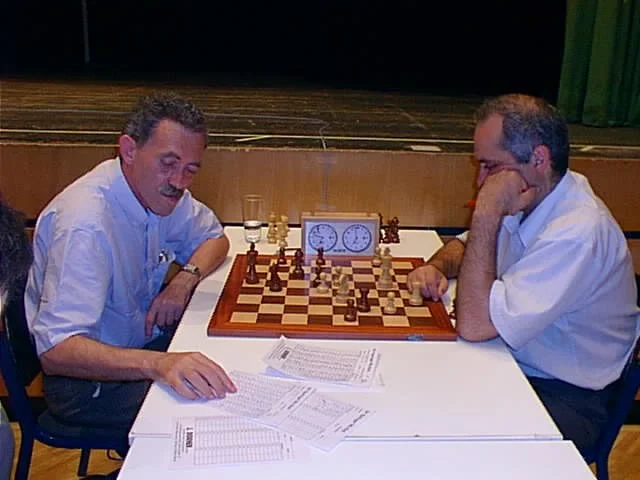
Konstantin Lerner
Konstantin Lerner was a prominent Soviet grandmaster whose career bridged Soviet, Ukrainian, and Israeli chess. Explore his two Ukrainian championship titles, runner-up finish in the 1984 USSR Championship, international successes, playing style, and historical legacy.
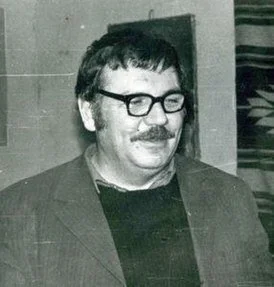
Yuri Nikolaevsky
Yuri Nikolaevsky was one of Kyiv’s strongest Soviet-era masters, winning the Ukrainian Championship in 1963, 1967, and 1977. This profile examines his competitive achievements, playing style, international career, chess journalism, educational work, and place in Ukrainian chess history.

Anatoly Lutikov
Anatoly Lutikov was one of the Soviet Union’s strongest and most distinctive attacking grandmasters. This profile traces his rise from Leningrad club chess to two RSFSR titles, third place in the 1968/69 USSR Championship, major international results, and influential coaching work in Chelyabinsk, Novosibirsk, and Tiraspol.
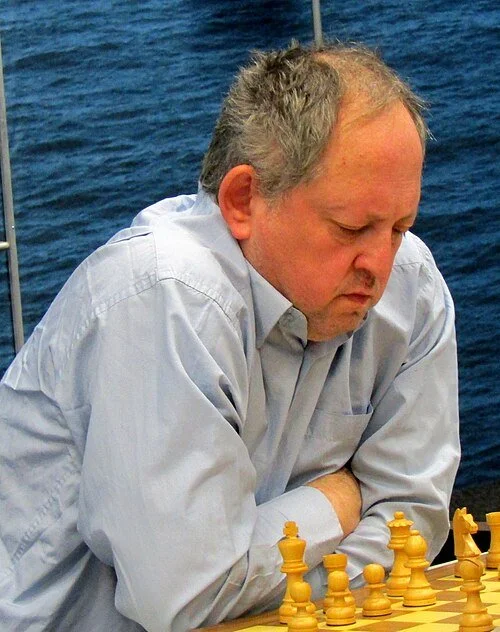
Ilya Smirin
Ilya Smirin rose through the Soviet chess system to become a world top-15 grandmaster, Israeli champion, and national-team mainstay. This profile examines his life, career, dynamic style, books, major achievements, and legacy.
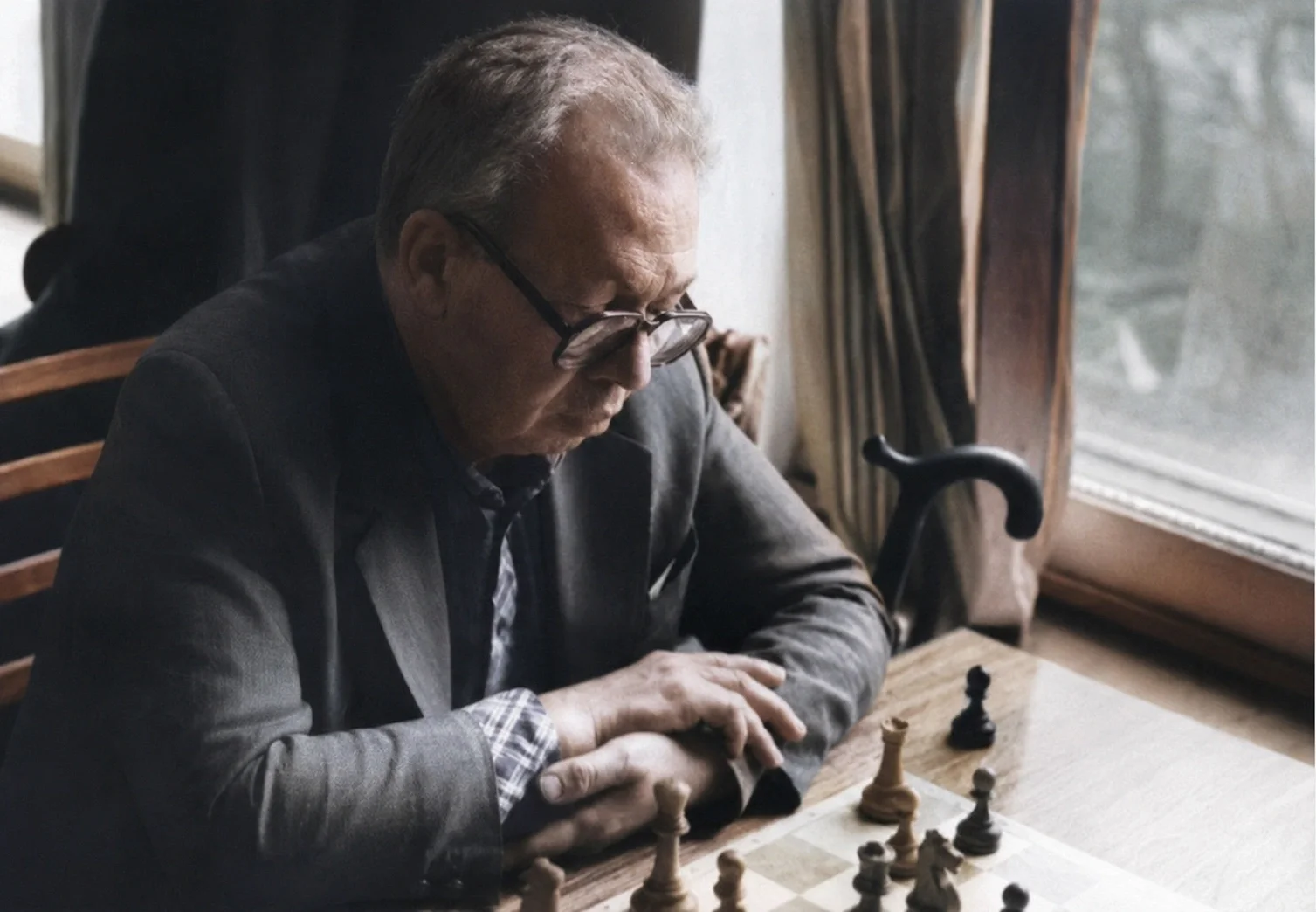
Abram Khasin
Abram Khasin survived a devastating wartime injury to become a five-time USSR Championship finalist, ICCF grandmaster, and Honored Coach of the USSR. This profile examines his playing career, correspondence success, teaching methods, leading pupils, and historical legacy.
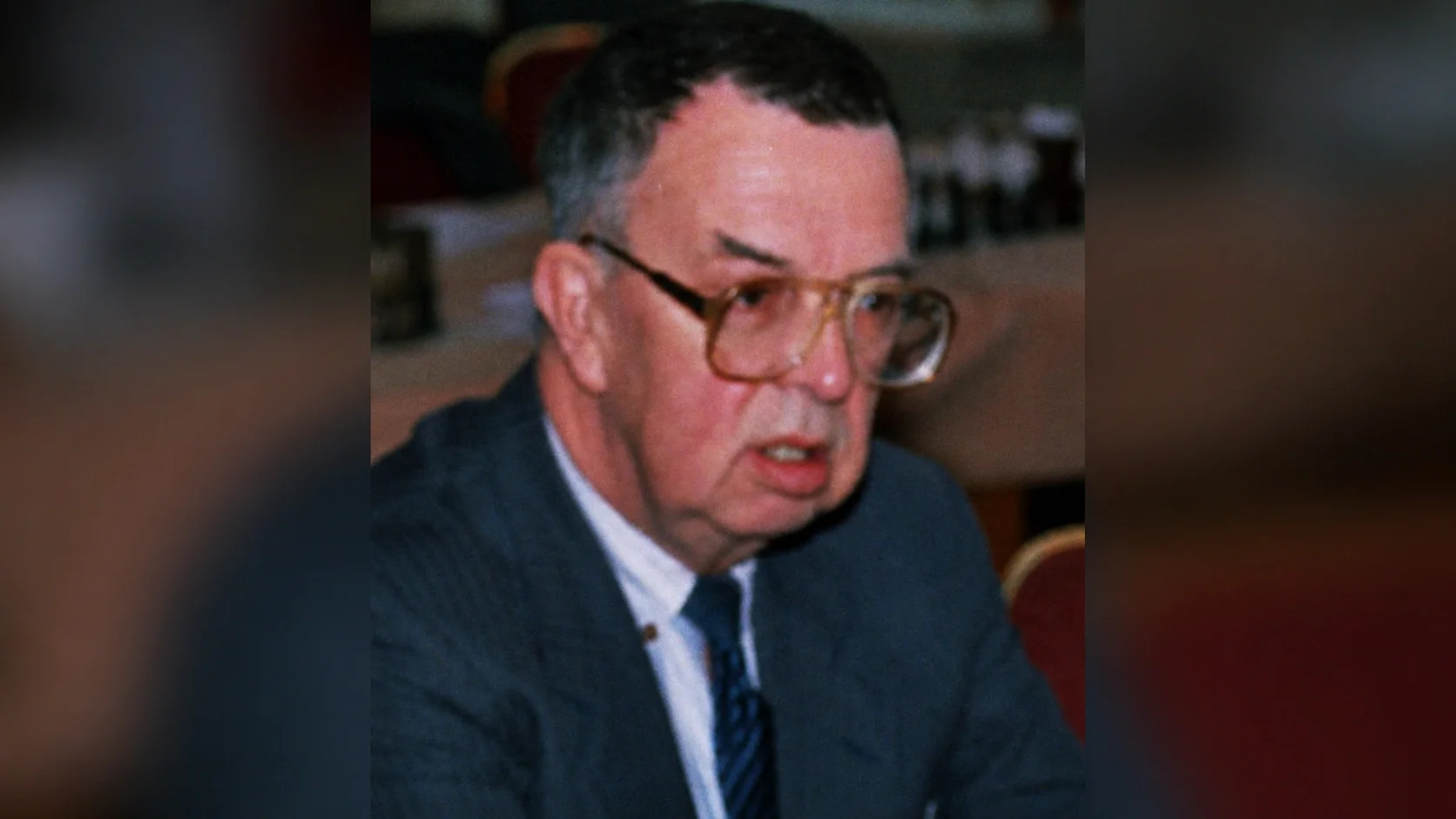
Nikolay Krogius
Nikolay Krogius combined elite chess with psychology, scholarship, coaching, and Soviet sports administration. Explore his grandmaster career, influential work with Boris Spassky, pioneering studies of chess psychology, major books, and a controversial institutional legacy.
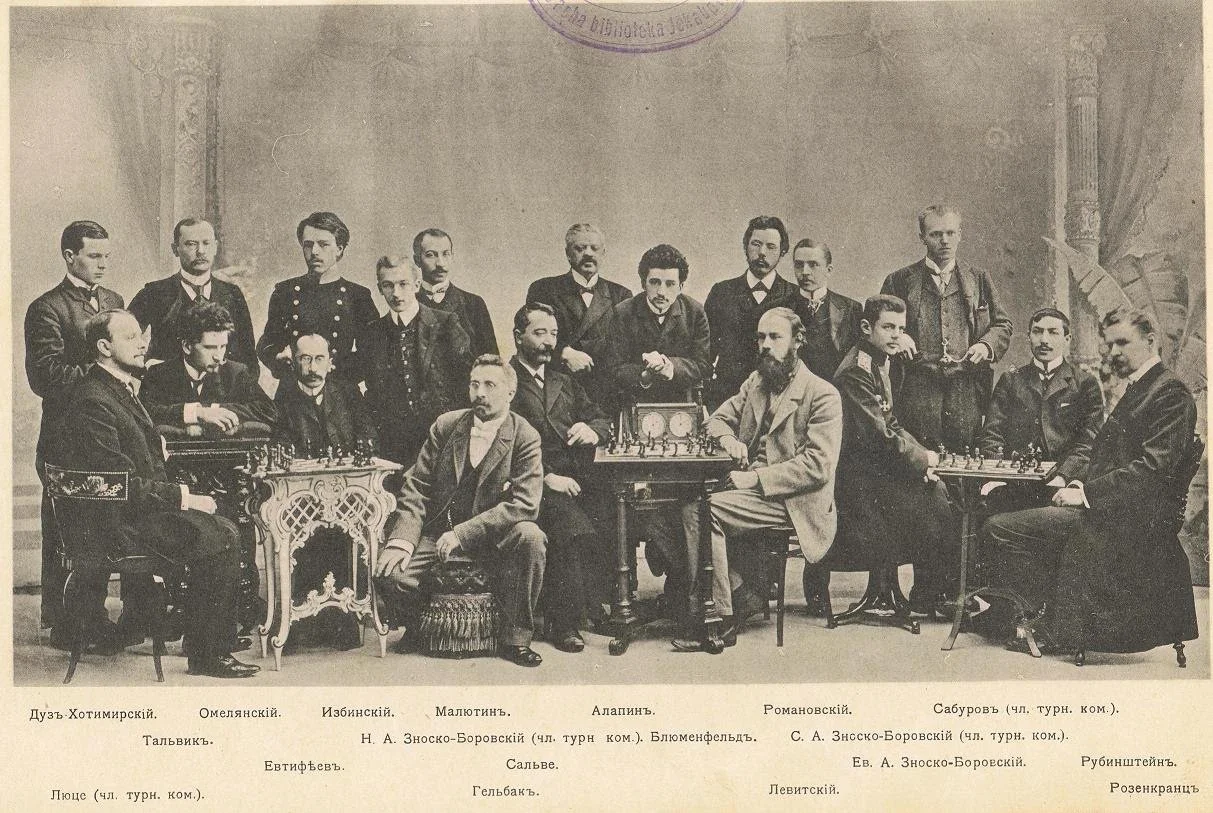
Semyon Alapin
Semyon Alapin was a leading Russian master and influential chess theorist. This profile examines his rivalry with Mikhail Chigorin, his international career, playing style, analytical writings, and enduring association with the Alapin Variation.
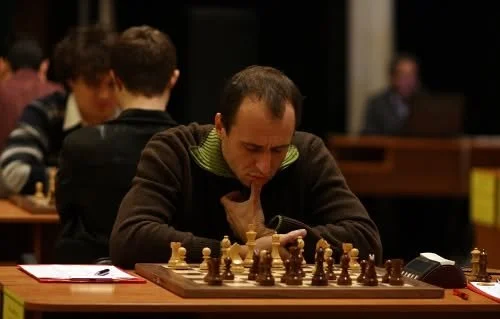
Evgenij Miroshnichenko
Evgenij Miroshnichenko is a two-time Ukrainian chess champion, a former world top-40 player, a FIDE Senior Trainer, and a respected commentator. His career connects Soviet-era chess education with independent Ukraine’s grandmaster tradition and the growth of international chess broadcasting.
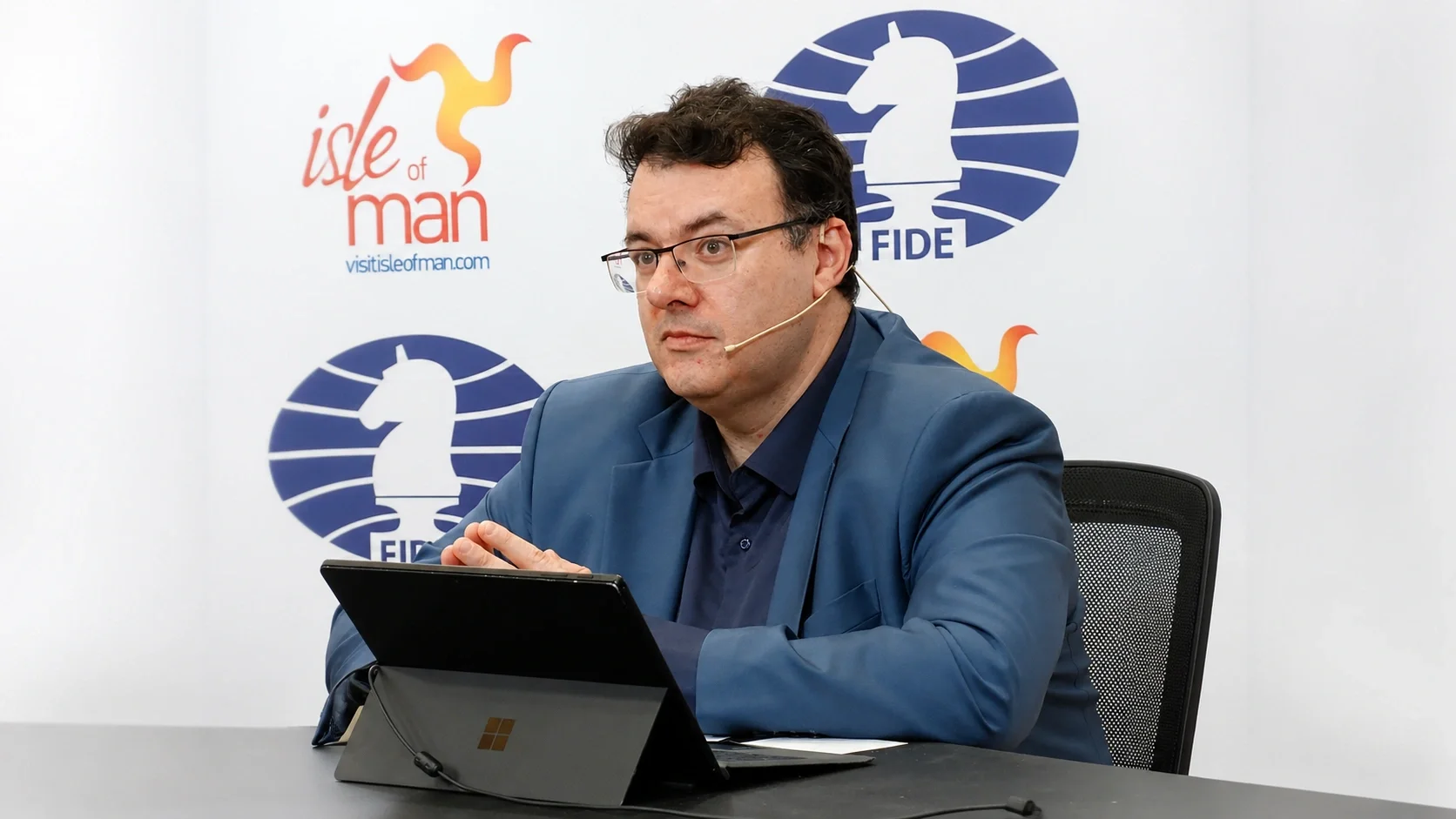
Emil Sutovsky
Born in Soviet Baku and shaped by the post-Soviet migration of chess talent, Emil Sutovsky became one of Israel’s most creative grandmasters, a European champion, an Olympiad medalist, an ACP president, and later a FIDE executive. This profile traces his development, playing style, public roles, and lasting place in modern chess culture.
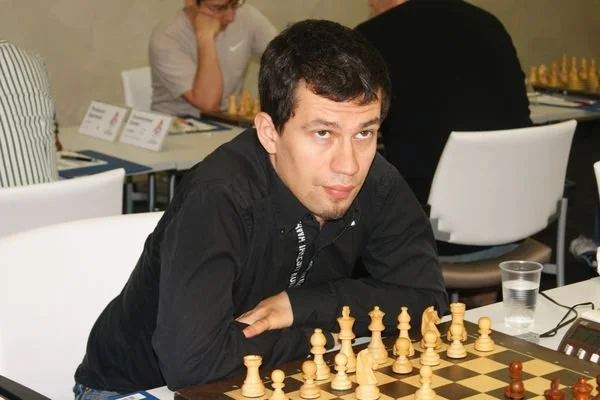
Evgeny Alekseev
Evgeny Alekseev emerged from the late Soviet and post-Soviet chess world as one of Russia’s strongest grandmasters of the 2000s. This profile examines his early formation, 2006 Russian Championship victory, elite tournament career, playing style, and place in modern chess history.
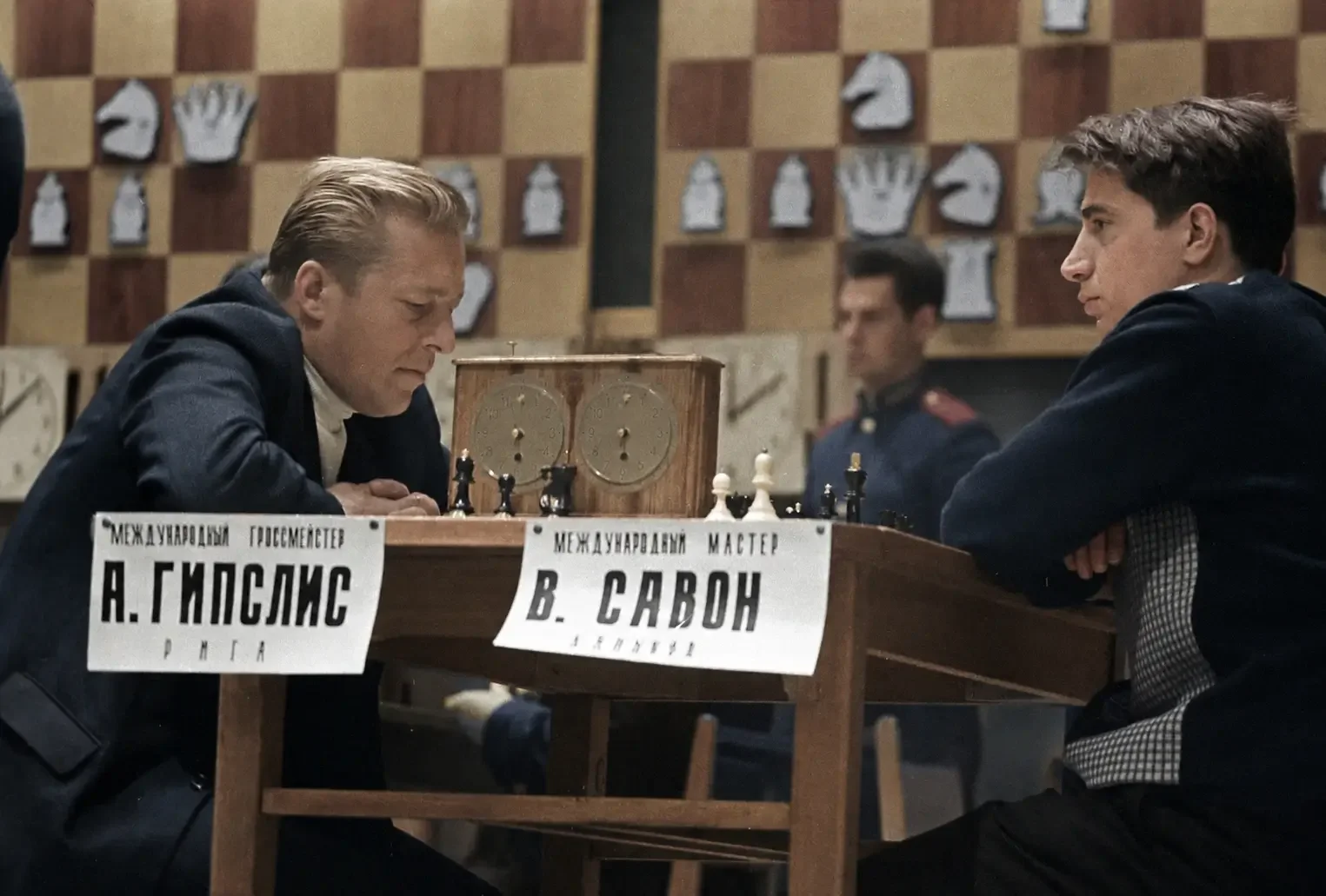
Aivars Gipslis
Aivars Gipslis combined elite Soviet-era tournament play with editorial, training, and theoretical work that shaped Latvian chess. This profile traces his Riga roots, championship results, style, work with leading players, and lasting place in chess history.

Shakhriyar Mamedyarov
Shakhriyar Mamedyarov stands among the strongest players to emerge from post-Soviet chess culture. A grandmaster from Azerbaijan, he became a two-time World Junior Champion, won the 2013 World Rapid Championship, and reached world No. 2 while building a reputation for fearless, imaginative play.
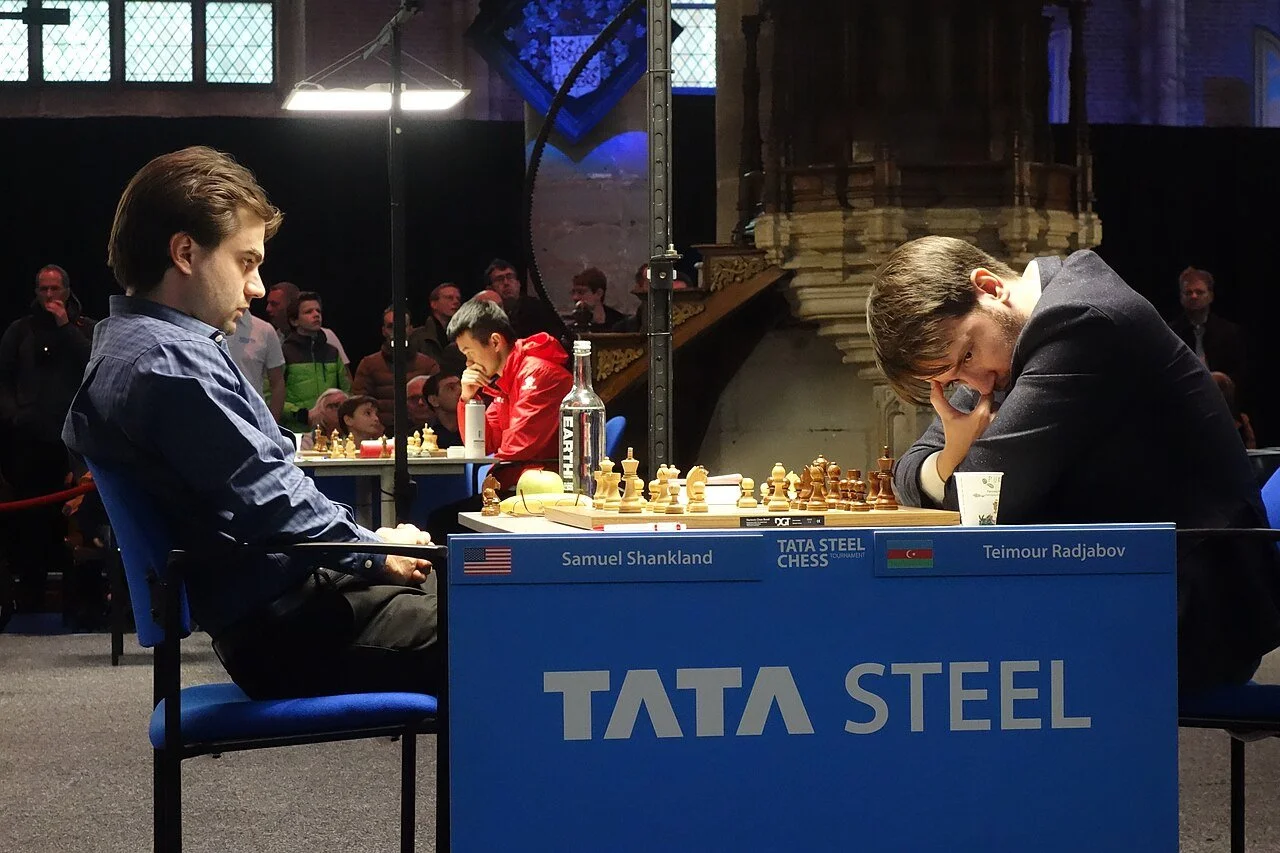
Teimour Radjabov
Teimour Radjabov emerged from Azerbaijan’s rich chess culture as one of the defining post-Soviet grandmasters of his generation. This profile examines his early development, elite tournament career, playing style, World Cup triumph, public reputation, and lasting place in modern chess history.
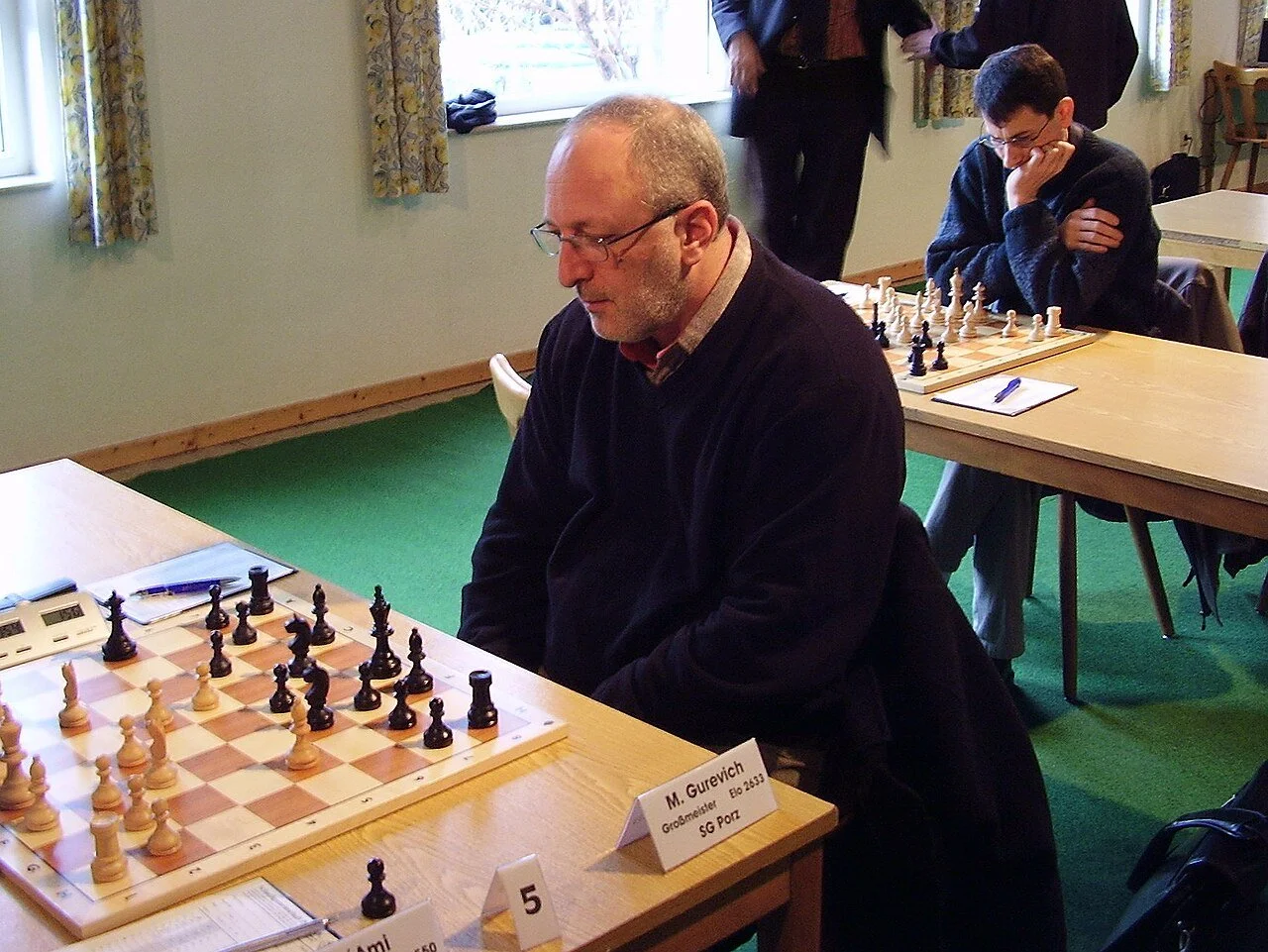
Mikhail Gurevich
Mikhail Gurevich emerged from the final decades of Soviet chess as a disciplined grandmaster, USSR champion, theoretician, and respected trainer. This profile examines his rise, style, achievements, and lasting place in Soviet and post-Soviet chess history.
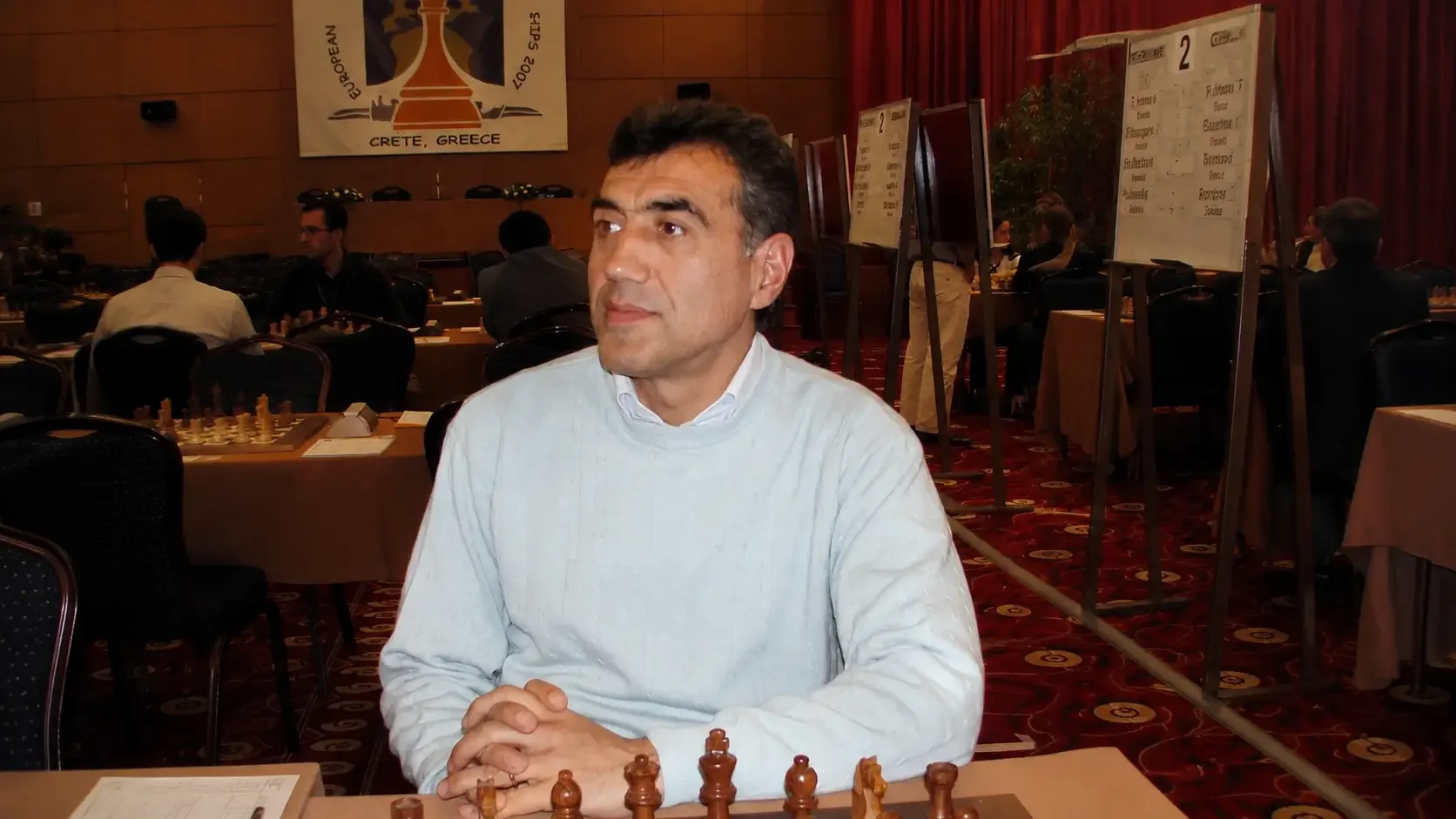
Smbat Garegini Lputian
This profile examines Smbat Garegini Lputian’s path from Armenian chess talent to grandmaster, Olympiad competitor, trainer, organizer, and national chess leader. It places his career within Soviet and post-Soviet chess culture while assessing his lasting contribution to Armenian chess.
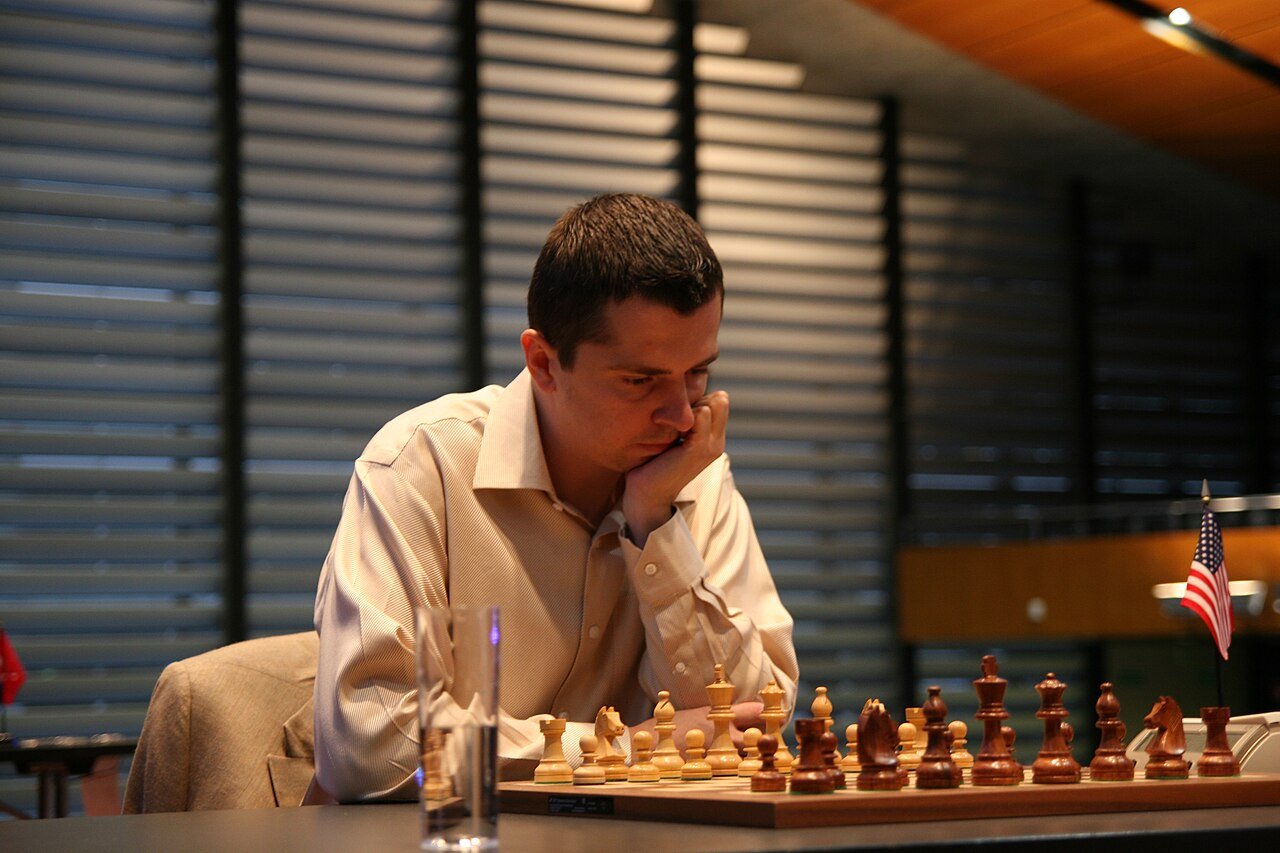
Alexander Onischuk
Alexander Onischuk’s career links Soviet chess education, post-Soviet migration, and American chess achievement. This profile examines his development, major results, style, teaching career, and lasting historical significance.
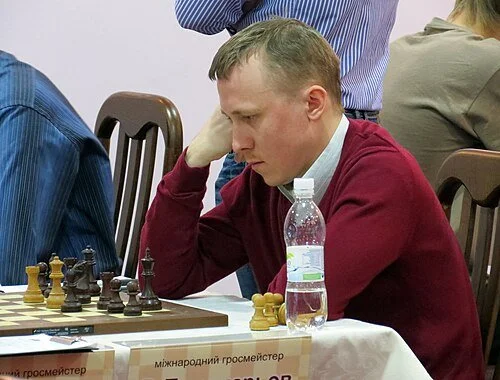
Ruslan Ponomariov
Ruslan Ponomariov emerged from the post-Soviet Ukrainian chess school as one of the most remarkable prodigies of his generation. A grandmaster before his fifteenth birthday and FIDE World Chess Champion at eighteen, Ponomariov combined technical discipline, defensive resourcefulness, and practical strength against elite opposition. This profile examines his early formation, major competitive achievements, playing style, role in Ukrainian and international chess culture, and lasting historical significance.
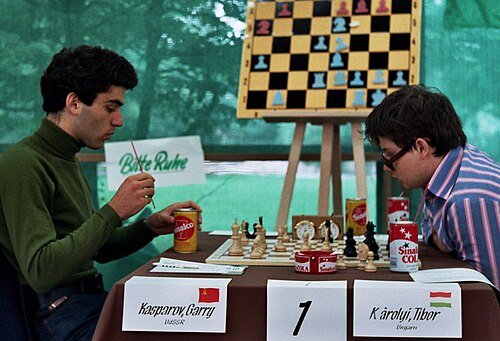
Garry Kasparov
A scholarly profile of Garry Kasparov, tracing his early life in Baku, rise through Soviet chess, world championship career, rivalry with Anatoly Karpov, contributions as an author and theoretician, and enduring place in chess history.

Anatoly Karpov
Anatoly Karpov became one of the defining figures in Soviet chess history through precision, positional mastery, and extraordinary competitive consistency. This profile examines his early development, rise to the world championship, rivalry era, post-Soviet career, playing style, public roles, and enduring place in chess culture.